There was a time, not so long ago, when I measured my worth by how little sleep I needed. A badge of honor, I thought—running on fumes, fueled by caffeine and sheer force of will. My hands are shaking a little now, just recalling the exhaustion, the blurry edges of reality. That’s the hard truth, isn’t it?
Many of us, myself included, have swallowed the cultural myth that sleep is a luxury, a weakness even, something to be sacrificed on the altar of productivity.
It took years, and a brutal crash, for me to realize I was asking the wrong question entirely. It wasn't about how to survive on less sleep; it was about why I couldn't sleep at all. And that’s where Traditional Chinese Medicine—TCM—stepped in, not with a quick fix, but with an invitation to understand my body in a language I hadn't genuinely listened to before.
When My Body Staged a Coup: The First Wake-Up Call
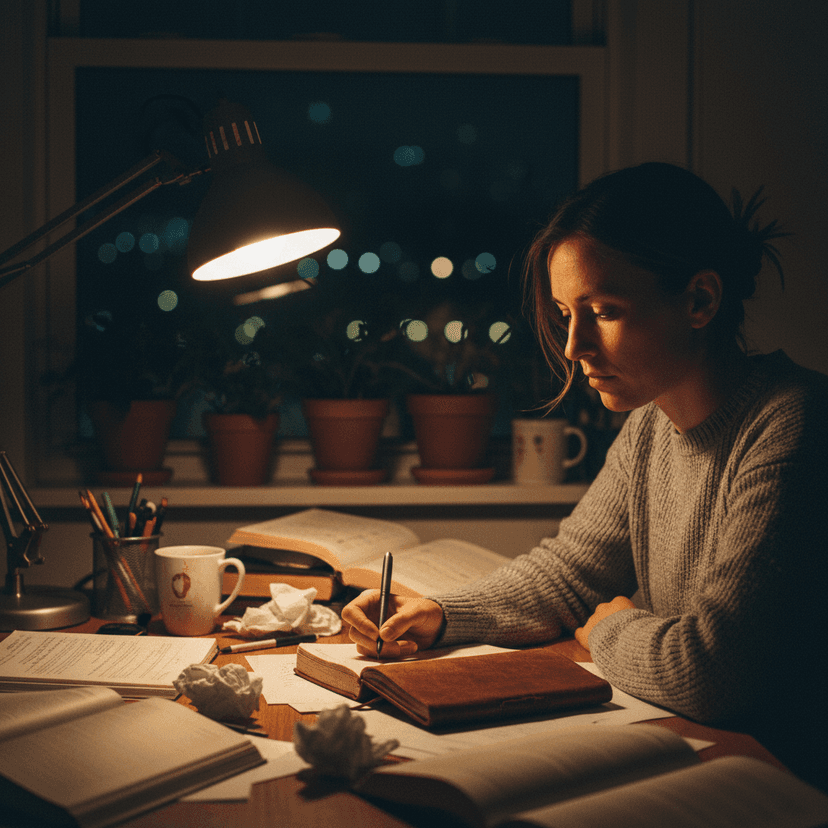
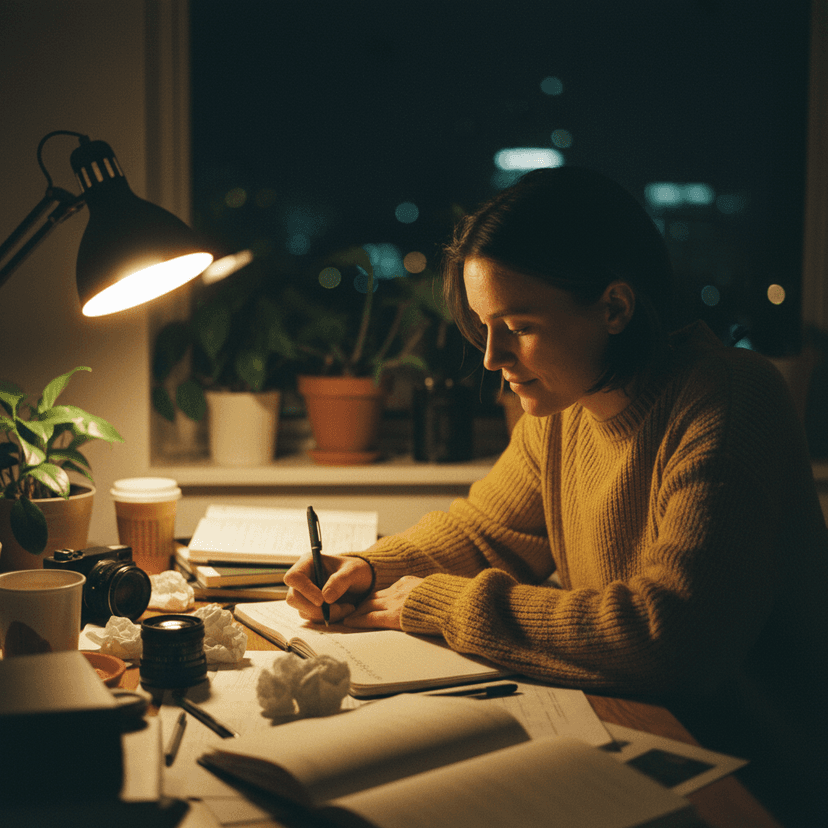
I was in my late thirties, juggling a demanding practice, a young family, and the ceaseless hum of modern life. Sleep became a battleground. I’d lie awake, mind racing, every worry from patient files to forgotten grocery lists parading through my head. The conventional advice was everywhere: sleep hygiene, dim the lights, no screens. I did it all. And it barely scratched the surface.
I remember one night vividly—the heavy, sweet scent of night-blooming jasmine outside my window, usually so calming, just felt cloying. I was so exhausted I felt wired.
My Western medical training offered prescription sleep aids. For a while, I tried them. They worked, sort of. But I woke up feeling groggy, disconnected.
The side effects—the brain fog, the lingering fatigue—were almost as bad as the insomnia itself. That wasn't rest. It was sedation. I knew I needed something else, something deeper.
This is where my dual training became less of an academic pursuit and more of a desperate lifeline. I’d learned about TCM, about its holistic lens on health, but actually living through chronic sleep deprivation drove me to genuinely apply it. I went back to the clinical data, digging into the research, but more importantly, I went back to my own TCM mentors, looking for answers that Western medicine just wasn't providing for my specific, relentless cycle of sleeplessness.
The fundamental difference, I discovered, is how TCM perceives illness. While Western medicine often focuses on the symptom—the inability to sleep—TCM asks: Why is the body unable to sleep? What underlying imbalances are creating this disharmony?
Reframing Insomnia: It's Not a Bug, It's a Feature
What if insomnia isn't a malfunction to be suppressed, but a sophisticated alarm system? A warning, a plea for attention from our deep, intuitive body wisdom. That's the premise-challenging question TCM poses. It shifts the entire conversation.
My own insomnia, my TCM practitioner explained, was rooted in a pattern of Heart Blood Deficiency with Liver Qi Stagnation. Sounds complicated, right? But it made perfect sense.
The Heart houses the Shen (spirit, mind) in TCM. If Heart Blood is deficient—often from overwork, chronic stress, or poor nutrition—the Shen lacks its anchor, leading to restlessness, anxiety, and difficulty falling asleep. The Liver, in TCM, regulates the smooth flow of Qi and stores Blood. When Liver Qi stagnates—again, from stress, suppressed emotions—it can generate heat that disturbs the Heart, causing irritability and restless sleep with vivid dreams.
It was like looking at a tangled garden and realizing I'd been hacking at the weeds while the roots were suffocating. The research echoed this holistic perspective. Studies show that TCM doesn't just treat symptoms; it addresses the whole picture. For example, a 2024 meta-analysis in Altern Ther Health Med. found that Tiaoshen acupuncture significantly decreased Pittsburgh Sleep Quality Index (PSQI) scores by -3.03 points, along with hyperarousal and fatigue, demonstrating improved sleep quality and efficiency.
This acupuncture wasn't about knocking me out. Oh no. It was about recalibrating my entire system, helping it remember its natural rhythm.
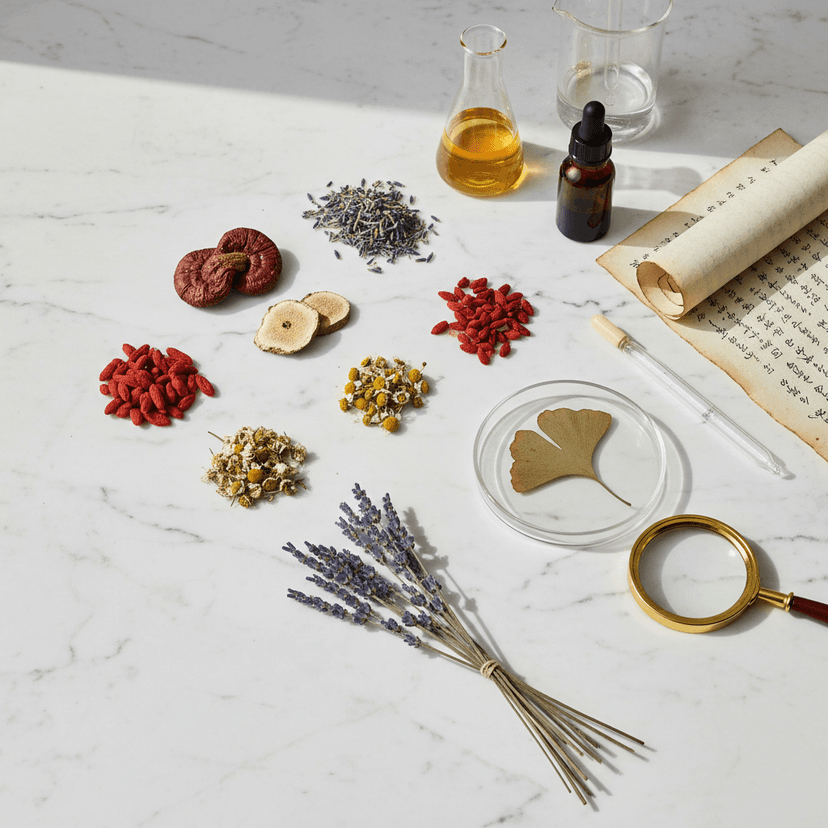
One of the most impactful interventions for me was a classic herbal formula: Guī Pí Tāng. Gui Pi Tang (GPT), also known as Gui Pi Wan or Gui Pi Pian, is a traditional Chinese medicine formula with a history of use as a treatment for insomnia and anxiety. Described in the 11th-century book Ji Sheng Fang, this formula consists of 12 herbs, including Ren Shen (Panax ginseng), Huang Qi (Astragalus henryi), Bai Zhu (Atractylodes ovata), and Fu Shen (Poria cocos).
The interesting thing about Gui Pi Tang? It's not a sedative. Not at all. It's a tonic—a formula designed to build up the resources your body genuinely needs to rest naturally.
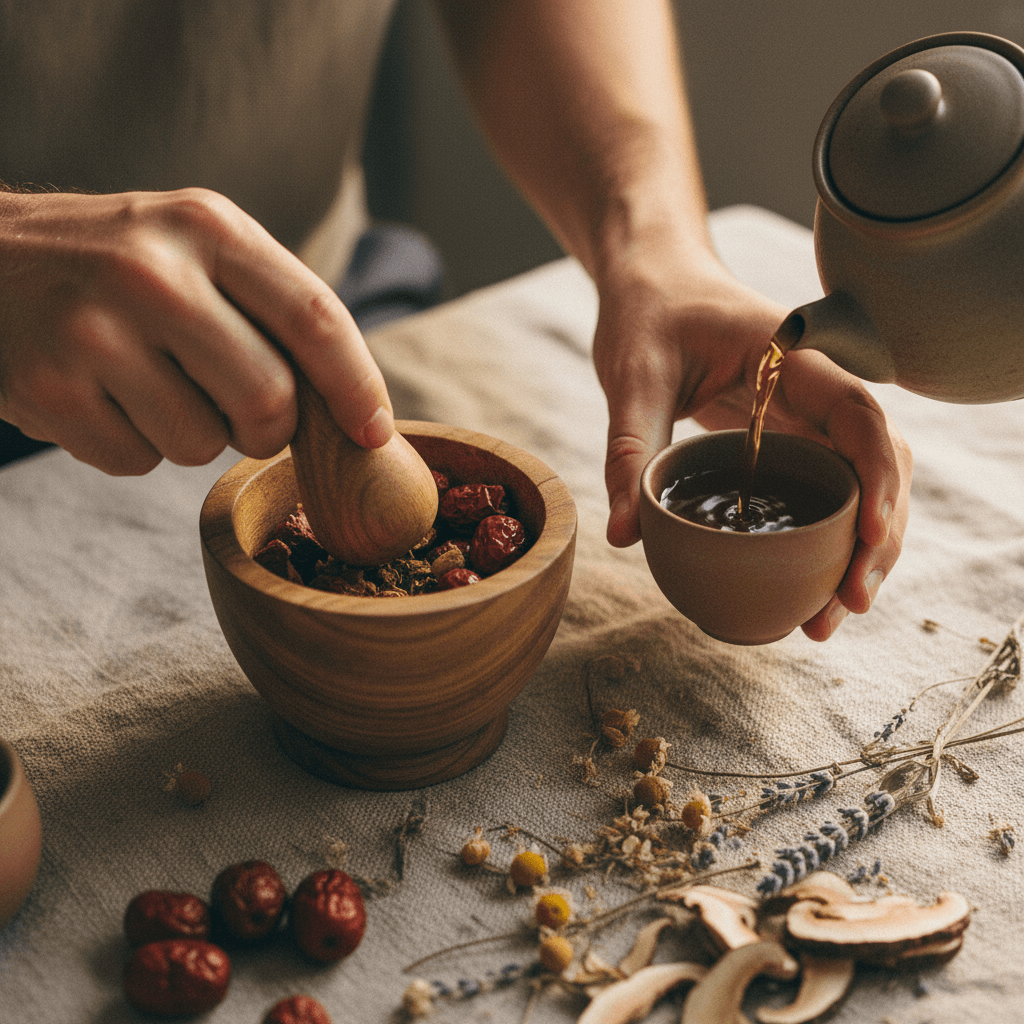
I started with Gui Pi Tang as a decoction, roughly 9-15g of the raw herbs brewed into a tea twice a day, gradually adjusting with my practitioner. It took time—a few weeks before I noticed subtle shifts, a few months before sleep felt genuinely restorative. It wasn't like flipping a switch; it was like slowly turning down the volume on a constant, jarring noise.
The Medicine (Baltimore) journal published a fascinating analysis in 2025, including 186 RCTs, concluding that certain Chinese herbal medicines, including formulas like Gui Pi Tang, are effective and safe for managing insomnia, often superior to conventional pharmacological treatments in terms of PSQI scores and safety profiles. This confirmed my lived experience.
Another prominent herb I encountered in my deeper dives into TCM for insomnia was Suan Zao Ren (Acid Jujube Seed). 《本草纲目》 (Bencao Gangmu) specifically states that Suan Zao Ren, when stir-fried, treats 'Heart Blood Deficiency leading to insomnia, vexation, thirst, and night sweats'. It's a cornerstone for calming the spirit and nourishing Heart Blood. And then there's Bai He (Lily Bulb).
《神农本草经》 (Shennong Ben Cao Jing) describes Bai He as primarily benefiting the Lung and Heart, clearing heat, and calming the spirit. A 2024 analysis of insomnia prescriptions from Wumen school of TCM showed that Suan Zao Ren (92.7%), Bai He (86.4%), and Fu Ling (83.1%) were among the top three most frequently used herbs, especially for female patients (68.3% vs 31.7%). This confirmed the classical wisdom with modern clinical trends.
Beyond Pills: Cultivating Rest in the Garden of Life
My journey wasn't just about herbs and acupuncture—though acupuncture was extremely helpful for breaking the initial cycle of hyperarousal. I discovered it was about tending to my internal garden. If you plant seeds in rocky, unfertile soil, they won’t thrive. Similarly, if your internal environment is chaotic and depleted, sleep won’t come easily.
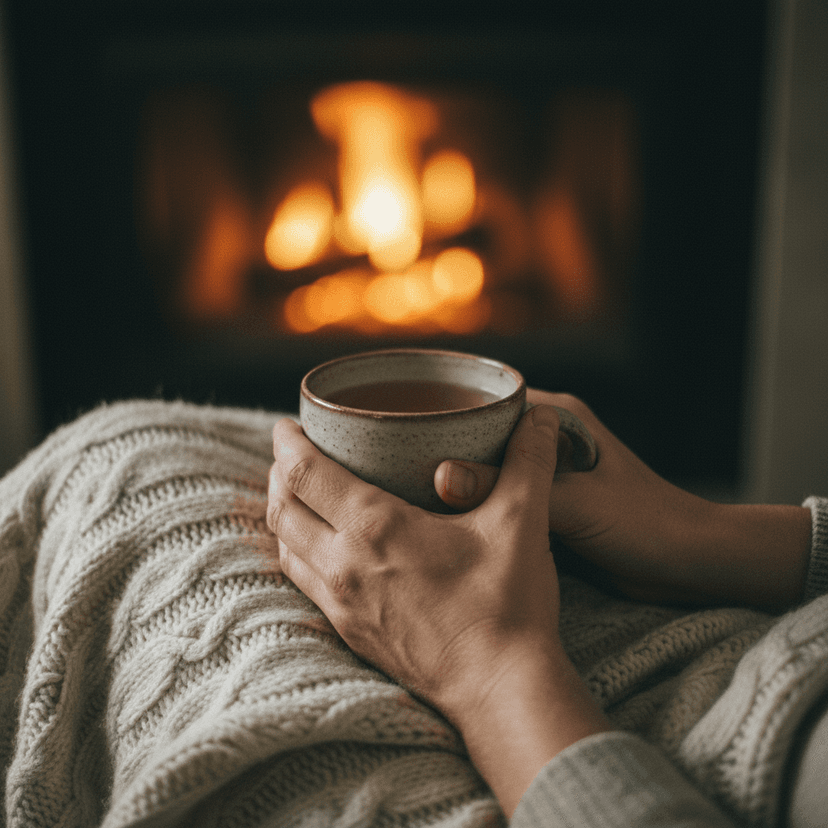
The actionable takeaway here is to start small, but start with consistency. One evening, I made a simple calming tea: a small handful of dried lily bulb petals (about 10g), a few slices of fresh ginger (5g), and 3-4 dried jujube dates, simmered in 2 cups of water for 15 minutes. It’s not a sedative, but a gentle nudge towards calm. This became a nightly ritual, a signal to my nervous system that it was time to wind down.
These small acts of self-care are like watering the garden. They matter.
I also started incorporating simple TCM exercises. A 2024 study in J Psychiatr Res. highlighted that all five studied TCM exercises (Yijinjing, Wuqinxi, Liuzijue, Baduanjin, and Taijiquan) improved insomnia, with Liuzijue being the most effective, boasting a SUCRA ranking of 96.4%. These aren't strenuous workouts; they're mindful movements that cultivate calm and promote the smooth flow of Qi. Even 10 minutes of gentle stretching and breathwork before bed can make a difference.
The truth is, many people are frustrated with conventional sleep medications because of side effects or diminishing returns. They're looking for something that addresses the root cause, not just the symptom. And TCM offers that. It's not about choosing one system over the other; it’s about integration. Acupuncture, for example, combined with Chinese herbal medicine, can be extremely powerful. A 2024 meta-analysis in Clinical Medical Progress found that acupuncture combined with Chinese medicine had an effective rate of 92.
5% for insomnia, improving outcomes by 16.8% compared to Western medication alone. The body wants to heal. We just have to give it the right tools.
The Reality: Your Sleep Isn't a Luxury
Here's the reality nobody wants to hear: we've normalized sleep deprivation. We've accepted that feeling tired is just 'part of life.' But it's not. Chronic insomnia is a significant health issue, impacting everything from cognitive function and mood to metabolic health and immunity. Treating it like a minor inconvenience, or solely relying on a pill that doesn't address the underlying issue, is a disservice to your body and your long-term well-being. And yes, it can be costly.
While a single bottle of an herbal supplement might be $30-$50, ignoring chronic insomnia can lead to far greater health expenditures down the line, not to mention the hidden costs of reduced productivity and quality of life.
Consider your body like a complex ecosystem. If one part is out of balance—say, the Liver is stagnant from chronic stress, or the Heart Blood is deficient from overthinking—it affects the whole. A study by Du and Zheng (2024) on Huang Lian E Jiao Tang (a formula for insomnia with heat signs) found it improved insomnia by regulating the HPA axis and serotonin system, showing how TCM influences physiological pathways.
It's not magic; it's deep physiology, observed and refined over millennia.
I often tell my patients that reclaiming your rest is an act of courageous self-care. It means tuning into your body's signals, even if they're inconvenient, and being willing to explore paths less traveled by mainstream medicine.
Your Invitation: A Path to Restoration
If you're reading this, chances are you've felt the sting of sleepless nights. You've probably tried a few things, maybe even felt that familiar skepticism about ancient practices. I get it. I lived it. But what if the answer isn't another pill, but a deeper conversation with your body? What if better sleep—genuinely restorative sleep—is waiting for you, not just as an outcome, but as a journey of balance and self-discovery?
My invitation to you is simple: within the next week, take one small, curious step. Maybe it’s trying a simple acupressure point like Yongquan (Kidney 1), found on the sole of your foot, right in the depression below the ball of your foot—massage it gently for a few minutes before bed. Or perhaps it's consulting a licensed TCM practitioner in your area, just for an initial assessment.
They'll look at your tongue, feel your pulse, and ask questions that might surprise you, questions that reveal the unique story of your body's imbalance.
Remember, this is not about dismissing Western medicine—it’s about broadening our toolkit. Always consult with your primary care physician before making changes to your health regimen, especially if you're on medication. But don’t stop there. Explore. Be curious. Your body is extremely intelligent. It knows how to rest. Sometimes, we just need to help it remember.
Writing this makes me think about those early mornings, dragging myself out of bed, feeling utterly defeated. It makes me wonder how many of us are living a fraction of our potential because we've forgotten how to genuinely rest. The journey isn't over for me—balance is a dynamic state, a continuous dance. But now, when I have a restless night, I don't feel shame. I feel curiosity. And that, in itself, is a form of healing.
References
- Liu, J., Wang, Y., Xu, T. (2024). Analysis of Wumen Gaofang prescriptions for insomnia. Journal of Nantong University (Medical Edition).
- Wu, D. J., et al. (2024). Tiaoshen acupuncture for primary insomnia: A systematic review and meta-analysis. Altern Ther Health Med.
- Li, Y., et al. (2024). Comparative efficacy of five TCM exercises for insomnia: A network meta-analysis. J Psychiatr Res.
- Luo, S. Y., et al. (2025). Chinese herbal medicines for insomnia: A systematic review and network meta-analysis. Medicine (Baltimore).
- Li Shi-Zhen. (1596). Bencao Gangmu (Compendium of Materia Medica).
- Shennong. (circa 200 AD). Shennong Ben Cao Jing (The Divine Farmer's Materia Medica).