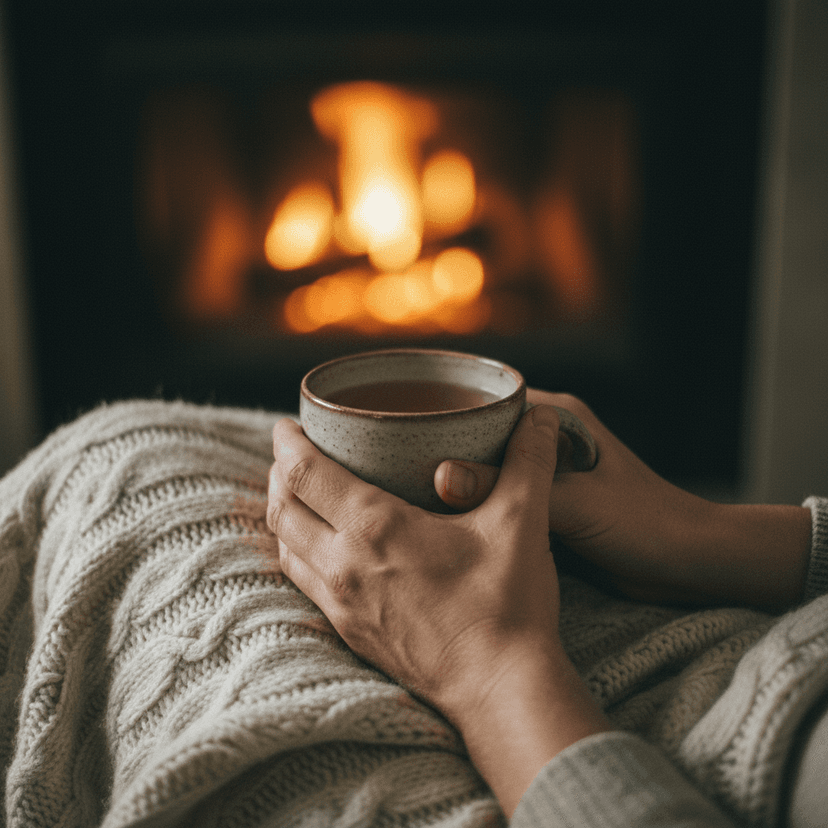
For years, my nights were a battlefield. Not with external worries, but with my own mind, looping and twisting into knots of anxiety the moment my head hit the pillow. “Just relax,” friends would say, or “Try meditation.” As if the inability to relax wasn't the very essence of the problem. It felt like being told to stop drowning while already underwater.
This frustrating cycle—the desperate search for calm, the well-meaning but ultimately unhelpful advice—is, I’ve found, quite common in our modern world.
We're awash in stress, yet often given only surface-level solutions. What if the very premise of our approach to stress and anxiety is deeply flawed? What if just relaxing misses the point entirely?
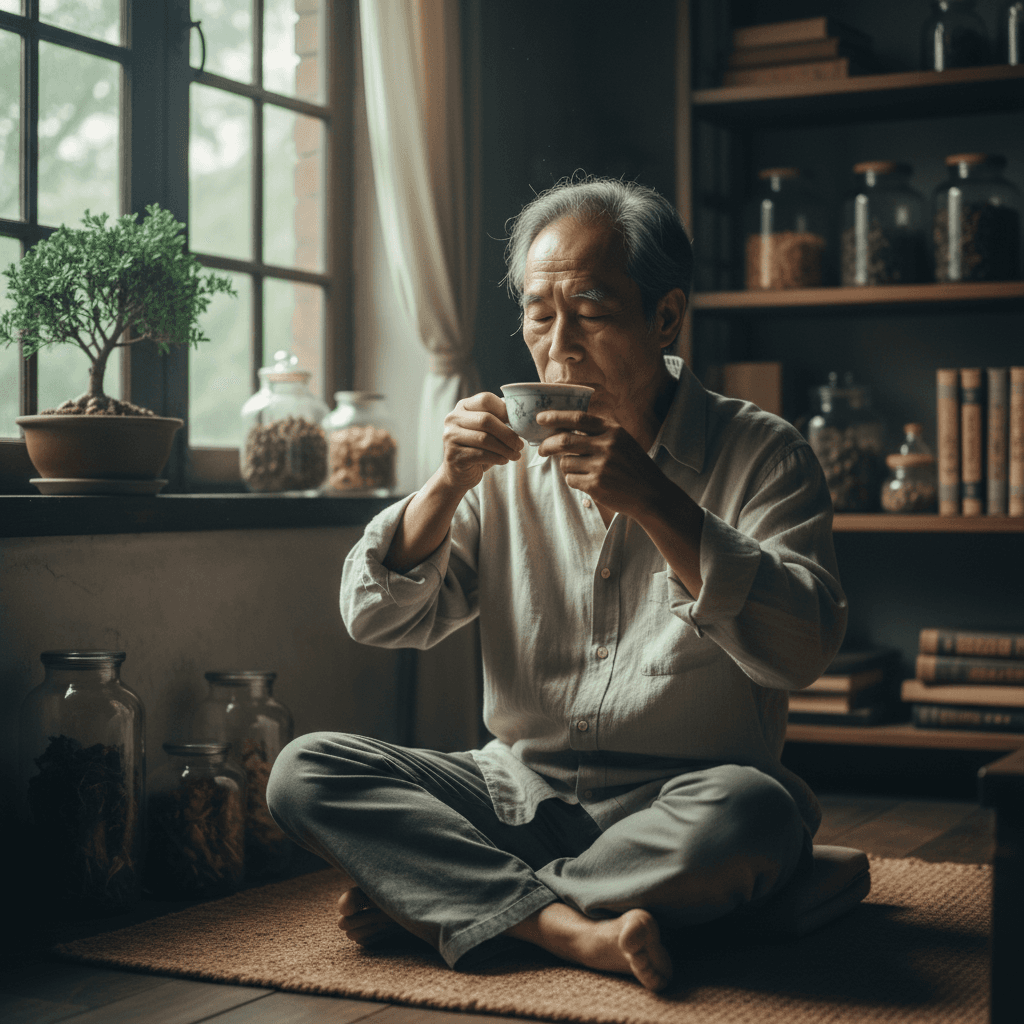
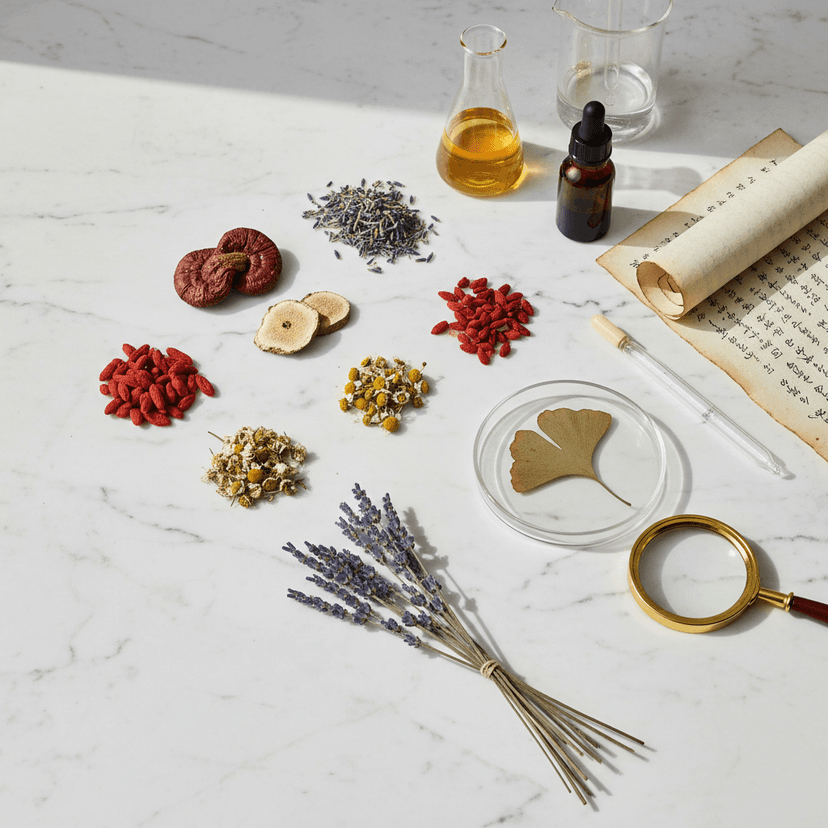
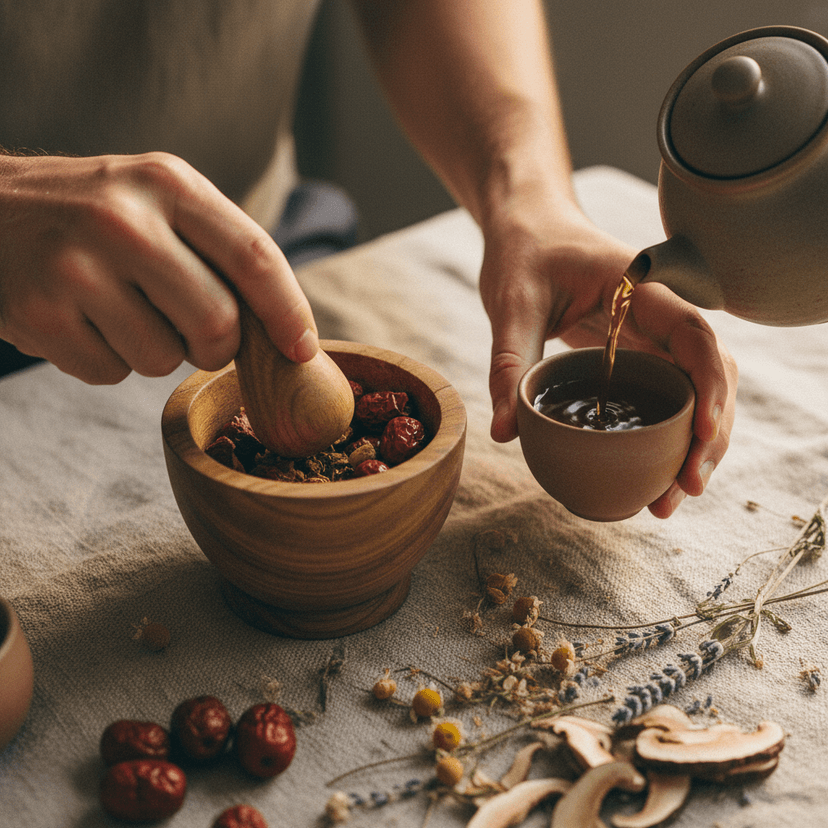
That’s what led me down the rabbit hole of Traditional Chinese Medicine (TCM). I started with simple things, like brewing herbal teas, especially those with Suan Zao Ren – Suan Zao Ren (Ziziphus jujuba seed), also known as Sour Jujube Seed, is a calming or shen-calming herb used in Traditional Chinese Medicine for insomnia, anxiety, and irritability. Its key active compounds include saponins and flavonoids, which are thought to contribute to its sedative and anxiolytic effects.
The more I read, the more I realized TCM wasn't just about herbs; it was a completely different lens for understanding my own body and mind.
Beyond the Buzzword: The TCM Framework for Stress
So I went back to the clinical data, digging through studies on how TCM actually approaches chronic stress and anxiety.
What struck me, time and again, was the sheer depth of its individualized framework.
TCM doesn't see anxiety as a monolithic diagnosis, but rather as a symptom of deeper imbalances—often rooted in the dynamic interplay of emotions, diet, lifestyle, and even the weather.
It’s not about a generic fix; it’s about understanding your specific pattern. This is a significant shift for so many people who feel unheard by generic advice, because it acknowledges the unique nuances of their experience. The insights I found crystallized into a few key discoveries:
Discovery 1: It's Not All in Your Head – It's in Your Liver, Heart, and Spleen
TCM links emotional states directly to organ systems. Chronic stress isn't just a mental burden; it manifests physically. Two patterns commonly observed in clinical literature related to chronic stress and anxiety are Liver Qi Stagnation and Heart Yin Deficiency. Liver Qi Stagnation, for instance, often shows up as irritability, frustration, sighing, and a feeling of tightness in the chest. Case reports in various journals document how people experiencing these symptoms often find relief when their 'Liver Qi' is addressed.
Heart Yin Deficiency, on the other hand, is characterized by symptoms like heart palpitations, restless sleep, night sweats, and a feeling of internal heat—that anxious flutter you just can't shake. Traditional usage has long suggested specific herbs to nourish Heart Yin, and some recent findings hint at why.
Discovery 2: Acupuncture Isn't Just for Pain
I’ve always thought of acupuncture as something for back pain, maybe headaches. But the data paints a different picture. It turns out, those tiny needles might be a powerful tool for calming the nervous system. A systematic review by Camorim and colleagues in 2018 concluded that acupuncture therapy yields effective outcomes for anxiety disorders with fewer side effects than conventional treatment. That's a finding worth paying attention to.
More recently, Kim and colleagues (2025) published a meta-analysis of randomized controlled trials, showing that manual acupuncture significantly reduced anxiety symptoms in the short term compared to sham acupuncture and usual care. Even better, these effects were sustained at follow-up. It's not just a quick fix; it's about shifting something deeper.
Discovery 3: Herbal Formulas Are More Than Single Ingredients
TCM particularly shines in the nuanced dance of multiple herbs working together in a formula. While individual herbs like Kava and Withania somnifera (Ashwagandha) show promise for anxiety, as documented by Wang T and others in a 2022 network meta-analysis, TCM practitioners often lean on classical formulas for a reason.
Take Suan Zao Ren Tang—the formula built around that jujube seed I mentioned. 鲍晓虹等 (Bao Xiaohong et al., 2022) described how this classic formula improves anxiety by regulating the GABA/5-HT balance, a key pathway for mood regulation in the brain. They even found that combining it with SSRIs could significantly improve the reduction rate of anxiety symptoms. This isn't just about adding something; it's about synergistic balance.
And the historical roots run deep. 《神农本草经》 (Shennong Ben Cao Jing) notes that Suan Zao Ren "governs cold and heat in the heart and abdomen, evil binding and qi accumulation, soreness and pain in the four limbs, damp-bi; long-term consumption pacifies the five zang organs." This ancient text reveals its foundational role in harmonizing the body and calming the spirit.
For formulas like Xiao Yao San, used for Liver Qi Stagnation, 《本草纲目》 (Bencao Gangmu) describes Chai Hu (Bupleurum root) as "treating the downward collapse of yang qi, leveling Liver and Gallbladder, San Jiao, and Pericardium fire," underscoring its role in emotional regulation.
Beyond Symptoms: Addressing the 'Why' of Your Stress
The pervasive nature of stress in our always-on world has led to a sort of wellness burnout, hasn't it? We’re told to manage symptoms, to cope, to power through. But what if we're asking the wrong questions? What if the goal isn't just to manage anxiety, but to dissolve the very conditions that allow it to flourish? What if true calm isn't a state you force, but one that arises naturally when your internal systems are in harmony?
TCM offers a complementary perspective to Western medicine. While Western approaches excel at acute intervention and identifying specific chemical imbalances, TCM provides a framework for understanding the functional and energetic roots of distress. It helps us see that the tightness in your shoulders, the racing thoughts, the interrupted sleep—they’re all connected, not isolated complaints.
For instance, for Heart Yin Deficiency with insomnia, TCM practitioners commonly observe that cooling, nourishing foods like pears, lily bulb, and mulberries can be beneficial, alongside quiet evening routines. For Liver Qi Stagnation, which often correlates with seasonal affective patterns—like that pervasive irritability many feel in spring—warming, slightly pungent foods like ginger, turmeric, and leafy greens are often suggested, combined with gentle movement like walking.
What helped me rethink my approach to my own anxiety was this distinction:
Do This: Seek to understand your unique body pattern and align your daily habits—diet, exercise, emotional processing—to restore its inherent balance. This is about deep, personalized harmony.
Not That: Rely on generic stress-relief tactics without knowing if they actually support your specific energetic needs. A cooling herb might soothe one person but further deplete another.
The Small Shifts That Make a World of Difference
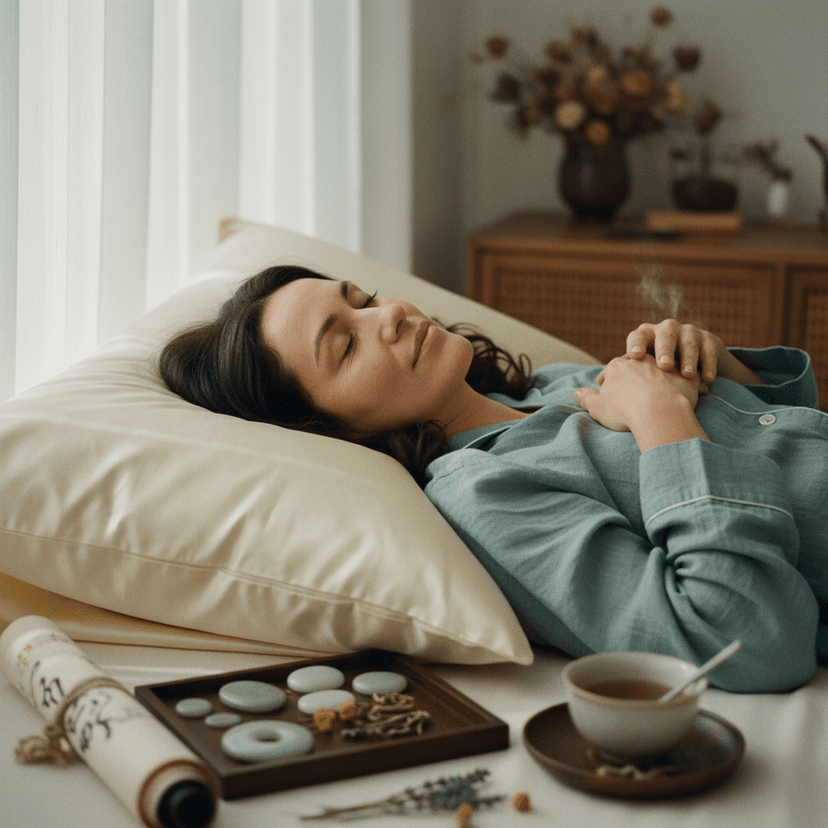
After years of wrestling with those sleepless nights, I started integrating these insights. I learned about the importance of an evening routine that actually nourishes my Heart Yin, rather than just distracting me. I paid attention to how certain foods made me feel—not just in my gut, but in my mood and energy. I found a local community class for Qigong, a gentle movement practice that felt like a moving meditation—and not once did anyone tell me to just relax.
My journey with TCM isn’t about replacing my Western doctor; it's about adding a profound layer of understanding to my overall well-being. It’s about recognizing that what we feel in our minds has roots and echoes throughout our entire physical existence. And it requires immense patience—not an easy thing to cultivate when your mind is racing, believe me.
For anyone feeling overwhelmed by chronic stress or anxiety, consider exploring the world of TCM. Look for a qualified practitioner in your area, someone who can help you understand your unique pattern of disharmony. It’s a journey, not a destination—but one that promises a deeper, more sustainable kind of calm. Start small, maybe by incorporating a simple herb like Suan Zao Ren into your evening tea routine for a week. Pay attention to how your body responds.
Please remember, I’m a contributing writer at Demisunshine, not a licensed practitioner, clinician, or physician. My insights come from years of reading clinical literature and observing these traditions, not from professional practice. Always consult qualified practitioners for medical decisions tailored to your specific health needs.
References
- Wang Q, Wang D, Lv Y, Li Q. Traditional Chinese Medicine in the Management of Anxiety Disorders: A Narrative Review.
- Camorim DNC, et al. Acupuncture and electroacupuncture for anxiety disorders: A systematic review of the clinical research.
- Wang T, et al. Medicinal herbs for the treatment of anxiety: A systematic review and network meta-analysis.
- Kim Y, et al. Acupuncture for Anxiety: A Systematic Review and Meta-Analysis of Randomized Controlled Trials.
- 鲍晓虹等,《中国实验方剂学杂志》 (Bao Xiaohong et al., Chinese Journal of Experimental Traditional Medical Formulae)
- 《神农本草经》 (Shennong Ben Cao Jing)
- 《本草纲目》 (Bencao Gangmu)