
大枣 · Da Zao
Fructus Jujube
Discover Da Zao (Jujube), the cherished Chinese date, renowned in TCM for nourishing vitality and calming the spirit. Dr. Maya Chen explores its ancient uses and modern scientific validation for digestion, sleep, and overall well-being.
3-12 dates; Powder: 10-30g; Tincture: 2-4ml
For a simple tea, steep 3-10 dried Da Zao dates (sliced or whole, pits removed if desired) in 2-3 cups of hot water for 15-20 minutes. For a more potent decoction, gently simmer 5-12 dates in 4 cups of water for 30-45 minutes until the liquid reduces. Drink 1-2 times daily.
Da Zao powder can be incorporated into smoothies, porridges, or mixed with warm water. A typical dosage ranges from 10 to 30 grams per day, divided into 2-3 doses. Start with a lower dose to assess tolerance.
When using a Da Zao tincture, follow the manufacturer's specific instructions, as concentrations vary. A general dosage might be 2-4 ml, 2-3 times daily. Dilute in a small amount of water before consuming.
For a simple tea, steep 3-10 dried Da Zao dates (sliced or whole, pits removed if desired) in 2-3 cups of hot water for 15-20 minutes. For a more potent decoction, gently simmer 5-12 dates in 4 cups of water for 30-45 minutes until the liquid reduces. Drink 1-2 times daily.
Da Zao powder can be incorporated into smoothies, porridges, or mixed with warm water. A typical dosage ranges from 10 to 30 grams per day, divided into 2-3 doses. Start with a lower dose to assess tolerance.
When using a Da Zao tincture, follow the manufacturer's specific instructions, as concentrations vary. A general dosage might be 2-4 ml, 2-3 times daily. Dilute in a small amount of water before consuming.
Preliminary clinical and animal studies suggest Da Zao (Jujube) possesses a range of pharmacological activities, including neuroprotection, anti-inflammatory, antioxidant, and potential cardiovascular benefits. Human trials have shown efficacy in improving chronic idiopathic constipation. Further robust human research is needed to fully characterize its mechanisms and clinical applications.
Preliminary — In vitro / animal studies
Preliminary clinical and animal studies suggest Da Zao (Jujube) possesses a range of pharmacological activities, including neuroprotection, anti-inflammatory, antioxidant, and potential cardiovascular benefits. Human trials have shown efficacy in improving chronic idiopathic constipation. Further robust human research is needed to fully characterize its mechanisms and clinical applications.
Preliminary — In vitro / animal studies
Insufficient Data
Insufficient Data
Picture a bustling Chinese kitchen, steam rising from simmering pots, and almost invariably, you'll spot them: small, wrinkled, reddish-brown fruits, quietly imparting their gentle sweetness and profound benefits. These are Da Zao, a herb so fundamental to Traditional Chinese Medicine (TCM) that it's often referred to simply as the “Chinese date.” For millennia, this unassuming fruit has been a cornerstone of both culinary and medicinal practices, cherished for its ability to nourish the body and calm the spirit.
I’ve spent 15 years helping patients like you understand how the wisdom encoded in these ancient practices translates into modern wellness. And Da Zao is a perfect example of this bridge. Da Zao (Fructus Jujube), also known as Jujube, Jujube Berry, or Chinese Date, is a fruit-bearing plant used extensively in Traditional Chinese Medicine for its nourishing and harmonizing properties. It's not just a sweet treat; it’s a powerful, yet gentle, ally for your health.
Even the ancient text, 《神农本草经》 (The Divine Farmer’s Materia Medica), recognized its profound impact, stating that Da Zao “主心腹邪气,安中养脾,助十二经” – meaning it supports the vital organs, calms the center, nourishes the Spleen, and aids the twelve meridians. This foundational understanding continues to guide our use of Da Zao today, enhanced by what we're learning through contemporary science.
In the intricate world of TCM, every herb has a unique energetic signature. Da Zao is categorized as Warm (Neutral) in nature and predominantly Sweet in flavor. Think of its warmth not as a fiery heat, but as a gentle, comforting embrace for your internal systems. This mild warmth helps to promote smooth bodily functions without causing excess heat, making it a well-tolerated herb for many.
Its sweet flavor is deeply connected to its ability to nourish and harmonize. In TCM, sweet herbs often target the Spleen and Stomach meridians. These two organ systems are considered the root of our postnatal Qi (vital energy) and Blood production. When your Spleen and Stomach are strong, you're able to efficiently digest food, absorb nutrients, and transform them into the vital energy that fuels your entire body.
Da Zao literally tonifies the Spleen and Stomach and augments Qi, meaning it helps to build up your foundational energy.
Beyond its digestive support, Da Zao is cherished for its capacity to nourish the Blood and calm the Spirit (Shen). In TCM, a well-nourished Blood provides a stable anchor for the Spirit, preventing restlessness, anxiety, and insomnia. I once had a patient, a young professional named Sarah, who came to me with chronic fatigue and mild anxiety. Her pulse was thready, her tongue pale – classic signs of Qi and Blood deficiency.
Adding Da Zao to her herbal formula and suggesting it in her morning congee was a simple yet profound step. Within weeks, she reported feeling more grounded, less anxious, and her energy levels slowly climbing. It's this holistic impact that truly sets Da Zao apart.
Perhaps one of its most unique and valuable actions is its ability to moderate and harmonize the harsh properties of other herbs. In complex herbal formulas, some herbs can be quite strong or even irritating. Da Zao acts as a gentle buffer, blending the different energies of the formula, making it more palatable and digestible for the body. This is why you'll often find it in a wide array of TCM prescriptions, a quiet hero ensuring synergy.
Do you often feel a heavy, tired sensation after meals, or experience occasional bloating? In TCM, these are often signs that your Spleen and Stomach Qi need support. Da Zao, by tonifying the Spleen and Stomach, helps to improve your body's ability to transform food into energy and transport nutrients effectively. This translates to better overall vitality and less post-meal sluggishness. From a Western perspective, this action aligns with supporting gut integrity and optimizing nutrient absorption.
Beyond general digestive support, Da Zao has also been studied for specific gastrointestinal issues. A controlled clinical trial published in 2008 by Naftali, Feingelernt, Lesin, Rauchwarger, and Konikoff found that Ziziphus jujuba extract was helpful for individuals experiencing chronic idiopathic constipation. This suggests that its traditional role in 'harmonizing the middle burner' can have tangible, evidence-backed effects on bowel regularity.
Many of my patients struggle with the pervasive effects of stress and anxiety, leading to restless nights and a racing mind. In TCM, this often points to a deficiency in Heart Blood or an unsettled Spirit (Shen). Da Zao helps by nourishing the Blood and calming the Spirit, creating a more stable and peaceful internal environment. It’s like gently tucking your restless mind into bed.
Modern pharmacological studies are beginning to corroborate this ancient wisdom. As noted in a 2024 literature review by Chen and Tsim, jujube contains active components that may possess anxiety-reducing and sedative properties. These compounds, such as jujubosides and flavonoids, are thought to interact with neurotransmitter systems, promoting relaxation and aiding in sleep. While the seed (Suan Zao Ren) is more potent for insomnia, the fruit itself still offers significant calming effects.
In the modern world, we're constantly exposed to environmental stressors that can impact our cells and immune system. Da Zao, through its Qi-augmenting and nourishing actions, helps build the body's resilience. From a functional medicine perspective, this translates to bolstering our natural defense mechanisms and protecting against cellular damage.
A systematic review and meta-analysis of rodent studies by Li et al. (2024) specifically highlighted the beneficial effects of jujube fruit extracts on oxidative stress levels. This suggests potent antioxidant properties, which are crucial for cellular health and reducing inflammation throughout the body. Furthermore, Chinese research by Zhang Tingting et al. (2024) explored jujube polysaccharides, finding them to have immunomodulatory activity, with purified components significantly enhancing macrophage phagocytosis – a key aspect of our innate immune response.
This points to Da Zao’s ability to support our immune system on a fundamental level.
The scientific community is increasingly turning its attention to Ziziphus jujuba, seeking to understand the molecular mechanisms behind its long-held traditional uses. The insights we're gaining are fascinating, confirming what practitioners have observed for centuries. Researchers at institutions like the NIH's National Center for Complementary and Integrative Health (NCCIH) are exploring similar natural compounds, seeking to bridge these gaps.
A comprehensive literature review by Chen and Tsim (2024) underscored the diverse pharmacological activities of jujube's numerous active components. This review, spanning over two decades of research, highlighted potential roles in neuroprotection, prevention and treatment of cardiovascular diseases, auxiliary anticancer effects, anti-inflammatory actions, and hepatoprotection. This broad spectrum of benefits points to Da Zao's complex phytochemistry and its potential as a multi-target therapeutic.
Specific compounds within Da Zao are drawing significant interest. For instance, Chinese researchers Zhu Minjie et al. (2025) have been investigating jujube polysaccharides, particularly acidic polysaccharides-2 and -3. Their findings suggest these compounds can regulate gut microbiota, potentially improving glucose and lipid metabolism. This aligns beautifully with Da Zao's TCM role in supporting the Spleen and Stomach, which are intimately linked to metabolic health.
Further studies delve into the quality and potency of Da Zao from different regions. Dai Qi et al. (2023) published research in China Drug Evaluation, revealing that Xinjiang 'Grey Date' (Huizao) boasts a total flavonoid content of 12.83mg/g, significantly higher than other regions. They also noted that Xinjiang dates had 37% higher cyclic nucleotide content compared to Shandong dates, suggesting geographical variations can impact the herb's biochemical profile and, consequently, its therapeutic efficacy.
This kind of detailed analysis helps us appreciate the nuances of sourcing and quality in herbal medicine.
One of Da Zao’s greatest strengths is its versatility and palatable nature. Unlike some other potent herbs, it’s a delight to consume, making it easy to integrate into your daily life. Remember, the general dosage for dried dates is 3-12 dates; for powder, 10-30g; and for tincture, 2-4ml.
As a Snack: The simplest way to enjoy Da Zao is to eat the dried fruits directly. They're naturally sweet and chewy, making for a healthier alternative to processed snacks. Aim for 3-5 dates per day, especially mid-morning or mid-afternoon to gently boost energy.
Herbal Tea/Infusion: To make a soothing Da Zao tea, take 5-10 dried dates, slice them to expose more surface area, and steep them in hot water for about 15-20 minutes. You can enjoy this warm, calming brew daily, particularly in the evening to support restful sleep. For a stronger decoction, simmer the dates in water for 30-45 minutes.
In Soups & Porridges: Da Zao is a common ingredient in traditional Chinese soups and congees (rice porridge). Add 5-10 dates to your favorite chicken or vegetable soup recipe during the simmering process. They impart a subtle sweetness and their nourishing properties into the broth. In a morning congee, they provide gentle digestive support to start your day.
Powder Form: If you're using Da Zao powder, you can mix 10-30 grams into smoothies, yogurt, or warm water. This is a convenient way to get a concentrated dose, especially if you find eating whole dates less appealing.
Tincture: For tinctures, always follow the specific dosing instructions on the product label, typically 2-4 ml, 2-3 times daily, diluted in a small amount of water.
While Da Zao is generally considered a gentle and nourishing herb, it is crucial to understand that it is not suitable for everyone. As an integrative physician, I always emphasize that even natural remedies have specific contraindications. Ignoring these can exacerbate existing conditions rather than help them. This is not a comprehensive list, and consultation with a qualified healthcare practitioner is always advised.
Da Zao is contraindicated for individuals with heat from excess, as its warm nature could worsen symptoms like fever, flushed face, or severe thirst. Similarly, it should be avoided in cases of damp-heat, phlegm-heat, or summerheat-dampness. Its sweet and nourishing qualities can contribute to dampness, making it unsuitable for conditions characterized by sticky phlegm, a greasy tongue coating, or symptoms of excessive internal dampness.
If you experience epigastric distention, jaundice, stomach pain, or abdominal pain from clumping, Da Zao is not recommended, as it can potentially aggravate these digestive issues. It is also contraindicated for qi stagnation, where its nourishing properties might hinder the smooth flow of Qi. Individuals with intestinal parasites or damp-phlegm conditions should also steer clear.
Furthermore, Da Zao is contraindicated for children, postpartum conditions, and dental diseases. Its sweetness can be problematic for dental health, and its rich, sometimes cloying nature may not be ideal for the delicate digestive systems of young children or for women in the immediate postpartum period, where different types of balance are required.
While specific, well-documented drug interactions are limited for Da Zao, its potential sedative and anxiolytic properties (as suggested by the research summary) mean it could theoretically potentiate the effects of central nervous system depressants, including some antidepressants, anxiolytics, or seizure medications. Always discuss any herbal supplements, including Da Zao, with your prescribing physician to avoid potential interactions.
For pregnant or nursing individuals, comprehensive safety data on Da Zao is not robust enough to provide an unequivocal green light. Given its nuanced actions and the sensitive nature of these life stages, it is essential to consult with a qualified healthcare provider before consuming Da Zao in medicinal quantities. General caution is always recommended with any herbal remedies during pregnancy and lactation.
Da Zao, the humble Chinese date, stands as a testament to the enduring wisdom of Traditional Chinese Medicine. Its presence in our kitchens and pharmacies for millennia isn't just cultural tradition; it's a reflection of its profound ability to support our bodies in fundamental ways. As modern science continues to unravel the intricate mechanisms behind its nourishing and harmonizing effects, we gain a deeper appreciation for this sweet, powerful fruit.
I find immense satisfaction in witnessing my patients connect with these ancient practices, understanding their bodies through a holistic lens that respects both tradition and evidence. Da Zao offers us a delicious and accessible pathway to bolstering our digestive strength, calming our minds, and supporting our overall vitality. It reminds us that sometimes, the most potent medicine comes in the most unassuming, naturally sweet packages.
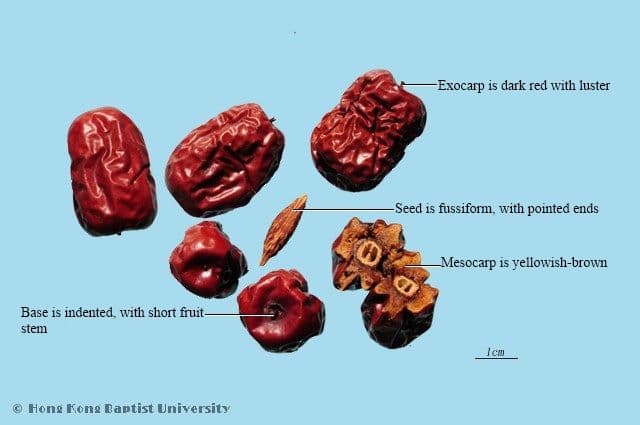
Picture a bustling Chinese kitchen, steam rising from simmering pots, and almost invariably, you'll spot them: small, wrinkled, reddish-brown fruits, quietly imparting their gentle sweetness and profound benefits. These are Da Zao, a herb so fundamental to Traditional Chinese Medicine (TCM) that it's often referred to simply as the “Chinese date.” For millennia, this unassuming fruit has been a cornerstone of both culinary and medicinal practices, cherished for its ability to nourish the body and calm the spirit.
I’ve spent 15 years helping patients like you understand how the wisdom encoded in these ancient practices translates into modern wellness. And Da Zao is a perfect example of this bridge. Da Zao (Fructus Jujube), also known as Jujube, Jujube Berry, or Chinese Date, is a fruit-bearing plant used extensively in Traditional Chinese Medicine for its nourishing and harmonizing properties. It's not just a sweet treat; it’s a powerful, yet gentle, ally for your health.
Even the ancient text, 《神农本草经》 (The Divine Farmer’s Materia Medica), recognized its profound impact, stating that Da Zao “主心腹邪气,安中养脾,助十二经” – meaning it supports the vital organs, calms the center, nourishes the Spleen, and aids the twelve meridians. This foundational understanding continues to guide our use of Da Zao today, enhanced by what we're learning through contemporary science.
In the intricate world of TCM, every herb has a unique energetic signature. Da Zao is categorized as Warm (Neutral) in nature and predominantly Sweet in flavor. Think of its warmth not as a fiery heat, but as a gentle, comforting embrace for your internal systems. This mild warmth helps to promote smooth bodily functions without causing excess heat, making it a well-tolerated herb for many.
Its sweet flavor is deeply connected to its ability to nourish and harmonize. In TCM, sweet herbs often target the Spleen and Stomach meridians. These two organ systems are considered the root of our postnatal Qi (vital energy) and Blood production. When your Spleen and Stomach are strong, you're able to efficiently digest food, absorb nutrients, and transform them into the vital energy that fuels your entire body.
Da Zao literally tonifies the Spleen and Stomach and augments Qi, meaning it helps to build up your foundational energy.
Beyond its digestive support, Da Zao is cherished for its capacity to nourish the Blood and calm the Spirit (Shen). In TCM, a well-nourished Blood provides a stable anchor for the Spirit, preventing restlessness, anxiety, and insomnia. I once had a patient, a young professional named Sarah, who came to me with chronic fatigue and mild anxiety. Her pulse was thready, her tongue pale – classic signs of Qi and Blood deficiency.
Adding Da Zao to her herbal formula and suggesting it in her morning congee was a simple yet profound step. Within weeks, she reported feeling more grounded, less anxious, and her energy levels slowly climbing. It's this holistic impact that truly sets Da Zao apart.
Perhaps one of its most unique and valuable actions is its ability to moderate and harmonize the harsh properties of other herbs. In complex herbal formulas, some herbs can be quite strong or even irritating. Da Zao acts as a gentle buffer, blending the different energies of the formula, making it more palatable and digestible for the body. This is why you'll often find it in a wide array of TCM prescriptions, a quiet hero ensuring synergy.
Do you often feel a heavy, tired sensation after meals, or experience occasional bloating? In TCM, these are often signs that your Spleen and Stomach Qi need support. Da Zao, by tonifying the Spleen and Stomach, helps to improve your body's ability to transform food into energy and transport nutrients effectively. This translates to better overall vitality and less post-meal sluggishness. From a Western perspective, this action aligns with supporting gut integrity and optimizing nutrient absorption.
Beyond general digestive support, Da Zao has also been studied for specific gastrointestinal issues. A controlled clinical trial published in 2008 by Naftali, Feingelernt, Lesin, Rauchwarger, and Konikoff found that Ziziphus jujuba extract was helpful for individuals experiencing chronic idiopathic constipation. This suggests that its traditional role in 'harmonizing the middle burner' can have tangible, evidence-backed effects on bowel regularity.
Many of my patients struggle with the pervasive effects of stress and anxiety, leading to restless nights and a racing mind. In TCM, this often points to a deficiency in Heart Blood or an unsettled Spirit (Shen). Da Zao helps by nourishing the Blood and calming the Spirit, creating a more stable and peaceful internal environment. It’s like gently tucking your restless mind into bed.
Modern pharmacological studies are beginning to corroborate this ancient wisdom. As noted in a 2024 literature review by Chen and Tsim, jujube contains active components that may possess anxiety-reducing and sedative properties. These compounds, such as jujubosides and flavonoids, are thought to interact with neurotransmitter systems, promoting relaxation and aiding in sleep. While the seed (Suan Zao Ren) is more potent for insomnia, the fruit itself still offers significant calming effects.
In the modern world, we're constantly exposed to environmental stressors that can impact our cells and immune system. Da Zao, through its Qi-augmenting and nourishing actions, helps build the body's resilience. From a functional medicine perspective, this translates to bolstering our natural defense mechanisms and protecting against cellular damage.
A systematic review and meta-analysis of rodent studies by Li et al. (2024) specifically highlighted the beneficial effects of jujube fruit extracts on oxidative stress levels. This suggests potent antioxidant properties, which are crucial for cellular health and reducing inflammation throughout the body. Furthermore, Chinese research by Zhang Tingting et al. (2024) explored jujube polysaccharides, finding them to have immunomodulatory activity, with purified components significantly enhancing macrophage phagocytosis – a key aspect of our innate immune response.
This points to Da Zao’s ability to support our immune system on a fundamental level.
The scientific community is increasingly turning its attention to Ziziphus jujuba, seeking to understand the molecular mechanisms behind its long-held traditional uses. The insights we're gaining are fascinating, confirming what practitioners have observed for centuries. Researchers at institutions like the NIH's National Center for Complementary and Integrative Health (NCCIH) are exploring similar natural compounds, seeking to bridge these gaps.
A comprehensive literature review by Chen and Tsim (2024) underscored the diverse pharmacological activities of jujube's numerous active components. This review, spanning over two decades of research, highlighted potential roles in neuroprotection, prevention and treatment of cardiovascular diseases, auxiliary anticancer effects, anti-inflammatory actions, and hepatoprotection. This broad spectrum of benefits points to Da Zao's complex phytochemistry and its potential as a multi-target therapeutic.
Specific compounds within Da Zao are drawing significant interest. For instance, Chinese researchers Zhu Minjie et al. (2025) have been investigating jujube polysaccharides, particularly acidic polysaccharides-2 and -3. Their findings suggest these compounds can regulate gut microbiota, potentially improving glucose and lipid metabolism. This aligns beautifully with Da Zao's TCM role in supporting the Spleen and Stomach, which are intimately linked to metabolic health.
Further studies delve into the quality and potency of Da Zao from different regions. Dai Qi et al. (2023) published research in China Drug Evaluation, revealing that Xinjiang 'Grey Date' (Huizao) boasts a total flavonoid content of 12.83mg/g, significantly higher than other regions. They also noted that Xinjiang dates had 37% higher cyclic nucleotide content compared to Shandong dates, suggesting geographical variations can impact the herb's biochemical profile and, consequently, its therapeutic efficacy.
This kind of detailed analysis helps us appreciate the nuances of sourcing and quality in herbal medicine.
One of Da Zao’s greatest strengths is its versatility and palatable nature. Unlike some other potent herbs, it’s a delight to consume, making it easy to integrate into your daily life. Remember, the general dosage for dried dates is 3-12 dates; for powder, 10-30g; and for tincture, 2-4ml.
As a Snack: The simplest way to enjoy Da Zao is to eat the dried fruits directly. They're naturally sweet and chewy, making for a healthier alternative to processed snacks. Aim for 3-5 dates per day, especially mid-morning or mid-afternoon to gently boost energy.
Herbal Tea/Infusion: To make a soothing Da Zao tea, take 5-10 dried dates, slice them to expose more surface area, and steep them in hot water for about 15-20 minutes. You can enjoy this warm, calming brew daily, particularly in the evening to support restful sleep. For a stronger decoction, simmer the dates in water for 30-45 minutes.
In Soups & Porridges: Da Zao is a common ingredient in traditional Chinese soups and congees (rice porridge). Add 5-10 dates to your favorite chicken or vegetable soup recipe during the simmering process. They impart a subtle sweetness and their nourishing properties into the broth. In a morning congee, they provide gentle digestive support to start your day.
Powder Form: If you're using Da Zao powder, you can mix 10-30 grams into smoothies, yogurt, or warm water. This is a convenient way to get a concentrated dose, especially if you find eating whole dates less appealing.
Tincture: For tinctures, always follow the specific dosing instructions on the product label, typically 2-4 ml, 2-3 times daily, diluted in a small amount of water.
While Da Zao is generally considered a gentle and nourishing herb, it is crucial to understand that it is not suitable for everyone. As an integrative physician, I always emphasize that even natural remedies have specific contraindications. Ignoring these can exacerbate existing conditions rather than help them. This is not a comprehensive list, and consultation with a qualified healthcare practitioner is always advised.
Da Zao is contraindicated for individuals with heat from excess, as its warm nature could worsen symptoms like fever, flushed face, or severe thirst. Similarly, it should be avoided in cases of damp-heat, phlegm-heat, or summerheat-dampness. Its sweet and nourishing qualities can contribute to dampness, making it unsuitable for conditions characterized by sticky phlegm, a greasy tongue coating, or symptoms of excessive internal dampness.
If you experience epigastric distention, jaundice, stomach pain, or abdominal pain from clumping, Da Zao is not recommended, as it can potentially aggravate these digestive issues. It is also contraindicated for qi stagnation, where its nourishing properties might hinder the smooth flow of Qi. Individuals with intestinal parasites or damp-phlegm conditions should also steer clear.
Furthermore, Da Zao is contraindicated for children, postpartum conditions, and dental diseases. Its sweetness can be problematic for dental health, and its rich, sometimes cloying nature may not be ideal for the delicate digestive systems of young children or for women in the immediate postpartum period, where different types of balance are required.
While specific, well-documented drug interactions are limited for Da Zao, its potential sedative and anxiolytic properties (as suggested by the research summary) mean it could theoretically potentiate the effects of central nervous system depressants, including some antidepressants, anxiolytics, or seizure medications. Always discuss any herbal supplements, including Da Zao, with your prescribing physician to avoid potential interactions.
For pregnant or nursing individuals, comprehensive safety data on Da Zao is not robust enough to provide an unequivocal green light. Given its nuanced actions and the sensitive nature of these life stages, it is essential to consult with a qualified healthcare provider before consuming Da Zao in medicinal quantities. General caution is always recommended with any herbal remedies during pregnancy and lactation.
Da Zao, the humble Chinese date, stands as a testament to the enduring wisdom of Traditional Chinese Medicine. Its presence in our kitchens and pharmacies for millennia isn't just cultural tradition; it's a reflection of its profound ability to support our bodies in fundamental ways. As modern science continues to unravel the intricate mechanisms behind its nourishing and harmonizing effects, we gain a deeper appreciation for this sweet, powerful fruit.
I find immense satisfaction in witnessing my patients connect with these ancient practices, understanding their bodies through a holistic lens that respects both tradition and evidence. Da Zao offers us a delicious and accessible pathway to bolstering our digestive strength, calming our minds, and supporting our overall vitality. It reminds us that sometimes, the most potent medicine comes in the most unassuming, naturally sweet packages.
This information is for educational purposes only and is not intended as medical advice. Always consult a qualified healthcare practitioner before using any herbal remedy.