茯苓 · Fu Ling
Poria; Sclerotum Poriae Cocos
Discover Fu Ling (Poria cocos), an ancient TCM herb gaining scientific validation for its diverse health benefits, from balancing blood sugar to supporting liver health and calming the mind, connecting millennia of traditional use with modern research.
9-18g; Tincture: 2-4ml; Facial edema: up to 60g
Simmer 9-18g of dried Fu Ling slices in 2-3 cups of water for 20-30 minutes. Strain and drink the liquid throughout the day. For facial edema, a practitioner might recommend up to 60g.
Mix 3-9g of fine Fu Ling powder into warm water, smoothies, yogurt, or oatmeal once or twice daily. Ensure the powder is from a reputable source for purity.
Follow product-specific instructions, typically 2-4ml (approximately 40-80 drops) taken 1-3 times daily, diluted in a small amount of water.
Take as directed on the product label, usually 1-2 capsules, 2-3 times daily, depending on the concentration of the extract. Always check the standardized extract amount.
Simmer 9-18g of dried Fu Ling slices in 2-3 cups of water for 20-30 minutes. Strain and drink the liquid throughout the day. For facial edema, a practitioner might recommend up to 60g.
Mix 3-9g of fine Fu Ling powder into warm water, smoothies, yogurt, or oatmeal once or twice daily. Ensure the powder is from a reputable source for purity.
Follow product-specific instructions, typically 2-4ml (approximately 40-80 drops) taken 1-3 times daily, diluted in a small amount of water.
Take as directed on the product label, usually 1-2 capsules, 2-3 times daily, depending on the concentration of the extract. Always check the standardized extract amount.
The scientific community is increasingly recognizing the potential of Poria cocos. Recent meta-analyses and systematic reviews highlight its efficacy in managing type 2 diabetes when combined with conventional hypoglycaemic agents, and its protective effects on the liver. Research continues to explore its diverse pharmacological properties, from anti-inflammatory to antioxidant effects.
Moderate — Some clinical studies
The scientific community is increasingly recognizing the potential of Poria cocos. Recent meta-analyses and systematic reviews highlight its efficacy in managing type 2 diabetes when combined with conventional hypoglycaemic agents, and its protective effects on the liver. Research continues to explore its diverse pharmacological properties, from anti-inflammatory to antioxidant effects.
Moderate — Some clinical studies
Concurrent use may increase water and/or electrolyte elimination
In combination, reduced ethanol-induced memory impairment in-vitro; ameliorated scopolamine-induced deficits
Insufficient Data
Concurrent use may increase water and/or electrolyte elimination
In combination, reduced ethanol-induced memory impairment in-vitro; ameliorated scopolamine-induced deficits
Insufficient Data
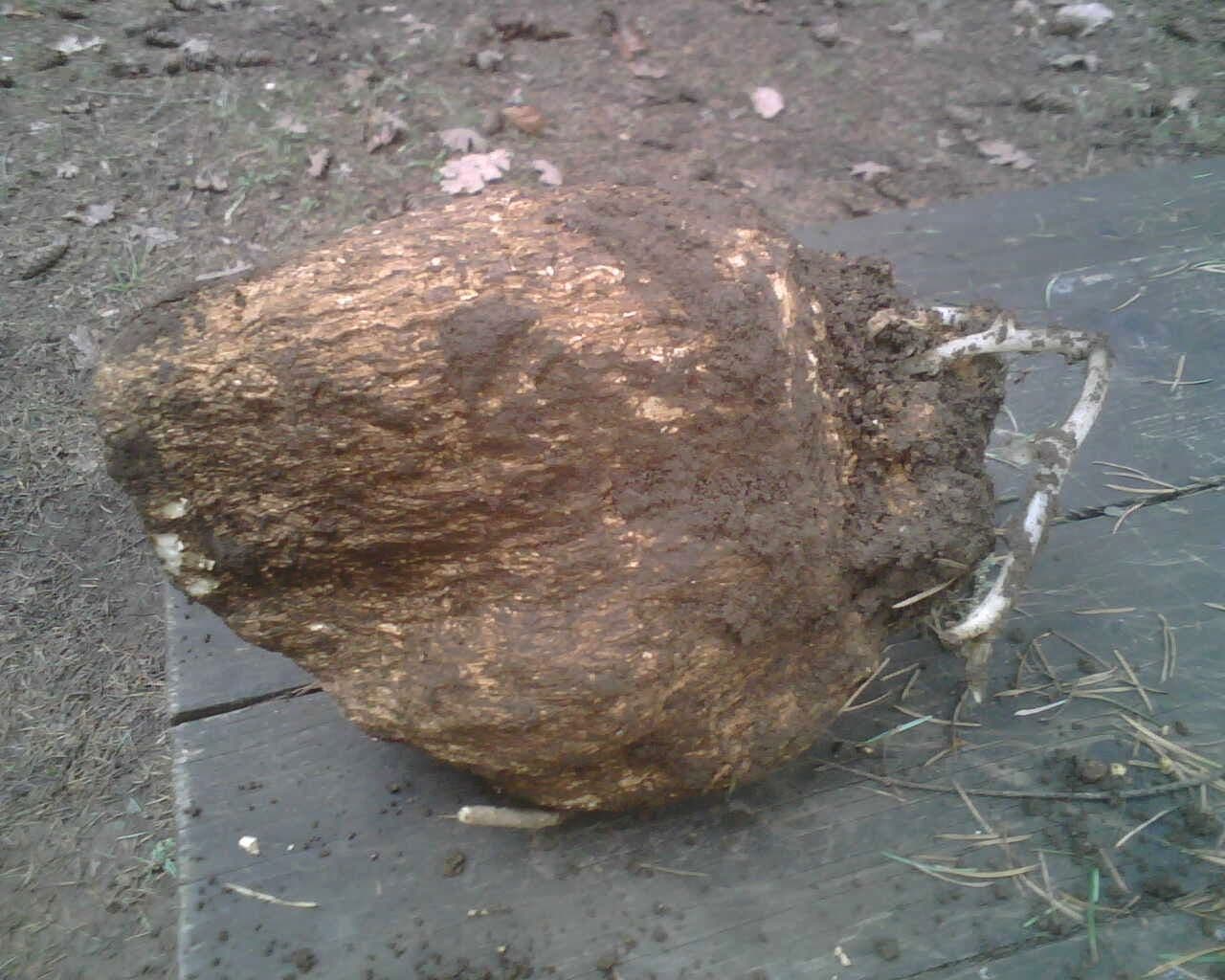
Imagine walking through an ancient pine forest, the air thick with the scent of pine needles and damp earth. Beneath the surface, hidden amongst the roots of old trees, lies a humble yet powerful treasure: a fungus that has been revered in Traditional Chinese Medicine for millennia. This isn't just any fungus; it's Fu Ling, a fascinating organism with a story as deep as the roots it grows on.
For centuries, it has been a cornerstone of healing, quietly working to restore balance and vitality within the body.
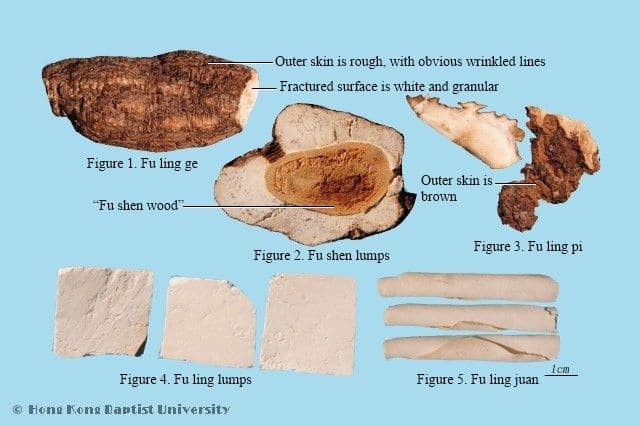
However, here in the West, there’s often a point of confusion I address with my patients. Many hear the name 'Tuckahoe' and mistakenly think of an edible fern native to North America. Let me be clear: the 'Tuckahoe' we're discussing today, Fu Ling (Poria; Sclerotum Poriae Cocos), also known as Hoelen or China-Root, is a subterranean fungus that grows on pine tree roots. It is a distinct species with a unique set of therapeutic properties.
This remarkable fungus is a foundational herb in TCM, primarily used for promoting urination and leaching Dampness, strengthening the Spleen, transforming Phlegm, and quieting the Heart to calm the Spirit.
In my 15 years of practice, I've seen Fu Ling's gentle yet profound impact on countless patients, bridging the wisdom of ancient texts like the 《神农本草经》, which lists it as a 'superior herb' for 'calming the soul, nurturing the spirit, warding off hunger, and prolonging life,' with the validation of modern scientific inquiry.
From a Traditional Chinese Medicine perspective, Fu Ling is a true balancer. Its nature is described as Neutral, meaning it doesn't push the body towards extreme heat or cold, making it suitable for a wide range of constitutions. Its Sweet and Bland flavors are key: 'Sweet' herbs tend to nourish and harmonize, while 'Bland' herbs gently promote urination and leach out excess fluid, a concept we call 'Dampness.'
Fu Ling enters a remarkable number of Meridians: the Heart, Spleen, Kidney, Lung, Bladder, and Stomach. This broad reach highlights its systemic impact, touching upon digestion, fluid metabolism, mental clarity, and even respiratory health. In TCM, the Spleen is pivotal; it’s responsible for transforming food into usable energy (Qi) and managing the body’s fluids. When the Spleen is weak, 'Dampness' can accumulate, leading to symptoms like bloating, fatigue, brain fog, and a feeling of heaviness.
Fu Ling is a champion at gently resolving this Dampness, allowing the Spleen to function optimally.
I recall a patient, Sarah, a busy executive in her late 30s. She complained of persistent fatigue, a feeling of sluggishness, and swelling in her ankles, especially by evening. Her digestion was always 'off,' she said, with frequent loose stools. In Western terms, we might consider mild edema and irritable bowel symptoms. Through a TCM lens, I diagnosed Spleen Qi Deficiency with Dampness. I prescribed a formula containing Fu Ling.
Within a few weeks, Sarah reported feeling lighter, her energy improved, her digestion stabilized, and the ankle swelling subsided. Her experience perfectly illustrates Fu Ling's unique role in enhancing the Spleen's function and resolving fluid imbalances. The 《本草纲目》 succinctly captures this, stating Fu Ling 'seeps dampness, benefits water, strengthens the Spleen and harmonizes the Stomach, calms the Heart and settles the Spirit.
Furthermore, Fu Ling's ability to 'transform Phlegm' is crucial. In TCM, Phlegm isn't just mucus; it's a broader concept encompassing any thick, turbid fluid or metabolic waste that obstructs the body's channels. This can manifest physically as cysts, lumps, or mentally as fogginess and emotional stagnation. By clearing Dampness and transforming Phlegm, Fu Ling helps create a clearer, more harmonious internal environment.
My passion lies in helping patients understand how these ancient concepts map onto modern health science. Fu Ling offers a multifaceted approach to well-being, with several key benefits that resonate with contemporary health concerns.
Many of us experience fluid retention, whether it's occasional bloating, swollen ankles after a long day, or feeling 'puffy.' In TCM, this is often attributed to excess Dampness. Fu Ling's primary action is to 'promote urination and leach Dampness.' It acts as a gentle diuretic, helping the body eliminate excess water without causing dehydration or electrolyte imbalance, unlike some conventional diuretics.
This is why it's a go-to herb for conditions like edema, scanty urination, or a feeling of heaviness in the limbs. Its effectiveness in this area has been observed for millennia and continues to be a core application.
As I explained earlier, Fu Ling is a vital herb for strengthening the Spleen and harmonizing the Middle Jiao (the digestive center). When your Spleen Qi is robust, your digestion is efficient, and your body can extract more energy from food, leading to sustained vitality and less fatigue. This action helps alleviate symptoms like poor appetite, loose stools, and general sluggishness.
By transforming 'Phlegm,' it also prevents the accumulation of metabolic byproducts that can hinder digestive function and overall energy production. Researchers are now exploring how its polysaccharides may positively influence gut microbiota, offering a modern explanation for its traditional digestive benefits.
In a world of constant stimulation, finding inner calm can be a challenge. Fu Ling is celebrated in TCM for its ability to 'quiet the Heart, calm the Spirit, and soothe nerves.' It's a gentle ally for those experiencing restlessness, anxiety, or difficulty sleeping, especially when these symptoms are accompanied by a feeling of 'Damp-Phlegm' accumulation, manifesting as a foggy mind or heavy sensations.
This traditional calming effect is so significant that a specific part of the fungus, Fu Shen (the part growing around pine roots), is particularly used for its potent anxiolytic and sedative properties. While the precise molecular mechanisms are still being elucidated, active compounds like pachymic acid and triterpenoids are thought to contribute to its neuroprotective and calming actions.
This is where modern research truly shines a light on Fu Ling's broader potential. A significant 2022 systematic review and meta-analysis published in PLoS One, conducted by researchers at The China-Australia International Research Centre for Chinese Medicine at RMIT University, examined 73 randomized controlled trials involving 6,489 participants. They found that herbal formulae containing Poria cocos, when added to conventional hypoglycaemic agents, significantly reduced fasting blood glucose (MD -0.82), 2-hour postprandial blood glucose (MD -1.
15), and hemoglobin A1c (MD -0.64) in people with type 2 diabetes mellitus. Crucially, the integrative group experienced lower adverse events. This suggests Fu Ling, as part of a comprehensive approach, could be a valuable adjunct for blood sugar management.
Our livers work tirelessly, and supporting their function is paramount. A 2024 study published in Aging (Albany NY) investigated the effects of Poria cocos polysaccharides (PCP) on alcoholic liver disease (ALD) in rats. The findings were compelling: PCP significantly reduced liver function and blood lipid levels, decreased lipid deposition, enhanced Nrf2 signaling (a key antioxidant pathway), regulated oxidative stress, and inhibited inflammatory pathways, suggesting interference with ferroptosis.
While this was an animal study, it offers exciting insights into Fu Ling's potential as a liver protectant, connecting to its traditional role in detoxifying and clearing 'Damp-Heat' from the body.
The wealth of traditional knowledge surrounding Fu Ling is steadily being illuminated by modern scientific inquiry. As an integrative physician, I find this convergence incredibly validating. The active compounds in Fu Ling—primarily Pachymic acid, Poria polysaccharides (like pachyman and beta-glucans), and Dehydrotumulosic acid—are at the forefront of this research.
Beyond the impressive diabetes meta-analysis from RMIT University, a comprehensive review published in Phytomedicine Plus in 2025 further solidified Poria cocos's diverse pharmacological effects. This review highlighted its documented use spanning over 2500 years and confirmed its diuretic, liver protective, anti-inflammatory, antitumor, antioxidant, and antidiabetic properties. It specifically noted the discovery of over 120 triterpenoid compounds, alongside polysaccharides, as the key players behind these therapeutic actions.
This kind of extensive review provides a solid foundation, showing that what we've observed anecdotally for centuries holds up to rigorous modern scrutiny.
Chinese research, such as a 2023 study by Li Hong et al. in 中国中药杂志, explored how Poria cocos polysaccharides (PCP) improved ulcerative colitis of the Spleen-deficient and Dampness-constrained type by regulating gut microbiota. This clinical study reported an overall effective rate of 89.2% in 60 participants, offering a glimpse into the sophisticated mechanisms by which Fu Ling impacts digestive health beyond simple fluid regulation. Another study by Wang Jianjun et al.
in 中华中医药学刊 (2022) demonstrated the in vitro inhibitory effect of Poria cocos alcohol extract on HepG2 liver cancer cells, with an IC50 value of 32.6 μg/mL. While these are initial findings, they open avenues for further investigation into its anti-cancer potential, a traditional use that has long been observed in certain contexts.
It's important to differentiate between long-standing traditional use and clinically studied benefits. While Fu Ling has a deep history of anecdotal success, the recent surge in high-quality research from institutions like RMIT University and other major teaching hospitals is providing the robust evidence base that bridges this gap, allowing us to speak with more scientific clarity about its efficacy.
Incorporating Fu Ling into your daily routine can be simple and effective. Its bland, slightly sweet flavor makes it quite palatable, and it’s versatile in preparation. Always aim for high-quality, ethically sourced herbs from reputable suppliers.
This is perhaps the most common way to consume Fu Ling in TCM. For general support, I recommend simmering 9-18 grams of dried Fu Ling slices in 2-3 cups of water for about 20-30 minutes. Strain and drink the liquid throughout the day. For specific conditions like significant facial edema, a qualified practitioner might prescribe a higher dosage, up to 60 grams, often in combination with other herbs.
Fu Ling is readily available as a fine powder. You can mix it into warm water for a simple tea, blend it into smoothies, or stir it into yogurt or oatmeal. The typical dosage here is often lower, around 3-9 grams per day, divided into one or two doses. It integrates well into a daily routine, offering a convenient way to get your herbal support.
For those seeking convenience, standardized tinctures and capsules are excellent options. Tinctures usually recommend a dosage of 2-4 ml once or twice daily, diluted in water. Capsules will have specific dosage instructions on the label, depending on the concentration of the extract. Always read and follow the manufacturer's guidelines, and consult with a practitioner to ensure the right dosage for your individual needs.
While Fu Ling is generally considered gentle and safe, it is a potent medicinal herb, and certain precautions are necessary. My commitment to integrative medicine means prioritizing patient safety above all else. Always consult a qualified healthcare professional before incorporating Fu Ling into your regimen, especially if you have existing health conditions or are taking medications.
Use caution with Yin Deficiency. If you experience symptoms like night sweats, dry mouth, a red tongue with little coating, or a feeling of internal heat, Fu Ling's drying nature may exacerbate these. Similarly, individuals with pronounced Qi Deficiency (marked by extreme fatigue, weak voice, and overall debility) should use it cautiously, as its diuretic action could potentially deplete energy if not balanced with tonifying herbs.
It is also contraindicated in cases of frequent copious urine from Deficiency Cold. If you already urinate frequently and copiously, especially with clear, pale urine and signs of coldness (e.g., cold hands and feet), Fu Ling's diuretic action could worsen this condition. Use caution with spermatorrhea (involuntary seminal emissions) and prolapse of urogenital organs, as its descending and draining actions could potentially exacerbate these conditions.
Fu Ling has known interactions with certain medications. If you are taking diuretics such as chlorothiazide, hydrochlorothiazide, furosemide (Lasix), bumetanide (Bumex), or torsemide (Demadex), concurrent use of Fu Ling may significantly increase water and/or electrolyte elimination. This could lead to electrolyte imbalances or dehydration. Careful monitoring by a physician is essential.
Furthermore, research indicates that in combination, Fu Ling has been shown to reduce ethanol-induced memory impairment in-vitro and ameliorate scopolamine-induced memory registration deficit. This suggests potential interactions with medications affecting cognitive function or the central nervous system, including sedatives or anticholinergic drugs. Always inform your prescribing physician about all herbs and supplements you are taking.
While Fu Ling is generally considered safe during pregnancy in TCM when used appropriately in specific formulas like An Tai Yin (Calming the Fetus Decoction), this is under the strict guidance of a qualified TCM practitioner. For Western medical contexts, it's always best to consult your obstetrician or a physician experienced in botanical medicine before using Fu Ling if you are pregnant or breastfeeding.
The safety data for isolated Poria cocos in pregnancy is not as robust as for its use within traditional formulas.
Fu Ling stands as a testament to the enduring wisdom of Traditional Chinese Medicine. From its humble origins beneath pine roots to its growing recognition in modern scientific laboratories, it offers a powerful example of how ancient remedies can continue to inform and enrich our understanding of health. As we continue to unravel the intricate mechanisms behind its actions, Fu Ling reminds us that balance, harmony, and a deep connection to nature are fundamental pillars of well-being.
It’s not just an herb; it's an invitation to rediscover a holistic path to health, guided by both tradition and cutting-edge discovery.
Imagine walking through an ancient pine forest, the air thick with the scent of pine needles and damp earth. Beneath the surface, hidden amongst the roots of old trees, lies a humble yet powerful treasure: a fungus that has been revered in Traditional Chinese Medicine for millennia. This isn't just any fungus; it's Fu Ling, a fascinating organism with a story as deep as the roots it grows on.
For centuries, it has been a cornerstone of healing, quietly working to restore balance and vitality within the body.
However, here in the West, there’s often a point of confusion I address with my patients. Many hear the name 'Tuckahoe' and mistakenly think of an edible fern native to North America. Let me be clear: the 'Tuckahoe' we're discussing today, Fu Ling (Poria; Sclerotum Poriae Cocos), also known as Hoelen or China-Root, is a subterranean fungus that grows on pine tree roots. It is a distinct species with a unique set of therapeutic properties.
This remarkable fungus is a foundational herb in TCM, primarily used for promoting urination and leaching Dampness, strengthening the Spleen, transforming Phlegm, and quieting the Heart to calm the Spirit.
In my 15 years of practice, I've seen Fu Ling's gentle yet profound impact on countless patients, bridging the wisdom of ancient texts like the 《神农本草经》, which lists it as a 'superior herb' for 'calming the soul, nurturing the spirit, warding off hunger, and prolonging life,' with the validation of modern scientific inquiry.
From a Traditional Chinese Medicine perspective, Fu Ling is a true balancer. Its nature is described as Neutral, meaning it doesn't push the body towards extreme heat or cold, making it suitable for a wide range of constitutions. Its Sweet and Bland flavors are key: 'Sweet' herbs tend to nourish and harmonize, while 'Bland' herbs gently promote urination and leach out excess fluid, a concept we call 'Dampness.'
Fu Ling enters a remarkable number of Meridians: the Heart, Spleen, Kidney, Lung, Bladder, and Stomach. This broad reach highlights its systemic impact, touching upon digestion, fluid metabolism, mental clarity, and even respiratory health. In TCM, the Spleen is pivotal; it’s responsible for transforming food into usable energy (Qi) and managing the body’s fluids. When the Spleen is weak, 'Dampness' can accumulate, leading to symptoms like bloating, fatigue, brain fog, and a feeling of heaviness.
Fu Ling is a champion at gently resolving this Dampness, allowing the Spleen to function optimally.
I recall a patient, Sarah, a busy executive in her late 30s. She complained of persistent fatigue, a feeling of sluggishness, and swelling in her ankles, especially by evening. Her digestion was always 'off,' she said, with frequent loose stools. In Western terms, we might consider mild edema and irritable bowel symptoms. Through a TCM lens, I diagnosed Spleen Qi Deficiency with Dampness. I prescribed a formula containing Fu Ling.
Within a few weeks, Sarah reported feeling lighter, her energy improved, her digestion stabilized, and the ankle swelling subsided. Her experience perfectly illustrates Fu Ling's unique role in enhancing the Spleen's function and resolving fluid imbalances. The 《本草纲目》 succinctly captures this, stating Fu Ling 'seeps dampness, benefits water, strengthens the Spleen and harmonizes the Stomach, calms the Heart and settles the Spirit.
Furthermore, Fu Ling's ability to 'transform Phlegm' is crucial. In TCM, Phlegm isn't just mucus; it's a broader concept encompassing any thick, turbid fluid or metabolic waste that obstructs the body's channels. This can manifest physically as cysts, lumps, or mentally as fogginess and emotional stagnation. By clearing Dampness and transforming Phlegm, Fu Ling helps create a clearer, more harmonious internal environment.
My passion lies in helping patients understand how these ancient concepts map onto modern health science. Fu Ling offers a multifaceted approach to well-being, with several key benefits that resonate with contemporary health concerns.
Many of us experience fluid retention, whether it's occasional bloating, swollen ankles after a long day, or feeling 'puffy.' In TCM, this is often attributed to excess Dampness. Fu Ling's primary action is to 'promote urination and leach Dampness.' It acts as a gentle diuretic, helping the body eliminate excess water without causing dehydration or electrolyte imbalance, unlike some conventional diuretics.
This is why it's a go-to herb for conditions like edema, scanty urination, or a feeling of heaviness in the limbs. Its effectiveness in this area has been observed for millennia and continues to be a core application.
As I explained earlier, Fu Ling is a vital herb for strengthening the Spleen and harmonizing the Middle Jiao (the digestive center). When your Spleen Qi is robust, your digestion is efficient, and your body can extract more energy from food, leading to sustained vitality and less fatigue. This action helps alleviate symptoms like poor appetite, loose stools, and general sluggishness.
By transforming 'Phlegm,' it also prevents the accumulation of metabolic byproducts that can hinder digestive function and overall energy production. Researchers are now exploring how its polysaccharides may positively influence gut microbiota, offering a modern explanation for its traditional digestive benefits.
In a world of constant stimulation, finding inner calm can be a challenge. Fu Ling is celebrated in TCM for its ability to 'quiet the Heart, calm the Spirit, and soothe nerves.' It's a gentle ally for those experiencing restlessness, anxiety, or difficulty sleeping, especially when these symptoms are accompanied by a feeling of 'Damp-Phlegm' accumulation, manifesting as a foggy mind or heavy sensations.
This traditional calming effect is so significant that a specific part of the fungus, Fu Shen (the part growing around pine roots), is particularly used for its potent anxiolytic and sedative properties. While the precise molecular mechanisms are still being elucidated, active compounds like pachymic acid and triterpenoids are thought to contribute to its neuroprotective and calming actions.
This is where modern research truly shines a light on Fu Ling's broader potential. A significant 2022 systematic review and meta-analysis published in PLoS One, conducted by researchers at The China-Australia International Research Centre for Chinese Medicine at RMIT University, examined 73 randomized controlled trials involving 6,489 participants. They found that herbal formulae containing Poria cocos, when added to conventional hypoglycaemic agents, significantly reduced fasting blood glucose (MD -0.82), 2-hour postprandial blood glucose (MD -1.
15), and hemoglobin A1c (MD -0.64) in people with type 2 diabetes mellitus. Crucially, the integrative group experienced lower adverse events. This suggests Fu Ling, as part of a comprehensive approach, could be a valuable adjunct for blood sugar management.
Our livers work tirelessly, and supporting their function is paramount. A 2024 study published in Aging (Albany NY) investigated the effects of Poria cocos polysaccharides (PCP) on alcoholic liver disease (ALD) in rats. The findings were compelling: PCP significantly reduced liver function and blood lipid levels, decreased lipid deposition, enhanced Nrf2 signaling (a key antioxidant pathway), regulated oxidative stress, and inhibited inflammatory pathways, suggesting interference with ferroptosis.
While this was an animal study, it offers exciting insights into Fu Ling's potential as a liver protectant, connecting to its traditional role in detoxifying and clearing 'Damp-Heat' from the body.
The wealth of traditional knowledge surrounding Fu Ling is steadily being illuminated by modern scientific inquiry. As an integrative physician, I find this convergence incredibly validating. The active compounds in Fu Ling—primarily Pachymic acid, Poria polysaccharides (like pachyman and beta-glucans), and Dehydrotumulosic acid—are at the forefront of this research.
Beyond the impressive diabetes meta-analysis from RMIT University, a comprehensive review published in Phytomedicine Plus in 2025 further solidified Poria cocos's diverse pharmacological effects. This review highlighted its documented use spanning over 2500 years and confirmed its diuretic, liver protective, anti-inflammatory, antitumor, antioxidant, and antidiabetic properties. It specifically noted the discovery of over 120 triterpenoid compounds, alongside polysaccharides, as the key players behind these therapeutic actions.
This kind of extensive review provides a solid foundation, showing that what we've observed anecdotally for centuries holds up to rigorous modern scrutiny.
Chinese research, such as a 2023 study by Li Hong et al. in 中国中药杂志, explored how Poria cocos polysaccharides (PCP) improved ulcerative colitis of the Spleen-deficient and Dampness-constrained type by regulating gut microbiota. This clinical study reported an overall effective rate of 89.2% in 60 participants, offering a glimpse into the sophisticated mechanisms by which Fu Ling impacts digestive health beyond simple fluid regulation. Another study by Wang Jianjun et al.
in 中华中医药学刊 (2022) demonstrated the in vitro inhibitory effect of Poria cocos alcohol extract on HepG2 liver cancer cells, with an IC50 value of 32.6 μg/mL. While these are initial findings, they open avenues for further investigation into its anti-cancer potential, a traditional use that has long been observed in certain contexts.
It's important to differentiate between long-standing traditional use and clinically studied benefits. While Fu Ling has a deep history of anecdotal success, the recent surge in high-quality research from institutions like RMIT University and other major teaching hospitals is providing the robust evidence base that bridges this gap, allowing us to speak with more scientific clarity about its efficacy.
Incorporating Fu Ling into your daily routine can be simple and effective. Its bland, slightly sweet flavor makes it quite palatable, and it’s versatile in preparation. Always aim for high-quality, ethically sourced herbs from reputable suppliers.
This is perhaps the most common way to consume Fu Ling in TCM. For general support, I recommend simmering 9-18 grams of dried Fu Ling slices in 2-3 cups of water for about 20-30 minutes. Strain and drink the liquid throughout the day. For specific conditions like significant facial edema, a qualified practitioner might prescribe a higher dosage, up to 60 grams, often in combination with other herbs.
Fu Ling is readily available as a fine powder. You can mix it into warm water for a simple tea, blend it into smoothies, or stir it into yogurt or oatmeal. The typical dosage here is often lower, around 3-9 grams per day, divided into one or two doses. It integrates well into a daily routine, offering a convenient way to get your herbal support.
For those seeking convenience, standardized tinctures and capsules are excellent options. Tinctures usually recommend a dosage of 2-4 ml once or twice daily, diluted in water. Capsules will have specific dosage instructions on the label, depending on the concentration of the extract. Always read and follow the manufacturer's guidelines, and consult with a practitioner to ensure the right dosage for your individual needs.
While Fu Ling is generally considered gentle and safe, it is a potent medicinal herb, and certain precautions are necessary. My commitment to integrative medicine means prioritizing patient safety above all else. Always consult a qualified healthcare professional before incorporating Fu Ling into your regimen, especially if you have existing health conditions or are taking medications.
Use caution with Yin Deficiency. If you experience symptoms like night sweats, dry mouth, a red tongue with little coating, or a feeling of internal heat, Fu Ling's drying nature may exacerbate these. Similarly, individuals with pronounced Qi Deficiency (marked by extreme fatigue, weak voice, and overall debility) should use it cautiously, as its diuretic action could potentially deplete energy if not balanced with tonifying herbs.
It is also contraindicated in cases of frequent copious urine from Deficiency Cold. If you already urinate frequently and copiously, especially with clear, pale urine and signs of coldness (e.g., cold hands and feet), Fu Ling's diuretic action could worsen this condition. Use caution with spermatorrhea (involuntary seminal emissions) and prolapse of urogenital organs, as its descending and draining actions could potentially exacerbate these conditions.
Fu Ling has known interactions with certain medications. If you are taking diuretics such as chlorothiazide, hydrochlorothiazide, furosemide (Lasix), bumetanide (Bumex), or torsemide (Demadex), concurrent use of Fu Ling may significantly increase water and/or electrolyte elimination. This could lead to electrolyte imbalances or dehydration. Careful monitoring by a physician is essential.
Furthermore, research indicates that in combination, Fu Ling has been shown to reduce ethanol-induced memory impairment in-vitro and ameliorate scopolamine-induced memory registration deficit. This suggests potential interactions with medications affecting cognitive function or the central nervous system, including sedatives or anticholinergic drugs. Always inform your prescribing physician about all herbs and supplements you are taking.
While Fu Ling is generally considered safe during pregnancy in TCM when used appropriately in specific formulas like An Tai Yin (Calming the Fetus Decoction), this is under the strict guidance of a qualified TCM practitioner. For Western medical contexts, it's always best to consult your obstetrician or a physician experienced in botanical medicine before using Fu Ling if you are pregnant or breastfeeding.
The safety data for isolated Poria cocos in pregnancy is not as robust as for its use within traditional formulas.
Fu Ling stands as a testament to the enduring wisdom of Traditional Chinese Medicine. From its humble origins beneath pine roots to its growing recognition in modern scientific laboratories, it offers a powerful example of how ancient remedies can continue to inform and enrich our understanding of health. As we continue to unravel the intricate mechanisms behind its actions, Fu Ling reminds us that balance, harmony, and a deep connection to nature are fundamental pillars of well-being.
It’s not just an herb; it's an invitation to rediscover a holistic path to health, guided by both tradition and cutting-edge discovery.
This information is for educational purposes only and is not intended as medical advice. Always consult a qualified healthcare practitioner before using any herbal remedy.