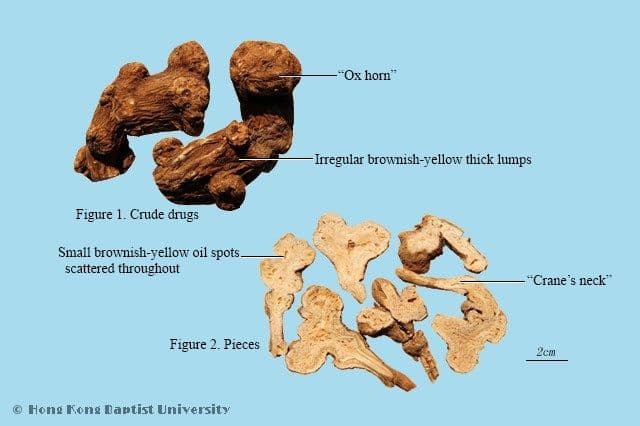
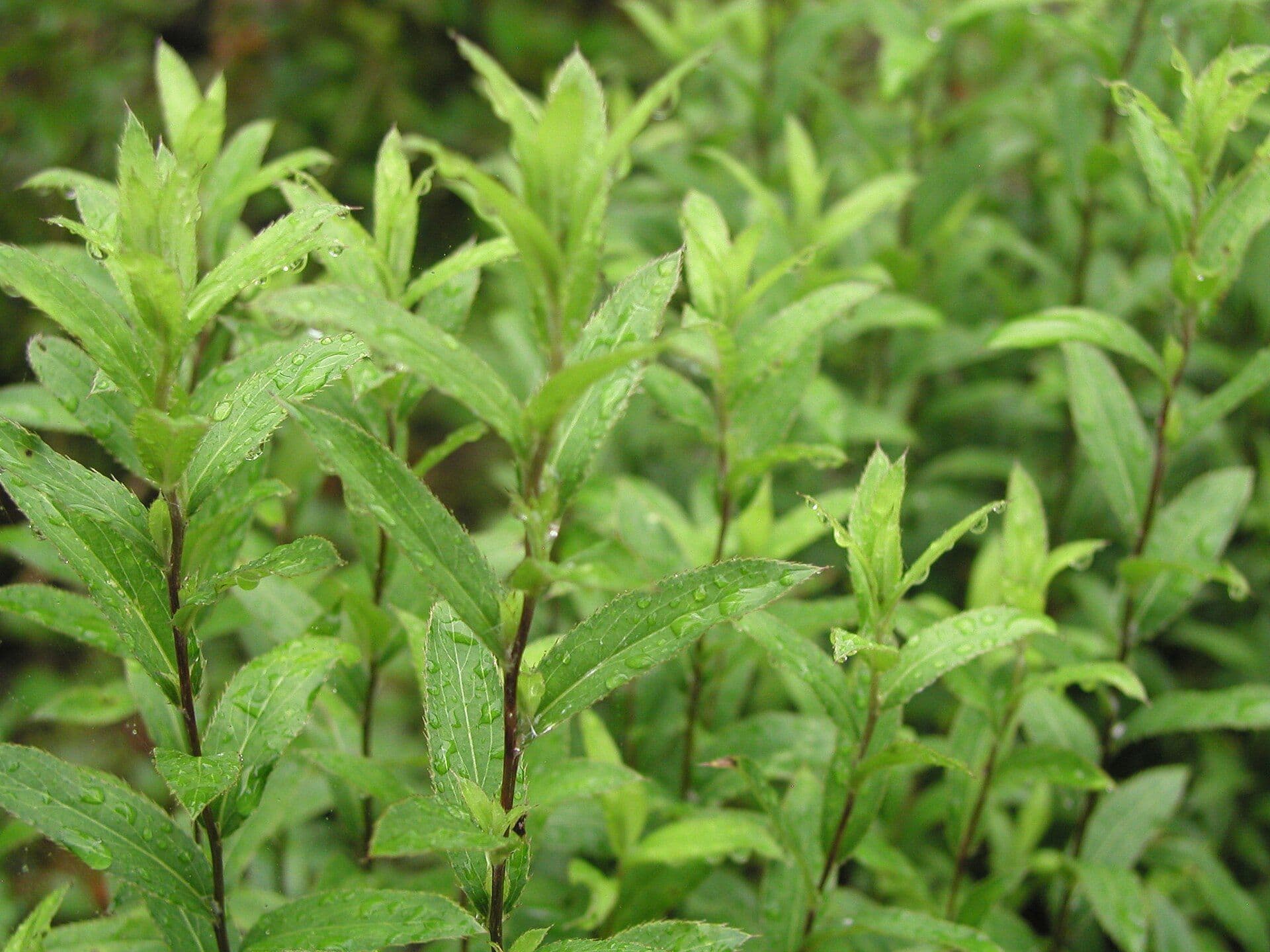
Atractylodis Rhizome
Warm (温)白术 · Bai Zhu
Rhizoma Atractylodis Macrocephalae
TCM Properties
Nature (四气)
Warm (温)Flavor (五味)
Bitter (苦)Sweet (甘)Pungent (辛)
Meridian Tropism
SpleenStomach
白术 · Bai Zhu
Rhizoma Atractylodis Macrocephalae
Bai Zhu (Atractylodis Rhizome) is a revered TCM herb known for supporting digestion, energy, and immunity. From ancient texts to modern labs, this warming herb is gaining traction for its profound benefits and even sparking conversations in unexpected cultural corners.
3-15g Tincture: 1-4ml
3-15g Tincture: 1-4ml
Place 3-15g of dried Bai Zhu slices into a pot with 2-3 cups of water. Bring to a boil, then reduce heat and simmer for 20-30 minutes. Strain the liquid and consume warm, typically 1-2 times daily. This method extracts the most active compounds.
If using granulated extract, dissolve 1-2 grams (or as directed by your practitioner) in a cup of warm water and drink. For powdered raw herb, start with 1-3 grams mixed into warm water or food, 1-2 times daily. Always ensure the powder is fine and well-dispersed.
For a concentrated liquid extract, the typical dosage is 1-4ml, 1-3 times daily. Tinctures are convenient for on-the-go use; simply add the drops to a small amount of water or directly under the tongue.
Capsule dosages vary widely depending on the concentration of the extract. Follow the manufacturer's recommendations or your practitioner's advice, typically ranging from 500mg to 1500mg per day, divided into doses.
Place 3-15g of dried Bai Zhu slices into a pot with 2-3 cups of water. Bring to a boil, then reduce heat and simmer for 20-30 minutes. Strain the liquid and consume warm, typically 1-2 times daily. This method extracts the most active compounds.
If using granulated extract, dissolve 1-2 grams (or as directed by your practitioner) in a cup of warm water and drink. For powdered raw herb, start with 1-3 grams mixed into warm water or food, 1-2 times daily. Always ensure the powder is fine and well-dispersed.
For a concentrated liquid extract, the typical dosage is 1-4ml, 1-3 times daily. Tinctures are convenient for on-the-go use; simply add the drops to a small amount of water or directly under the tongue.
Capsule dosages vary widely depending on the concentration of the extract. Follow the manufacturer's recommendations or your practitioner's advice, typically ranging from 500mg to 1500mg per day, divided into doses.
Research highlights Bai Zhu's polysaccharides for immunomodulatory, gastroprotective, and hepatoprotective effects, while other compounds show anti-inflammatory and anti-hyperuricemic properties. Traditional uses for spleen deficiency and dampness are increasingly supported by studies on its impact on gut microbiota and anti-tumor activity.
Moderate — Some clinical studies
Research highlights Bai Zhu's polysaccharides for immunomodulatory, gastroprotective, and hepatoprotective effects, while other compounds show anti-inflammatory and anti-hyperuricemic properties. Traditional uses for spleen deficiency and dampness are increasingly supported by studies on its impact on gut microbiota and anti-tumor activity.
Moderate — Some clinical studies
Insufficient Data
Insufficient Data
The digital world is buzzing with talk of Bai Zhu, and not just in traditional medicine circles. From gaming communities discussing its namesake character in Genshin Impact to wellness forums touting its digestive benefits, this ancient root is experiencing a surprising renaissance. It's a fascinating bridge between millennia-old wisdom and modern relevance.
Bai Zhu (Rhizoma Atractylodis Macrocephalae), also known as Atractylodis Rhizome, Ovate Atractylodis, or White Atractylodis, is a warming herb used in Traditional Chinese Medicine (TCM) primarily to strengthen the digestive system, resolve dampness, and support overall vital energy. Its enduring legacy is etched in the earliest texts, like the revered 《神农本草经》 (Shennong Ben Cao Jing), dating back over two millennia.
This foundational text describes Bai Zhu as effective for 'wind-cold-damp impediments, dead flesh, spasms, jaundice, stopping sweating, aiding digestion, resolving masses, and harmonizing the Spleen and Stomach.' This ancient wisdom laid the groundwork for its lasting application, emphasizing its broad impact on internal balance.
As an integrative medicine physician, I’ve spent 15 years helping patients connect these profound TCM concepts to what Western medicine increasingly validates. Bai Zhu offers a compelling case study in this synergy.
In TCM, every herb has a distinct energetic signature. Bai Zhu is characterized by its warm nature and its bitter, sweet, and acrid flavors. This combination tells us a great deal about its actions. The warmth suggests its ability to invigorate and counter cold, while the sweet flavor indicates its tonifying properties – building and strengthening the body. The bitter and acrid notes point to its capacity to dry and move, helping to eliminate stagnation.
Its primary affinity lies with the Spleen and Stomach meridians. In TCM, the Spleen isn't just an organ; it's a vital energetic system responsible for transforming food into usable energy (Qi) and transporting fluids. When the Spleen is weak, it struggles to perform these functions, leading to symptoms like fatigue, bloating, poor appetite, and the accumulation of what we call 'dampness'—a feeling of heaviness or metabolic sluggishness.
I often see patients like Sarah, a busy executive, who came to me complaining of chronic fatigue, a persistent feeling of heaviness, and bloating after meals. Her tongue was pale with a thick, greasy coating – classic signs of 'Spleen Qi deficiency with Dampness' in TCM. Western tests were often inconclusive, but her symptoms were real and debilitating. Introducing Bai Zhu into her personalized herbal formula, alongside targeted dietary shifts, was truly transformative.
Within weeks, her energy lifted, the bloating subsided, and she felt a lightness she hadn't experienced in years. Bai Zhu wasn't a magic bullet, but a foundational support for her body's natural processes, helping her Spleen regain its strength and clarity.
Bai Zhu's actions, as described in the TCM classics, map remarkably well to contemporary health concerns. Here are some of its key roles:
One of Bai Zhu's primary actions is to tonify the Spleen and augment Qi. If you often feel tired, heavy after meals, or struggle with a lack of appetite, these could be signs of a sluggish digestive system, or 'Spleen Qi deficiency' in TCM. Bai Zhu acts like a gentle tune-up for your internal engine, helping your body extract more energy from the food you eat and distribute it effectively.
This isn't about artificial stimulation, but about optimizing your inherent vitality.
The herb is excellent at drying Dampness and promoting water metabolism. 'Dampness' in TCM describes a state of excess fluid accumulation or metabolic waste that can manifest as bloating, edema, a heavy sensation in the limbs, brain fog, or loose stools. By supporting the Spleen's role in fluid regulation, Bai Zhu helps to clear this internal congestion, allowing for smoother metabolic processes and a feeling of lightness.
It's not a diuretic in the Western sense, but rather a re-balancing agent for fluid dynamics.
Bai Zhu also stabilizes the Exterior and stops sweating. In TCM, the 'Exterior' refers to the superficial layers of the body, protected by 'defensive energy' (Wei Qi). A strong Spleen means robust Wei Qi, which acts as your body's natural shield against environmental stressors. If you experience spontaneous sweating, catch colds easily, or feel generally vulnerable, Bai Zhu can help consolidate this protective layer, enhancing your body's innate defenses.
Beyond its traditional roles, modern research has begun to shed light on Bai Zhu's direct pharmacological actions, including significant gastroprotective and anti-inflammatory properties. This makes it a fascinating herb for supporting overall gastrointestinal health beyond just 'Spleen Qi.'
The wisdom of TCM is increasingly echoed in modern scientific inquiry. Researchers are actively investigating the compounds within Bai Zhu and their mechanisms of action, providing a scientific lens through which to understand its traditional efficacy.
A comprehensive review by Liu et al., published in Frontiers in Pharmacology in 2022, highlighted the valuable bioactivities of polysaccharides derived from Atractylodes macrocephala. These compounds were found to exhibit immunomodulatory, antitumor, gastroprotective, intestinal health-promoting, and hepatoprotective effects. This provides concrete evidence for Bai Zhu's roles in supporting immunity and gut health—areas that align perfectly with its TCM functions of tonifying the Spleen and augmenting Qi.
Further studies delve into specific therapeutic potentials. Qian et al. (2022), writing in Combinatorial Chemistry & High Throughput Screening, demonstrated that Atractylodes macrocephala exhibited anti-hyperuricemic and anti-inflammatory effects in rat models of hyperuricemia and gouty arthritis, significantly reducing uric acid production and inflammatory markers. This points to its potential in managing inflammatory conditions, again resonating with its traditional role in clearing 'dampness' and promoting healthy circulation.
For liver health, a study by Zhou et al. (2011) in Zhongguo Zhong Xi Yi Jie He Za Zhi investigated a formula containing Atractylodes macrocephala (Xiaozhang Recipe) combined with lamivudine. In 84 patients with chronic viral hepatitis B and compensated liver cirrhosis, the combination improved liver function and reduced HBV DNA levels, indicating a valuable supportive role for complex liver conditions.
Chinese researchers continue to explore its nuanced actions. Lin Xueyu et al. (2025) in 《上海中医药杂志》 highlight how Bai Zhu improves gastrointestinal diseases by regulating gut microbiota and enhancing intestinal barrier function—a direct link to its 'Spleen-tonifying' action. Liu Yang et al. (2021) in Frontiers in Pharmacology further discuss Bai Zhu's significant anti-inflammatory, anti-tumor, and gastrointestinal regulatory effects, noting atractylone, a key volatile oil component, as a major bioactive compound.
It's this blend of ancient clinical observation and modern scientific validation that truly excites me about herbs like Bai Zhu. The active compounds, like the atractylon, atractylolides, and various polysaccharides, are being carefully analyzed, providing a clearer picture of how these traditional remedies exert their profound effects.
Bai Zhu is a versatile herb that can be used in several forms, depending on your preference and the specific guidance of your practitioner. My recommendations always prioritize proper preparation to ensure maximum efficacy and safety.
For a classic preparation, steep 3-15 grams of dried Bai Zhu slices in 2-3 cups of hot water. Bring to a boil, then reduce the heat and simmer gently for 20-30 minutes. Strain the liquid and drink warm, typically once or twice daily. This method is often preferred for extracting the full spectrum of the herb's compounds.
Bai Zhu is also commonly available as a fine powder or granulated extract. For powdered raw herb, you might take 1-3 grams mixed into warm water or a small amount of food, 1-2 times a day. If you're using granulated extracts, which are concentrated, the dosage is typically smaller, often around 1-2 grams per dose, dissolved in hot water. Always verify the specific instructions for your product.
For convenience, Bai Zhu can be found in tincture or capsule forms. Tincture dosages typically range from 1-4ml, 1-3 times daily, added to a little water. Capsules will have specific dosage recommendations based on their concentration, but generally provide a precise way to consume the herb without preparation. Always adhere to the product's guidelines or, ideally, those of your integrative health practitioner.
Remember, Bai Zhu is often used in formulas with other herbs to enhance its effects or address complex patterns. For instance, the data mining study in 《中国中医药信息杂志》 (2024) found that Bai Zhu-Fu Ling (Poria mushroom) combinations were most common in a 1:1 ratio, primarily for tonifying and dispelling dampness, particularly in 87.6% of formulas for Spleen deficiency syndromes. This highlights the synergistic power of herbal pairings.
As with any potent medicinal herb, Bai Zhu is not suitable for everyone. It is crucial to understand its contraindications and potential drug interactions before considering its use. My priority is always patient safety, and I cannot stress enough the importance of consulting with a qualified healthcare provider, especially one knowledgeable in herbal medicine.
Do NOT use Bai Zhu if you fall into any of these categories:
Yin Deficiency with Heat signs: If you experience symptoms like night sweats, dry mouth, five-palm heat (hot hands, feet, and chest), or a rapid pulse, Bai Zhu's warming and drying nature could exacerbate these 'heat' symptoms.
Extreme thirst due to injured fluids: If your body's fluids are severely depleted, often manifesting as intense thirst and dryness, Bai Zhu's damp-drying properties would be counterproductive.
Qi Stagnation with feelings of distention and oppression: If you experience significant bloating, gas, or a feeling of fullness and pressure, especially without underlying Spleen deficiency, Bai Zhu could worsen these symptoms by potentially causing more stagnation rather than resolving it.
Bai Zhu can interact with several medications. Always inform your prescribing physician and your herbal practitioner about all medications and supplements you are taking.
Omeprazole: This herb may enhance the inhibitory effect of omeprazole (a proton pump inhibitor).
Anticoagulants and Antiplatelet Medications: Use with caution if you take blood thinners such as heparin, warfarin (Coumadin), and enoxaprin (Lovenox), or antiplatelet medications like aspirin, dipyridamole (Persantine), and clopidogrel (Plavix). There is a potential risk of increased bleeding.
Diuretics: Concurrent use with diuretics such as chlorothiazide, hydrochlorothiazide, furosemide (Lasix), bumetinide (Bumex), and torsemide (Demadex) may lead to increased elimination of water and/or electrolytes, potentially causing dehydration or electrolyte imbalances.
While Bai Zhu has a traditional action of 'calming the fetus' in very specific TCM patterns, its use during pregnancy should only be undertaken with the direct supervision and prescription of a qualified and experienced practitioner. Due to potential drug interactions and the unique physiological changes during pregnancy, self-medication is strongly discouraged. Safety data for lactation is also limited, so caution is advised for nursing mothers.
Bai Zhu stands as a powerful reminder of how ancient wisdom can offer profound insights into our modern health challenges. Its journey from classical texts and traditional pharmacies to scientific labs and even pop culture reflects a growing global appreciation for holistic approaches to well-being. It's not merely an herb; it's a testament to the interconnectedness of our digestive, immune, and energetic systems.
Understanding Bai Zhu through both TCM and Western functional medicine helps us appreciate the intricate dance of balance within our bodies. It encourages us to listen to our bodies' subtle cues and seek thoughtful, evidence-informed approaches to cultivate enduring health.
The digital world is buzzing with talk of Bai Zhu, and not just in traditional medicine circles. From gaming communities discussing its namesake character in Genshin Impact to wellness forums touting its digestive benefits, this ancient root is experiencing a surprising renaissance. It's a fascinating bridge between millennia-old wisdom and modern relevance.
Bai Zhu (Rhizoma Atractylodis Macrocephalae), also known as Atractylodis Rhizome, Ovate Atractylodis, or White Atractylodis, is a warming herb used in Traditional Chinese Medicine (TCM) primarily to strengthen the digestive system, resolve dampness, and support overall vital energy. Its enduring legacy is etched in the earliest texts, like the revered 《神农本草经》 (Shennong Ben Cao Jing), dating back over two millennia.
This foundational text describes Bai Zhu as effective for 'wind-cold-damp impediments, dead flesh, spasms, jaundice, stopping sweating, aiding digestion, resolving masses, and harmonizing the Spleen and Stomach.' This ancient wisdom laid the groundwork for its lasting application, emphasizing its broad impact on internal balance.
As an integrative medicine physician, I’ve spent 15 years helping patients connect these profound TCM concepts to what Western medicine increasingly validates. Bai Zhu offers a compelling case study in this synergy.
In TCM, every herb has a distinct energetic signature. Bai Zhu is characterized by its warm nature and its bitter, sweet, and acrid flavors. This combination tells us a great deal about its actions. The warmth suggests its ability to invigorate and counter cold, while the sweet flavor indicates its tonifying properties – building and strengthening the body. The bitter and acrid notes point to its capacity to dry and move, helping to eliminate stagnation.
Its primary affinity lies with the Spleen and Stomach meridians. In TCM, the Spleen isn't just an organ; it's a vital energetic system responsible for transforming food into usable energy (Qi) and transporting fluids. When the Spleen is weak, it struggles to perform these functions, leading to symptoms like fatigue, bloating, poor appetite, and the accumulation of what we call 'dampness'—a feeling of heaviness or metabolic sluggishness.
I often see patients like Sarah, a busy executive, who came to me complaining of chronic fatigue, a persistent feeling of heaviness, and bloating after meals. Her tongue was pale with a thick, greasy coating – classic signs of 'Spleen Qi deficiency with Dampness' in TCM. Western tests were often inconclusive, but her symptoms were real and debilitating. Introducing Bai Zhu into her personalized herbal formula, alongside targeted dietary shifts, was truly transformative.
Within weeks, her energy lifted, the bloating subsided, and she felt a lightness she hadn't experienced in years. Bai Zhu wasn't a magic bullet, but a foundational support for her body's natural processes, helping her Spleen regain its strength and clarity.
Bai Zhu's actions, as described in the TCM classics, map remarkably well to contemporary health concerns. Here are some of its key roles:
One of Bai Zhu's primary actions is to tonify the Spleen and augment Qi. If you often feel tired, heavy after meals, or struggle with a lack of appetite, these could be signs of a sluggish digestive system, or 'Spleen Qi deficiency' in TCM. Bai Zhu acts like a gentle tune-up for your internal engine, helping your body extract more energy from the food you eat and distribute it effectively.
This isn't about artificial stimulation, but about optimizing your inherent vitality.
The herb is excellent at drying Dampness and promoting water metabolism. 'Dampness' in TCM describes a state of excess fluid accumulation or metabolic waste that can manifest as bloating, edema, a heavy sensation in the limbs, brain fog, or loose stools. By supporting the Spleen's role in fluid regulation, Bai Zhu helps to clear this internal congestion, allowing for smoother metabolic processes and a feeling of lightness.
It's not a diuretic in the Western sense, but rather a re-balancing agent for fluid dynamics.
Bai Zhu also stabilizes the Exterior and stops sweating. In TCM, the 'Exterior' refers to the superficial layers of the body, protected by 'defensive energy' (Wei Qi). A strong Spleen means robust Wei Qi, which acts as your body's natural shield against environmental stressors. If you experience spontaneous sweating, catch colds easily, or feel generally vulnerable, Bai Zhu can help consolidate this protective layer, enhancing your body's innate defenses.
Beyond its traditional roles, modern research has begun to shed light on Bai Zhu's direct pharmacological actions, including significant gastroprotective and anti-inflammatory properties. This makes it a fascinating herb for supporting overall gastrointestinal health beyond just 'Spleen Qi.'
The wisdom of TCM is increasingly echoed in modern scientific inquiry. Researchers are actively investigating the compounds within Bai Zhu and their mechanisms of action, providing a scientific lens through which to understand its traditional efficacy.
A comprehensive review by Liu et al., published in Frontiers in Pharmacology in 2022, highlighted the valuable bioactivities of polysaccharides derived from Atractylodes macrocephala. These compounds were found to exhibit immunomodulatory, antitumor, gastroprotective, intestinal health-promoting, and hepatoprotective effects. This provides concrete evidence for Bai Zhu's roles in supporting immunity and gut health—areas that align perfectly with its TCM functions of tonifying the Spleen and augmenting Qi.
Further studies delve into specific therapeutic potentials. Qian et al. (2022), writing in Combinatorial Chemistry & High Throughput Screening, demonstrated that Atractylodes macrocephala exhibited anti-hyperuricemic and anti-inflammatory effects in rat models of hyperuricemia and gouty arthritis, significantly reducing uric acid production and inflammatory markers. This points to its potential in managing inflammatory conditions, again resonating with its traditional role in clearing 'dampness' and promoting healthy circulation.
For liver health, a study by Zhou et al. (2011) in Zhongguo Zhong Xi Yi Jie He Za Zhi investigated a formula containing Atractylodes macrocephala (Xiaozhang Recipe) combined with lamivudine. In 84 patients with chronic viral hepatitis B and compensated liver cirrhosis, the combination improved liver function and reduced HBV DNA levels, indicating a valuable supportive role for complex liver conditions.
Chinese researchers continue to explore its nuanced actions. Lin Xueyu et al. (2025) in 《上海中医药杂志》 highlight how Bai Zhu improves gastrointestinal diseases by regulating gut microbiota and enhancing intestinal barrier function—a direct link to its 'Spleen-tonifying' action. Liu Yang et al. (2021) in Frontiers in Pharmacology further discuss Bai Zhu's significant anti-inflammatory, anti-tumor, and gastrointestinal regulatory effects, noting atractylone, a key volatile oil component, as a major bioactive compound.
It's this blend of ancient clinical observation and modern scientific validation that truly excites me about herbs like Bai Zhu. The active compounds, like the atractylon, atractylolides, and various polysaccharides, are being carefully analyzed, providing a clearer picture of how these traditional remedies exert their profound effects.
Bai Zhu is a versatile herb that can be used in several forms, depending on your preference and the specific guidance of your practitioner. My recommendations always prioritize proper preparation to ensure maximum efficacy and safety.
For a classic preparation, steep 3-15 grams of dried Bai Zhu slices in 2-3 cups of hot water. Bring to a boil, then reduce the heat and simmer gently for 20-30 minutes. Strain the liquid and drink warm, typically once or twice daily. This method is often preferred for extracting the full spectrum of the herb's compounds.
Bai Zhu is also commonly available as a fine powder or granulated extract. For powdered raw herb, you might take 1-3 grams mixed into warm water or a small amount of food, 1-2 times a day. If you're using granulated extracts, which are concentrated, the dosage is typically smaller, often around 1-2 grams per dose, dissolved in hot water. Always verify the specific instructions for your product.
For convenience, Bai Zhu can be found in tincture or capsule forms. Tincture dosages typically range from 1-4ml, 1-3 times daily, added to a little water. Capsules will have specific dosage recommendations based on their concentration, but generally provide a precise way to consume the herb without preparation. Always adhere to the product's guidelines or, ideally, those of your integrative health practitioner.
Remember, Bai Zhu is often used in formulas with other herbs to enhance its effects or address complex patterns. For instance, the data mining study in 《中国中医药信息杂志》 (2024) found that Bai Zhu-Fu Ling (Poria mushroom) combinations were most common in a 1:1 ratio, primarily for tonifying and dispelling dampness, particularly in 87.6% of formulas for Spleen deficiency syndromes. This highlights the synergistic power of herbal pairings.
As with any potent medicinal herb, Bai Zhu is not suitable for everyone. It is crucial to understand its contraindications and potential drug interactions before considering its use. My priority is always patient safety, and I cannot stress enough the importance of consulting with a qualified healthcare provider, especially one knowledgeable in herbal medicine.
Do NOT use Bai Zhu if you fall into any of these categories:
Yin Deficiency with Heat signs: If you experience symptoms like night sweats, dry mouth, five-palm heat (hot hands, feet, and chest), or a rapid pulse, Bai Zhu's warming and drying nature could exacerbate these 'heat' symptoms.
Extreme thirst due to injured fluids: If your body's fluids are severely depleted, often manifesting as intense thirst and dryness, Bai Zhu's damp-drying properties would be counterproductive.
Qi Stagnation with feelings of distention and oppression: If you experience significant bloating, gas, or a feeling of fullness and pressure, especially without underlying Spleen deficiency, Bai Zhu could worsen these symptoms by potentially causing more stagnation rather than resolving it.
Bai Zhu can interact with several medications. Always inform your prescribing physician and your herbal practitioner about all medications and supplements you are taking.
Omeprazole: This herb may enhance the inhibitory effect of omeprazole (a proton pump inhibitor).
Anticoagulants and Antiplatelet Medications: Use with caution if you take blood thinners such as heparin, warfarin (Coumadin), and enoxaprin (Lovenox), or antiplatelet medications like aspirin, dipyridamole (Persantine), and clopidogrel (Plavix). There is a potential risk of increased bleeding.
Diuretics: Concurrent use with diuretics such as chlorothiazide, hydrochlorothiazide, furosemide (Lasix), bumetinide (Bumex), and torsemide (Demadex) may lead to increased elimination of water and/or electrolytes, potentially causing dehydration or electrolyte imbalances.
While Bai Zhu has a traditional action of 'calming the fetus' in very specific TCM patterns, its use during pregnancy should only be undertaken with the direct supervision and prescription of a qualified and experienced practitioner. Due to potential drug interactions and the unique physiological changes during pregnancy, self-medication is strongly discouraged. Safety data for lactation is also limited, so caution is advised for nursing mothers.
Bai Zhu stands as a powerful reminder of how ancient wisdom can offer profound insights into our modern health challenges. Its journey from classical texts and traditional pharmacies to scientific labs and even pop culture reflects a growing global appreciation for holistic approaches to well-being. It's not merely an herb; it's a testament to the interconnectedness of our digestive, immune, and energetic systems.
Understanding Bai Zhu through both TCM and Western functional medicine helps us appreciate the intricate dance of balance within our bodies. It encourages us to listen to our bodies' subtle cues and seek thoughtful, evidence-informed approaches to cultivate enduring health.
This information is for educational purposes only and is not intended as medical advice. Always consult a qualified healthcare practitioner before using any herbal remedy.