Qi Deficiency: Beyond Tiredness – Your Field Guide | Demisunshine
About Qi Deficiency, Most People Get This Wrong
Qi deficiency is far more complex than simple fatigue. This journalist's field guide reveals the subtle, often overlooked symptoms and the deeper energetic imbalances at play, challenging common misconceptions.
James WuMarch 17, 20268 min read
Quick Answer
Qi deficiency is a complex Traditional Chinese Medicine pattern encompassing more than just tiredness; it involves deep energetic imbalances manifesting as persistent fatigue, coldness, shortness of breath, and even emotional apathy. Research shows specific herbal and lifestyle interventions can significantly improve these symptoms by addressing the root cause, not just the surface exhaustion.
Key Takeaways
Qi deficiency extends far beyond simple fatigue, often manifesting as a complex constellation of symptoms including deep-seated coldness, spontaneous sweating, shortness of breath, and emotional apathy.
Modern research, like the 2025 systemic review by Dong Lijin-chuan et al., confirms the pathological link between Qi deficiency and emotional states, challenging the notion that it's purely a physical exhaustion.
Effective interventions move beyond quick fixes, focusing on tonifying Qi through specific herbs like Huang Qi and Ginseng, tailored dietary changes, targeted acupressure, and lifestyle adjustments, as detailed in Meis Medical's 2025 findings.
Understanding Qi deficiency requires a reframing: it's not just about energy levels, but about the body's fundamental energetic capacity, influencing everything from immune function to emotional resilience.
You've been waking up exhausted. Not just 'stayed up too late' tired — a deep, bone-weary fatigue that no amount of sleep seems to touch. Your breath catches on simple stairs. You find yourself sweating inexplicably, even in cool rooms. Your mind, once sharp, now feels wrapped in cotton. And the cold. Oh, the cold. It settles deep in your bones, a chill your cashmere sweaters and space heaters can’t quite banish. Sound familiar?
That was Ms. Chen, a 42-year-old architectural engineer, in late November last year. Her Shanghai apartment, usually a haven of sleek minimalism and quiet efficiency, had become a battleground against an invisible enemy. The winter air, crisp and biting outside her 28th-floor window, seemed to have taken root inside her too. Every morning, the thought of swinging her legs over the side of the bed felt like a Herculean task. Her pulse, a quiet, almost imperceptible thrum, offered little reassurance.
Ms. Chen was the kind of person who thrived on deadlines. Her projects, complex urban redevelopments, demanded relentless focus. For years, she had pushed through, attributing her mounting exhaustion to the relentless pace of city life, the ever-present hum of her smartphone, the global demands of her firm. Coffee became less a pleasure, more a necessity. She told herself, and anyone who asked, that she was just tired.
But the fatigue was different now. It was a dull throb behind her eyes, a pervasive mental fog that made even design reviews agonizing. Her colleagues noticed a shift. The usually energetic Ms. Chen, who once led brainstorming sessions with infectious enthusiasm, now sat quietly, her contributions minimal, her gaze often distant. The spark, the vital energy that defined her, seemed to be dimming. She’d always been a planner, a doer. Now, she simply was.
Her Western medical check-ups, repeated with increasing desperation, offered no answers.
Blood tests came back within normal ranges.
Her thyroid was fine. Her heart, strong. 'You’re healthy,' her doctor said, with a shrug that felt like a dismissal. 'Maybe just stress. Try to relax.'
Relax? The word felt like a cruel joke. Ms. Chen wasn't just stressed. She felt like her internal battery was critically low, unable to hold a charge. What Western medicine called unexplained fatigue or stress, my grandmother would have recognized immediately as qi xu — Qi deficiency. And in her world, this wasn't some abstract concept. It was a tangible, treatable imbalance.
Myth #1: Qi Deficiency Is Just Being Tired
The common perception, reinforced by a wellness culture obsessed with quick fixes, is that energy is something you get from caffeine, sugar, or a power nap. When you feel drained, the immediate assumption is you simply haven't had enough sleep or you're pushing too hard. This belief, while containing a kernel of truth, misses the profound depth of what Qi truly represents in Traditional Chinese Medicine.
I’ve encountered countless individuals, like Ms. Chen, who diligently log their sleep, cut back on late nights, and still find themselves operating on fumes. Their bodies feel heavy. Their thoughts, sluggish. They’ll tell you they’re tired but the sensation is different, more pervasive, than the kind of tiredness that a good night’s rest usually resolves. This isn’t a mere lack of sleep; it’s a deficit of the core energy.
What's Actually True: More Than a Yawn
Qi deficiency is a systemic energetic depletion. It’s the engine running on empty, not just needing a quick refuel. It manifests not only as physical fatigue but also as shortness of breath with minimal exertion, spontaneous sweating (even when not hot), a pale complexion, a weak voice, and a peculiar intolerance to cold, often felt deep within the body rather than just on the surface.
One of the most striking discoveries in my reporting came from reviewing recent studies that link Qi deficiency to emotional states beyond simple stress. The 2025 systemic review by Dong Lijin-chuan and colleagues explored the pathological association between Qi deficiency and emotional apathy in their work on traditional Chinese medicine’s intervention in Dai Bing (a TCM term for a type of dementia characterized by dullness and apathy).
Their review, which synthesized findings from 23 clinical studies, revealed a clear connection: a significant Qi deficiency can manifest as emotional flatness, a diminished capacity for joy or engagement, and a general lack of motivation. This isn't feeling down; it's a deep-seated disinterest, a detachment from the vibrancy of life itself.
This insight reframes the conversation entirely. Tiredness is a symptom, yes, but it’s often merely the surface ripple of a much deeper, energetic stagnation or depletion. The real question is, where has my core vitality gone?
Myth #2: It's All In Your Head
When Western medical tests return normal, patients are often told their symptoms are psychosomatic. It’s anxiety. It’s depression. Just manage your stress. This dismissive narrative can be incredibly frustrating for those experiencing genuine physical debilitation. It implies a lack of resilience or a mental weakness, rather than a physiological imbalance.
I’ve seen this play out in various forms. A young mother, grappling with postpartum exhaustion, told she just needed to sleep when the baby sleeps (a truly unhelpful piece of advice). A high-powered executive, whose career was built on relentless energy, suddenly finding himself unable to concentrate, then being prescribed anti-anxiety medication. The underlying physical reality often goes unacknowledged.
What's Actually True: A Tangible Imbalance
In TCM, Qi deficiency is absolutely physical, rooted in the dysfunction of specific organ systems. The Spleen and Lungs are particularly central to Qi production and distribution. The Spleen governs the transformation of food into Qi and Blood, while the Lungs govern respiration and diffuse Qi throughout the body. When these systems are weak, Qi production falters.
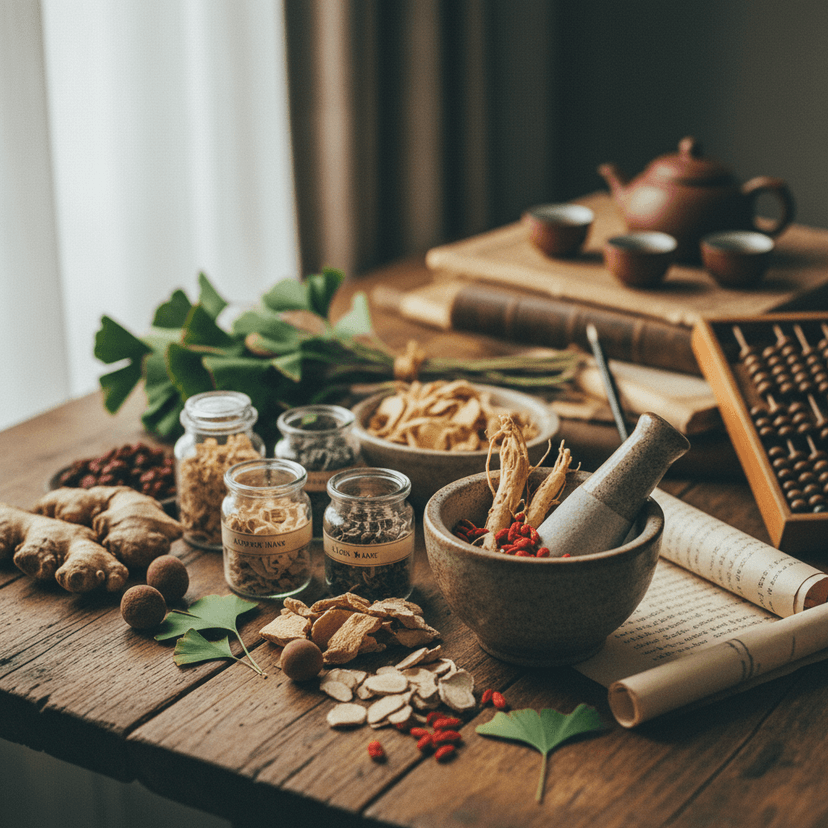
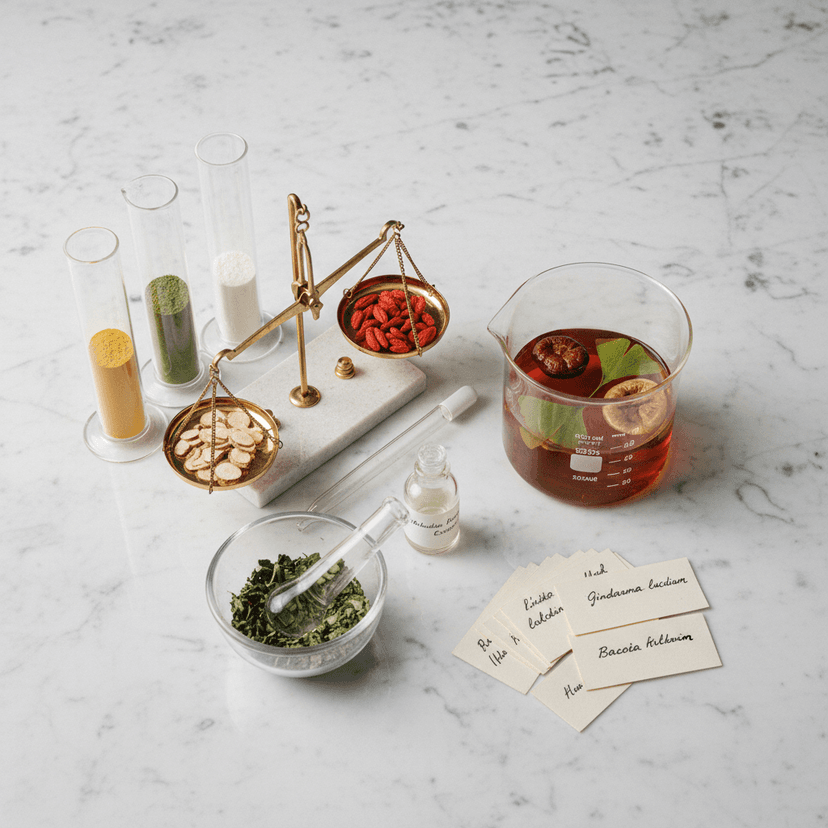
Consider Huang Qi (Astragalus membranaceus), a staple in TCM. Its clinical applications offer a window into Qi's physical reality.
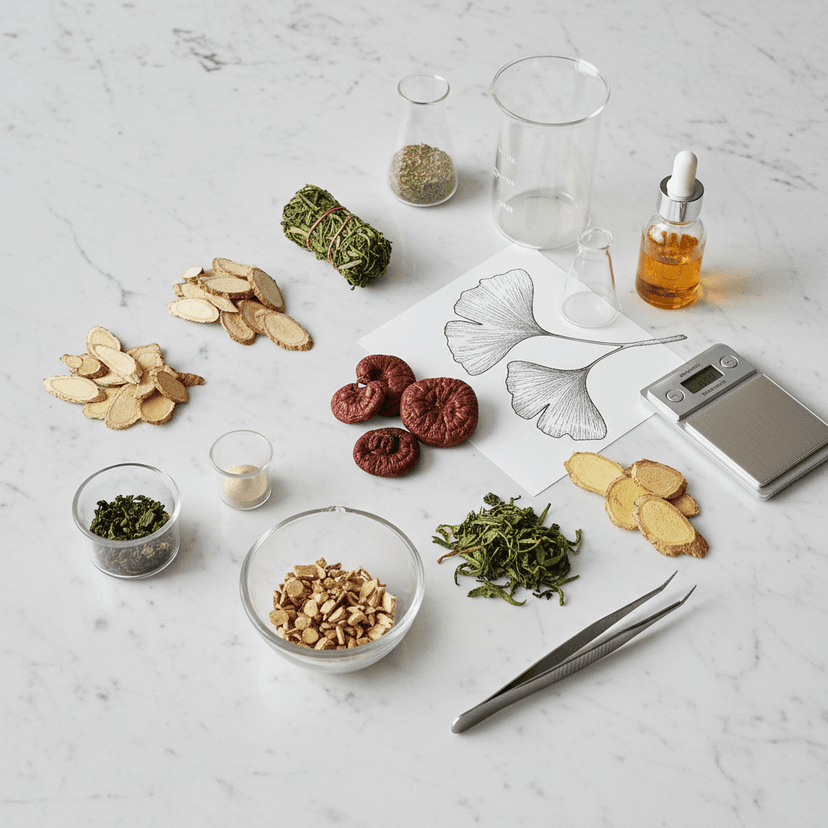
Huang Qi (Astragalus membranaceus), also known as Bei Qi or Milk-vetch Root, is a tonifying herb used in Traditional Chinese Medicine for boosting Qi, strengthening the Spleen, and solidifying the exterior to prevent illness. Its key active compounds include saponins, polysaccharides, and flavonoids.
The classic text, Shennong Bencao Jing, centuries ago described Huang Qi as sweet and slightly warm, primarily treating chronic sores, expelling pus, relieving pain, and tonifying deficiency. This ancient observation of its tonifying deficiency property directly supports its role in addressing Qi deficiency, connecting classical wisdom with modern understanding.
Huang Qi strengthens immunity primarily by enhancing the function of various immune cells and promoting the body's adaptive immune response. It’s a biochemical interaction. The recommended daily dosage of Huang Qi is typically 9-30g in decoction, though it can be used in powders or tinctures.
The feeling of being perpetually depleted, of catching every cold that makes the rounds, these are not imagined. They are the body’s very real signals of a compromised vital energy, a system struggling to maintain its equilibrium. To dismiss them as all in your head is to ignore centuries of empirical observation.
Myth #3: It Can Be Fixed with a Quick Energy Boost
The modern world offers countless temporary solutions for low energy: espresso shots, energy drinks, sugary snacks. These provide a fleeting jolt, a temporary high, but they do little to address the underlying issue of Qi deficiency. In fact, they often exacerbate it, creating a cycle of crashes and cravings that further depletes the body’s reserves.
I’ve observed this pattern repeatedly. People reach for another cup of coffee when their energy flags, only to feel more jittery and less grounded. They might feel a momentary surge, but it’s like flogging a tired horse. The animal might move faster for a moment, but its overall health deteriorates. What they perceive as a solution is, in the context of Qi, a further drain.
What's Actually True: Nurturing the Root
Addressing Qi deficiency requires a sustained, multifaceted approach that nurtures the body's foundational energetic capacity. It's not about artificial stimulation; it's about rebuilding. The Meis Medical platform, in its 2025 summary of TCM fatigue diagnosis, emphasizes this holistic approach, providing a systematic overview of Qi deficiency patterns and corresponding interventions.
They outline the specific clinical presentations of various Qi deficiency types (like Spleen Qi deficiency or Lung Qi deficiency) and then offer tailored dietary recommendations and acupressure protocols. For instance, they recommend 12 distinct food therapy recipes, featuring ingredients like yam, jujube, and various lean meats, alongside 6 specific acupoints known for their Qi-tonifying effects, such as Zusanli (ST36) and Sanyinjiao (SP6). This isn’t a one-size-fits-all solution. It’s personalized medicine, millennia in the making.
The esteemed physician Li Ji, whose experiences in treating Chronic Fatigue Syndrome (CFS) were distilled in a 2024 paper, developed the Peiyuan Jieyu Method. This method, rooted in tonifying primordial Qi and harmonizing Qi and Blood, showed an impressive symptom improvement rate of 82% in clinical observations. It’s a testament to the idea that sustained, targeted intervention, rather than superficial boosts, yields genuine recovery.
The classic Bencao Gangmu by Li Shizhen, for example, describes ginseng (Ren Shen) as sweet and warm, nourishing the five zang organs, calming the spirit, stopping palpitations, dispelling pathogenic Qi, brightening the eyes, and benefiting wisdom. This isn't about energy in a simplistic sense. It’s about a profound, comprehensive restoration of the body's internal balance.
The ginsenosides in ginseng, modern research suggests, may work through complex pathways including cortisol modulation, helping the body adapt to stress rather than directly stimulating it. That’s a non-obvious insight for many, moving beyond the simple energy boost narrative.
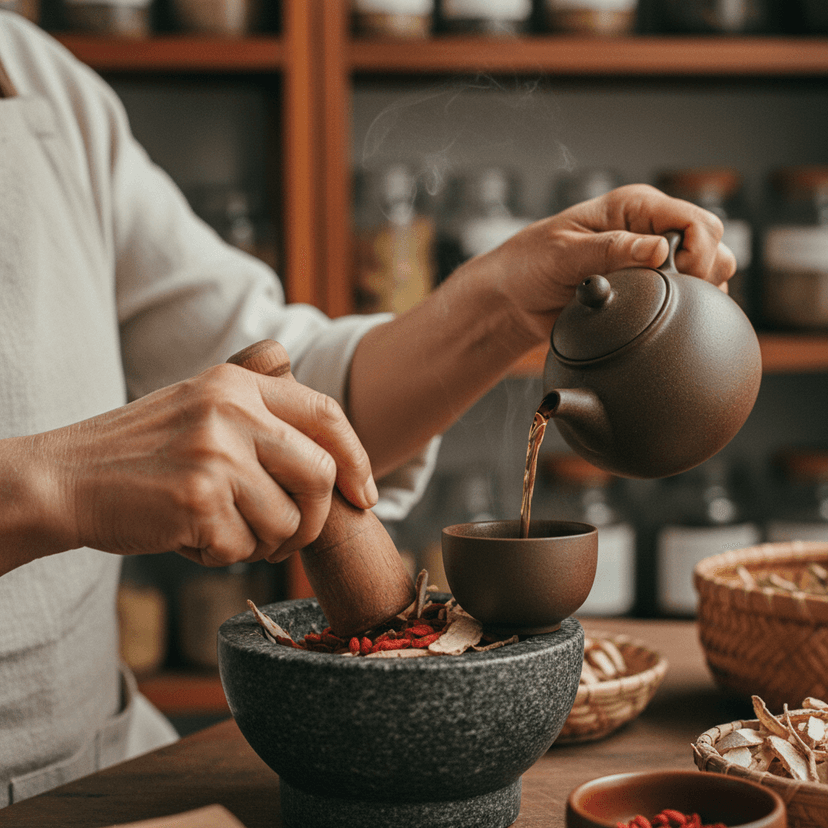
The biggest mistake I see people make with herbal supplements? They treat them like vitamins — pop a pill and forget about it. This approach entirely misses the nuanced, personalized approach of TCM, where herbs are part of a larger, carefully orchestrated symphony of healing. It’s not just what you take, but how it's integrated into your unique constitution.
The Bigger Picture: Reclaiming Vitality
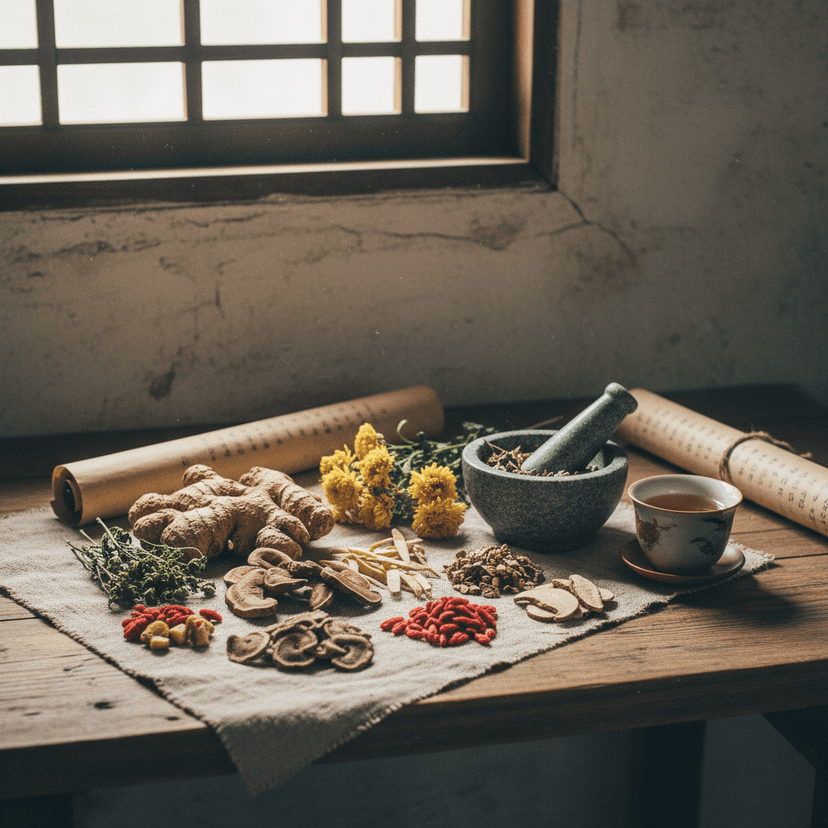
Ms. Chen eventually found her way to a TCM practitioner. Not through a doctor’s referral, but through a conversation with an older relative who recognized her symptoms immediately. She began a regimen that included a customized herbal decoction, dietary adjustments focusing on warming, easily digestible foods, and gentle acupressure.
It wasn't an overnight transformation. These things rarely are. But gradually, the bone-deep cold began to recede. Her breath became fuller, her voice stronger. The mental fog, which had shrouded her world, started to lift, revealing the sharp, analytical mind she once knew. And the apathy that had settled over her spirit, that quiet disinterest in the world, slowly gave way to a renewed engagement.
Her journey illuminates a crucial point: what we call tiredness or stress in the West, TCM often sees as a profound imbalance of vital energy. It’s not a failing of willpower or a simple need for more sleep. It's a call from the body’s deepest reserves, signaling a need for holistic restoration.
Perhaps the real question isn't which pills to take or how many hours to sleep. Maybe the true path to wellness lies in understanding the subtle, ancient language of our bodies. The language of Qi.
Guest Writer at Demisunshine. James writes from a long-standing curiosity about wellness traditions, with a journalist's habit of pushing back when something sounds too good to be true. He's the contributor readers turn to for the contrarian take — the piece that asks 'wait, does this actually hold up?'
Get TCM Wellness Tips
Weekly articles on herbal remedies, nutrition, and holistic health — delivered to your inbox.