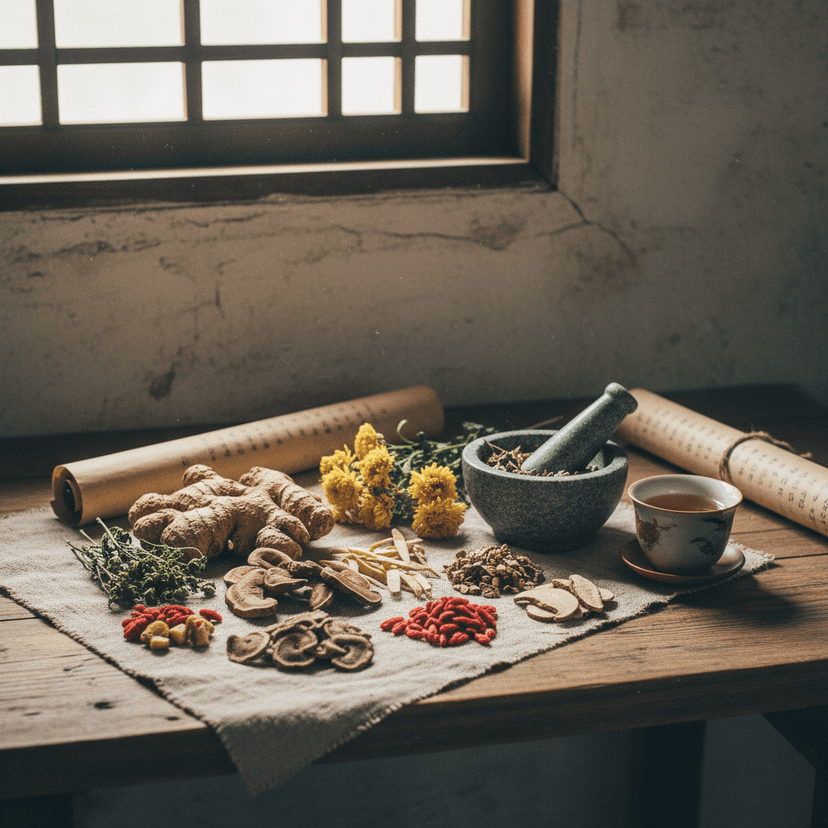
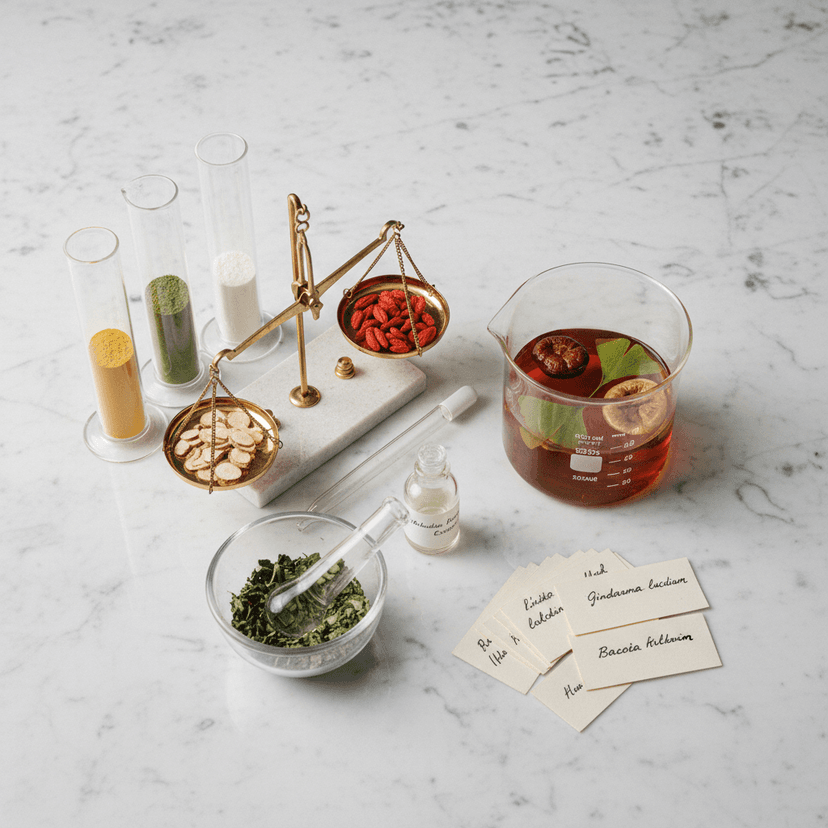
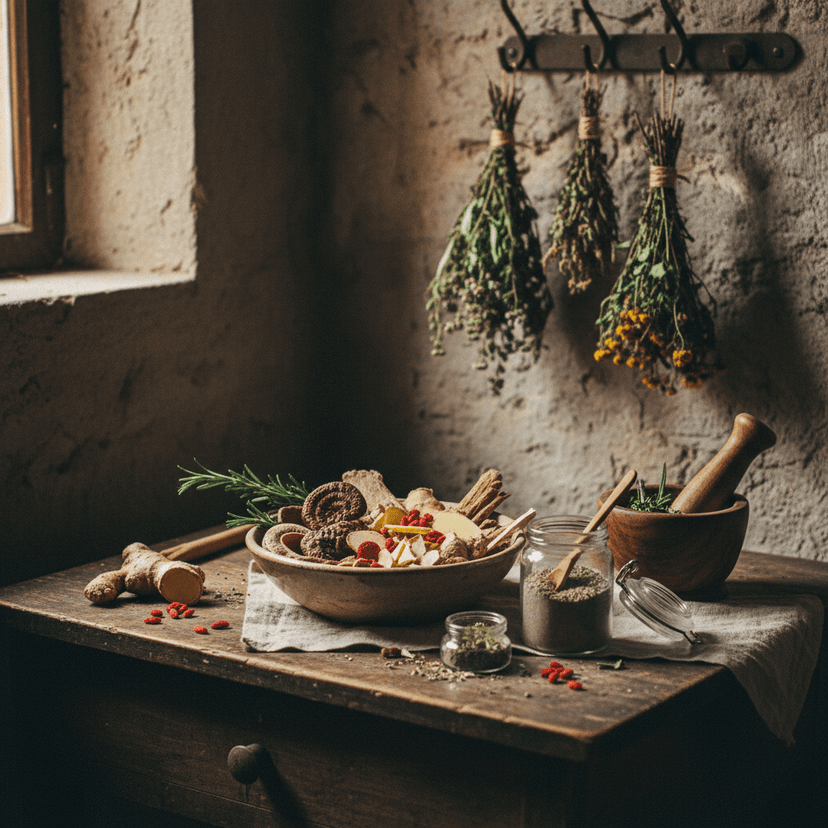
Hey everybody. What if I told you that the secret to not just living longer, but living with significantly more vitality and mental sharpness, isn't found in the latest biohacking trend or a new super-supplement, but in a medical system thousands of years old? It might sound counterintuitive in our fast-paced, quick-fix culture, but recent data is making a compelling case.
A groundbreaking 2025 longitudinal cohort study conducted in Taiwan, led by researchers like Jui-Yi Wang, Hsin-Chia Wu, Jen-Shu Hwang, and Wei-Cheng Lo, revealed something remarkable: frequent Traditional Chinese Medicine (TCM) users experienced a 1.37 years longer life expectancy and a reduced mortality risk (HR: 0.89) compared to their less frequent counterparts. Think about that for a moment. Consider this: it's not simply about adding years; it's about optimizing the quality of those years.
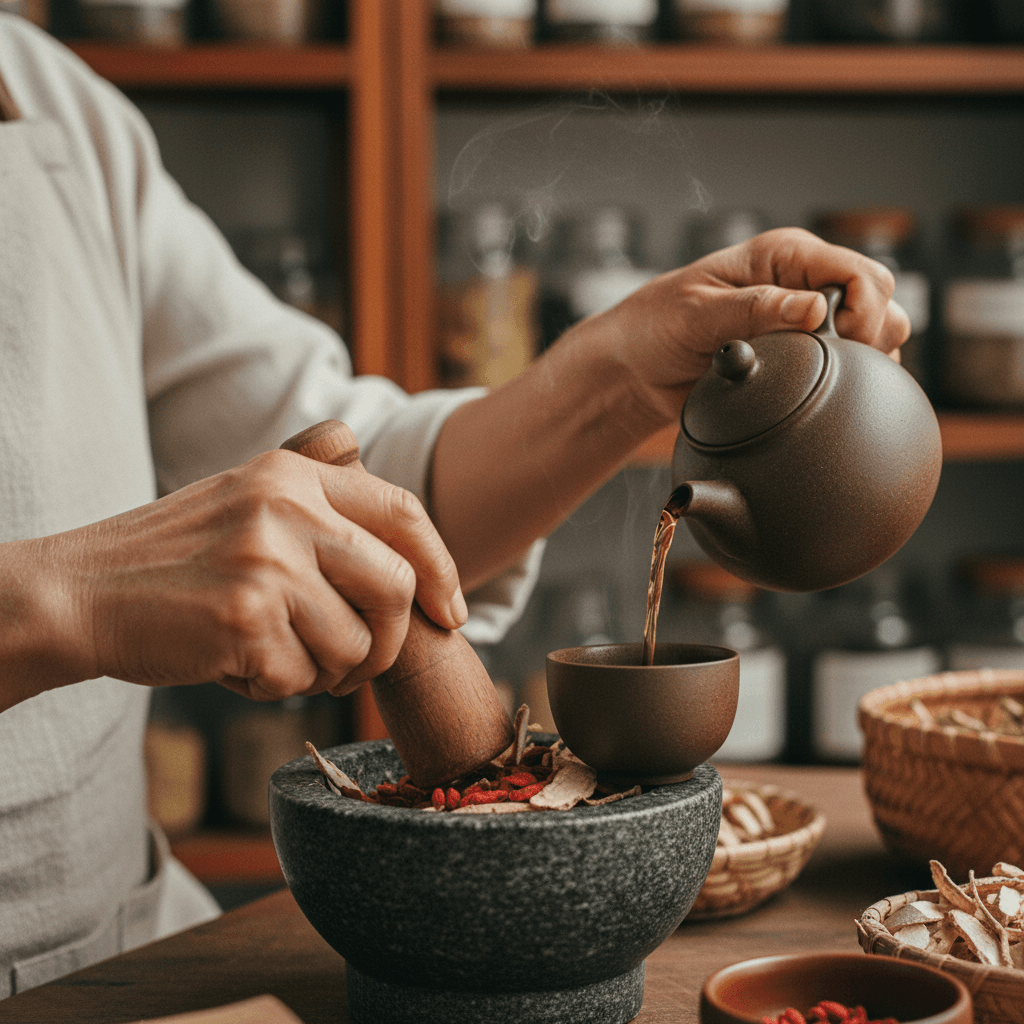
The aroma of a traditional herbal decoction, bitter yet deeply nourishing, often signals a profound systemic shift, extending beyond a temporary boost.
This isn't to say Western medicine isn't making remarkable advancements, of course it is. But what if our modern approach to aging often misses a crucial piece of the puzzle? What if the relentless pursuit of isolated anti-aging compounds overlooks the body's interconnectedness?
I've spent 15 years bridging the gap between my training at Beijing University of Chinese Medicine and my integrative medicine residency in the US, and what I’ve consistently seen is that TCM moves beyond merely treating symptoms; it cultivates resilience from within. It’s a profound shift in thinking for many, especially when you consider popular wellness trends that promise quick fixes, like those 'Chinese beauty secrets' you see on TikTok, often without understanding the underlying holistic principles.
The true secret isn't a single product. It’s a way of living.
Eleanor's Struggle: When the 'Healthy Lifestyle' Falls Short
Take Eleanor, for instance. A vibrant woman in her late 50s, a retired teacher, she came to me feeling utterly depleted. She was doing everything 'right' by Western standards.
Her skin was dull, her joints ached, and a persistent brain fog made her feel like she was constantly wading through thick mud.
She’d tried every supplement her friends recommended—collagen, resveratrol, NAD+ boosters—with little lasting effect.
Her primary care doctor found no major pathologies, simply attributing her symptoms to 'normal aging.' Eleanor was frustrated, skeptical, and felt like she was losing herself. "Why am I doing all the right things," she asked me, "but feeling so wrong?"
In TCM, we would describe Eleanor's pattern as a likely Yin Deficiency of the Kidney and Liver, perhaps with some underlying Qi Stagnation. What does that mean in modern terms? Think of Yin as the cooling, nourishing, moistening aspects of your body—your foundational reserves. When Yin is deficient, the body's internal 'furnace' can run too hot, leading to symptoms like night sweats, dry skin, irritability, and that pervasive fatigue Eleanor felt.
Qi, or vital energy, is responsible for movement, transformation, and protection. If it's stagnant, energy isn't flowing smoothly, leading to aches, emotional fluctuations, and brain fog. Western medicine might call this chronic low-grade inflammation, hormonal imbalances, or mitochondrial dysfunction. The question for us isn't which label is 'right,' but how these interconnected systems are failing to thrive.
I wanted Eleanor to see that longevity means cultivating Jing, Qi, and Shen—our essence, vital energy, and spirit—beyond simply adding years. These are the three treasures of life, and their balance determines not only our lifespan, but the vibrancy of that life. When we address the root imbalances, the body often surprises us with its capacity for repair.
Clinical Takeaway: Longevity in TCM involves cultivating the vitality of Jing, Qi, and Shen through personalized constitutional balancing, rather than merely extending lifespan.
Herbs and Harmony: The Cellular Science of Ancient Remedies
Many people ask me, "What are the best Chinese herbs for longevity?" That's where personalization becomes paramount. There's no single 'best' herb, just as there's no single 'best' diet for everyone. It all depends on your unique TCM pattern. For Eleanor, with her Yin deficiency, we focused on nourishing and cooling herbs. Liu Wei Di Huang Wan (Six-flavor Rehmannia pills) was a perfect fit.
This classic formula, first documented in the 12th-century treatise “Xiao Er Yao Zheng Zhi Jue,” is composed of six herbs, including Shu Di Huang (Rehmannia glutinosa), Shan Zhu Yu (Cornus officinalis), and Shan Yao (Dioscorea opposita). It's renowned for nourishing Kidney Yin and essence.
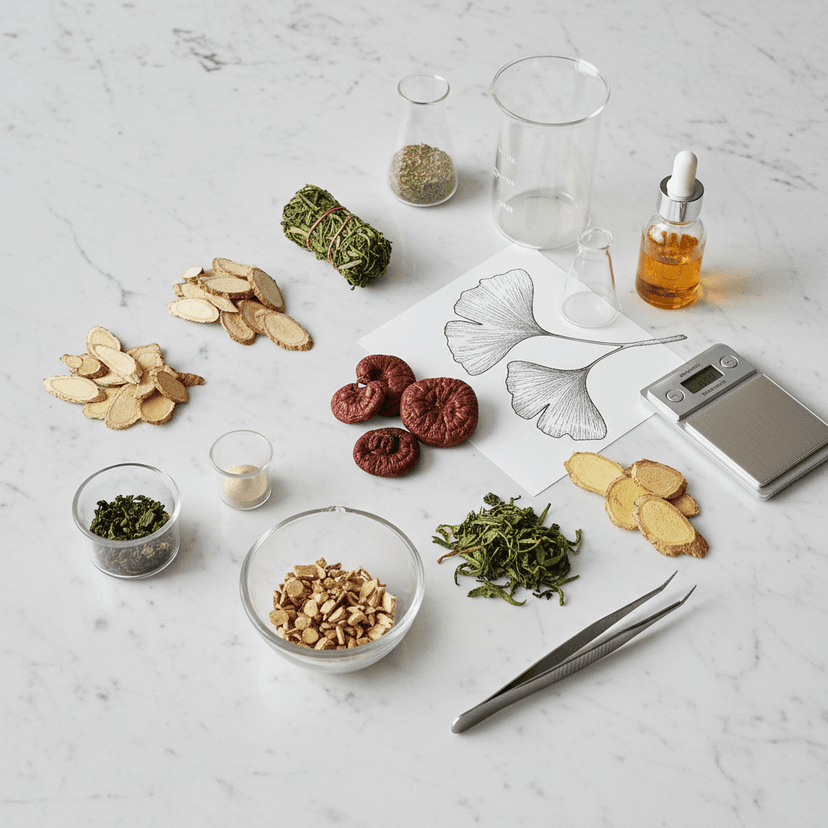
But let's talk about some broader players that often come up in longevity discussions. Huang Qi (Astragalus membranaceus)), also known as Milkvetch Root, is a tonic herb used in Traditional Chinese Medicine to boost Qi, strengthen immunity, and promote overall vitality. Its key active compounds include saponins, polysaccharides, and flavonoids.
The classical text, 《神农本草经》, highlights Huang Qi’s ability to "replenish deficiency and treat various childhood diseases," hinting at its profound strengthening effects. Modern science is steadily validating this ancient wisdom. Guo Qing'ai and Liang Hua’s 2025 research, for instance, showed that astragaloside (a Huang Qi saponin) can delay cellular aging by activating telomerase, with some components extending cell lifespan by 30-45%. That's impressive.
Huang Qi strengthens immunity primarily by enhancing the activity of immune cells and modulating cytokine production. The recommended daily dosage in a decoction typically ranges from 9 to 30 grams— though always consult a qualified practitioner for personalized dosing.
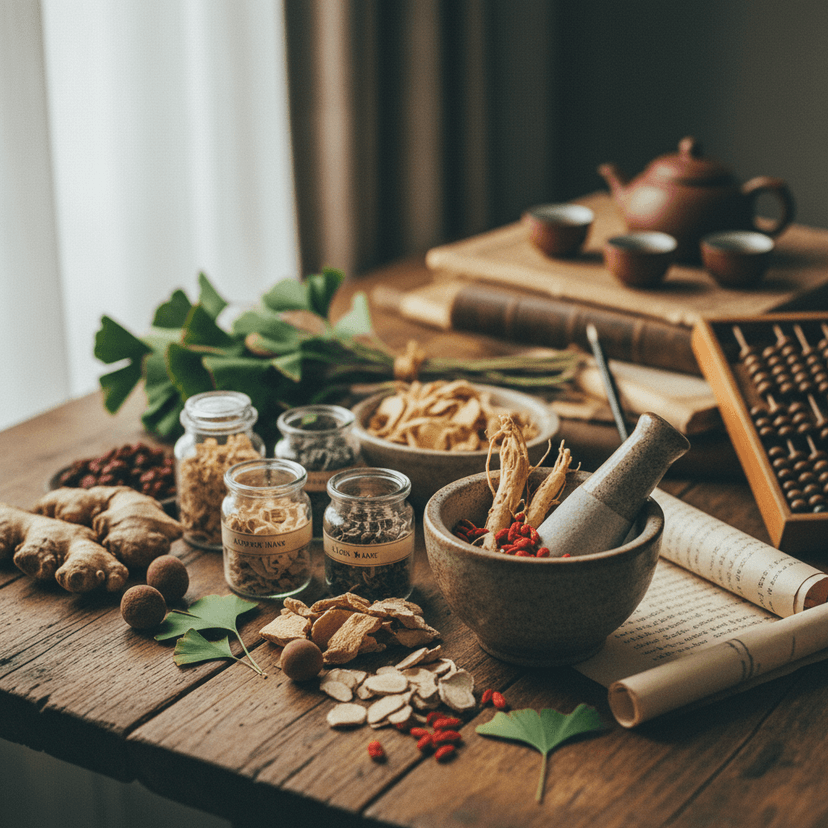
For Eleanor, we also discussed Gou Qi Zi (goji berries). The venerable 《本草纲目》 describes Gou Qi as "tonifying the kidneys and essence, nourishing the liver and brightening the eyes, and with long-term use, strengthening sinews and bones, lightening the body and preventing aging." Modern studies corroborate this ancient wisdom.
Li Maomao and Li Jiehua’s 2024 work, for example, highlighted that goji berry polysaccharides can delay cellular senescence through their powerful antioxidant and anti-inflammatory actions, significantly boosting SOD (superoxide dismutase) activity and reducing MDA (malondialdehyde) levels, both markers of oxidative stress.
Research Spotlight: TCM Compounds and Cellular Longevity
The power isn't limited to individual herbs; it resides in the synergistic action of compounds within formulas. A 2025 systematic review and meta-analysis by Li et al. demonstrated that TCM compounds have the potential to delay aging, enhance cognition, and reduce cardiovascular risk. How? By modulating key biological pathways: oxidative stress, immunity, endocrine function, and lipid metabolism.
They found that these compounds significantly improved efficacy, increased SOD activity, reduced MDA levels, and enhanced activities of daily living (ADL) scores in clinical studies. This multi-target approach is a fundamental difference from Western pharmacology, which often focuses on single targets.
The contrast is striking. Western medicine often seeks to isolate a single compound to address a single pathway, whereas TCM employs complex herbal formulas that affect multiple interconnected pathways simultaneously. This illustrates why the 药食同源 (food as medicine) concept holds such power. Researchers like Xue Liying (2017) have screened 12 such herbs with clear anti-aging activity, demonstrating how everyday foods can be potent medicine. This holistic view, championed by integrative medicine leaders like Dr.
Andrew Weil at the University of Arizona, offers a much broader lens, moving beyond simply treating age-related diseases in isolation.
Clinical Takeaway: TCM compounds operate through a multi-target mechanism, influencing oxidative stress, immunity, and endocrine function to promote cellular and systemic anti-aging, a stark contrast to single-target Western pharmaceutical approaches.
Beyond the Pills: Lifestyle as Your Longest-Lasting Medicine
Eleanor's journey extended beyond herbs. It was about recalibrating her entire relationship with her body. One of the biggest mistakes I see people make with anti-aging? They treat it like a battle to be won with aggressive interventions, rather than a garden to be tended with gentle, consistent care. This often leads to over-exercising, over-supplementing, and under-resting, which actually depletes your precious Jing and Qi.
My advice, which often contradicts popular wellness wisdom, is this: prioritize rest and mindful movement over relentless intensity.
We introduced Qi Gong into her routine. Qi Gong, along with Tai Chi, is a foundational element of Yang Sheng (the art of nourishing life) in TCM. It’s more than just exercise; it's a moving meditation that cultivates the smooth flow of Qi and Blood. Dr. Helene Langevin at NIH NCCIH has done extensive work on the fascia and connective tissue, showing how practices like acupuncture and mindful movement can influence cellular signaling and inflammation.
Qi Gong directly addresses this, improving circulation, reducing stress hormones, and cultivating calm that nourishes Shen.
For Eleanor, Qi Gong became her anchor. Just 20 minutes a day, often in the morning mist in her garden, slowly moving her body. This gentle, consistent practice helped her shift from a state of internal agitation to one of grounded peace. It’s a profound difference. Not always easy, though. She had to unlearn years of thinking that 'more is better'.
We also refined her diet, moving away from rigid calorie counting to intuitive, seasonal eating. For Yin deficiency, this meant nourishing broths, steamed vegetables, and small amounts of healthy fats. Less raw, cold food, more warming, easily digestible meals. This isn't about restriction; it's about attuning to your body's specific needs, a concept echoed by Dr. Brent Bauer at Mayo Clinic, who advocates for personalized approaches in integrative health.
Eleanor learned to listen to her body's subtle cues for dryness, heat, and fatigue, adjusting her food choices accordingly. She started making simple goji berry and Huang Qi teas, enjoying the ritual as much as the benefits.
Clinical Takeaway: Lifestyle interventions like Qi Gong, tailored nutrition, and adequate rest are paramount in TCM longevity, addressing the foundational balance of Jing, Qi, and Shen, often with greater long-term impact than isolated interventions.
Reclaiming Your Vitality: Eleanor's Transformation
After about six months of consistent engagement with her personalized herbal formula, acupuncture sessions, Qi Gong, and dietary adjustments, Eleanor was a different person. The brain fog had lifted. Her skin, once dry and sallow, had a natural glow—a reflection of nourished Yin and free-flowing Qi. Her joint pain, which had been a constant companion, receded dramatically. She was sleeping soundly through the night, a luxury she hadn’t experienced in years.
She had energy, not the jittery kind from caffeine, but a deep, sustained vitality.
Eleanor's journey highlights a profound truth: longevity involves adding life to your years, rather than simply extending your lifespan. She learned that true anti-aging isn't about fighting a war against time, but about cultivating a harmonious relationship with her body’s inherent wisdom. It’s about listening, nourishing, and moving with intention. She became an active participant in her own healing, rather than a passive recipient of treatments.
This, to me, is the true spirit of integrative medicine: enabling you to understand your unique constitution and make choices that genuinely support your vibrant, long life.
The real question isn't whether TCM can help you live longer—the evidence increasingly suggests it can. The better question is: How will you choose to live those extra years, and what vitality will you cultivate within them?
References
- Wang J-Y, Wu H-C, Hwang J-S, Lo W-C — Frequent Traditional Chinese Medicine (TCM) users had a longer life expectancy (1.37 years) and a reduced mortality risk (HR: 0.89) compared to non-frequent TCM users in a longitudinal cohort study of older adults in Taiwan (2025)
- 郭清爱, 梁华 — 黄芪皂苷通过激活端粒酶延缓细胞衰老 (2025)
- 《本草纲目》
- 《神农本草经》