Hey everybody, if you're battling Long COVID, you've likely been told your debilitating fatigue is simply 'post-viral exhaustion.' But what if that conventional wisdom is missing a crucial layer, obscuring the path to genuine recovery?
Feeling tired is one thing; experiencing a profound systemic disruption is another. This framing often overlooks the body's intricate, interconnected systems – a perspective deeply understood in Traditional Chinese Medicine (TCM).
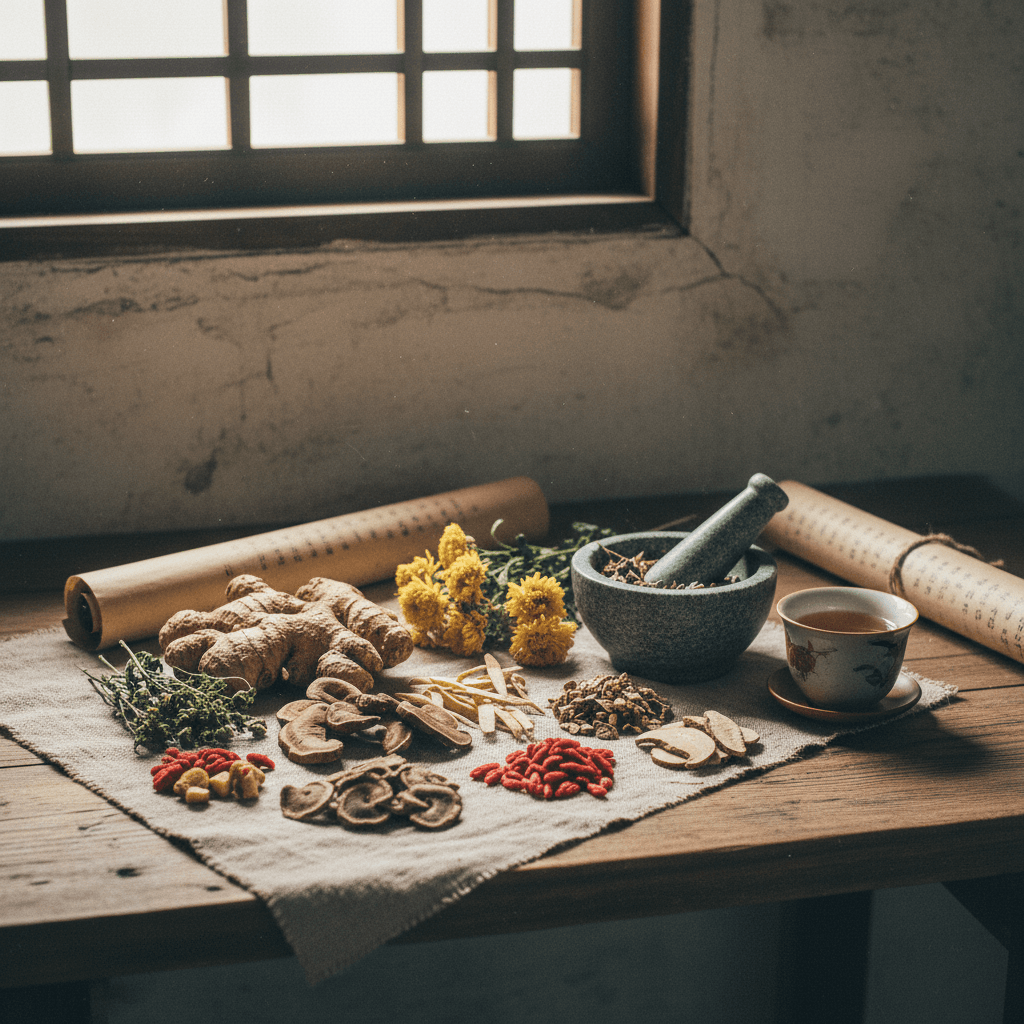
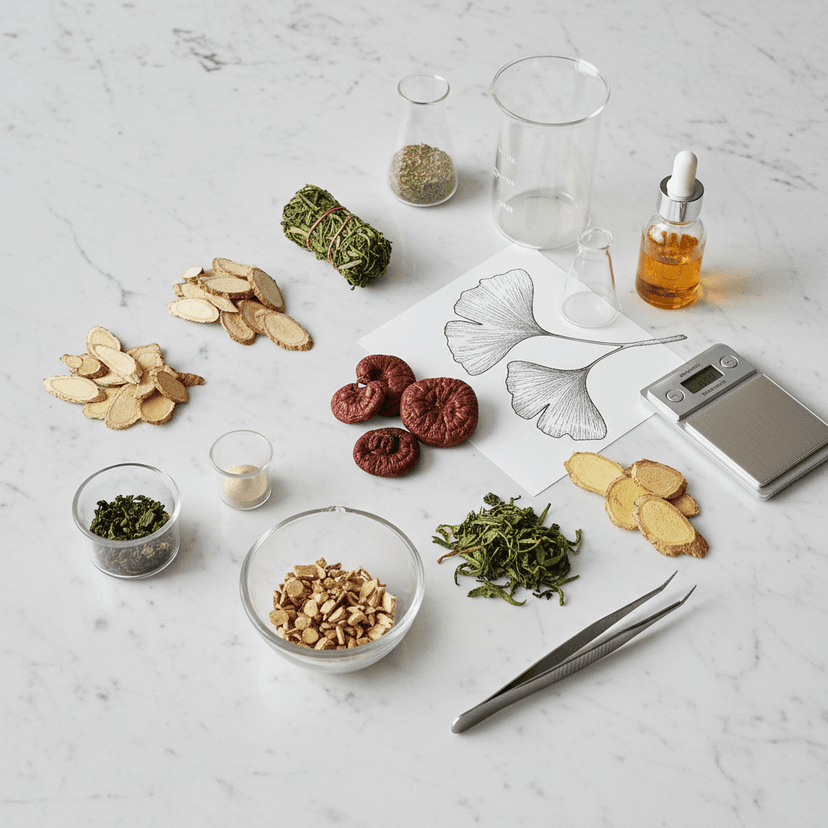
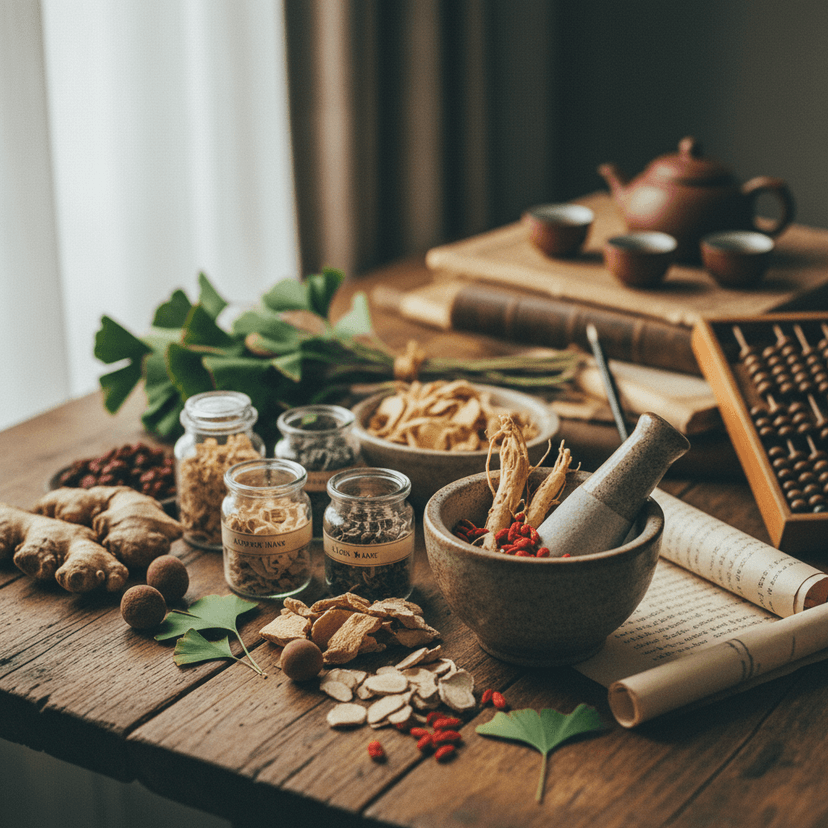
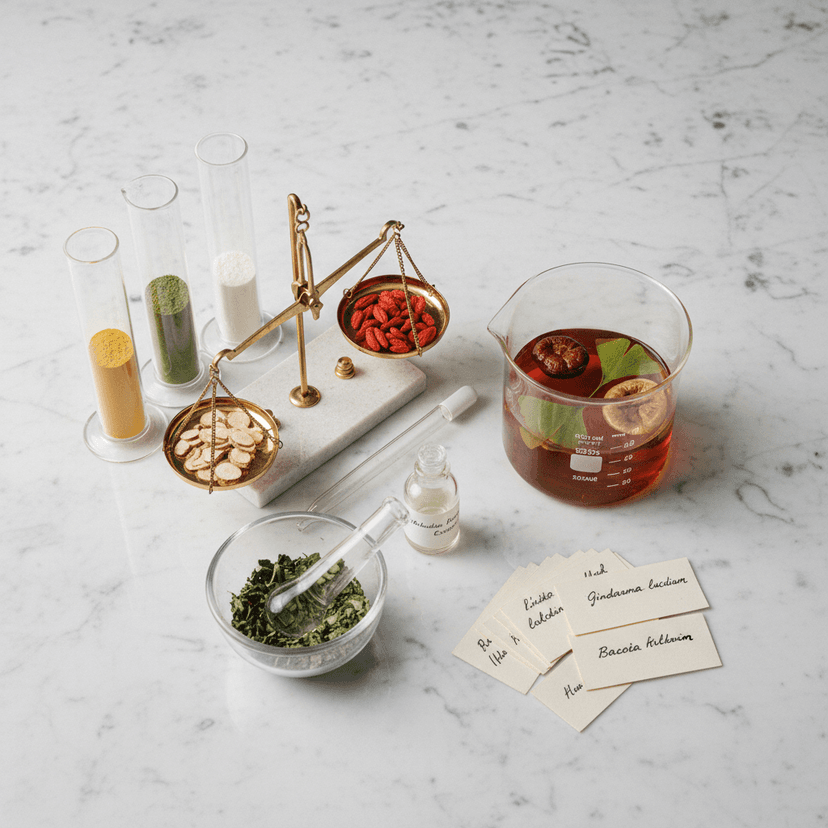
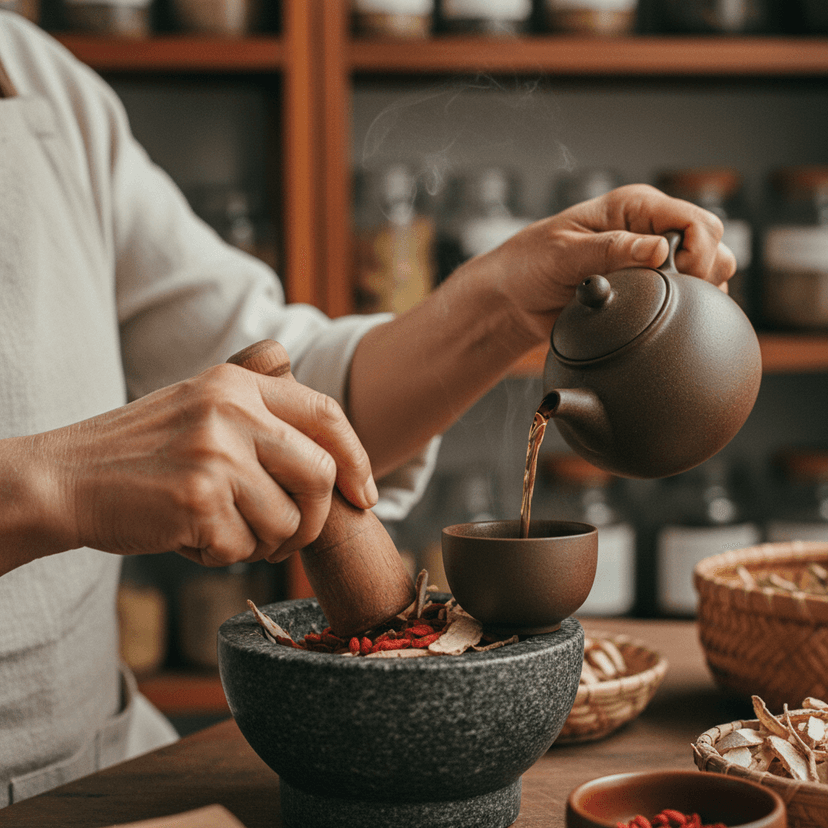
Let's talk about Huang Qi (Astragalus membranaceus). This foundational herb, a category one tonic, is used in Traditional Chinese Medicine for strengthening qi and boosting immunity. Its key active compounds include polysaccharides and triterpene saponins.
Myth #1: Long COVID is a New, Unknowable Disease Beyond TCM's Scope
Many patients I see feel their Long COVID symptoms are utterly unique, something medicine has never encountered. They hear 'novel virus' and assume the resulting chronic condition must also be novel in its mechanisms, demanding entirely new treatment approaches.
This often leads to a sense of hopelessness when conventional approaches fall short.
Which, frankly, happens too often with complex post-viral syndromes. It's a disheartening situation.
It’s easy to feel this way. The scientific community is still unraveling the mysteries of SARS-CoV-2. But to believe that ancient medical systems have no framework for lingering illness after infection? That's where we miss an opportunity. A big one.
Actually: Ancient Wisdom Sees Lingering Pathogens
TCM, with its thousands of years of clinical observation, has always understood that pathogens can linger, creating complex, multi-systemic issues long after the initial acute phase. We call this 'Lingering Pathogen' or, in more severe and elusive cases, 'Gu Syndrome.' Think of it as a deeply entrenched imbalance that continues to disrupt normal physiological function, even when the initial 'fever' has passed.
Helene Langevin, MD, Director of the National Center for Complementary and Integrative Health (NCCIH) at NIH, has consistently emphasized the importance of a holistic approach to chronic conditions, acknowledging that body-wide impacts of inflammation and immune dysregulation require more than single-target treatments. This resonates deeply with TCM’s understanding of Gu Syndrome, which often involves chronic inflammation, digestive dysfunction, neurological symptoms, and psychological distress. Sound familiar?
Gu Syndrome describes complex, chronic, and often elusive conditions characterized by deep-seated pathogens, often with digestive, neurological, and psychological symptoms.
For example, I had a patient, Sarah, who came to me after struggling with Long COVID for over a year. She experienced crushing fatigue, brain fog so severe she couldn't work, and inexplicable digestive issues. Western doctors had ruled out major pathologies but offered little in the way of solutions.
In TCM, her presentation mapped closely to a 'Dampness-Phlegm Obstructing Qi' pattern, often seen in Gu Syndrome, where the body struggles to clear residual 'gunk' from the infection, impeding energy flow and cognitive clarity. She felt understood for the first time.
Research Spotlight: TCM's Framework for Post-COVID Symptoms
Researchers at Beijing University of Chinese Medicine, including Zhao Lan Cai and colleagues in a 2024 study published in Beijing Zhongyiyao, have developed a five-pattern differential diagnosis system for Long COVID, identifying common patterns like 'Qi Deficiency with Phlegm-Dampness Obstruction' (气虚痰阻) as the most prevalent (32.6% of cases). This is not mere theory; it's a practical, clinically validated framework for classification and treatment.
This means Long COVID isn't a blank slate for TCM; it's a condition with recognizable patterns that have analogues in our ancient texts. We're applying a deeply established system to a contemporary challenge, rather than inventing something from scratch.
Clinical Takeaway: Long COVID's complexity finds its diagnostic home within TCM's historical understanding of chronic, lingering illness, offering a map for individualized treatment.
Myth #2: All Long COVID Fatigue Is Just 'Low Energy' That Needs Boosting
When you're exhausted, the natural inclination is to reach for stimulants – caffeine, high-dose B vitamins, or even potent 'energy-boosting' herbs. The assumption is that fatigue equals a simple lack of energy, and therefore, more energy is the only solution. Many patients try this, only to find themselves more wired and tired, or crashing harder than before. It’s a common, understandable trap.
This oversimplification can be dangerous, especially for a delicate condition like Long COVID, where the body's systems are already dysregulated. Pushing a system that's already overwhelmed often leads to worsening symptoms, particularly post-exertional malaise (PEM) – that debilitating crash after even minimal physical or mental effort.
Actually: Fatigue is a Call for Balance, Not Just Stimulation
In TCM, fatigue is rarely a monolithic 'low energy' issue. It's a symptom that can point to various underlying imbalances: Qi Deficiency (true lack of vital energy), Dampness Obstruction (a heavy, foggy feeling), Blood Stasis (poor circulation and nutrient delivery), or even Liver Qi Stagnation (frustration, irritability, and constrained energy). Each requires a different approach. You wouldn't treat a clogged drain the same way you'd treat an empty well, right?
Take Huang Qi (Astragalus). 《本草纲目》 (Bencao Gangmu) states it 'supplements original qi, dispels heat from the skin, eliminates pus, and stops pain.' Modern research, as highlighted by Andrew Weil at the University of Arizona's Center for Integrative Medicine, confirms its immunomodulatory properties. For Qi Deficiency, it's a primary choice. But for Dampness, it needs to be combined with herbs like Bai Zhu (Atractylodes macrocephala) to fully resolve the issue.
《神农本草经》 (Shennong Ben Cao Jing) notes Bai Zhu 'primarily treats wind-cold-damp obstruction, stops sweating, and promotes urination' – perfect for clearing internal dampness.
Sun Xue Song and colleagues, in another 2024 article from Beijing Zhongyiyao, demonstrated that patients with 'Zong Qi Deficiency' (宗气亏虚), a specific type of Qi deficiency related to respiratory function, showed an 18.5% increase in their 6-minute walk distance after 'Qi-tonifying' treatment. This isn't about feeling less tired; it's about measurable improvements in physical capacity. It's about restoring function.
For patients with Long COVID, the biggest mistake I see them make is trying to push through the fatigue. That's a recipe for disaster. TCM teaches us to listen to the body's signals, to gently support and rebalance, not to override. This is especially true for post-exertional malaise. Aggressive stimulation can trigger a crash, whereas a nuanced approach can gradually expand capacity.
Clinical Takeaway: True Long COVID recovery for fatigue requires precise pattern differentiation and targeted support, not generalized energy boosts that risk exacerbating symptoms like PEM.
Myth #3: Acupuncture for Long COVID is Just About Pain Relief or Relaxation
When people think of acupuncture, they often associate it with musculoskeletal pain, headaches, or stress reduction. These are valid applications, of course. But for a complex, multi-systemic condition like Long COVID, the idea that tiny needles could do more than offer temporary relief might seem far-fetched to some. They might come in hoping for a momentary escape from their symptoms, not a deep transformation in their health.
Many healthcare providers, even those open to integrative approaches, still view acupuncture as a peripheral therapy, a 'nice-to-have' rather than a core component of a recovery strategy for something as pervasive as Long COVID. This perception limits its potential, making it harder for patients to access its full benefits.
Truthfully: Acupuncture Rebalances the Body's Operating System
Acupuncture is far more than a pain reliever. It's a sophisticated system for regulating the body's entire physiological network, influencing everything from nervous system modulation to immune response and inflammation. Brent Bauer, MD, from the Mayo Clinic's Integrative Medicine and Health program, often highlights how integrative therapies like acupuncture can profoundly impact complex conditions by addressing the body's regulatory systems. It helps the body remember how to heal itself.
For Long COVID, we use specific acupuncture points and techniques to address those underlying patterns: boosting Qi, resolving Dampness, invigorating Blood, and calming the Spirit. For brain fog, for instance, points on the head or along the Spleen meridian can help clear mental fogginess by improving circulation and digestion. It goes beyond symptoms; it's about recalibrating the internal operating system.
A systematic review and meta-analysis published in 2025 indicated that TCM, including acupuncture and herbal medicine, may significantly relieve certain post-COVID-19 symptoms. Specifically, it showed improvements in chest tightness (Risk Ratio = 1.40; P < 0.0001) and insomnia (Risk Ratio = 1.23; P = 0.0216).
While the study showed trends towards benefit for fatigue and dyspnea, the clear positive effect on chest tightness and insomnia points to acupuncture's role in regulating lung function and calming the nervous system – key areas often disrupted in Long COVID.
However, a critical caution: aggressive acupuncture can sometimes worsen Long COVID symptoms. I've seen patients, particularly those with severe post-exertional malaise, experience flares if the treatment is too strong or too frequent. This isn't a failure of acupuncture, but a misapplication. It’s like trying to run a marathon when your body needs gentle physical therapy. The practitioner must understand the patient's delicate state and tailor the treatment intensity accordingly. It’s about gentle persuasion, not brute force.
Clinical Takeaway: Acupuncture is a powerful regulatory tool for Long COVID, capable of rebalancing internal systems beyond mere symptom relief, but requires a skilled practitioner sensitive to the condition's unique delicate nature.
Myth #4: Combining TCM with Western Medications for Long COVID is Risky or Ineffective
Many patients hesitate to discuss their TCM treatments with their Western doctors, fearing dismissal or concern about drug-herb interactions. Conversely, some Western practitioners may be wary of 'alternative' therapies, advising against combining them, often due to a lack of familiarity with how TCM works or perceived risks. This creates a challenging situation for patients, who often feel they have to choose one system over the other.
This perceived incompatibility forces patients into an unnecessary dilemma. They miss out on the synergistic benefits that a genuinely integrative approach can offer, leaving them feeling unsupported and fragmented in their recovery path. It’s a significant barrier to comprehensive care.
Actually: Thoughtful Integration is the Gold Standard
As an integrative medicine physician, my entire practice is built on bridging these two worlds. Combining TCM with conventional Western medicine for Long COVID is not only possible but often highly beneficial. The key is communication, knowledgeable practitioners, and a personalized strategy. Think of it like a symphony orchestra – different instruments playing together to create a richer, more complete sound.
My patient, David, was on several Western medications for heart palpitations and anxiety related to his Long COVID. We worked closely with his cardiologist, carefully selecting TCM herbs to support his heart Qi and calm his Shen (spirit), ensuring no interactions. Over time, as his TCM treatment helped stabilize his symptoms, his cardiologist was able to gradually reduce some of his medications under supervision. It was a true collaboration.
A retrospective cohort study in 2025 on TCM for post-COVID reported significant global symptom improvement (62% ± 29% after an average of 7 ± 4 consultations). And another study from the same year on Five-Element Regulatory Therapy (FERT), a specific TCM intervention, showed a 61.7% cure rate and 88.9% response rate – significantly higher than conventional TCM therapy. These are real-world outcomes demonstrating what these approaches can achieve, whether standalone or integrated.
Patient well-being should always be the priority, not rigid adherence to one approach.
For instance, if a patient is taking anticoagulant medications, I would be extremely cautious with herbs that also affect blood coagulation. Similarly, for those on immunosuppressants, herbs known to powerfully modulate the immune system would require careful consideration. It’s not a blanket ban, but a nuanced clinical decision, always prioritizing patient safety.
Clinical Takeaway: Integrating TCM and Western medicine for Long COVID offers a comprehensive, synergistic path to recovery when managed by experienced practitioners who prioritize open communication and patient safety.
The Bigger Picture: Reclaiming Your Body's Wisdom
We’ve just journeyed through some common misconceptions about Long COVID and TCM, hopefully revealing a more nuanced and powerful truth. You might have come into this article thinking Long COVID was an entirely novel, untreatable enigma, or that TCM was a 'nice-to-have' add-on. My hope is that you now understand it differently.
The real question isn't whether TCM 'works' for Long COVID – the evidence, both ancient and modern, increasingly says it does. The better question is: Are we willing to look beyond conventional boundaries to fully understand and support the body's profound capacity for healing?
Long COVID is more than a physical ailment; TCM treats more than symptoms; it seeks to restore harmony to the whole system – mind, body, and spirit. It asks: Why is this imbalance occurring? And how can we gently guide the body back to its natural state of equilibrium?
This perspective offers more than treatment alone; it gives you a sense of control. It shifts the narrative from passive victim to active participant in your own healing. You have the wisdom within you, and TCM provides a powerful lens through which to access it.
Seek out a qualified, experienced practitioner who understands the nuances of Long COVID. Ask questions. Be an advocate for your own health. Your path to recovery might not be linear, but with an integrative approach, it can be profoundly healing.
References
- Efficacy and safety of traditional Chinese medicine for post-COVID-19 syndrome: a systematic review and meta-analysis (2025)
- Traditional Chinese medicine for post-COVID: A retrospective cohort study (2025)
- Effectiveness of Five-Element Regulatory Therapy for post-COVID syndrome: a retrospective cohort study (2025)
- An X et al., Clinical Traditional Medicine and Pharmacology (2024)
- 赵兰才等,《北京中医药》(2024)
- 孙雪松等,《北京中医药》(2024)
- Bensky, D. & Gamble, A. — Chinese Herbal Medicine: Materia Medica, 3rd Ed. (2004)
- Weil, A. — University of Arizona Andrew Weil Center for Integrative Medicine
- Bauer, B. — Mayo Clinic, Integrative Medicine and Health
- 《本草纲目》 — 李时珍 (1596)
- 《神农本草经》 — 佚名 (c. 200-250 CE)