Hey everybody. Traditional Chinese Medicine significantly alleviates fatigue symptoms. Jian-Ping Liu and his team at Beijing University of Chinese Medicine detailed this in 2014, citing 23 randomized clinical trials involving 1776 participants.
Still, many dismiss it.
This contradicts the common belief that chronic fatigue and brain fog are simply conditions to be managed with stimulants or dismissed as 'all in your head.' I've seen countless patients, especially since 2020 with the rise of Long COVID, feel utterly abandoned by conventional approaches.
What if the problem isn't a lack of coffee, but a profound imbalance Western medicine often overlooks? Perhaps the real question isn't how to get more energy, but rather: What is draining your vital force, and how can we restore your body's inherent balance?
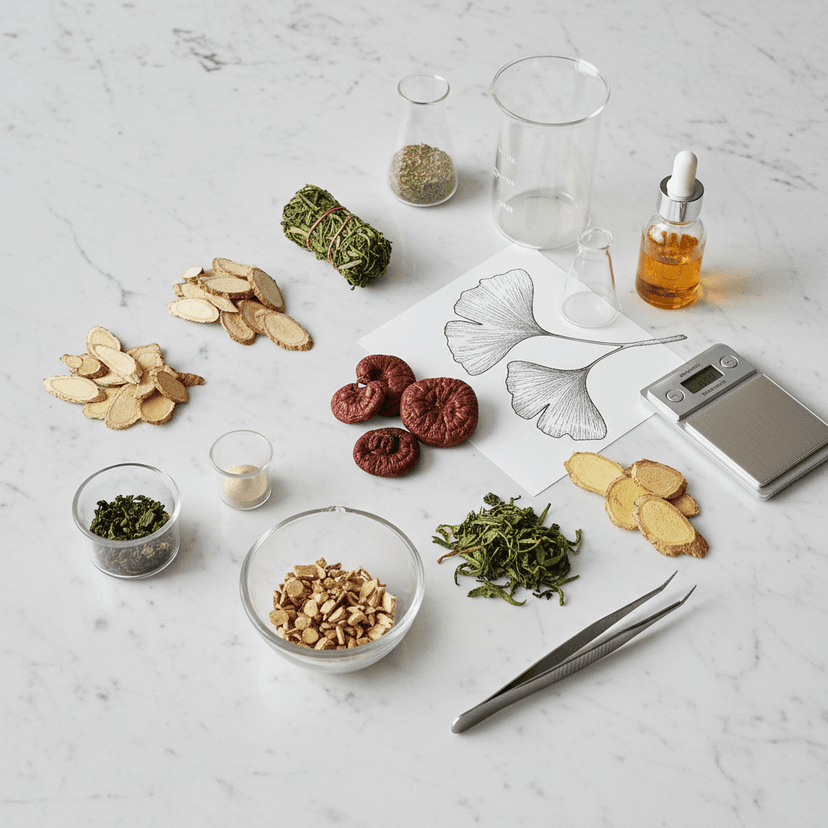
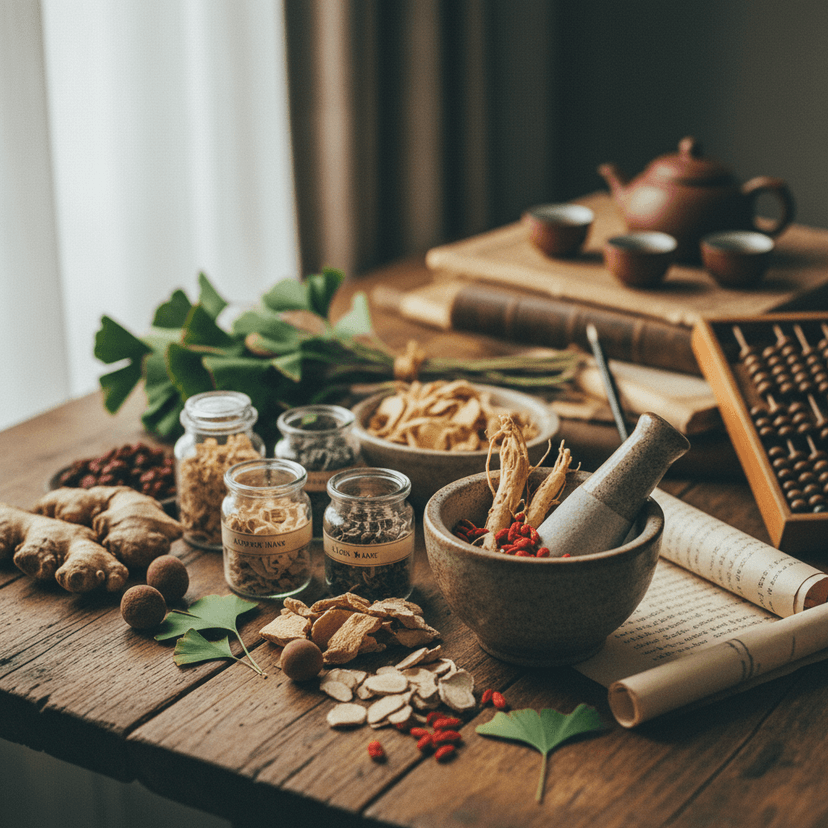
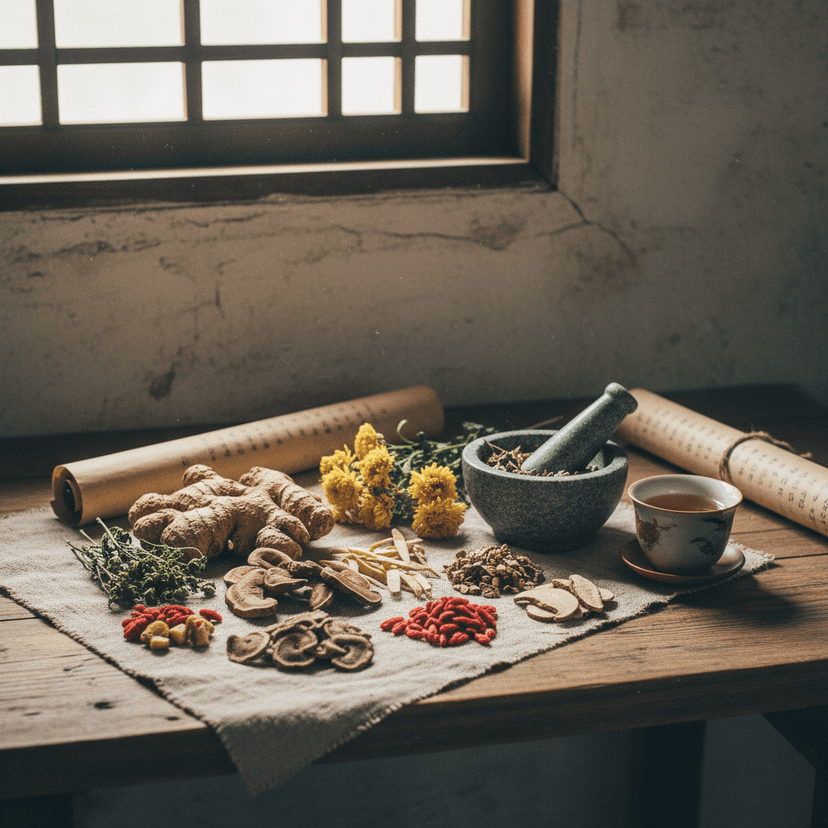
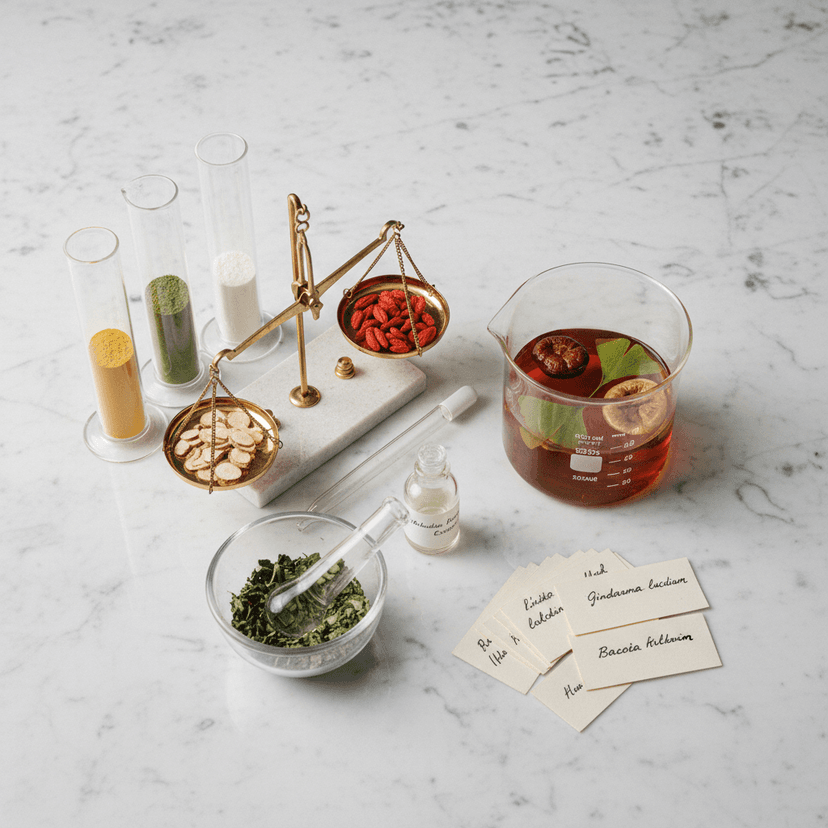
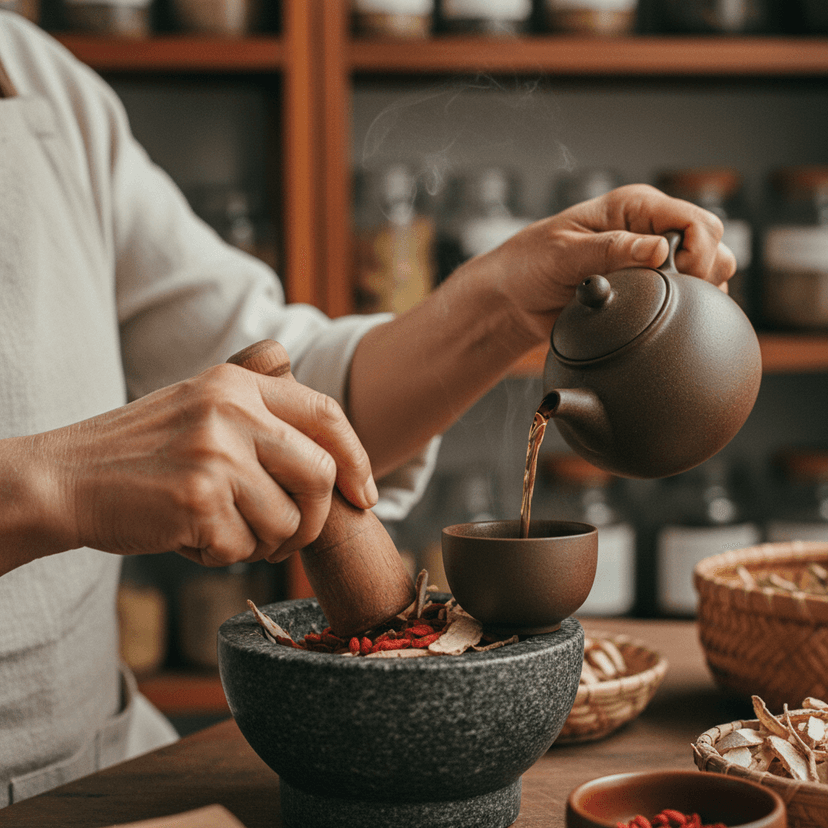
For instance, Huang Qi (Astragalus membranaceus), also known as Milk-Vetch Root, is a fundamental tonic herb used in Traditional Chinese Medicine for boosting Qi (vital energy) and strengthening the immune system. Its key active compounds include polysaccharides, flavonoids, and saponins.
Myth #1: Chronic Fatigue Is Just About Low Energy – A Simple Fix
Many assume chronic fatigue is a simple equation: low energy in, low energy out. We live in a culture that champions quick fixes – another espresso, a sugary snack, or an over-the-counter stimulant.
I hear it daily in my clinic: 'I just need a boost. What’s the strongest supplement you have?' But that approach misses the forest for the trees.
Look, TCM views fatigue not as a singular symptom, but as a complex manifestation of deeper systemic imbalances. It’s rarely just about 'low energy.' It's like trying to fix a leaky pipe by constantly bailing water out of the basement. You need to address the leak itself.
What's Actually True: The Spleen's Vital Role
In TCM, the Spleen (a concept encompassing digestive and metabolic functions, not just the organ itself) is absolutely central to energy production. It transforms the food and drink we consume into Qi and Blood.
When your Spleen Qi is weak, this transformation falters. Picture a faulty engine that struggles to convert fuel efficiently into power. You might be putting good fuel in, but getting poor mileage out, leaving you constantly drained.
This goes beyond TCM theory; modern research is increasingly validating the gut-brain axis, showing how digestive health profoundly impacts mood and cognitive function. For example, researchers are exploring how gut microbiome dysregulation can contribute to fatigue states, aligning with TCM's focus on digestive vitality. Dr. Andrew Weil at the University of Arizona, a pioneer in integrative medicine, often emphasizes the interconnectedness of gut health and overall vitality, a principle that resonates deeply with the TCM understanding of the Spleen's role.
Research Spotlight: Herbal Solutions for Deeper Balance
A recent meta-analysis by Li et al. (2025) published in Frontiers in Pharmacology found that Xiaoyao San-based interventions significantly improved fatigue symptoms, anxiety, and depression in patients with Chronic Fatigue Syndrome. This formula, traditionally used for Liver Qi stagnation and Spleen deficiency, shows how addressing underlying patterns, rather than just chasing symptoms, can be highly effective. It’s not about a magic pill; it’s about restoring the body's natural harmony.
Myth #2: Brain Fog Is Purely Neurological – A Brain Problem Only
When brain fog hits, our immediate thought goes to the brain. We blame stress, lack of sleep, or maybe even early cognitive decline. And yes, these factors play a role. But from a TCM perspective, brain fog, or 'phlegm misting the mind' as we often say, is far more intricate than just a glitch in your neural network. It's often a direct consequence of digestive dysfunction.
This might sound counterintuitive. How can your stomach affect your thoughts? But remember the Spleen? When Spleen Qi is weak, it struggles to transform fluids, leading to an accumulation of 'Dampness' and 'Phlegm' in the body. This isn't the phlegm you cough up; it’s a pathological fluid that becomes thick and viscous, literally 'misting' the clarity of your mind. It slows thought, dulls memory, and creates that heavy, cloudy sensation.
What's Actually True: Inflammation and the Gut-Brain Connection
Western science is rapidly catching up to this ancient wisdom. We now understand the profound connections of the gut-brain axis. Researchers like Dr. Brent Bauer at Mayo Clinic and Dr. Helene Langevin at NIH NCCIH are spearheading studies into how systemic inflammation, often originating in the gut, can directly impact brain function, leading to cognitive impairment and fatigue. This 'phlegm' of TCM might very well represent the inflammatory cytokines and metabolic byproducts that disrupt neurological clarity.
We're talking about microglial activation, compromised blood-brain barrier integrity—complex biological processes that TCM described functionally thousands of years ago. Isn't that intriguing?
I had a patient, Sarah, a 42-year-old marketing executive from Seattle, who came to me with debilitating brain fog. She couldn't focus, her memory was shot, and she constantly felt overwhelmed. Her Western doctors had run every test, finding nothing. We diagnosed her with Spleen Qi deficiency and significant Dampness.
After just six weeks of individualized herbal medicine, dietary changes focusing on warm, easily digestible foods, and a simple Qigong practice, she told me, 'It feels like someone finally opened the blinds in my head. I can think again.' A transformation, plain and simple.
One key dietary shift for Sarah involved incorporating a simple ginger-date tea daily. To make this tea, simply slice 3-4 pieces of fresh ginger, add 2-3 pitted red dates (jujubes), and simmer in 2 cups of water for 15 minutes. This strengthens Spleen Qi and helps resolve dampness. It's a small change, but profoundly impactful.
Myth #3: TCM Is Just for Relaxation, Not 'Real' Conditions
Many people view TCM as a gentle, complementary therapy – something nice to do for stress, maybe a bit of relaxation. While it certainly offers those benefits, to limit TCM to 'just relaxation' completely misses its profound diagnostic and therapeutic power. It’s a sophisticated medical system, honed over millennia, with a unique understanding of the body's intricate energy dynamics.
What's Actually True: A System of Dynamic Balance
TCM isn't about masking symptoms; it's about restoring dynamic balance. When we talk about Qi, we're not speaking of some abstract, unmeasurable force. We're talking about the body's vital functional energy – the driving force behind all physiological processes, from digestion to immunity. Think of it as the metabolic energy that powers cellular activity, neurotransmitter synthesis, and immune surveillance. When this Wei Qi, our defensive energy, is robust, we are resilient. When it falters, fatigue and vulnerability set in.
Acupuncture, for example, goes beyond 'pricking points.' It modulates neurological pathways, influences cytokine release, and impacts blood flow. Wang et al. (2023) conducted a meta-analysis of 13 studies (n = 1187 participants) and found that Traditional Chinese mind-body exercises like Qigong and Tai Chi probably reduce fatigue severity, depression, and anxiety in CFS patients. That's not just relaxation; that’s measurable clinical improvement.
Beyond that, recent research in China has been exploring the specific mechanisms. Wang Yitong and colleagues (2024) at Beijing University of Chinese Medicine demonstrated that Bu Zhong Yi Qi Needling (补中益气针法) can improve fatigue symptoms and serum oxidative stress indicators. This suggests a direct impact on cellular energy production and anti-inflammatory pathways. It's science, not just ancient philosophy.
Myth #4: All Herbal Formulas Are the Same – Just Grab What’s Popular
Walk into any health food store today, and you’ll find shelves stocked with 'energy' blends and 'brain boost' supplements. It's easy to assume one herbal formula is as good as another, or that if a friend swears by a certain herb, it must work for you too. This is one of the biggest mistakes I see people make with herbal supplements – they treat them like Western drugs, a one-size-fits-all solution. Not even close.
That's not how Traditional Chinese Medicine works. Central to TCM is the concept of 'pattern differentiation' (辨证论治). We don't just treat the symptom – fatigue or brain fog. We diagnose the unique pattern of imbalance in your body. Is it Spleen Qi deficiency? Liver Qi stagnation? Kidney Yin deficiency? Damp-Phlegm accumulation? Each pattern requires a different approach, a different set of herbs.
What's Actually True: Personalization in Practice
Consider the classical formula Bu Zhong Yi Qi Tang (补中益气汤), a well-known remedy for Spleen and Stomach Qi deficiency. Its components work synergistically. 《本草纲目》载:"黄芪甘,微温,无毒,主劳倦伤力,止渴,益气,利阴气。" This highlights Huang Qi's role in addressing fatigue and strengthening Qi. And then there's Bai Zhu. 《神农本草经》载:"白术主风寒湿痹,死肌,痉,疸,止汗,除热,消食。" Its ability to dry dampness and strengthen the Spleen is critical for resolving the 'phlegm' that clouds the mind and causes heaviness. Modern studies continue to validate its efficacy.
For instance, Zhang Yanming and colleagues (2025) reported that Bu Zhong Yi Qi Tang significantly alleviated fatigue in 85.7% of patients and improved dampness-related symptoms in 78.2%, also enhancing sleep quality.
This is why seeing a qualified TCM practitioner is so crucial. They assess your tongue, pulse, symptoms, and lifestyle to determine your specific pattern. My patient, David, a 55-year-old accountant from Portland, struggled for years with fatigue, a feeling of heaviness, and stubborn belly fat (— things many people simply resign themselves to as 'aging'). He was convinced he just needed more coffee. His diagnosis was Spleen Qi Deficiency with significant Dampness.
We prescribed a modified Bu Zhong Yi Qi Tang, alongside dietary changes to reduce cold and raw foods.
Within three months, David not only felt lighter and more energetic, but his brain fog had lifted. He said, 'It wasn't just about feeling better, it was about feeling like me again.' This individualized approach is the distinct strength of TCM. It's not about generic solutions; it's about understanding your unique body story.
The Bigger Picture: Reclaiming Your Vitality
So, what does all of this mean for how we approach wellness? Maybe the real question isn't which herbs to take – or even which diet to follow – but whether we've been thinking about wellness through entirely the wrong lens. We're conditioned to look for single causes and quick fixes, often ignoring the intricate, interconnected systems of the body.
TCM offers a profound perspective: your body is an ecosystem, constantly striving for balance. Fatigue and brain fog aren't random malfunctions; they are messages, signals that your system is out of harmony. By listening to these signals through the lens of Spleen Qi, Phlegm, and the broader context of your constitution, we can begin to address the root causes, not just the frustrating symptoms.
This holistic lens extends beyond just acupuncture and herbs. It embraces mindful movement like Qigong, which Wang et al. (2023) showed could reduce fatigue and improve mental function.
It calls for dietary awareness, favoring warm, cooked foods over cold, raw ones to protect your Spleen Qi. And it emphasizes stress management, recognizing that chronic stress directly depletes your vital energy, creating a vicious cycle of fatigue and brain fog. It’s an ongoing conversation with your body.
You don’t have to be trapped in a perpetual fog, battling relentless fatigue. By integrating the ancient wisdom of TCM with the validated insights of functional medicine, you gain powerful tools to reclaim your lasting energy and mental clarity. It’s about more than just feeling better; it’s about understanding yourself at a deeper level.
References
- Liu et al. – Traditional Chinese Medicine for Chronic Fatigue Syndrome: A Systematic Review and Meta-Analysis, 2014
- 王翊同等 – 补中益气针法对慢性疲劳综合征的疗效观察及对血清氧化应激指标的影响, 2024
- 张彦明等 – 补中益气汤加减治疗痰湿体质慢性疲劳综合征的临床研究, 2025
- 《本草纲目》
- 《神农本草经》