A 2025 study by Lu Qitian and colleagues in the Journal of Nanjing University of Chinese Medicine showed a 44.64% pregnancy rate when a TCM formula was combined with letrozole for PCOS infertility. This intriguing synergy, often observed with the earthy scent of brewing herbs, challenges us to look beyond conventional fertility paths.
This suggests that what Western medicine often views as isolated 'fertility issues' might actually be deeply interconnected patterns in Traditional Chinese Medicine (TCM), signaling a body out of harmony. I often wonder, what if preparing for conception isn't about simply fixing a problem, but about actively cultivating a fertile internal balance?
Dang Gui (Angelica sinensis), a member of the Apiaceae family, is a fundamental tonic herb in Traditional Chinese Medicine, primarily used for nourishing blood, regulating menstruation, and invigorating blood circulation. Classical texts like Shen Nong Ben Cao Jing describe its use for conditions including '妇人漏下绝子' (female discharge and infertility). While its key active compounds like ferulic acid and ligustilide are areas of modern study, its traditional role focuses on addressing blood deficiency and stagnation.
I don't see this as choosing one system over another. For me, it's about blending perspectives, truly understanding your body’s unique language, and taking actionable steps toward reproductive harmony. We can look at a TCM approach that gently invites your body into balance.
1. Understanding Your Comprehensive Approach: The TCM View of Fertility
Western medicine often zeroes in on specific components: hormone levels, ovulation tracking, sperm count, or structural integrity. These are crucial, no doubt.
But TCM asks a different question. It probes for the underlying terrain, the constitutional pattern that might be creating a specific manifestation. What's really going on beneath the surface?
Your first step is to begin observing your body's subtle signals. In TCM, reproductive health is not isolated; it’s an intricate dance of Qi (life force energy), Blood (nourishment and circulation), and Jing (essence, akin to genetic potential or ovarian reserve). When these are in harmony, the body is primed for conception. When they're out of sync, symptoms arise.
Consider a woman experiencing irregular cycles, persistently cold hands and feet, and pervasive fatigue. In Western terms, this might point to hormonal imbalances. In TCM, this pattern often suggests a Kidney Yang deficiency, impacting the 'warmth' and vitality essential for reproductive organs. It’s a systemic imbalance, not just a localized issue.
Research Spotlight: Tailoring Treatment to You
The idea of personalized care truly sits at the heart of TCM. Fan Yutong and colleagues (2024) highlighted the classical '因地制宜' (adapt to local conditions) theory by Cheng Guopeng for modifying infertility prescriptions. They noted that in some regions, formulas were adjusted to use 40% fewer warming-drying herbs to suit the local environment and patient constitution.
What I find so compelling about this is that it moves beyond a one-size-fits-all approach, pointing instead to deeply personalized care based on individual patterns and even geography.
True fertility support, from a TCM perspective, starts with listening to your body's unique story and understanding its constitutional patterns, not just diagnosing a symptom.
2. Nourishing the Roots: Diet and Lifestyle Foundations
Food as medicine, lifestyle as daily rhythm. I see these not as 'extras' to consider, but as the very earth beneath the roots of your reproductive health. My grandmother, for instance, always emphasized warming foods. She’d say they 'keep the womb warm.'
The action here is simple yet profound: incorporate warming, nourishing foods and prioritize consistent, restorative sleep. In TCM, a strong Spleen (digestive system) generates Qi and Blood. Cold, raw foods can dampen Spleen Qi, diverting energy from reproductive functions to digestion. It’s a subtle but significant energy drain.
Think cooked vegetables, nourishing broths, and gentle spices. Avoid excessive cold drinks and raw salads, especially during your menstrual phase. Modern science is increasingly exploring the gut-brain axis and inflammation's role in fertility, which isn't so far removed from TCM's ancient wisdom on digestion and 'uterine warmth.'
Consistent sleep, too, is non-negotiable. It allows the body to restore Jing and Blood, vital for reproductive processes. A late night here or there isn’t the end of the world, but chronic sleep deprivation slowly depletes your reserves.
Consistency in diet and routine creates a stable internal environment, allowing your body to conserve energy for reproductive processes rather than constantly battling digestive strain or temperature fluctuations.
3. Harmonizing the Flow: Emotional Well-being and Qi
Stress, anxiety, frustration – these emotional states have a direct physical impact. In TCM, they directly affect the smooth flow of Qi, particularly Liver Qi, which is intimately connected to your menstrual cycles, ovulation, and overall reproductive function. This can affect channels like the Ren and Du Vessels (Conception and Governing Channels), crucial pathways for reproductive energy.
Your action here is to find daily, intentional practices to release emotional tension. Liver Qi stagnation can manifest as irritability, PMS symptoms like breast tenderness, headaches, and irregular periods. It's the feeling of being 'stuck' emotionally and physically.
I remember a friend, deeply desiring to conceive, felt a constant, uncomfortable knot in her stomach. When she started a simple evening stretching routine, just 15 minutes of gentle movement and deep breathing, she noticed her periods became more regular, and she felt a profound sense of calm. It wasn't just physical; it was a palpable release. As one wise elder once shared with me, 'The body doesn't rush. It listens, and then it responds, in its own time.
' This applies so much to our emotional balance.
Unresolved emotional tension can be a significant block to reproductive harmony, manifesting physically as disrupted cycles and reduced vitality. Addressing it, I believe, isn't a luxury; it's a fundamental step.
4. Herbs: Gentle Support for Conception
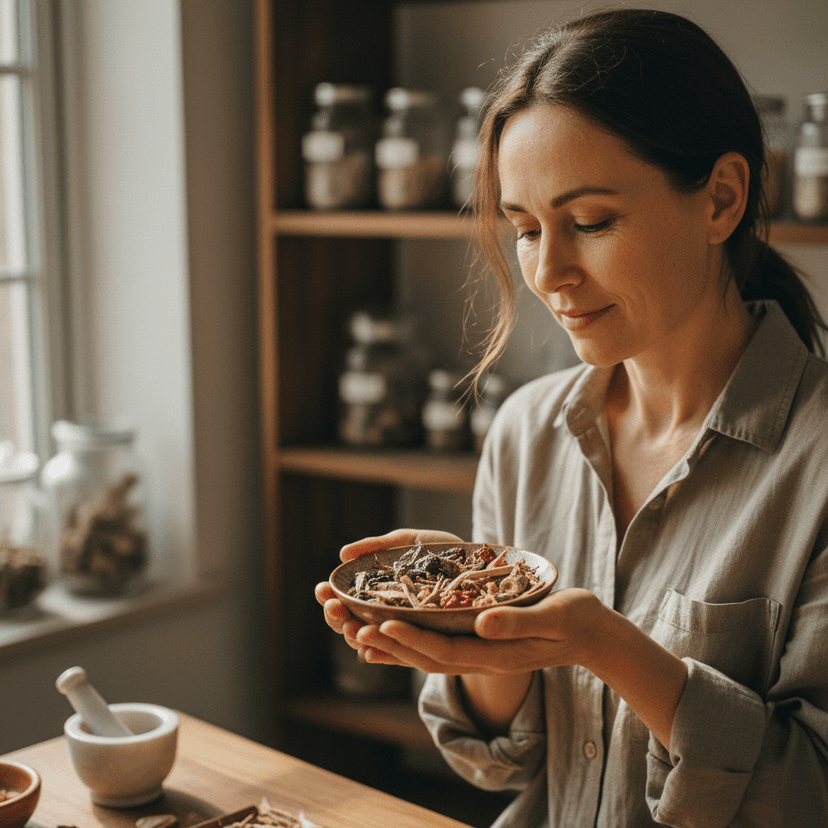
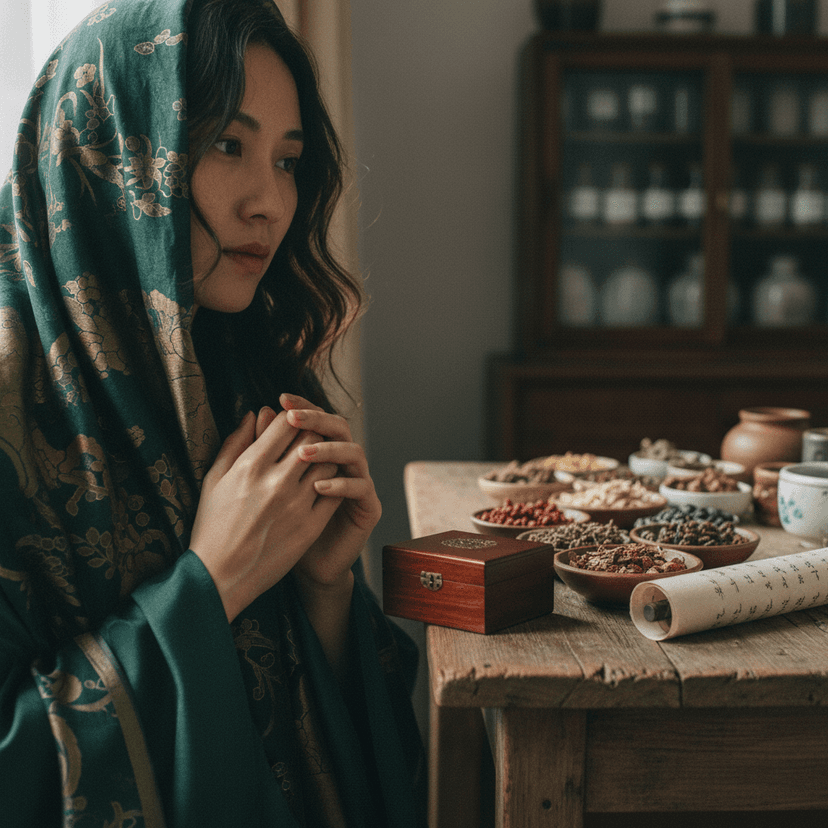
Traditional herbal formulas are far from random concoctions. They are carefully balanced recipes, crafted over centuries to address specific patterns of imbalance in the body. They work to gently guide the body back to equilibrium, creating an environment where conception can flourish.
Your action here is to explore well-researched traditional formulas with a trusted guide who understands your unique constitution. For example, Wen Shen Yu Luan Tang (Warm Kidney and Nurture Ovum Decoction) is a formula often used to support ovulation.
Research Spotlight: Herbs for Ovulation
Pang Qiuhua and colleagues (2013) demonstrated the efficacy of Wen Shen Yu Luan Tang in promoting follicular development for anovulatory infertility. Their research found a remarkable 68% pregnancy rate in the treatment group, compared to 42% in the clomiphene control group. It's a powerful illustration of how targeted herbal formulas can support the body's natural processes, offering a significant boost.
Classical texts like Ben Cao Gang Mu describe Deer Antler (鹿茸) as being able to '生精补髓,养血益阳,强健筋骨' – generating essence, nourishing marrow, enriching blood and bolstering Yang, strengthening sinews and bones. This highlights the concept of 'Kidney essence,' which is vital for reproductive health in TCM, supporting the deepest reserves.
When chosen carefully and tailored to individual patterns, herbal formulas can provide profound, multi-faceted support for reproductive function, often working to optimize the very environment where conception can occur.
5. Common Missteps on the Path to Parenthood
Sometimes, with the best intentions, what we think is helping can actually be counterproductive. It’s easy to get caught up in the urgency of trying to conceive and fall into common traps.
The biggest mistake I often see people make? They treat TCM like a checklist of symptoms. They might self-diagnose 'cold uterus' and take warming herbs, when their underlying pattern might actually be 'damp heat' – which those herbs would only worsen. TCM is about patterns, not isolated symptoms.
Another misstep is an over-reliance on supplements or herbs without addressing foundational lifestyle elements. You can take all the nourishing herbs in the world, but if you’re surviving on takeout and four hours of sleep, your body is still struggling. Lifestyle changes are the bedrock.
Ignoring the emotional component is also a significant oversight. Fertility journeys are inherently stressful, and that stress, if unaddressed, feeds into the very imbalances we're trying to resolve. It's a tricky cycle.
Patience is a virtue here.
The journey can be long and winding, and sometimes the most frustrating part is realizing that what seemed like a straightforward path has unexpected turns. I often wonder if we've been thinking about wellness through entirely the wrong lens, prioritizing quick fixes over deep cultivation, rather than focusing on which herbs to take.
True healing and preparation for conception is a marathon, not a sprint. It demands consistency, patience, and a willingness to adapt as your body evolves.
Your First 24 Hours: A Mini-Plan for Reproductive Harmony
Ready to begin cultivating your internal balance? Here are three specific things you can do within the next day to start your journey:
- Reflect and Observe (15 minutes):
Spend a few moments noticing how your body feels today. Are you warm or cold? Energized or fatigued? Any areas of tension? This isn't about judgment; it's about becoming a keen observer of your unique blueprint. Jot down a few notes if that helps.
- Warm Your Core (Ongoing):
Opt for a warm, cooked meal for dinner tonight – perhaps a simple vegetable soup or stew. Sip warm water or ginger tea throughout the day. Consciously avoid ice-cold drinks, especially with meals.
- Gentle Movement & Release (20 minutes):
Take a short, intentional walk, or try some gentle stretches or deep breathing before bed. This helps to move stagnant Qi and calm your nervous system, preparing you for restorative sleep.
References
- 李时珍,《本草纲目》
- 《神农本草经》