當歸 · Dang Gui
Radix Angelicae Sinensis
Discover Dang Gui (Chinese Angelica Root), a revered herb in Traditional Chinese Medicine, known for its powerful ability to nourish and invigorate blood, support women's health, and enhance overall vitality. Dr. Maya Chen bridges ancient wisdom with modern science.
3-15g; Tincture: 2-4ml
Place 3-15 grams of dried Dang Gui root slices in a non-metallic pot with 3-4 cups of water. Bring to a boil, then reduce heat and simmer gently for 20-30 minutes. Strain and drink the liquid once or twice a day. For chronic conditions, longer simmering times may be recommended by a practitioner.
For finely ground powder, typical dosage is 1-3 grams mixed into warm water, smoothies, or yogurt, once or twice daily. For capsules, follow the manufacturer's specific directions, ensuring the product is from a reputable source with third-party testing.
A more concentrated liquid form, tinctures are convenient for quick absorption. The general dosage is 2-4 ml, 2-3 times a day, diluted in a small amount of water. Always adhere to the specific instructions on the product label.
Place 3-15 grams of dried Dang Gui root slices in a non-metallic pot with 3-4 cups of water. Bring to a boil, then reduce heat and simmer gently for 20-30 minutes. Strain and drink the liquid once or twice a day. For chronic conditions, longer simmering times may be recommended by a practitioner.
For finely ground powder, typical dosage is 1-3 grams mixed into warm water, smoothies, or yogurt, once or twice daily. For capsules, follow the manufacturer's specific directions, ensuring the product is from a reputable source with third-party testing.
A more concentrated liquid form, tinctures are convenient for quick absorption. The general dosage is 2-4 ml, 2-3 times a day, diluted in a small amount of water. Always adhere to the specific instructions on the product label.
Research indicates that Dang Gui's active compounds, including polysaccharides and ferulic acid, possess anti-inflammatory, immunomodulatory, and cardiovascular-protective properties. While traditional use is extensive and well-documented, more rigorous Western-style clinical trials are still needed to fully validate all clinical efficacies.
Moderate — Some clinical studies
Research indicates that Dang Gui's active compounds, including polysaccharides and ferulic acid, possess anti-inflammatory, immunomodulatory, and cardiovascular-protective properties. While traditional use is extensive and well-documented, more rigorous Western-style clinical trials are still needed to fully validate all clinical efficacies.
Moderate — Some clinical studies
Dong quai may have additive anticoagulant effect (21). However, this appears to be limited in a human study (44). Cytochrome P450 substrates: Prolonged use of dong quai can induce CYP3A4 by activating pregnane X receptor (36). This may reduce the blood levels and effectiveness of substrate drugs. Clinical relevance is not known. Lisinopril [angiotensin converting enzyme (ACE) inhibitor]: Concurrent use with dong quai exacerbated anemia in a murine model (42). Clinical relevance has yet to be det
Insufficient Data
Dong quai may have additive anticoagulant effect (21). However, this appears to be limited in a human study (44). Cytochrome P450 substrates: Prolonged use of dong quai can induce CYP3A4 by activating pregnane X receptor (36). This may reduce the blood levels and effectiveness of substrate drugs. Clinical relevance is not known. Lisinopril [angiotensin converting enzyme (ACE) inhibitor]: Concurrent use with dong quai exacerbated anemia in a murine model (42). Clinical relevance has yet to be det
Insufficient Data
I recall a patient, a woman in her early forties, who came to me with a constellation of symptoms: persistent fatigue, cold hands and feet even in summer, and menstrual cycles that were both heavy and intensely painful. Her Western labs were unremarkable, leaving her feeling dismissed. After delving into her Traditional Chinese Medicine (TCM) diagnosis, it became clear she was experiencing what we call 'Blood Deficiency and Stasis.' My mind immediately turned to a foundational herb: Dang Gui.
Dang Gui (Radix Angelicae Sinensis), also known as Chinese Angelica Root or Dong Quai, is a foundational herb in Traditional Chinese Medicine (TCM) primarily used to nourish and invigorate blood, especially for women's health.
It’s an herb that has graced the scrolls of Chinese medicine for millennia, with texts like the 《神农本草经》 (Shennong Ben Cao Jing) noting its power to "govern cough and upward qi, warm malaria, cold and heat, and treat women’s irregular discharge and infertility, various sores and wounds." This ancient wisdom, passed down through generations, continues to resonate in modern clinics today.
In TCM, Dang Gui is often revered as "women's ginseng" because of its profound affinity for the female reproductive system. It possesses a unique combination of qualities: it is warm in nature, sweet for nourishing, acrid for moving, and bitter for clearing. These flavors and its warm nature guide it directly to the Heart, Liver, and Spleen meridians.
What does this mean for your body? Think of your Heart meridian not just as your physical heart, but as the seat of your spirit and the commander of your blood circulation. Dang Gui helps nourish Heart Blood, which can support emotional stability and restful sleep. The Liver meridian, in TCM, is responsible for the smooth flow of Qi (life force) and Blood throughout the body, including regulating menstruation and emotional responses.
When Liver Blood is deficient or stagnant, symptoms like irritability, PMS, and painful periods often arise. Dang Gui gently, yet powerfully, addresses this. And the Spleen? It's your digestive powerhouse, transforming food into Blood and Qi. By supporting the Spleen, Dang Gui helps your body create the very nourishment it needs. This combination makes Dang Gui a truly versatile herb for systemic balance, not just a symptom-fixer.
I've seen it bring a subtle warmth and vitality back to patients who felt perpetually cold and drained, much like a slow-burning ember gradually rekindling a fire.
This is where Dang Gui truly shines in TCM. My patient with the heavy, painful periods? Dang Gui was a cornerstone of her protocol. In TCM, these symptoms often point to "Blood Stasis" or "Blood Deficiency," sometimes coupled with "Cold" in the uterus. Dang Gui's actions—tonifying Blood, invigorating and harmonizing Blood, and dispersing Cold—directly address these imbalances. The ancient texts recognized this, with the 《本草纲目》 (Bencao Gangmu) stating it "regulates menstruation and invigorates blood.
" From a Western lens, research suggests constituents like ferulic acid may play a role in regulating uterine contractions and blood flow. While the term "estrogenic" is often thrown around, leading to concern, particularly regarding hormone-sensitive conditions, it's crucial to understand the nuance. Studies, such as a systematic review by Chen et al.
in the Journal of Traditional and Complementary Medicine (2023), concluded that Angelica sinensis (Dang Gui) can be prescribed to breast cancer patients under appropriate TCM treatment theory, indicating a higher level of safety than often assumed, especially in the context of whole formulas. This suggests its effects are more modulatory than overtly estrogenic, helping the body find its own balance.
If you’ve ever felt persistently tired, experienced dizziness upon standing, or had pale skin and brittle nails, TCM would likely point to Blood Deficiency. Dang Gui is a prime "Blood tonic." Its sweet flavor signifies its nourishing quality, helping to build the fundamental substance of Blood. I often tell my patients to think of it not as a stimulant, but as deep, foundational nourishment for their body's reserves.
This deep blood nourishment often translates to improved energy levels, better complexion, and a stronger sense of vitality. The Future Integrative Medicine research brief (2025) highlights Dang Gui's chemical components, including polysaccharides, which are known in functional medicine to support immune function and potentially contribute to hematopoietic processes—the creation of blood cells—echoing its traditional use.
While not its most famous role, Dang Gui has a valuable action in "moistening the Intestines and unblocking the bowels." For individuals prone to constipation, especially when it's linked to dryness or Blood Deficiency, Dang Gui can be a gentle ally. It's not a harsh laxative but rather works by lubricating the digestive tract, making bowel movements smoother and more comfortable. This action helps alleviate abdominal discomfort often associated with stagnation.
Dang Gui's ability to "invigorate and harmonize the Blood" makes it effective for various types of pain, particularly those stemming from "Blood Stasis." This could manifest as sharp, fixed pain, or as the intense cramping my patient experienced during her period. By improving microcirculation and dispersing cold, it helps alleviate such discomfort. Researchers like I.
Hook (2014) from Trinity College Dublin, in the Journal of Ethnopharmacology, note that numerous constituents, including phthalides, demonstrate biological activities that could contribute to its pain-relieving and circulatory benefits, though specific Western clinical trials on pain are still in demand.
While Dang Gui has a rich history of traditional use spanning thousands of years, modern science is increasingly uncovering the biochemical underpinnings of its observed effects. I. Hook, in a 2014 review published in the Journal of Ethnopharmacology, aptly summarized the situation: despite increasing research showing scientific basis for Angelica sinensis extracts, well-designed Western-style clinical trials using authenticated, chemically standardized crude drug material to confirm clinical efficacy are still in short supply.
This doesn't negate its benefits, but it clarifies the distinction between traditional efficacy and randomized controlled trial validation.
However, we are making progress. The Future Integrative Medicine research brief (2025) points out that Dang Gui's chemical components—including polysaccharides, organic acids like ferulic acid, and volatile oils—possess a range of beneficial activities. These include anti-inflammatory, immunomodulatory, cardiovascular-protective, neuroprotective, hypoglycemic, and antitumor properties. For instance, researchers Guo Shuangyan et al. in Xinxiang Medical University Journal (2022) and Feng Huimin et al.
in China Journal of Chinese Materia Medica (2022) have highlighted the significant immunomodulatory effects of Dang Gui polysaccharides and phthalides, with ferulic acid and polysaccharides predicted as core active components.
One area of particular interest is its potential role in cancer support. A systematic review by Chen et al. in the Journal of Traditional and Complementary Medicine (2023) specifically looked at Angelica sinensis for breast cancer patients. Their findings suggest that it can be safely prescribed under appropriate TCM treatment theory, citing studies with higher evidence hierarchies advocating for its safe consumption.
A population-based case-control study mentioned in their work even found a weak but significant protective effect against breast cancer with angelica use, especially in women aged 47-55. This is a nuanced area, and it underscores the importance of practitioner guidance, but it challenges the simplistic notion that Dang Gui is universally contraindicated for hormone-sensitive cancers.
Furthermore, animal studies are exploring its neuroprotective potential. Researchers at Zi Shen Wan Fang (2024), published in Chinese Medicine, observed that Dang Gui could repair the blood-brain barrier in mice with diabetic cognitive impairment, significantly improving cognitive function at certain doses. These findings hint at a broader systemic influence beyond its traditional "blood-tonifying" roles.
Integrating Dang Gui into your health regimen can be quite simple, but the key, as with all potent herbs, lies in appropriate preparation and dosage. For most general uses, I recommend starting with the dried root slices, which are widely available in Asian markets or from reputable herbal suppliers.
This is the most traditional and often most potent way to extract Dang Gui's active compounds. You'll typically use 3-15 grams of the dried root slices. Place them in a non-metallic pot (like ceramic or glass) with about 3-4 cups of water. Bring to a boil, then reduce heat and simmer gently for 20-30 minutes. Strain and drink the liquid. You can consume this once or twice a day.
For chronic conditions, some practitioners recommend a longer simmering time (up to an hour) to extract more of the polysaccharides.
If the taste of the decoction isn't for you, or if convenience is a priority, Dang Gui is available as a finely ground powder or encapsulated extract. For powders, a typical dosage might be 1-3 grams mixed into warm water, smoothies, or yogurt, once or twice daily. For capsules, follow the manufacturer's directions, which usually correspond to a standardized extract. Always ensure you're sourcing from a reputable company that provides third-party testing.
A more concentrated liquid form, tinctures are convenient. The general dosage is 2-4 ml, 2-3 times a day, diluted in a small amount of water. Tinctures can be particularly useful for their quick absorption.
Dang Gui is a cherished ingredient in Chinese tonic soups and stews. It imparts a unique earthy, slightly sweet flavor. For a nourishing tonic, you can add 10-15 grams of whole Dang Gui slices to chicken or pork bone broth, simmered for several hours. This is an excellent way to gently incorporate its benefits into your diet, especially for those recovering from illness or experiencing general weakness.
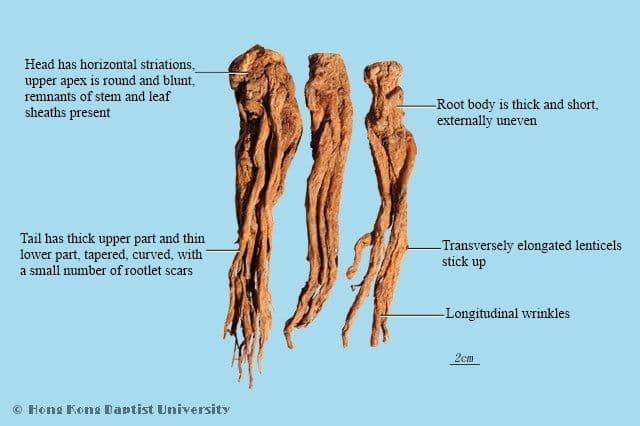
Remember that the "head" (Gui Tou) is traditionally seen as more blood-stopping, the "body" (Gui Shen) more blood-tonifying, and the "tail" (Gui Wei) more blood-moving. The research brief points out that ferulic acid, a key active component, is highest in the tail section, which makes sense given its traditional role in invigorating blood. For general tonic use, a mix of the root body is often preferred.
While Dang Gui is widely used and generally considered safe when used appropriately, it is a potent medicinal herb, and certain conditions warrant caution or complete avoidance. It's crucial to consult with a qualified healthcare practitioner—ideally one knowledgeable in both TCM and Western medicine—before incorporating Dang Gui into your routine, especially if you have existing health conditions or are taking medications.
• Bleeding Risk and Anticoagulant Medications: This is perhaps the most critical contraindication. Dang Gui has blood-invigorating properties and can potentiate the effects of anticoagulant medications such as warfarin (Coumadin). Taking Dang Gui concurrently with these drugs can significantly increase your risk of bleeding or bruising. If you are on blood thinners, you absolutely must avoid Dang Gui.
• Diarrhea or Abdominal Distention: If you frequently experience loose stools, diarrhea, or significant abdominal bloating, particularly due to what TCM terms "Damp-Obstruction," Dang Gui should be used with extreme caution or avoided. Its moistening and slightly laxative properties can exacerbate these symptoms.
• Yin Deficiency with Heat Signs: In TCM, "Yin Deficiency with Heat Signs" manifests as symptoms like night sweats, hot flashes, dry mouth, or a feeling of internal heat. Because Dang Gui is warm in nature, it can potentially worsen these "heat" symptoms if the underlying imbalance is primarily Yin Deficiency with Empty Heat, rather than Cold or Blood Stasis.
• Acute Infections or Unresolved Wind-Cold: If you are experiencing an acute illness, such as a cold or flu (what TCM calls "Wind-Cold" that has not cleared), it's best to avoid Dang Gui. Its nourishing and tonifying nature can sometimes "lock in" pathogens, prolonging the illness.
• Pregnancy and Breastfeeding: Due to its blood-invigorating and uterine-stimulating actions, Dang Gui is generally advised against during pregnancy, especially in the first trimester or for individuals with a history of miscarriage or bleeding risks. While some traditional formulas might include it in specific postpartum recovery contexts, never self-prescribe during pregnancy. The safety during breastfeeding is not well-established, so caution is advised.
• No Apparent Weakness: Dang Gui is a tonic herb. If your system shows no signs of weakness or specific indications for its use, taking it unnecessarily may not be beneficial and could potentially lead to imbalances. It’s not a general wellness supplement for everyone; it’s a targeted therapeutic agent.
Always listen to your body and discontinue use if you experience any adverse reactions.
Dang Gui, often seen through the singular lens of "women's health," reveals itself to be a far more complex and versatile herb when we bridge the ancient wisdom of TCM with modern scientific inquiry. It’s a testament to the sophistication of traditional systems, which identified properties now being explored through the lens of polysaccharides, phthalides, and organic acids.
My journey with patients has shown me repeatedly that understanding herbs like Dang Gui isn't just about memorizing actions; it's about seeing the interconnectedness of body systems, recognizing individual patterns, and appreciating how a single root can offer profound support.
As we continue to seek a holistic understanding of health, Dang Gui stands as a beautiful example of how the past can inform our present and future well-being, inviting us to look beyond simplistic labels and embrace a richer, more integrated view of healing.
I recall a patient, a woman in her early forties, who came to me with a constellation of symptoms: persistent fatigue, cold hands and feet even in summer, and menstrual cycles that were both heavy and intensely painful. Her Western labs were unremarkable, leaving her feeling dismissed. After delving into her Traditional Chinese Medicine (TCM) diagnosis, it became clear she was experiencing what we call 'Blood Deficiency and Stasis.' My mind immediately turned to a foundational herb: Dang Gui.
Dang Gui (Radix Angelicae Sinensis), also known as Chinese Angelica Root or Dong Quai, is a foundational herb in Traditional Chinese Medicine (TCM) primarily used to nourish and invigorate blood, especially for women's health.
It’s an herb that has graced the scrolls of Chinese medicine for millennia, with texts like the 《神农本草经》 (Shennong Ben Cao Jing) noting its power to "govern cough and upward qi, warm malaria, cold and heat, and treat women’s irregular discharge and infertility, various sores and wounds." This ancient wisdom, passed down through generations, continues to resonate in modern clinics today.
In TCM, Dang Gui is often revered as "women's ginseng" because of its profound affinity for the female reproductive system. It possesses a unique combination of qualities: it is warm in nature, sweet for nourishing, acrid for moving, and bitter for clearing. These flavors and its warm nature guide it directly to the Heart, Liver, and Spleen meridians.
What does this mean for your body? Think of your Heart meridian not just as your physical heart, but as the seat of your spirit and the commander of your blood circulation. Dang Gui helps nourish Heart Blood, which can support emotional stability and restful sleep. The Liver meridian, in TCM, is responsible for the smooth flow of Qi (life force) and Blood throughout the body, including regulating menstruation and emotional responses.
When Liver Blood is deficient or stagnant, symptoms like irritability, PMS, and painful periods often arise. Dang Gui gently, yet powerfully, addresses this. And the Spleen? It's your digestive powerhouse, transforming food into Blood and Qi. By supporting the Spleen, Dang Gui helps your body create the very nourishment it needs. This combination makes Dang Gui a truly versatile herb for systemic balance, not just a symptom-fixer.
I've seen it bring a subtle warmth and vitality back to patients who felt perpetually cold and drained, much like a slow-burning ember gradually rekindling a fire.
This is where Dang Gui truly shines in TCM. My patient with the heavy, painful periods? Dang Gui was a cornerstone of her protocol. In TCM, these symptoms often point to "Blood Stasis" or "Blood Deficiency," sometimes coupled with "Cold" in the uterus. Dang Gui's actions—tonifying Blood, invigorating and harmonizing Blood, and dispersing Cold—directly address these imbalances. The ancient texts recognized this, with the 《本草纲目》 (Bencao Gangmu) stating it "regulates menstruation and invigorates blood.
" From a Western lens, research suggests constituents like ferulic acid may play a role in regulating uterine contractions and blood flow. While the term "estrogenic" is often thrown around, leading to concern, particularly regarding hormone-sensitive conditions, it's crucial to understand the nuance. Studies, such as a systematic review by Chen et al.
in the Journal of Traditional and Complementary Medicine (2023), concluded that Angelica sinensis (Dang Gui) can be prescribed to breast cancer patients under appropriate TCM treatment theory, indicating a higher level of safety than often assumed, especially in the context of whole formulas. This suggests its effects are more modulatory than overtly estrogenic, helping the body find its own balance.
If you’ve ever felt persistently tired, experienced dizziness upon standing, or had pale skin and brittle nails, TCM would likely point to Blood Deficiency. Dang Gui is a prime "Blood tonic." Its sweet flavor signifies its nourishing quality, helping to build the fundamental substance of Blood. I often tell my patients to think of it not as a stimulant, but as deep, foundational nourishment for their body's reserves.
This deep blood nourishment often translates to improved energy levels, better complexion, and a stronger sense of vitality. The Future Integrative Medicine research brief (2025) highlights Dang Gui's chemical components, including polysaccharides, which are known in functional medicine to support immune function and potentially contribute to hematopoietic processes—the creation of blood cells—echoing its traditional use.
While not its most famous role, Dang Gui has a valuable action in "moistening the Intestines and unblocking the bowels." For individuals prone to constipation, especially when it's linked to dryness or Blood Deficiency, Dang Gui can be a gentle ally. It's not a harsh laxative but rather works by lubricating the digestive tract, making bowel movements smoother and more comfortable. This action helps alleviate abdominal discomfort often associated with stagnation.
Dang Gui's ability to "invigorate and harmonize the Blood" makes it effective for various types of pain, particularly those stemming from "Blood Stasis." This could manifest as sharp, fixed pain, or as the intense cramping my patient experienced during her period. By improving microcirculation and dispersing cold, it helps alleviate such discomfort. Researchers like I.
Hook (2014) from Trinity College Dublin, in the Journal of Ethnopharmacology, note that numerous constituents, including phthalides, demonstrate biological activities that could contribute to its pain-relieving and circulatory benefits, though specific Western clinical trials on pain are still in demand.
While Dang Gui has a rich history of traditional use spanning thousands of years, modern science is increasingly uncovering the biochemical underpinnings of its observed effects. I. Hook, in a 2014 review published in the Journal of Ethnopharmacology, aptly summarized the situation: despite increasing research showing scientific basis for Angelica sinensis extracts, well-designed Western-style clinical trials using authenticated, chemically standardized crude drug material to confirm clinical efficacy are still in short supply.
This doesn't negate its benefits, but it clarifies the distinction between traditional efficacy and randomized controlled trial validation.
However, we are making progress. The Future Integrative Medicine research brief (2025) points out that Dang Gui's chemical components—including polysaccharides, organic acids like ferulic acid, and volatile oils—possess a range of beneficial activities. These include anti-inflammatory, immunomodulatory, cardiovascular-protective, neuroprotective, hypoglycemic, and antitumor properties. For instance, researchers Guo Shuangyan et al. in Xinxiang Medical University Journal (2022) and Feng Huimin et al.
in China Journal of Chinese Materia Medica (2022) have highlighted the significant immunomodulatory effects of Dang Gui polysaccharides and phthalides, with ferulic acid and polysaccharides predicted as core active components.
One area of particular interest is its potential role in cancer support. A systematic review by Chen et al. in the Journal of Traditional and Complementary Medicine (2023) specifically looked at Angelica sinensis for breast cancer patients. Their findings suggest that it can be safely prescribed under appropriate TCM treatment theory, citing studies with higher evidence hierarchies advocating for its safe consumption.
A population-based case-control study mentioned in their work even found a weak but significant protective effect against breast cancer with angelica use, especially in women aged 47-55. This is a nuanced area, and it underscores the importance of practitioner guidance, but it challenges the simplistic notion that Dang Gui is universally contraindicated for hormone-sensitive cancers.
Furthermore, animal studies are exploring its neuroprotective potential. Researchers at Zi Shen Wan Fang (2024), published in Chinese Medicine, observed that Dang Gui could repair the blood-brain barrier in mice with diabetic cognitive impairment, significantly improving cognitive function at certain doses. These findings hint at a broader systemic influence beyond its traditional "blood-tonifying" roles.
Integrating Dang Gui into your health regimen can be quite simple, but the key, as with all potent herbs, lies in appropriate preparation and dosage. For most general uses, I recommend starting with the dried root slices, which are widely available in Asian markets or from reputable herbal suppliers.
This is the most traditional and often most potent way to extract Dang Gui's active compounds. You'll typically use 3-15 grams of the dried root slices. Place them in a non-metallic pot (like ceramic or glass) with about 3-4 cups of water. Bring to a boil, then reduce heat and simmer gently for 20-30 minutes. Strain and drink the liquid. You can consume this once or twice a day.
For chronic conditions, some practitioners recommend a longer simmering time (up to an hour) to extract more of the polysaccharides.
If the taste of the decoction isn't for you, or if convenience is a priority, Dang Gui is available as a finely ground powder or encapsulated extract. For powders, a typical dosage might be 1-3 grams mixed into warm water, smoothies, or yogurt, once or twice daily. For capsules, follow the manufacturer's directions, which usually correspond to a standardized extract. Always ensure you're sourcing from a reputable company that provides third-party testing.
A more concentrated liquid form, tinctures are convenient. The general dosage is 2-4 ml, 2-3 times a day, diluted in a small amount of water. Tinctures can be particularly useful for their quick absorption.
Dang Gui is a cherished ingredient in Chinese tonic soups and stews. It imparts a unique earthy, slightly sweet flavor. For a nourishing tonic, you can add 10-15 grams of whole Dang Gui slices to chicken or pork bone broth, simmered for several hours. This is an excellent way to gently incorporate its benefits into your diet, especially for those recovering from illness or experiencing general weakness.
Remember that the "head" (Gui Tou) is traditionally seen as more blood-stopping, the "body" (Gui Shen) more blood-tonifying, and the "tail" (Gui Wei) more blood-moving. The research brief points out that ferulic acid, a key active component, is highest in the tail section, which makes sense given its traditional role in invigorating blood. For general tonic use, a mix of the root body is often preferred.
While Dang Gui is widely used and generally considered safe when used appropriately, it is a potent medicinal herb, and certain conditions warrant caution or complete avoidance. It's crucial to consult with a qualified healthcare practitioner—ideally one knowledgeable in both TCM and Western medicine—before incorporating Dang Gui into your routine, especially if you have existing health conditions or are taking medications.
• Bleeding Risk and Anticoagulant Medications: This is perhaps the most critical contraindication. Dang Gui has blood-invigorating properties and can potentiate the effects of anticoagulant medications such as warfarin (Coumadin). Taking Dang Gui concurrently with these drugs can significantly increase your risk of bleeding or bruising. If you are on blood thinners, you absolutely must avoid Dang Gui.
• Diarrhea or Abdominal Distention: If you frequently experience loose stools, diarrhea, or significant abdominal bloating, particularly due to what TCM terms "Damp-Obstruction," Dang Gui should be used with extreme caution or avoided. Its moistening and slightly laxative properties can exacerbate these symptoms.
• Yin Deficiency with Heat Signs: In TCM, "Yin Deficiency with Heat Signs" manifests as symptoms like night sweats, hot flashes, dry mouth, or a feeling of internal heat. Because Dang Gui is warm in nature, it can potentially worsen these "heat" symptoms if the underlying imbalance is primarily Yin Deficiency with Empty Heat, rather than Cold or Blood Stasis.
• Acute Infections or Unresolved Wind-Cold: If you are experiencing an acute illness, such as a cold or flu (what TCM calls "Wind-Cold" that has not cleared), it's best to avoid Dang Gui. Its nourishing and tonifying nature can sometimes "lock in" pathogens, prolonging the illness.
• Pregnancy and Breastfeeding: Due to its blood-invigorating and uterine-stimulating actions, Dang Gui is generally advised against during pregnancy, especially in the first trimester or for individuals with a history of miscarriage or bleeding risks. While some traditional formulas might include it in specific postpartum recovery contexts, never self-prescribe during pregnancy. The safety during breastfeeding is not well-established, so caution is advised.
• No Apparent Weakness: Dang Gui is a tonic herb. If your system shows no signs of weakness or specific indications for its use, taking it unnecessarily may not be beneficial and could potentially lead to imbalances. It’s not a general wellness supplement for everyone; it’s a targeted therapeutic agent.
Always listen to your body and discontinue use if you experience any adverse reactions.
Dang Gui, often seen through the singular lens of "women's health," reveals itself to be a far more complex and versatile herb when we bridge the ancient wisdom of TCM with modern scientific inquiry. It’s a testament to the sophistication of traditional systems, which identified properties now being explored through the lens of polysaccharides, phthalides, and organic acids.
My journey with patients has shown me repeatedly that understanding herbs like Dang Gui isn't just about memorizing actions; it's about seeing the interconnectedness of body systems, recognizing individual patterns, and appreciating how a single root can offer profound support.
As we continue to seek a holistic understanding of health, Dang Gui stands as a beautiful example of how the past can inform our present and future well-being, inviting us to look beyond simplistic labels and embrace a richer, more integrated view of healing.
This information is for educational purposes only and is not intended as medical advice. Always consult a qualified healthcare practitioner before using any herbal remedy.