Energy Slump After 40: TCM's Holistic View on Midlife Vita | Demisunshine
Why Your Energy Slump After 40 Isn't Just 'Aging' – And What TCM Knows
For women over 40, the sudden energy wall isn't just a sign of normal aging or simple hormone decline; it's a significant energy shift that Traditional Chinese Medicine understands deeply, offering a holistic path to renewed vitality.
Maya ChenMarch 18, 20269 min read
Quick Answer
The inexplicable energy slump many women over 40 experience isn't just 'aging' or simple hormone deficiency; Traditional Chinese Medicine (TCM) explains it as a natural, yet significant, decline in foundational life energies like Kidney Essence and Qi. This holistic perspective offers a path to restoring vitality through tailored acupuncture, herbal medicine, and lifestyle adjustments, even when Western tests show no 'problem'.
Key Takeaways
The 'energy wall' for women over 40 is often misattributed solely to hormonal decline; TCM views it as a deeper, holistic shift in Kidney Essence, Qi, and Blood, not just a disease.
Conventional blood tests frequently miss the nuanced energetic imbalances that cause profound fatigue, making a TCM diagnostic approach (pulse, tongue, symptom patterns) essential for a complete understanding.
Acupuncture, specific Chinese herbal medicines, targeted dietary changes, and lifestyle adjustments are powerful, evidence-backed tools to nourish Kidney energy, balance hormones, and restore vitality in midlife.
Integrating Western diagnostics with TCM’s holistic insights offers a more comprehensive and effective strategy for managing perimenopausal fatigue than either approach alone.
Hey everybody. In 2005, only 2% of US hospitals offered acupuncture services. By 2024, that number reached 18%. What changed in between rewrote the rules for integrative medicine, but it hasn’t quite caught up to how we understand women’s health.
Here’s the claim I stand by, and some may find it controversial: The familiar Western idea that the energy slump women experience after 40 is a simple matter of 'aging' or a hormonal deficiency easily patched up with isolated hormone replacement completely overlooks the major, holistic energetic shift Traditional Chinese Medicine has understood for centuries. This narrow view, frankly, often leads to incomplete solutions and persistent fatigue.
While declining estrogen plays a role, this shift is more about a rebalancing of life force. From a TCM perspective, this period marks a natural decline in Kidney Essence (Jing). Kidney Essence (Jing) is the fundamental life force inherited from our parents, stored in the Kidneys, and governing growth, development, reproduction, and aging. It is finite, but can be conserved and nourished through lifestyle and specific remedies. Its decline is a core aspect of the aging process in TCM.
The Popular View: Just Hormones and Age
When a woman over 40 walks into her doctor's office, exhausted, brain fogged, and feeling utterly depleted, the first line of inquiry often centers around hormones. Perimenopause or menopause, certainly. Thyroid function, maybe. Adrenal fatigue, sometimes. Blood tests are ordered, and more often than not, the results come back 'within normal limits.'
But those factors are certainly part of the picture. This reductionist view leaves so many women feeling unheard.
Confused, and still, utterly drained. Honestly, it's like trying to fix a complex symphony by only tuning the violins.
Focusing solely on isolated biomarkers can create a diagnostic blind spot, often leaving the patient's lived experience of fatigue unaddressed. That's frustrating for everyone involved.
Why The Mainstream View Misses The Point
I’ve seen this scenario play out countless times in my clinic. I remember Elena, a brilliant marketing executive at 48. Her Western blood work was 'perfect,' thyroid, adrenals, everything checked out. Yet, she felt like she was wading through mud, unable to concentrate, and completely devoid of her usual spark. She told me, 'it's like someone unplugged me, and no one can find the cord.'
Western medicine isn't wrong in its assessments. Rather, I find it often doesn’t ask the right questions about the deeper energetic shifts at play. And that's where we miss so much. Hormonal fluctuations are a symptom, yes, but what’s driving those fluctuations beyond just 'age'? And why do some women sail through menopause while others hit this invisible wall?
This is where our approach needs to shift. We're looking at the leaves when we should be examining the roots.
Western diagnostics give us essential data, no doubt. But they often miss the holistic energetic state, leading to treatments for symptoms that don't address the core imbalance. We have to look deeper.
The Ancient Wisdom: A Different Kind of Energy
Traditional Chinese Medicine has understood the female physiological cycle for millennia. The Huang Di Nei Jing (Yellow Emperor's Classic of Internal Medicine), specifically the Su Wen - Shang Gu Tian Zhen Lun, speaks of a woman's seven-year cycles. At seven times seven, or 49 years old, it states: "女子七七任脉虚,太冲脉衰少,天癸竭,地道不通" (The Ren and Chong Channels become deficient, the Heavenly Water [Tian Gui] dries up, and the Earthly Passage [menstruation] ceases). This isn't about illness.
It's a natural, predictable transition, a major change in how the body functions.
This 'Heavenly Water drying up' signifies the decline of Kidney Essence (Jing), Kidney Yin, and Qi. These aren't abstract concepts. Qi is the vital life force that animates us, responsible for every physiological function. Yin represents the cooling, moistening, nourishing, and substance-based aspects of the body. When Yin declines, Yang (the warming, activating, functional energy) becomes relatively excessive, leading to symptoms like hot flashes, night sweats, anxiety, and yes, that pervasive fatigue.
This fatigue goes beyond simple sleep deprivation; it's a deep-seated depletion, a loss of the body's fundamental reserves. It's the feeling of your internal battery draining faster than it can recharge.
TCM sees this energy slump not as a sickness, but as a natural—though often challenging—energetic transition. It's a clear signal that your foundational Kidney energy needs support and your Yin and Yang need rebalancing.
Evidence Beyond Hormones: Connecting Ancient and Modern
So, what does this ancient wisdom have to say to modern science? Quite a lot, actually. The symptoms of Kidney Yin deficiency—fatigue, brain fog, poor sleep, anxiety—have remarkable overlaps with conditions like HPA axis dysfunction, mitochondrial fatigue, and even chronic low-grade inflammation. This is no coincidence. For instance, a systematic review and meta-analysis published in PLOS One in 2014 by Kim et al.
found that acupuncture shows promise in treating Chronic Fatigue Syndrome (CFS), a condition that significantly impacts the immune, nervous, and endocrine systems, and often affects women over 40. This work isn't just about managing hot flashes. It’s about addressing a systemic energetic collapse.
Studies are increasingly validating TCM's mechanisms. A meta-analysis published in Complementary Therapies in Clinical Practice in 2020 by researchers at Nanjing University of Chinese Medicine, et al., for example, looked at 14 trials involving over 1000 women with premature ovarian insufficiency. They found that Chinese herbal medicines and acupoint stimulation significantly improved perimenopausal symptoms and decreased FSH levels. This is more than just feeling better; it's measurable physiological change.
And the impact goes deeper than just hormones. Recent Chinese research, like that by Hu S.W. et al. in Chinese Journal of Experimental Traditional Medical Formulae (2024), explores how TCM regulates the Hypothalamic-Pituitary-Ovarian (HPO) axis to improve energy metabolism disorders during perimenopause, showing an 89.7% clinical total effective rate in a cohort of 120 patients. Another study by Zhu L.J. et al.
(2024) in the same journal found that Chinese medicine reduced inflammatory factor IL-6 levels by 42.3% in perimenopausal depression related to energy metabolism, suggesting a link to the NLRP3 inflammasome pathway. This is powerful stuff.
Modern research is increasingly giving us mechanistic explanations for TCM's efficacy. It shows us that TCM can affect not only hormones but also systemic inflammation and energy metabolism, offering a truly comprehensive approach to midlife fatigue. This is how we bridge ancient wisdom with modern understanding.
Rebuilding Your Energy: A TCM Blueprint
So, if the energy wall isn’t just about hormones, what is the alternative? It’s a multi-pronged approach focused on nourishing Kidney Yin, fortifying Qi, and ensuring smooth flow of Liver Qi. These are the pillars of vitality in midlife.
Let’s look at how these two perspectives often diverge, and where they can beautifully converge.
Underlying Assumption: The body is an interconnected ecosystem; restore balance and flow.
Targeted Dietary Support
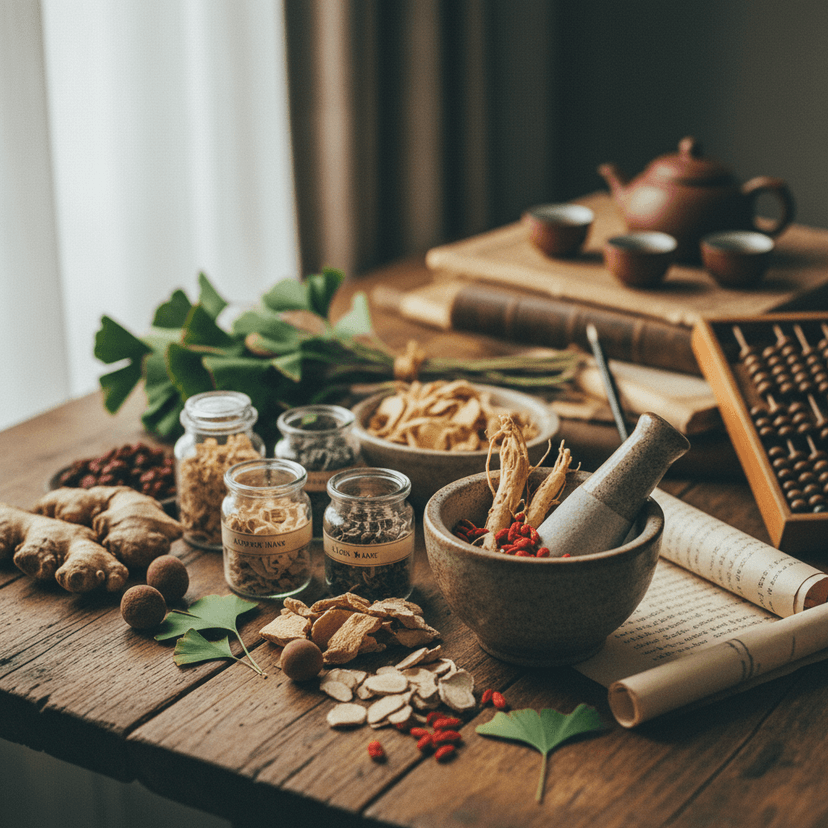
Food is medicine, and for Kidney Yin deficiency, we focus on Yin-nourishing foods. Think black sesame seeds (sweet and neutral, entering Liver and Kidney meridians, nourishing Yin and Blood), goji berries, dark leafy greens, bone broth, and fish. These foods replenish the deep reserves. Avoid excessively stimulating foods like spicy dishes, excessive coffee, and alcohol, which can further deplete Yin.
Acupuncture and Acupressure
Acupuncture often works wonders here. The ACUFLASH study (University Hospital of North Norway, 2012), a randomized controlled trial involving 286 postmenopausal women, specifically investigated if TCM acupuncture care could decrease hot flush frequency and increase health-related quality of life. The results, over 10 sessions, were promising.
For self-care, simple acupressure points like Kidney 3 (Taixi), located behind the inner ankle bone, and Spleen 6 (Sanyinjiao), four finger-widths above the inner ankle, can be gently massaged daily to nourish Kidney Yin and support energy. Tomorrow morning, try 5 minutes of mindful breathing before your coffee. See what shifts.
Chinese Herbal Medicine
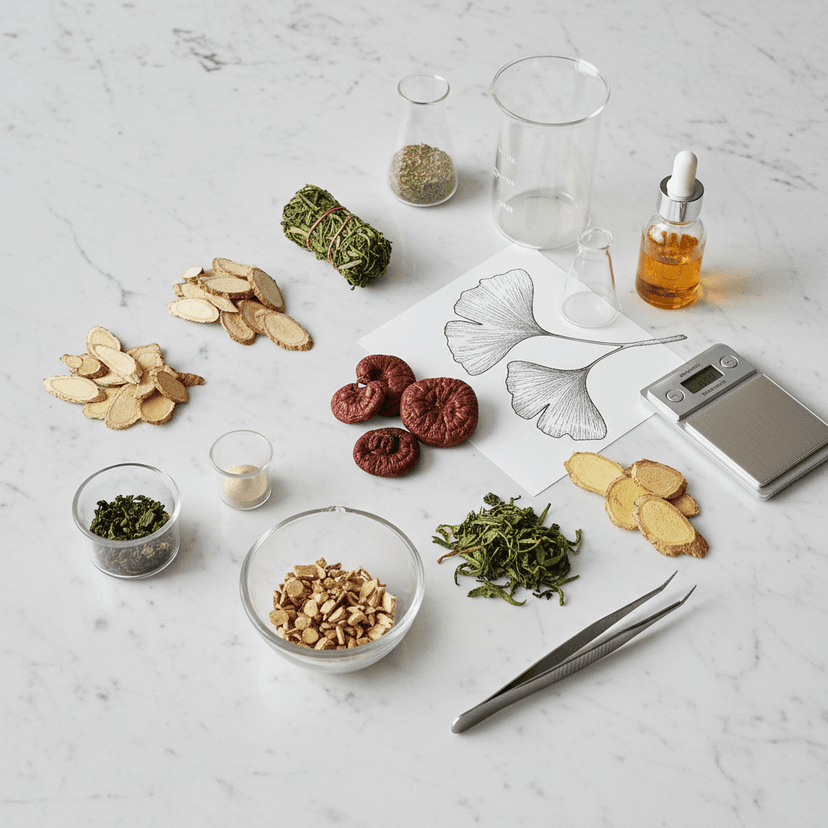
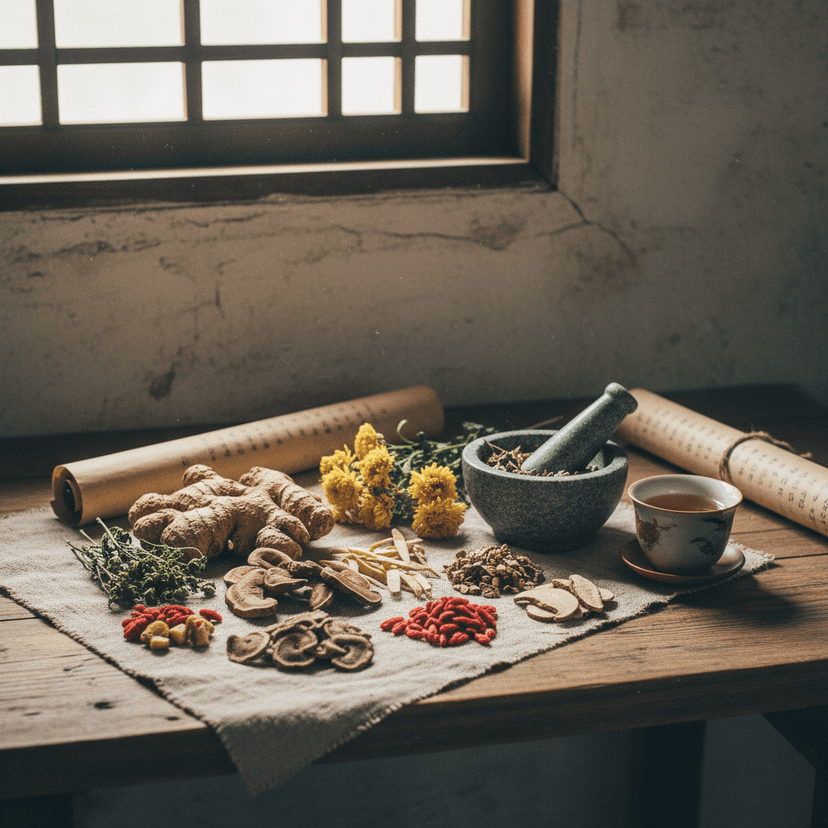
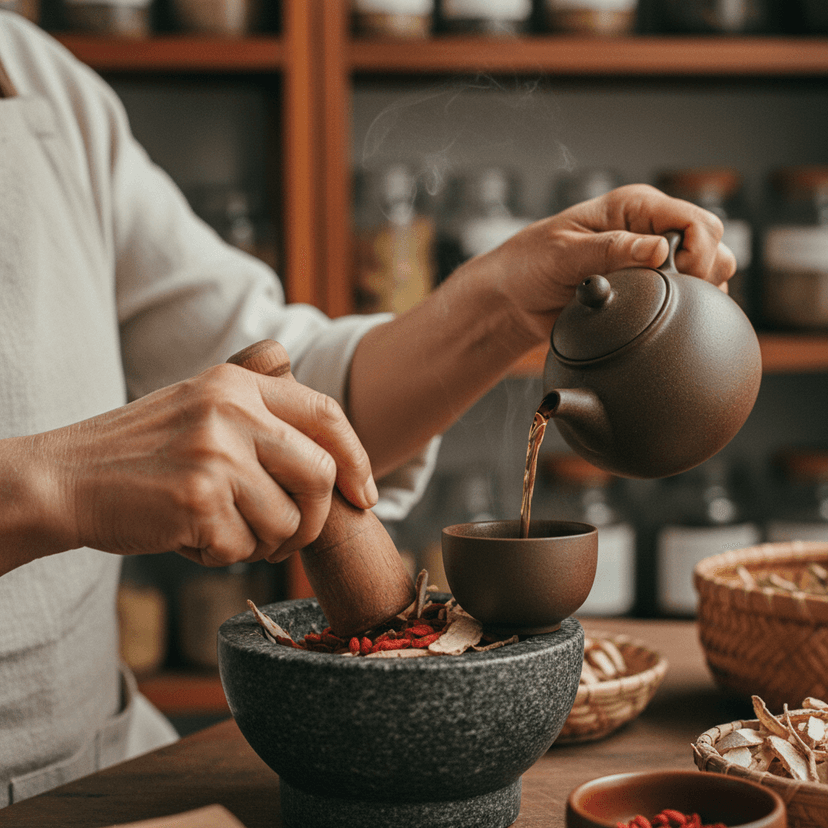
This is where tailored formulas shine. Huang Qi (Astragalus membranaceus), also known as Milk-vetch root, is a tonic herb used in Traditional Chinese Medicine for strengthening Qi, boosting immunity, and promoting vitality. Its key active compounds include polysaccharides, triterpene saponins (astragalosides), and flavonoids. Huang Qi strengthens immunity primarily by tonifying Spleen and Lung Qi, which in turn supports the body's defensive Wei Qi, helping to resist external pathogens and improve overall resilience.
Dosage: 9-30g in decoction, typically, depending on the specific formula and individual needs.
Nature & Flavor: Slightly warm, sweet.
Meridians: Lung, Spleen.
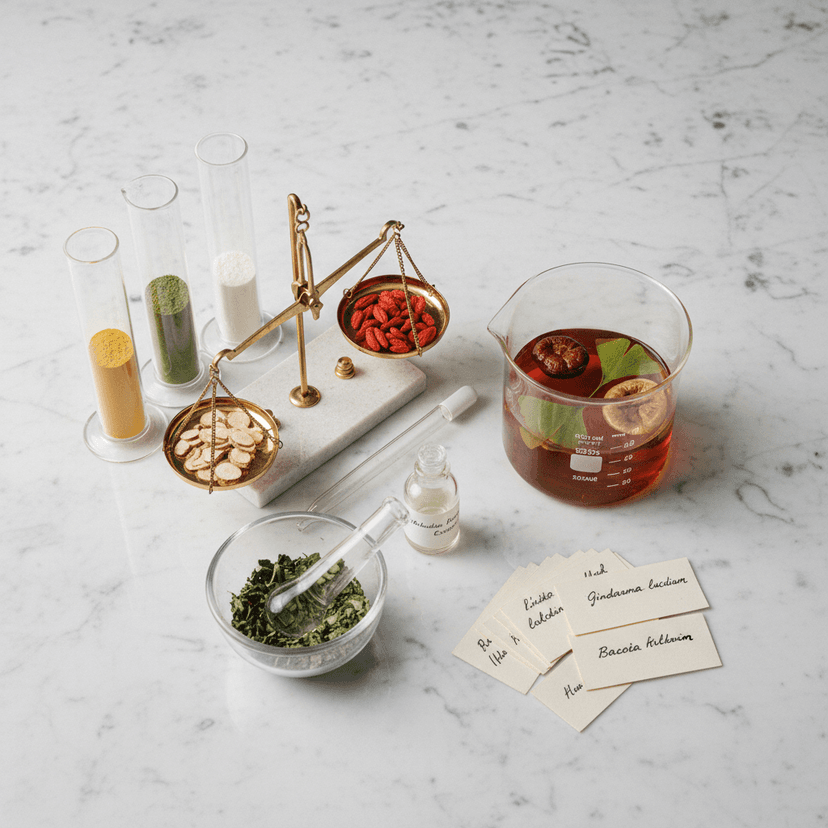
Another example is Nu Zhen Zi (Ligustrum lucidum), which the Ben Cao Gang Mu describes as strengthening the Liver and Kidneys, nourishing Jing and Blood, and alleviating lower back and knee soreness. These are not just folk remedies. They are sophisticated pharmacological agents, refined over centuries.
Lifestyle Adjustments
Prioritize sleep, especially going to bed by 10 or 11 PM (TCM sees 11 PM-3 AM as critical for Liver and Gallbladder detoxification and blood replenishment). Engage in gentle exercise like Qi Gong or Tai Chi, which cultivate and circulate Qi without depleting it. And stress management is non-negotiable; chronic stress rapidly consumes Kidney Essence.
So, what does this look like in practice? A comprehensive TCM approach brings together specific dietary changes, targeted acupressure or acupuncture, personalized herbal formulas, and mindful lifestyle adjustments. Our goal is to rebuild your energy from the ground up, not just mask symptoms. This is about sustainable vitality, pure and simple.
Honoring Western Insights While Looking Deeper
I’m not here to dismiss Western medicine. Far from it. Western diagnostics are invaluable for ruling out serious conditions. The work of pioneers like Dr. Andrew Weil at the University of Arizona, or Dr. Brent Bauer at the Mayo Clinic, has shown us that integrative approaches are the future. And Dr. Helene Langevin's research at NIH NCCIH on the connective tissue matrix helps us understand how acupuncture physically affects the body, bridging the gap beautifully.
My point is that we can, and must, integrate. We need the precision of Western diagnostics to identify acute issues, but we also need the holistic wisdom of TCM to understand the deeper energetic and support the body's innate healing capacity. Sarah, a 52-year-old teacher, came to me with debilitating hot flashes and fatigue. Her Western doctor had suggested HRT, but she wanted to explore alternatives.
By combining Western blood panels to confirm her hormonal picture with a TCM diagnosis of Kidney Yin deficiency, we crafted a treatment plan that included acupuncture and a custom herbal formula. Within months, her hot flashes significantly reduced, and her energy returned—not just a little, but a deep, familiar sense of who she used to be.
The real question isn't choosing between hormones or Qi. It's about understanding how these systems are in constant, dynamic conversation—a conversation Western science is only beginning to fully map. We need to listen to both sides if we want to help women thrive.
True integrative medicine recognizes the strengths of both Western and Eastern approaches. We use Western diagnostics for precision, yes, but then we apply TCM principles for restoring energy balance. It's the best of both worlds.
It's Time to Redefine Midlife Vitality
The 'energy wall' at 40 isn't a hormonal glitch to patch up. It's a powerful signal of a major energy shift, a call for holistic recalibration that TCM has understood for millennia. Dismissing it as mere aging does a disservice to women's vitality. This is a crucial transition, not a decline, and with the right understanding, it can be a period of deep re-empowerment. And yes, regaining your vibrant energy is certainly within reach.
Contributing Writer at Demisunshine. Maya has spent much of her adult life around the practice of integrative medicine and herbal traditions. Her writing reflects a long familiarity with how women's health, body constitution, and emotional wellbeing intersect — and her pieces tend to acknowledge that the messy parts of healing rarely fit a neat formula.
Get TCM Wellness Tips
Weekly articles on herbal remedies, nutrition, and holistic health — delivered to your inbox.