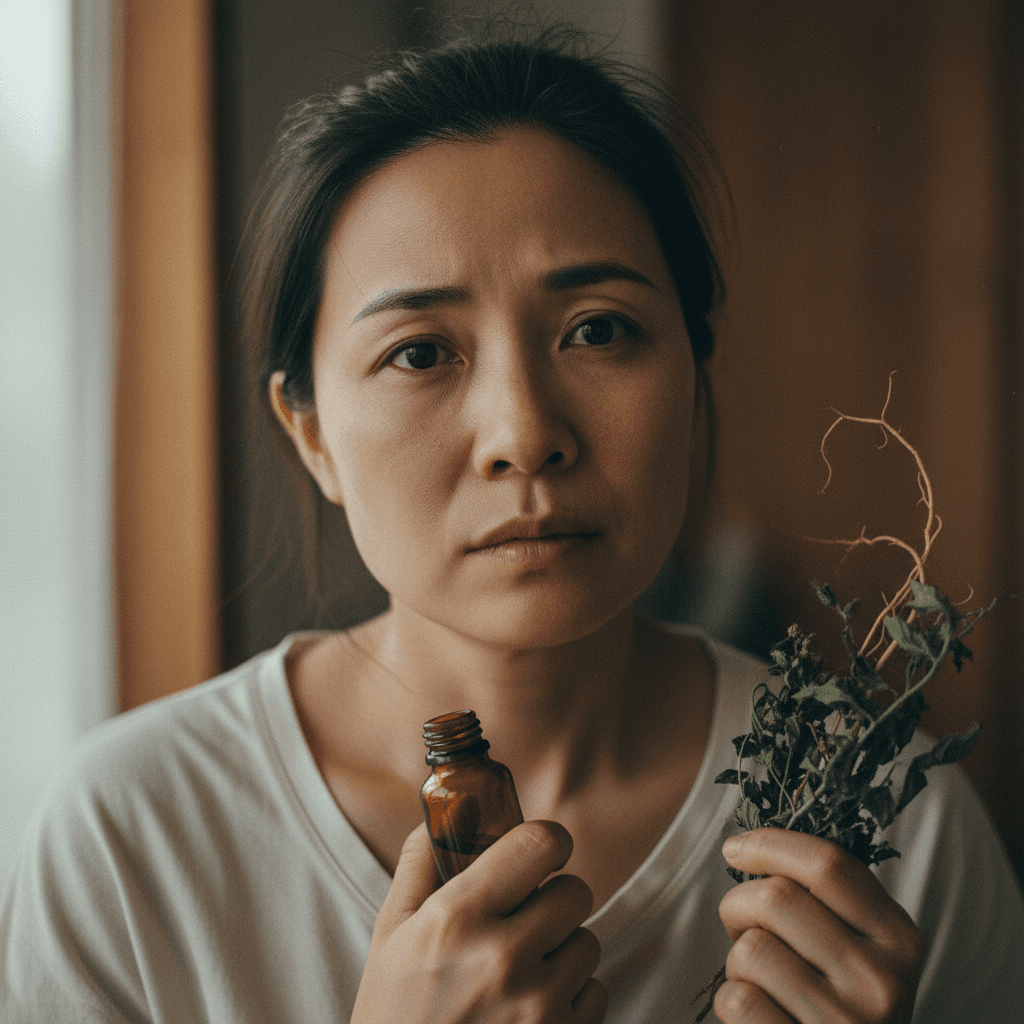
Most of what we hear about 'detox' online is, frankly, a marketing fantasy. I know because I used to be a willing participant in the illusion—before it almost cost me everything. My palms still get a little sweaty when I remember the phone call. It was my lab results. Cadmium levels were elevated. Not just a little, but enough to make my Western medical brain—the one that spent years in clinical rotations—start calculating kidney damage and neurological implications.
That tight knot in my stomach? It wasn't just fear; it was shame. Here I was, a clinician, living and breathing integrative medicine, and my own body was showing signs of significant environmental burden. I felt like a fraud.
It sent me scrambling—not for another quick-fix cleanse, but back to my roots, to the deep wisdom of Traditional Chinese Medicine. Specifically, I turned to herbs known for their ability to clear dampness and resolve toxicity.
Smilax glabra (土茯苓), commonly known as Sarsaparilla or 'rough bindweed greenbrier rhizome,' is a clearing damp-heat and resolving toxicity herb used in Traditional Chinese Medicine for primary uses like treating damp-heat skin conditions, joint pain, and, crucially, for its detoxifying properties, including expelling heavy metals. Its key active compounds include flavonoids, saponins, and polysaccharides, which are increasingly studied for their heavy metal chelating and protective effects.
The Detox Myth: What Your Body Actually Needs
The truth about most 'detox' trends? They promise a quick flush, a magic bullet, a reset button you can press with a fancy tea or juice. And frankly, it's garbage. We're conditioned to think of detoxification as a harsh, unpleasant purging—something you do to your body. But that's not how our incredible biological systems actually work. Our bodies are constantly detoxifying, every single second, through a symphony of organs: liver, kidneys, lungs, skin, digestive tract.
The real issue is often an overwhelm of the system, coupled with depleted resources, not that the body isn't trying.
I dove back into the clinical data. I needed to understand how we could support these natural pathways.
Not just force things, you know?
The disconnect between popular 'detox' advice and actual biological reality felt jarring, a profound realization.
And this brought me to a crucial point about herbal safety. Because, yes, even within herbal medicine, there are risks if we're not careful.
Chen et al. (2020) highlighted a sobering fact: some herba-type Traditional Chinese Medicinal Materials (TCMM) can have alarmingly high heavy metal content. Lead (Pb) exceeded safety standards in up to 37.67% of samples in one study. This goes beyond academia; it's a safety crisis if we're not careful. We must be so, so vigilant about sourcing.
Beyond Toxins: Heavy Metals Through a TCM Lens
In Western medicine, heavy metals are often seen as simple invaders—foreign substances that need to be removed. In TCM, the perspective is richer, more nuanced. Heavy metals are deeply disruptive forces that can lead to specific imbalances like Dampness, Phlegm, Heat-Toxin, or Blood Stasis. They can deplete vital Qi, injure Yin, and obstruct the flow of everything essential. The question isn't solely, how do I flush these metals?
but rather, how do I restore my body's inherent capacity to heal and eliminate? This reframing changes everything about our approach.
One day, a patient, let's call her Maria, came to me with debilitating fatigue, joint pain, and a persistent metallic taste in her mouth. She'd done every trendy detox imaginable, only to feel worse. Her Western heavy metal panel showed elevated mercury and lead. We didn't start with harsh cleanses; we started with her patterns. Her tongue was coated and greasy, her pulse thready and slippery—classic signs of Spleen Qi Deficiency with significant Dampness and Phlegm.
For her, the heavy metals weren't merely present; they were trapped in a stagnant, damp environment.
My Protocol: Rebalancing, Not Just Rinsing
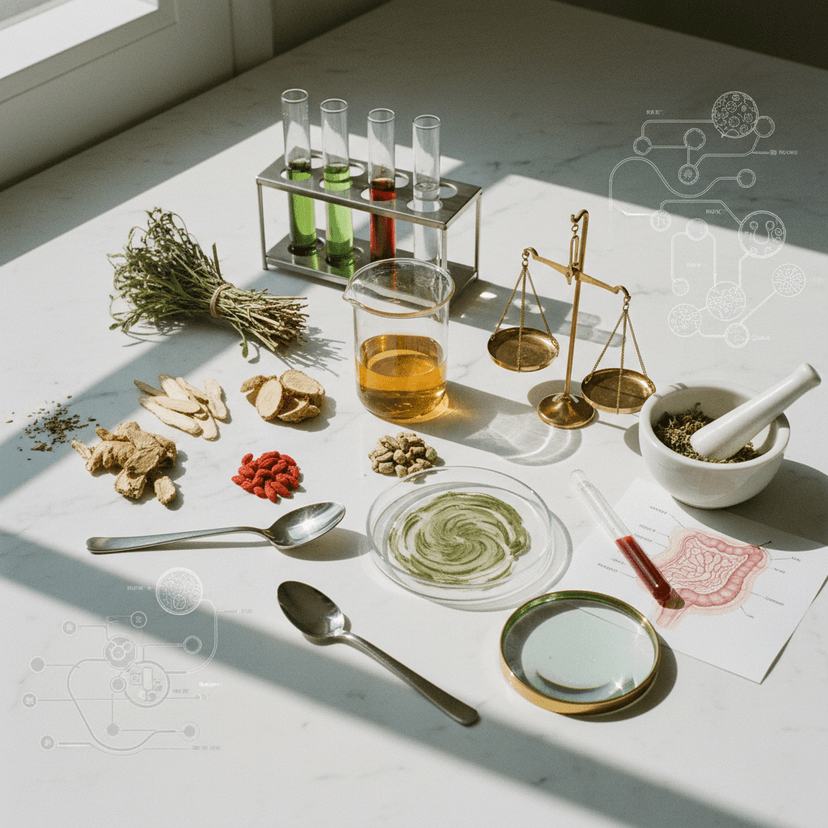
My own cadmium experience, much like Maria's, became a rigorous self-study. I combined the precision of Western lab diagnostics with the holistic wisdom of TCM. This is how I approached it—and how I guide my patients now.
Step 1: The Diagnostic Dance—East Meets West
The first step is always clear diagnosis. For heavy metals, this means getting both a Western heavy metal panel (urine, hair, or blood) and a thorough TCM pattern differentiation. Hair analysis can be very useful for assessing long-term exposure. Blood tests reveal acute or recent exposure. For my own cadmium, urine provocation tests gave us the clearest picture of my body burden.
Simultaneously, my TCM diagnosis pointed to significant Liver Qi Stagnation and Spleen Dampness—the perfect internal storm for toxins to linger.
This integrative approach is crucial because a high lead level, for example, might correspond to a TCM pattern of Liver Fire rising in one person, and Spleen Qi Deficiency with Dampness in another. The treatment must be tailored to the person, not just the metal.
Step 2: The Herbal Symphony—Targeting and Toning
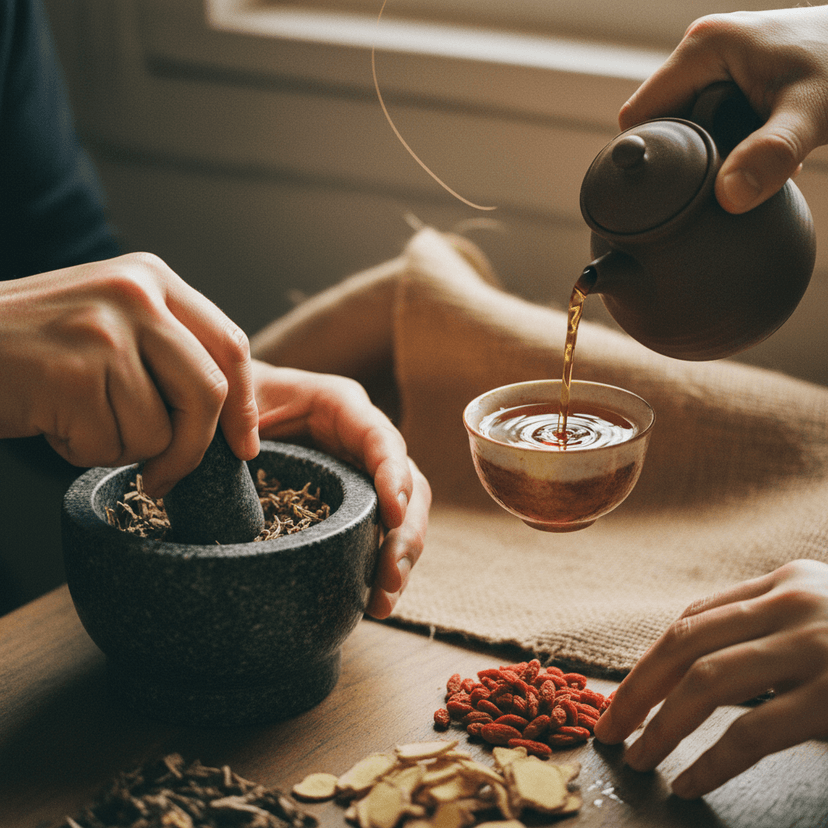
Once patterns are clear, we select herbs that not only address the heavy metal burden but also rebalance the underlying TCM disharmony. Here, the magic happens—and careful sourcing is non-negotiable.
For my cadmium issues, and Maria's lead and mercury, a core component was Smilax glabra (土茯苓). The 《本草纲目》 (Compendium of Materia Medica) states it 'treats food poisoning, benefits sinews and bones, quenches thirst, and makes one look good,' a classical recognition of its detoxification prowess. Modern research supports this: a 2022 study in 《中草药》 (Chinese Traditional and Herbal Drugs) found that total flavonoids from Smilax glabra significantly reduced lead content in lead-poisoned mice by 58.
89%, while also improving liver and kidney damage. This action goes beyond mere flushing; it actively protects vital organs while facilitating removal.
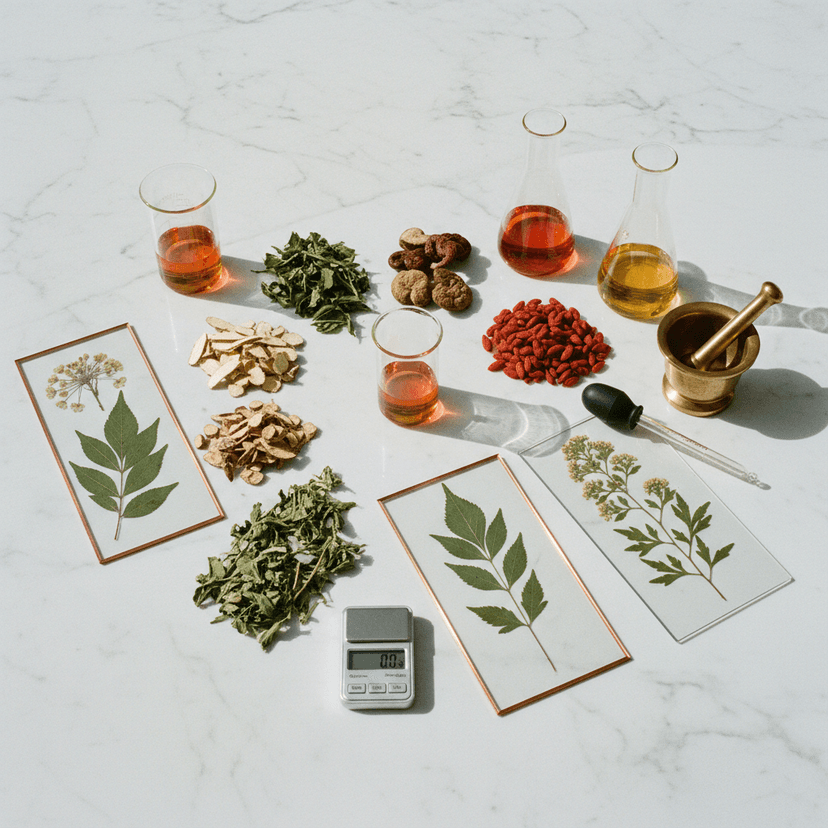
Here are some other key players I often consider:
- Allium sativum (Garlic): Known for sulfur compounds, a review by Mehrandish et al. (2019) pointed to its potential in heavy metal poisoning due to chelating properties and fewer side effects.
- Silybum marianum (Milk Thistle): A powerful liver protector. Its active compound, silymarin, supports phase I and phase II detoxification pathways, essential for processing metals. Also mentioned by Mehrandish et al. (2019).
- Coriandrum sativum (Cilantro): Frequently discussed for its ability to mobilize mercury and other heavy metals, making it useful in specific protocols (Mehrandish et al., 2019).
- Curcuma longa (Turmeric): Its curcuminoids offer potent anti-inflammatory and antioxidant benefits, protecting tissues from heavy metal-induced damage while supporting detox processes (Mehrandish et al., 2019).
- Rehmannia glutinosa, Licorice root, and Angelica sinensis: A combination that, according to Li et al. (2018), significantly reduced arsenic content in rat organs by 34%-54%. These herbs work to nourish yin, harmonize the middle burner, and invigorate blood, respectively, providing foundational support.
A Note on Wǔ Wèi Xiāo Dú Yǐn (五味消毒饮)
This classic formula, translating to 'Five-Ingredient Decoction to Eliminate Toxin,' is traditionally used for toxic heat conditions. A 2009 study in 《中国公共卫生》 (Chinese Public Health) found it effectively promoted lead excretion and alleviated oxidative damage, with a high-dose group seeing whole blood lead content decrease by 47.6%. One of its key ingredients, Lonicera japonica (金银花, Honeysuckle Flower), is mentioned in 《神农本草经》 (The Divine Farmer's Materia Medica) for clearing heat and resolving toxicity.
The formula's focus on clearing heat and damp-toxins aligns perfectly with the TCM understanding of heavy metal pathology.
Structured Facts: Smilax glabra (Tu Fu Ling)
Consider the specifics for one of our star players.
Dosage: 15-60g in decoction, depending on the severity and specific formulation. For concentrated extracts, follow practitioner guidance.
Nature & Flavor: Neutral, sweet, bland.
Meridians: Liver, Stomach.
Actions: Eliminates dampness, resolves toxicity, clears heat, benefits joints, expels turbidity.
Remember, these are powerful substances. Never self-prescribe, and always work with a licensed practitioner who understands both Western diagnosis and TCM principles.
Step 3: Managing the 'Herx'—Detox Reactions
Many people, myself included, stumble here. As your body starts to mobilize stored heavy metals, you might experience what's called a Herxheimer reaction—or simply, a detox reaction. For me, it manifested as crushing fatigue, headaches, and a resurgence of old aches and pains. It felt like I was getting sicker, and a tiny voice inside screamed, 'See? This isn't working!'
The key is to distinguish between a manageable detox reaction and an adverse event. A detox reaction is usually temporary, cyclical, and resolves with supportive measures like rest, hydration, and gentle liver support. An adverse event, however, is sustained, worsening, or involves new, severe symptoms. This differentiation is why professional guidance is non-negotiable.
Do This: Support your elimination channels. Ensure regular bowel movements, sweat gently (saunas if appropriate), and drink plenty of filtered water. Embrace bitter greens. Prioritize sleep. Not That: Push through extreme discomfort. Don't add more 'detox' products if you're feeling overwhelmed. Don't neglect your diet—this isn't the time for processed foods or excess sugar.
The Long Game: Beyond Clearing, Towards Prevention
Perhaps the real question shifts from how do I detox? to how do I live a life that minimizes re-exposure and continuously supports my body's innate ability to stay clean? Here, the long-term work truly begins. Heavy metals don't just leave the body and stay gone forever; minimizing exposure is an ongoing commitment. We need to be mindful of sources: contaminated food, water, old dental amalgams, certain cosmetics, even some traditional medicines if not properly sourced.
I learned this the hard way.
This involves dietary shifts—more whole, organic foods, fewer processed items. It means prioritizing clean water and air. It definitely means managing stress, which in TCM, directly impacts Liver Qi, a key factor in detoxification. For my own process, the focus shifted from a frantic fix it now mentality to a calm, consistent support my body daily approach. This is the difference between a quick cleanse and real, lasting wellness.
The results? My cadmium levels came down, slowly, steadily. But more importantly, my energy returned, my brain fog lifted, and that persistent underlying anxiety, a subtle companion to chronic toxicity, finally eased its grip. It wasn't a miracle; it was consistency, knowledge, and a deep trust in my body's inherent wisdom—guided by ancient principles.
We've only scratched the surface. There's so much more to uncover about the molecular mechanisms of TCM herbs and their synergy with Western understanding. Are we fully understanding how qi interacts with biochemical pathways? I believe this integrative space is ripe for more study—a conversation that constantly evolves.
This isn't a tidy conclusion, because health isn't tidy. It's an ongoing dialogue, a continuous adjustment, a process of discovery. Maybe the real question isn't which herbs to take. Maybe it's whether we've been thinking about wellness through entirely the wrong lens all along.
If you're feeling that persistent fatigue, the nagging brain fog, or suspect heavy metal exposure, don't reach for a trendy detox tea. Instead, consider this: Within the next 24 hours, take the first step toward getting a clear diagnostic picture—either through a Western heavy metal panel or by consulting a dual-licensed integrative practitioner like myself to begin understanding your unique body patterns. It's not about a quick fix; it's about courageously understanding what your body is telling you.
It's an invitation to explore a path of deep, sustainable healing—one that acknowledges all of you, and puts the power back in your hands.
References
- Chen et al. (Journal of Ethnopharmacology, 2020) — Heavy metal content in traditional Chinese medicinal materials
- Li et al. (Google Patents CN108721431B, 2018) — Traditional Chinese Medicine composition for reducing arsenic
- 《中草药》第53卷第1期 (2022) — 土茯苓总黄酮降低铅中毒小鼠体内铅含量
- 《中国公共卫生》2009年第25卷 (2009) — 五味消毒饮促进铅排泄
- 《本草纲目》 (Compendium of Materia Medica)
- 《神农本草经》 (The Divine Farmer's Materia Medica)