Ginger & Licorice: Everyday Medicine in the TCM Kitchen | Demisunshine
What Your Grandmother Knew About Ginger and Licorice
For generations, ginger and licorice have been kitchen staples, yet their profound synergistic power in Traditional Chinese Medicine remains largely overlooked by modern eyes. This is the story of how ancient wisdom, backed by emerging science, transforms everyday ingredients into potent medicine.
James WuMarch 17, 20267 min read
Quick Answer
Ginger and licorice, familiar kitchen staples, possess significant medicinal utility within Traditional Chinese Medicine (TCM), frequently combined to address conditions ranging from digestive imbalance to inflammation and fatigue. Emerging scientific inquiry increasingly corroborates these traditional applications, outlining mechanisms such as dopamine regulation and anti-inflammatory pathways. This scientific validation underscores the critical importance of specific preparation methods and a diligent assessment of contraindications.
Key Takeaways
Ginger (Sheng Jiang/Gan Jiang) and Licorice (Gan Cao) are foundational TCM herbs, often used synergistically to treat a range of conditions from digestive discomfort to inflammatory diseases.
Modern research, like studies by Kim et al. (2020) and Int Immunopharmacology (2025), is beginning to uncover the biochemical mechanisms behind traditional formulas like Licorice and Dried Ginger decoction (LGD), showing effects on dopamine and inflammation.
The specific preparation of ginger, such as fresh (Sheng Jiang) versus dried (Gan Jiang), significantly alters its chemical profile and therapeutic actions, with Gan Jiang possessing a hotter nature and higher concentration of compounds like 6-gingerol.
Licorice embodies a 'harmonizing and guiding' role in TCM formulas, enhancing the efficacy of other herbs and moderating their intensity, illustrating that the therapeutic strength frequently emerges from the combination, not merely individual components.
Despite their everyday presence, both ginger and licorice have important contraindications and potential drug interactions, necessitating informed use, especially for those with pre-existing conditions or on medication.
What happens when your body's quiet signals become a constant, nagging drone?
Mei Lin, a graphic designer in her late thirties, knew that feeling intimately. Each morning, she’d wake to a subtle abdominal bloat, a low thrum of discomfort that would escalate throughout the day, especially after meals. She was the kind of person who meticulously tracked projects, balanced family schedules, and never missed a deadline. Yet, her own internal system felt perpetually out of sync. Doctors offered antacids, then probiotics, then suggestions of “stress management.” She meditated. She exercised.
Still, the bloat. The fatigue. That persistent, bone-deep chill that no amount of warm tea or extra sweaters could truly dispel. They remained her silent companions.
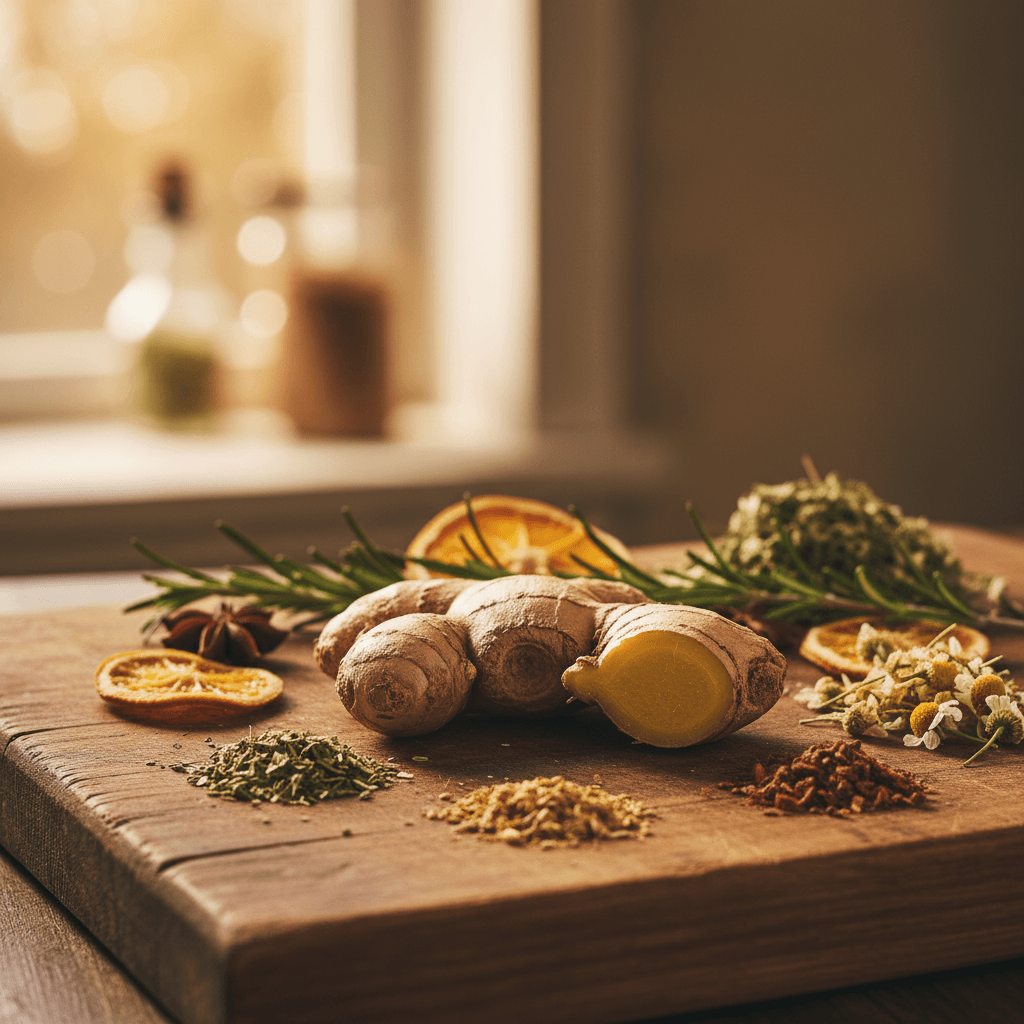
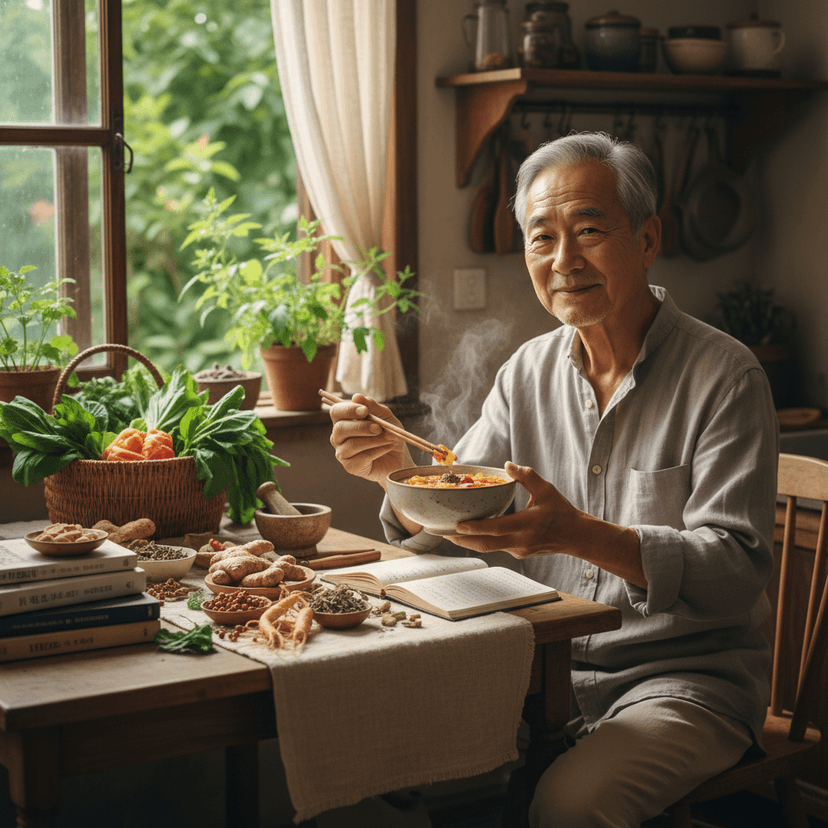
She’d grown up watching her grandmother, a woman whose kitchen was less a place for culinary adventure and more a quiet, potent pharmacy. A simmering pot of something fragrant was the first line of defense against any sniffle, ache, or unsettled stomach. For Mei Lin’s particular constellation of complaints – the chill, the sluggish digestion – her grandmother’s go-to was always a simple brew: dried ginger and licorice.
As a child, Mei Lin had dismissed it as a comforting, if slightly acrid, ritual. Now, years later, grappling with her own modern ailments, she wondered if there was more to it than nostalgia. She was asking the wrong question.
Traditional Chinese Medicine (TCM) views these common kitchen ingredients not as isolated compounds, but as elements in a complex energetic system. Licorice Root, or Gan Cao (Radix Glycyrrhizae), is a neutral (raw) to warm (dry-fried) herb with a sweet flavor, primarily entering the Heart, Lung, Spleen, and Stomach meridians. Its key active compounds include glycyrrhizin, known for its anti-inflammatory and harmonizing properties.
Fresh Ginger Rhizome, Sheng Jiang (Rhizoma Zingiberis Recens), is a slightly warm herb with an acrid flavor, primarily affecting the Lung, Spleen, and Stomach meridians. Dried Ginger Rhizome, Gan Jiang (Rhizoma Zingiberis), is hot and acrid, extending its reach to the Heart, Lung, Spleen, Stomach, Kidney, and Large Intestine meridians. These herbs, often seen as mere spices in the West, are considered fundamental therapeutic agents in the East.
The Power of Combination
Mei Lin finally decided to seek out a local TCM practitioner, a Dr. Han. He listened patiently to her litany of symptoms.
Occasionally nodding, he stated plainly: “Your body is telling you it’s cold.”
“And damp. Like a furnace that’s struggling to light, and everything is getting heavy, sticky.”
He explained that while fresh ginger, Sheng Jiang, could release the exterior and stop vomiting, Dried Ginger, Gan Jiang, was a different beast entirely. It was, he said, like comparing a gentle morning mist to a roaring hearth.
Modern science is starting to catch up with this ancient discernment. Research by Yang Xiujuan and colleagues in 2024, published in 《中药新药与临床药理》, showed that the chemical composition and pharmacological activities of fresh ginger, dried ginger, and even processed ginger (pao jiang) differ significantly. Specifically, dried ginger (Gan Jiang) had a significantly higher content of 6-gingerol (229.46μg/g) compared to its fresh counterpart (112.58μg/g). Drying transforms the herb. It's a chemical alchemy.
Dr. Han recommended a simple decoction: dried ginger and licorice. “Your grandmother was using Gan Cao-Gan Jiang Tang,” he explained. “A classic for warming the center, dispelling cold, and harmonizing everything.”
The Harmonizing Role of Licorice
Licorice, Gan Cao, is vital in this synergy. It’s not just about its individual benefits, which are considerable. Its sweet nature is said to tonify the Spleen and augment Qi, moisten the Lungs, resolve phlegm, and moderate spasms. But its true genius, in Dr. Han’s view, lies in its harmonizing and guiding function.
“Think of it like a conductor in an orchestra,” Dr. Han told Mei Lin. “Each instrument is powerful on its own, but the conductor brings them together, making the music richer, more balanced.” Research from Li Ji and others in 2022, published in the 《上海中医药杂志》, illustrates this. They found that the anti-inflammatory effect of a licorice-platycodon pair increased by 37% when combined in a 1:1 ratio. The effect was not merely additive; it was exponential. A collective amplification.
The traditional text 《伤寒论》, a foundational text in TCM, features licorice in numerous formulas, often for its ability to temper the harshness of other herbs and guide their actions to specific meridians.
Beyond the Kitchen: Scientific Scrutiny
The combination Mei Lin’s grandmother instinctively brewed, the Licorice and Dried Ginger Decoction (LGD), is now drawing serious scientific attention. A 2020 study by Kim et al. in Frontiers in Pharmacology, observed that LGD significantly improved survival rates in activity-based anorexia (ABA) mice. More strikingly, it increased dopamine concentration in the brain, suggesting a mechanism for its potential therapeutic effects beyond just physical symptoms.
Mei Lin’s low energy, her general malaise—could it have been a subtle form of this, a dampened internal spark that LGD rekindled? I'd always found that question compelling.
Further reinforcing this, a 2025 study in Int Immunopharmacology found that LGD inhibits inflammation and alleviates mitochondrial dysfunction in chronic obstructive pulmonary disease (COPD) by targeting siglec-1. This points to a tangible, cellular-level impact, underscoring its potential in complex respiratory conditions.
This isn't just about obscure formulas. Ginger, on its own, has been rigorously studied. A comprehensive systematic review of 109 randomized controlled trials, published in Foods in 2020, found that ginger consistently showed promising efficacy for nausea and vomiting in pregnancy, inflammation, metabolic syndromes, digestive function, and colorectal cancer markers. Consistent benefits across five key areas.
The Subtle Differences Matter
One of the fundamental challenges in translating traditional knowledge is appreciating the nuances of preparation. 《神农本草经》, an ancient text, already differentiated between fresh and dried ginger, noting Gan Jiang’s ability to “warm the middle and expel cold.”
Mei Lin’s grandmother, like generations before her, understood that the precise form of the herb mattered. Fresh ginger for a sudden chill; dried for a deeper, more persistent coldness. Simple. Effective.
Structured Facts: Ginger and Licorice
Let’s look at the properties of these two herbs:
Sheng Jiang (Fresh Ginger Rhizome)
Latin: Rhizoma Zingiberis Recens
Nature: Slightly Warm
Flavors: Acrid
Meridians: Lung, Spleen, Stomach
Dosage: 1-10g (Tincture: 1-2ml)
Actions: Releases exterior, induces perspiration, disperses Cold; Warms Middle, stops vomiting; Warms Lungs, stops coughing; Reduces toxicity of herbs and seafood; Adjusts the Ying and Wei.
Contraindications: Contraindicated for spontaneous sweating from Exterior Deficiency, Lung Heat, Stomach Heat with vomiting, Yin Deficiency with Heat signs.
Drug interactions: May increase bleeding risk with NSAIDs or anticoagulants/antiplatelets. May cause additive reductions in blood glucose with hypoglycemics/insulin; clinical relevance is not known.
Pregnancy: May be safe as a dietary supplement; consult healthcare provider. Little is known about safety during breastfeeding.
Gan Jiang (Dried Ginger Rhizome)
Latin: Rhizoma Zingiberis
Nature: Hot
Flavors: Acrid
Meridians: Heart, Lung, Spleen, Stomach, Kidney, Large Intestine
Dosage: 3-10g (Tincture: 1-2ml)
Actions: Warms the Middle and expels Cold; Dispels Wind-Dampness seeping into the Lower Jiao; Rescues Devastated Yang and expels Interior Cold; Warms the Lungs and transforms thin mucus; Warms the channels (unblocks the pulse) and stops bleeding.
Contraindications: Contraindicated for Yin Deficiency with Heat signs, hemorrhage due to Blood Heat. Use caution during pregnancy.
Gan Cao (Licorice Root)
Latin: Radix Glycyrrhizae
Nature: Neutral (raw); Warm (dry-fried)
Flavors: Sweet
Meridians: Heart, Lung, Spleen, Stomach, All twelve channels (Yang Wei)
Dosage: 1.5-14g (Large dosage to 30g; Tincture 1-4ml)
Actions: Tonifies Spleen and Augments Qi; Moistens Lungs, Resolves Phlegm, Stops Coughing; Moderates Spasms and Alleviates Pain; Clears Heat and Relieves Fire Toxicity; Antidote Properties; Harmonizing and Guiding Function.
Contraindications: Contraindicated for Excess Dampness with nausea, vomiting, abdominal fullness; frequent wine drinkers; hypertension, edema, hyperglycemic conditions, osteoporosis, Excess secretions. Large doses (>35g weekly) can cause sodium/potassium imbalance, edema, palpitations.
Pregnancy: Avoid regular consumption due to negative effects on pregnancy outcomes and child development, especially if intake is over 500 mg of glycyrrhizin per week.
The Patient's Perspective
Mei Lin followed Dr. Han’s advice, brewing the simple decoction each evening. It wasn't an instant cure. Nothing in TCM ever is. But after a few weeks, she noticed the persistent chill receded. Her digestion felt less like a perpetually backed-up highway and more like a gentle, flowing stream. The morning bloat diminished, then disappeared altogether.
“I think the biggest mistake I see people make with these kitchen remedies,” Dr. Han had said during a follow-up, a 'Real Talk' moment that stuck with Mei Lin, “is they expect a magic pill. They want the specific compound, the exact mechanism, without understanding the context. But the context—the person, the season, the specific combination—that’s where the magic is.” Here's the thing: he was right.
Mei Lin wasn’t just drinking ginger and licorice; she was re-engaging with a system of thought that viewed her body as an ecosystem, not a collection of isolated symptoms. She was learning to listen to those quiet signals again, but this time, she had a framework for understanding them.
The quiet authority of her grandmother’s kitchen, once dismissed as quaint, now resonated with a deeper truth. Maybe the real question isn't whether these herbs work, but whether we’ve been thinking about health through entirely the wrong lens.
Guest Writer at Demisunshine. James writes from a long-standing curiosity about wellness traditions, with a journalist's habit of pushing back when something sounds too good to be true. He's the contributor readers turn to for the contrarian take — the piece that asks 'wait, does this actually hold up?'
Get TCM Wellness Tips
Weekly articles on herbal remedies, nutrition, and holistic health — delivered to your inbox.