The digital spreadsheet glowed on my screen, a clear demonstration of years of patient journeys. Each row represented a unique individual, their joint pain a complex complexity of symptoms, history, and previous treatments. I was looking at the long-term outcomes for patients who had been caught in the cycle of daily ibuprofen, the temporary fix that so often becomes a lifelong habit. The data was clear: while NSAIDs offered immediate relief, they rarely, if ever, addressed the underlying issues.
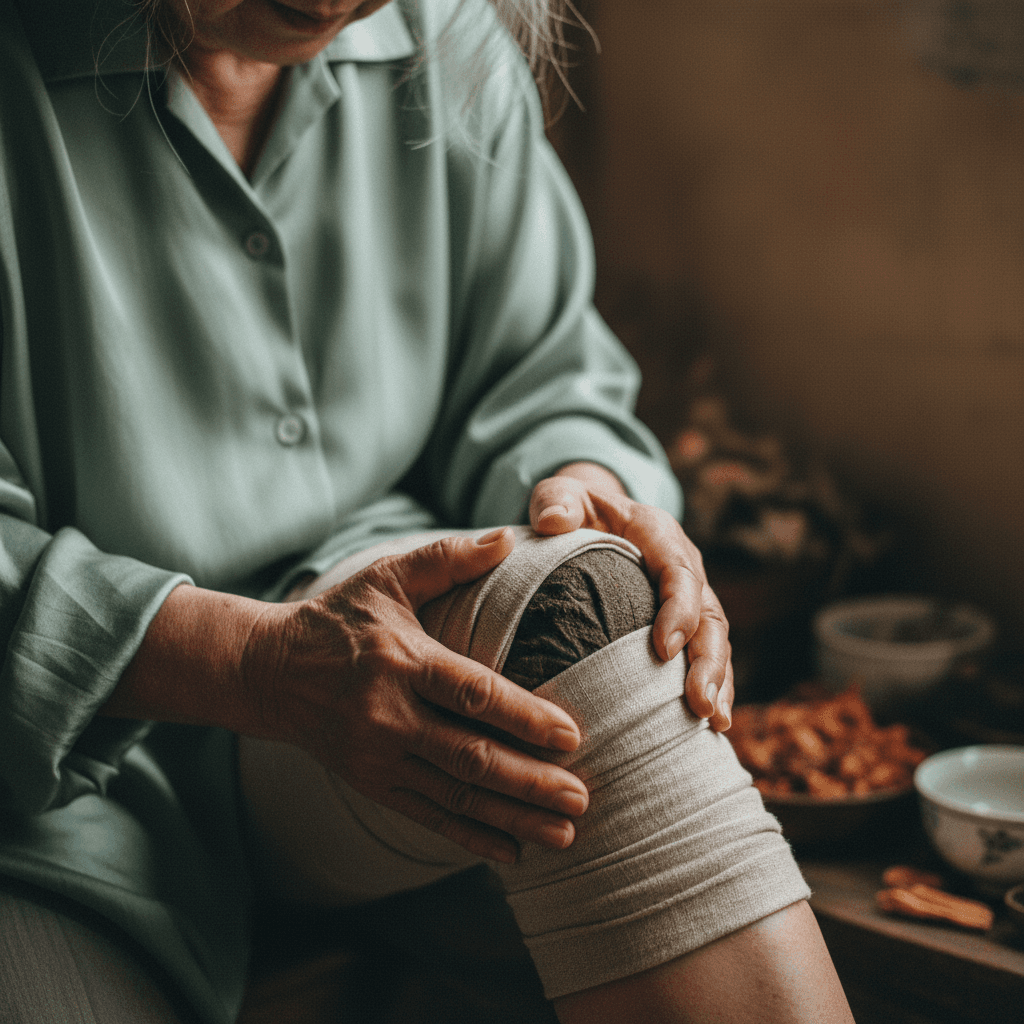
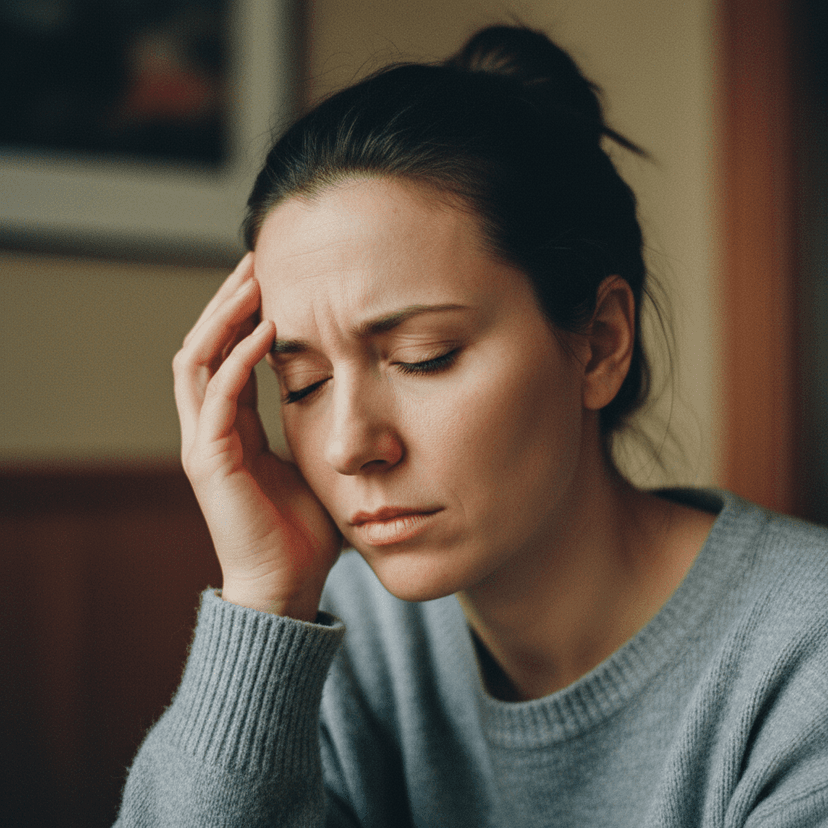
Managing pain is only part of the story. It’s about a fundamental difference in how we view the body. Many patients come to me, like Mr. Henderson, a retired carpenter, who had been popping ibuprofen for his knee osteoarthritis for years. He’d get a few hours of respite, only for the dull ache to return, sometimes with a vengeance. He felt trapped, convinced his only options were pills or eventual surgery.
His frustration was palpable, a story I hear far too often in my clinic.
In Traditional Chinese Medicine (TCM), joint pain is often categorized as a 'Bi Syndrome,' which translates roughly to 'obstruction syndrome.' It's characterized by pain, numbness, heaviness, and limited movement, often attributed to external pathogenic factors like Wind, Cold, or Dampness obstructing the flow of Qi and Blood in the meridians. This holistic perspective provides a crucial framework for understanding persistent pain, moving beyond the simplistic notion of a localized mechanical problem.
Beyond the Band-Aid: Unmasking the Root of Joint Discomfort
Hey everybody, I’m Maya Chen, and for the past 15 years, I’ve been bridging the ancient wisdom of TCM with the rigorous science of Western functional medicine. What I've learned, time and again, is that the conventional wisdom around joint pain — pop a pill, numb the symptom — is often a disservice to our long-term health. We've been asking the wrong question.
It’s not just about "how do I stop the pain," but "why is my body producing this pain signal in the first place?
When Mr. Henderson first came to me, his Western doctor had offered cortisone shots and eventually a knee replacement.
These are valid interventions, and they certainly have their place in managing severe joint degradation.
But for Mr. Henderson, these options didn't align with his desire for a more natural, sustainable path. He sought something different, something that addressed the why of his pain.
He was tired of the temporary fixes. His body, in a way, was speaking to him—loud and clear—and we needed to listen. My goal was never just to alleviate his pain, but to restore his body's inherent balance and strength, allowing him to genuinely heal.
TCM offers a unique perspective here. Instead of targeting inflammation with a single chemical compound, we look at the entire system. Is there a deficiency of "Qi" – the vital life force – or "Blood"? Is there an excess of "Dampness" or "Cold" obstructing flow? These aren’t just poetic metaphors; they translate to observable physiological states. For instance, what we call 'Dampness' in TCM often correlates with systemic inflammation, impaired lymphatic drainage, or metabolic dysfunction in Western terms.
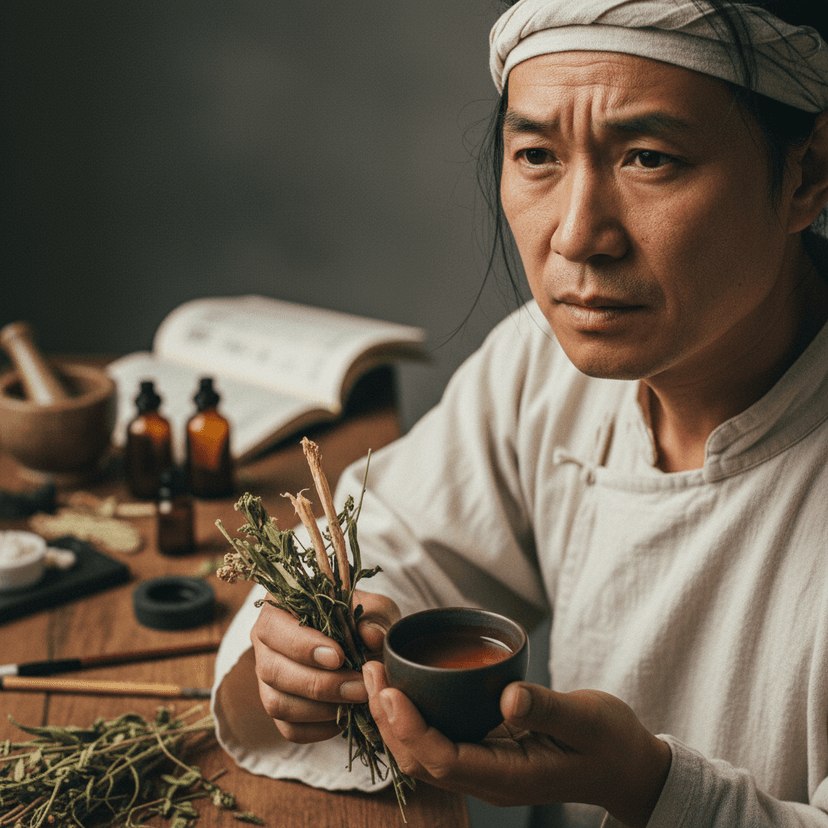
Consider the classical text, 《本草纲目》 (Bencao Gangmu), which states that 独活 (Duhuo) (Angelica pubescens) "治诸风,此属风药,能宣通气血,使邪外出" – meaning it treats various wind-related conditions, dispelling evil from the channels and promoting the circulation of Qi and Blood. Modern research echoes this understanding, exploring how specific compounds in herbs can modulate inflammatory pathways and improve microcirculation.
Research Spotlight: Acupuncture's Enduring Efficacy
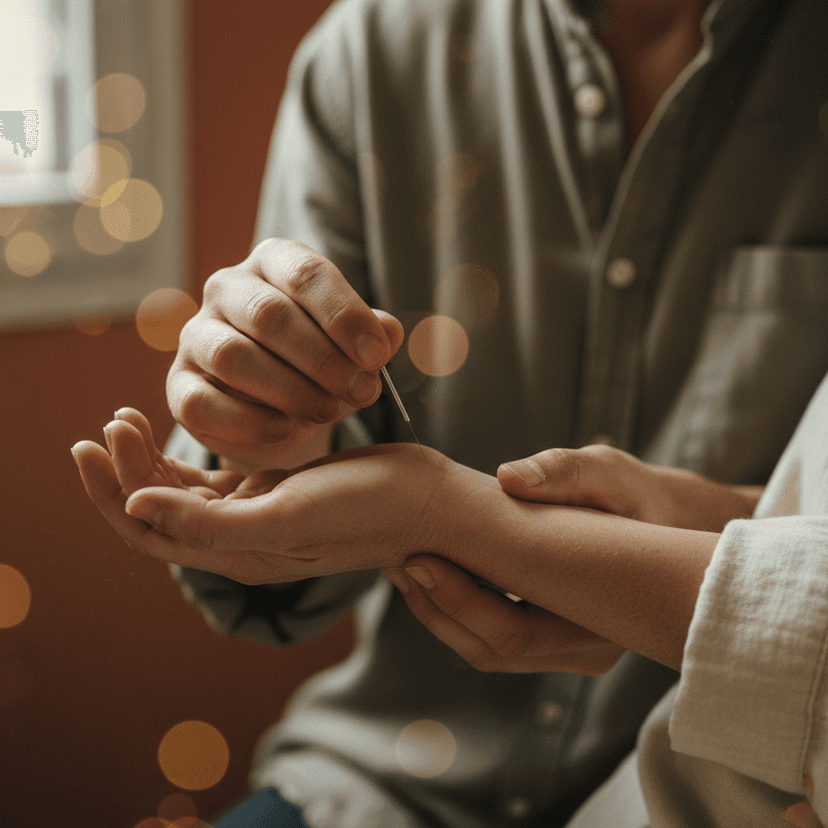
One of the most effective methods in my TCM toolkit for joint pain is acupuncture. Many patients are skeptical at first, wondering if it's "just a placebo effect." I understand that. But the evidence is increasingly robust. A systematic review and meta-analysis published in 2024 by Li et al.
from the Chengdu University of Traditional Chinese Medicine, involving over 3,200 participants, found that acupuncture provided "durable clinically important pain relief and functional improvement for up to 5 months post-treatment versus usual care, and up to 6 months post-treatment versus diclofenac for knee osteoarthritis.
Think about that. Six months of sustained relief after a course of treatment, compared to a daily NSAID. That's a profound difference in quality of life and reliance on medication. Researchers like Dr. Helene Langevin at the National Institutes of Health's NCCIH have also explored the biomechanical effects of acupuncture, suggesting it influences connective tissue and cellular signaling, offering a tangible scientific basis for its efficacy.
Acupuncture doesn't just block pain signals. It stimulates the body's natural healing mechanisms, improving local circulation, reducing inflammation, and modulating neurotransmitters. It's a precise, targeted intervention that works with your body, not against it.
Herbal Wisdom: Nature's Pharmacy for Joint Health
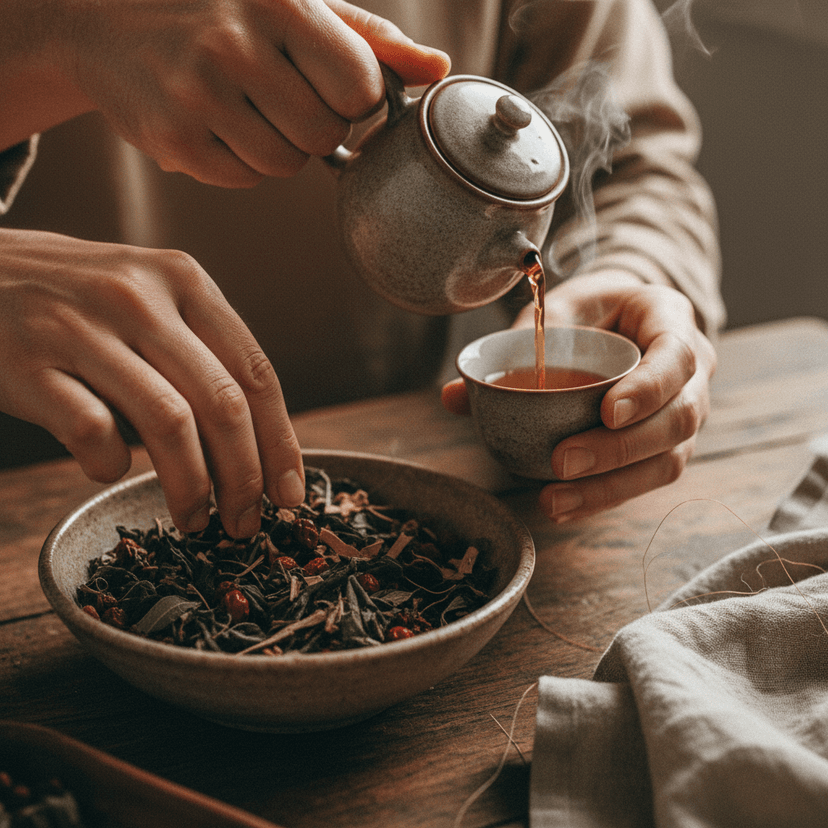
Beyond acupuncture, herbal medicine is a cornerstone of TCM for joint pain. These herbal remedies aren't simply "natural ibuprofen" alternatives. They are complex formulas designed to address specific patterns of imbalance identified during a thorough TCM diagnosis. For Mr. Henderson, whose knee pain worsened with cold weather and felt heavy, we diagnosed a "Wind-Cold-Damp Bi Syndrome" with underlying Kidney deficiency.
For his Kidney deficiency, which in TCM relates to the health of bones, joints, and resilience, we turned to herbs like 杜仲 (Duzhong) (Eucommia ulmoides). 《神农本草经》 (Shennong Bencao Jing) describes Duzhong as primarily "主腰脊痛,补中,益精气,坚筋骨" – indicating its benefit for lower back and spinal pain, strengthening the middle, boosting vital essence, and fortifying tendons and bones. Modern research supports this ancient wisdom; a 2023 study by Zheng Qu et al.
found that active components in Duzhong could "inhibit chondrocyte apoptosis via targets like AKT1 and MAPK14", also reducing TNF-α levels in experimental models.
Another meta-analysis in 2016 by Wang et al. from the Shuguang Hospital Affiliated to Shanghai University of Traditional Chinese Medicine found that "Traditional Chinese medication was safe and effective for improving pain, function, and wellness in treatments of knee osteoarthritis (OA)", showing significant improvements in VAS pain scores and total effectiveness rates compared to Western treatments. The results indicated a mean difference of 0.56 in VAS pain scores (p = 0.004) and a 12% higher effectiveness rate.
For inflammatory conditions like rheumatoid arthritis, a 2025 systematic review by Kania et al. highlighted the therapeutic potential of herbal interventions such as Curcuma longa (turmeric), Zingiber officinale (ginger), Tripterygium wilfordii (thunder god vine), and Salvia miltiorrhiza (danshen). These herbs offer benefits like reducing side effects of traditional therapies and improving patient functioning and quality of life. This demonstrates the nuanced, multi-target approach of TCM herbs—they don't just block one pathway; they modulate a symphony of biological responses.
In China, research continues to refine these ancient formulas. For example, Chen Baiyi et al. in 2023 showed that a modified formula, 加味独活寄生合剂 (Jiawei Duhuo Jisheng Heji), significantly reduced VAS pain scores compared to NSAIDs, by modulating inflammatory factors like TNF-α and IL-1β. This kind of synergistic action, targeting multiple pathways, is a hallmark of effective TCM herbal therapy.
Precise Clinical Takeaway: TCM herbal formulas offer a multi-faceted approach to joint pain, addressing both symptoms and underlying systemic imbalances. They modulate inflammatory pathways and support tissue regeneration, often showing superior long-term efficacy compared to single-target Western drugs.
Beyond the Clinic: Integrating TCM into Your Daily Life
I see a common mistake: expecting a magic bullet from any healing modality, Eastern or Western, without personal commitment. Lasting relief isn't just about what happens during an acupuncture session or with a herbal prescription. It’s about integrating principles of balance and harmony into your daily life.
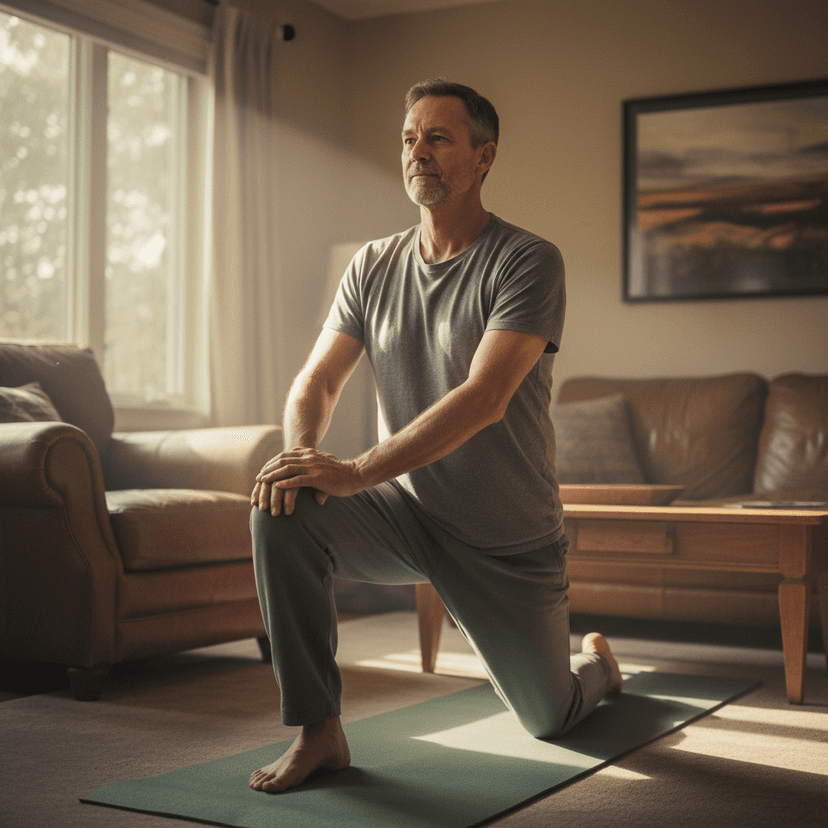
For Mr. Henderson, this meant dietary changes. We focused on reducing dampness-producing foods like excessive dairy, cold foods, and refined sugars, replacing them with warming, nourishing options like ginger, turmeric, and cooked vegetables. We also incorporated gentle movements like Tai Chi and Qigong. These ancient mind-body practices are exceptional for improving circulation, strengthening joints, and cultivating Qi, without putting undue stress on compromised areas. Researchers at institutions like the Mayo Clinic, including Dr.
Brent Bauer, have extensively studied the benefits of these practices for chronic pain and mobility.
This holistic approach genuinely sets TCM apart. It’s not just about treating the symptom; it’s about empowering you to participate actively in your own healing journey. It encourages a deeper connection to your body's subtle signals and an understanding that true wellness is a dynamic, ongoing process.
So, how do you find a qualified practitioner? Look for someone with proper certification (e.g., L.Ac. in the US), who ideally practices integrative medicine and can communicate effectively between TCM and Western frameworks. Don't be afraid to ask about their experience with joint pain specifically, and how they approach personalized care.
For Mr. Henderson, the journey was gradual, but profound. After three months of weekly acupuncture, a customized herbal formula, and consistent Tai Chi practice, his reliance on ibuprofen plummeted. He wasn't entirely pain-free every single day, but his "bad days" were fewer and far less severe. A quiet strength had returned to his knees.
His story, and so many others like it in my spreadsheets, reminds me that pain doesn't have to be a life sentence of temporary fixes. It can be a powerful invitation to understand your body's wisdom, to seek balance, and to explore enduring relief beyond the pill bottle. Perhaps the real question isn't about the right herbs or needle points. Maybe it's whether we’ve been thinking about wellness through an entirely different lens all along.
References
- Wang, Y., et al. (2016). Traditional Chinese Medication for Knee Osteoarthritis: A Meta-Analysis of 23 Randomized Controlled Trials.
- Li, T., et al. (2024). Efficacy and safety of acupuncture for knee osteoarthritis: a systematic review and meta-analysis of 10 randomized controlled trials.
- Kania, A.L., et al. (2025). Phytotherapeutic interventions as adjunctive agents in rheumatoid arthritis therapy: A systematic review.
- Chen, B.Y., et al. (2023). Jiawei Duhuo Jisheng Heji regulates inflammatory factors to alleviate knee osteoarthritis.
- Zheng, Q., et al. (2023). Eucommia ulmoides active components inhibit chondrocyte apoptosis via AKT1 and MAPK14.
- Weil, A. (University of Arizona) - Integrative Medicine concepts.
- Langevin, H. M. (NIH NCCIH) - Research on connective tissue and acupuncture.