Die gängige Meinung besagt, dass Gelenkschmerzen lediglich auf Verschleiß zurückzuführen sind, etwas Unvermeidliches – ein Teil des Älterwerdens, das man mit Schmerzmitteln und temporären Lösungen in den Griff bekommen muss. Aber was, wenn dieser Erzählung ein entscheidendes, hoffnungsvolleres Kapitel fehlt? Was, wenn wir die ganze Zeit die falschen Fragen gestellt haben?
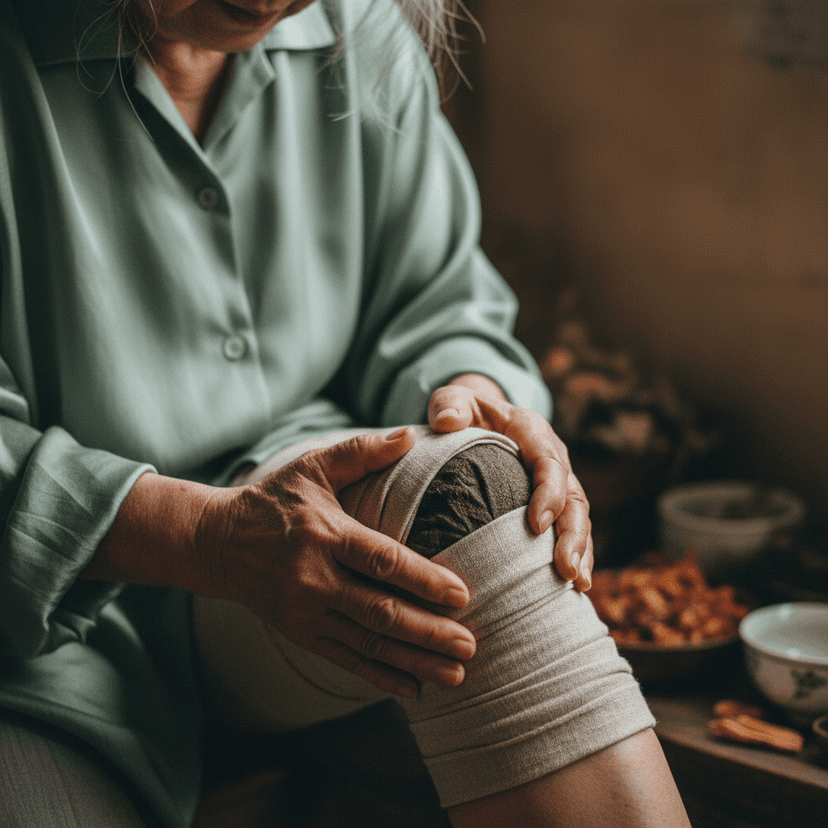
Ich erinnere mich an einen Morgen vor nicht allzu langer Zeit, als ich nach einer unruhigen Nacht dieses vertraute, tiefe Ziehen in den Knien spürte. Es war nicht lähmend, aber hartnäckig. Dieses unterschwellige, nagende Unbehagen, das einen ständig älter fühlen lässt, als man ist.
Ich hatte alles Übliche versucht – hier ein Glucosamin-Präparat, dort ein entzündungshemmendes Gel – nur um mich immer wieder am Ausgangspunkt wiederzufinden, frustriert, mit dem metallischen Geschmack der Niederlage im Mund. Es ist leicht, sich geschlagen zu fühlen, wenn die Antworten so oberflächlich wirken, nicht wahr? Wenn der beste Rat zu sein scheint: „Leb einfach damit.“
Also kehrte ich zu den klinischen Daten zurück, der Literatur, die ich jahrelang durchforstet hatte, auf der Suche nach etwas jenseits der konventionellen Erzählung. Was mich immer wieder beeindruckte, war, wie die Traditionelle Chinesische Medizin (TCM) Gelenkschmerzen nicht als isoliertes Ereignis betrachtet, sondern als Symptom eines viel größeren, komplexeren Bildes. Es geht weniger um ein kaputtes Teil als vielmehr um ein aus dem Gleichgewicht geratenes System.
Diesen ganzheitlichen Ansatz nennen wir Bi-Syndrom, ein zentrales Diagnosekonzept in der Traditionellen Chinesischen Medizin (TCM), das verschiedene Formen von Gelenkschmerzen, Taubheitsgefühlen und Schweregefühlen beschreibt. Es führt die Symptome hauptsächlich auf äußere pathogene Faktoren – Wind, Kälte, Feuchtigkeit – zurück, die die Meridiane des Körpers blockieren und dadurch den Fluss von Qi und Blut stören. Es ist eine systemische Sichtweise des Schmerzes, nicht nur eine lokalisierte Schädigung.
Schnelle Lösungen bei Gelenkschmerzen
Hier ist eine harte Wahrheit über chronische Gelenkschmerzen: Es gibt keine Zauberpille, keine einzelne Übung, keine einmalige Lösung. Punkt.
Wir sind alle so darauf programmiert, sofortige Linderung zu erwarten – das Feuer zu löschen, anstatt herauszufinden, warum es überhaupt angefangen hat. Aber bei anhaltendem Unbehagen kann diese Denkweise immer wieder zu Enttäuschungen führen. Sie erfordert Geduld, ja. Und die Bereitschaft, die Dinge tiefer zu verstehen.
Der größte Fehler, den ich bei Menschen – mich eingeschlossen – beobachtet habe? Eine einfache Lösung für etwas so Komplexes wie die Symphonie der Körpersysteme zu erwarten. Das ist, als würde man versuchen, ein undichtes Dach zu reparieren, indem man es während des Regens flickt. Man muss die strukturellen Probleme, das Fundament, angehen. Und genau hier bietet die TCM eine grundlegend andere Perspektive.
1. TCM-Körperbild: Mehr als nur Gelenke
Wenn Sie mit Gelenkschmerzen zu einem westlichen Arzt gehen, liegt der Fokus oft auf dem Gelenk selbst: Röntgenaufnahmen, MRTs, entzündungshemmende Medikamente. Und das sind unverzichtbare Werkzeuge für Diagnose und akute Behandlung. Aber die TCM stellt andere Fragen. Werden Ihre Schmerzen bei kaltem Wetter oder feuchten Bedingungen schlimmer? Wandern sie oder bleiben sie lokalisiert? Gibt es Schwellungen, Taubheitsgefühle oder ein Gefühl der Schwere?
Diese Details, die einem bestimmten Gelenk vielleicht unwichtig erscheinen mögen, zeichnen ein lebendiges Bild der zugrunde liegenden energetischen Ungleichgewichte – des „Winds“, der „Kälte“ oder der „Feuchtigkeit“, nach denen TCM-Praktizierende suchen.
Dieser personalisierte Diagnoseprozess, bekannt als Syndromdifferenzierung, ermöglicht es der TCM, maßgeschneiderte Behandlungspläne zu erstellen. Es ist kein Einheitsansatz. Die einzigartige Art und Weise, wie Ihr Körper Schmerzen ausdrückt, Ihre allgemeine Vitalität, Ihre Verdauung – all das spielt eine Rolle. Es geht darum, die Harmonie des gesamten Systems wiederherzustellen, nicht nur eine einzelne Alarmglocke zum Schweigen zu bringen.
Das Ziel ist nicht nur die Schmerzlinderung; es ist die Wiederherstellung des Gleichgewichts in Ihrem Körper, damit er weniger anfällig für zukünftige Schmerzen ist, indem die Grundursachen angegangen werden, die die westliche Medizin bei chronischen Erkrankungen möglicherweise nicht primär berücksichtigt.
2. TCM bei Gelenkschmerzen: Klinische Evidenz
Es ist nicht nur alte Weisheit – obwohl alte Weisheit hier sicherlich eine tiefe Quelle ist. Die moderne Forschung bestätigt zunehmend den Ansatz der TCM bei Gelenkschmerzen. Was ich in der Literatur fand, war überzeugend.
Ein wichtiges Ergebnis stammt von Wang et al. (2016), die eine systematische Überprüfung und Metaanalyse zur TCM bei Kniearthrose durchführten. Sie fanden heraus, dass TCM-Behandlungen sowohl sicher als auch wirksam waren, um Schmerzen, Funktion und allgemeines Wohlbefinden zu verbessern, und sogar NSAIDs und intraartikuläre Hyaluronat-Injektionen bei der signifikanten Verbesserung der VAS-Schmerzwerte übertrafen. Das ist ein starkes Ergebnis, kein fragiles. Die Verbesserungen waren messbar, bedeutsam.
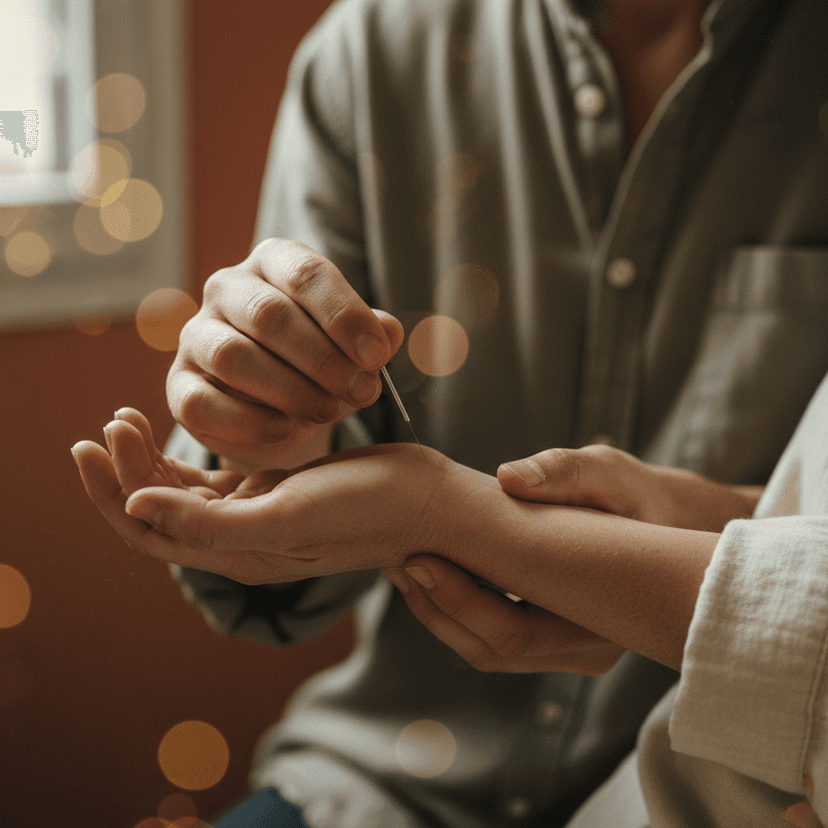
Dies wird weiter untermauert durch Li et al. (2020), die die Wirksamkeit und Sicherheit der TCM bei Arthrose untersuchten. Ihr Fazit? TCM-Therapien – einschließlich Akupunktur, oraler Kräuterverabreichung und externer Anwendungen – erhöhten die Gesamtwirksamkeitsrate signifikant und, was entscheidend ist, reduzierten die Rezidivrate im Vergleich zur alleinigen westlichen Medizin. Das ist der Schlüssel: Es geht nicht nur um vorübergehende Linderung; es geht darum, den Kreislauf der Wiederkehr potenziell zu durchbrechen.
Bewegung als Medizin: Traditionelle Chinesische Übungen
Neben Kräutern und Akupunktur bietet die TCM zugängliche Selbsthilfemaßnahmen. Erinnern Sie sich, wie ich meine eigene Kniesteifheit erwähnte? Die klinischen Daten zu Traditionellen Chinesischen Übungen (TCEs) fielen mir ins Auge. Chen et al. (2023) veröffentlichten eine Metaanalyse, die zeigte, dass TCEs wie Taijiquan (Tai Chi) und Baduanjin (Die Acht Brokate) Schmerzen, Steifheit und die körperliche Funktionsfähigkeit bei Patienten mit Kniearthrose signifikant verbesserten. Wir sprechen hier von sanfter, achtsamer Bewegung – nicht von hochintensiven Übungen, die die Symptome verschlimmern könnten.
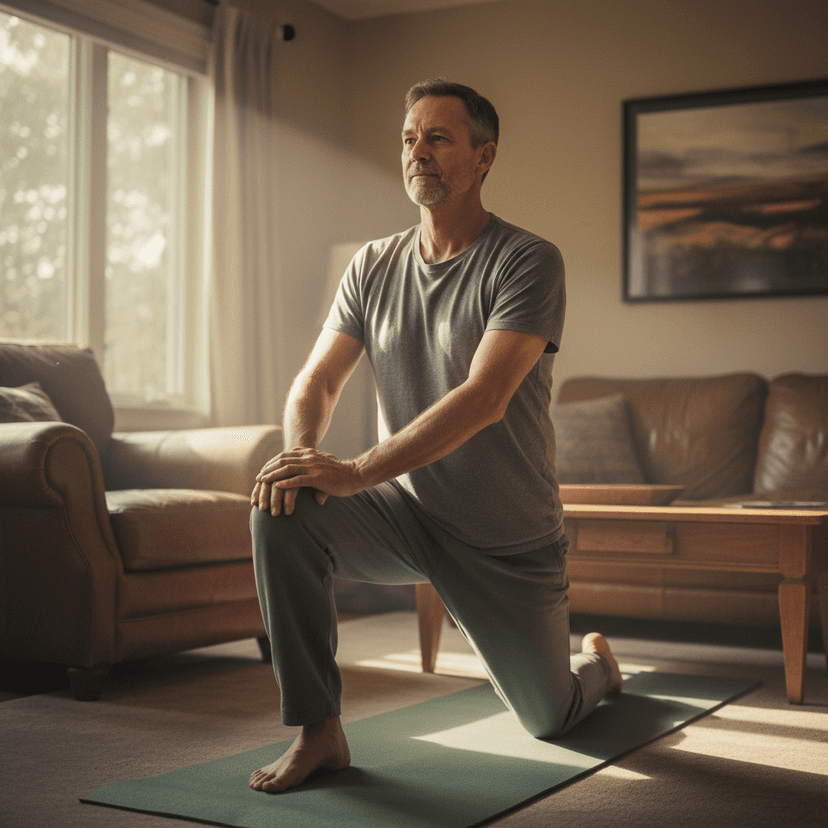
Für viele ist dies eine nicht offensichtliche Erkenntnis: Bewegung, wenn sie bewusst ausgeführt wird, kann eine wirksame Medizin sein. Es geht nicht um „No pain, no gain“ – ganz im Gegenteil. Es geht darum, Geschmeidigkeit zu kultivieren und die Zirkulation zu fördern, was in der TCM dazu beiträgt, die „Obstruktion“ zu beseitigen, die das Bi-Syndrom verursacht. Das können Sie zu Hause machen. Es dauert vielleicht 15-20 Minuten am Tag, und die Vorteile können über Wochen hinweg tiefgreifend sein.
3. Gelenkgesundheit: Praktische TCM-Tipps
Okay, wir wissen also, dass die TCM eine andere Perspektive bietet und die Forschung dies unterstützt. Aber wie sieht das in Ihrem Alltag aus? Wie integrieren wir diese Prinzipien, ohne überfordert zu sein?
Wärme und Zirkulation priorisieren
Beim Bi-Syndrom, insbesondere dem „Kälte-Feuchtigkeits-Typ“, der oft mit Steifheit und Schmerzen verbunden ist, die bei kaltem Wetter schlimmer werden, ist es entscheidend, die betroffenen Gelenke warm zu halten. Das ist nicht nur angenehm; es geht darum, weitere Blockaden zu verhindern.
Tun Sie: Tragen Sie mehrere Schichten, besonders an Knien und Schultern. Verwenden Sie täglich 15-20 Minuten lang warme Kompressen oder eine Wärmflasche auf schmerzenden Gelenken. Erwägen Sie wärmende ätherische Öle, gemischt mit einem Trägeröl.Nicht tun: Gelenke Zugluft aussetzen, auf kalten Oberflächen sitzen oder in kühlen Umgebungen unzureichende Kleidung tragen. Sie wären überrascht, wie oft Menschen diesen einfachen, aber wirkungsvollen Schutzschritt übersehen.
Sanfte Bewegung fördern
Die Forschung zu TCEs spricht für sich. Konsequente, sanfte Bewegung kann einen großen Unterschied bei der Reduzierung von Steifheit und der Verbesserung der Funktion machen.
Tun Sie: Entdecken Sie Tai Chi- oder Qigong-Kurse (viele Online-Optionen verfügbar!). Schon 10-15 Minuten langsames, bewusstes Dehnen oder Gehen können den Qi- und Blutfluss fördern. Beständigkeit ist hier entscheidend.Nicht tun: Bei starken Schmerzen weitermachen oder hochintensive Aktivitäten ausüben, wenn Ihre Gelenke entzündet sind. Hören Sie immer auf Ihren Körper. Wir streben nach Geschmeidigkeit, nicht nach Gewalt.
Ihren Speiseplan überdenken
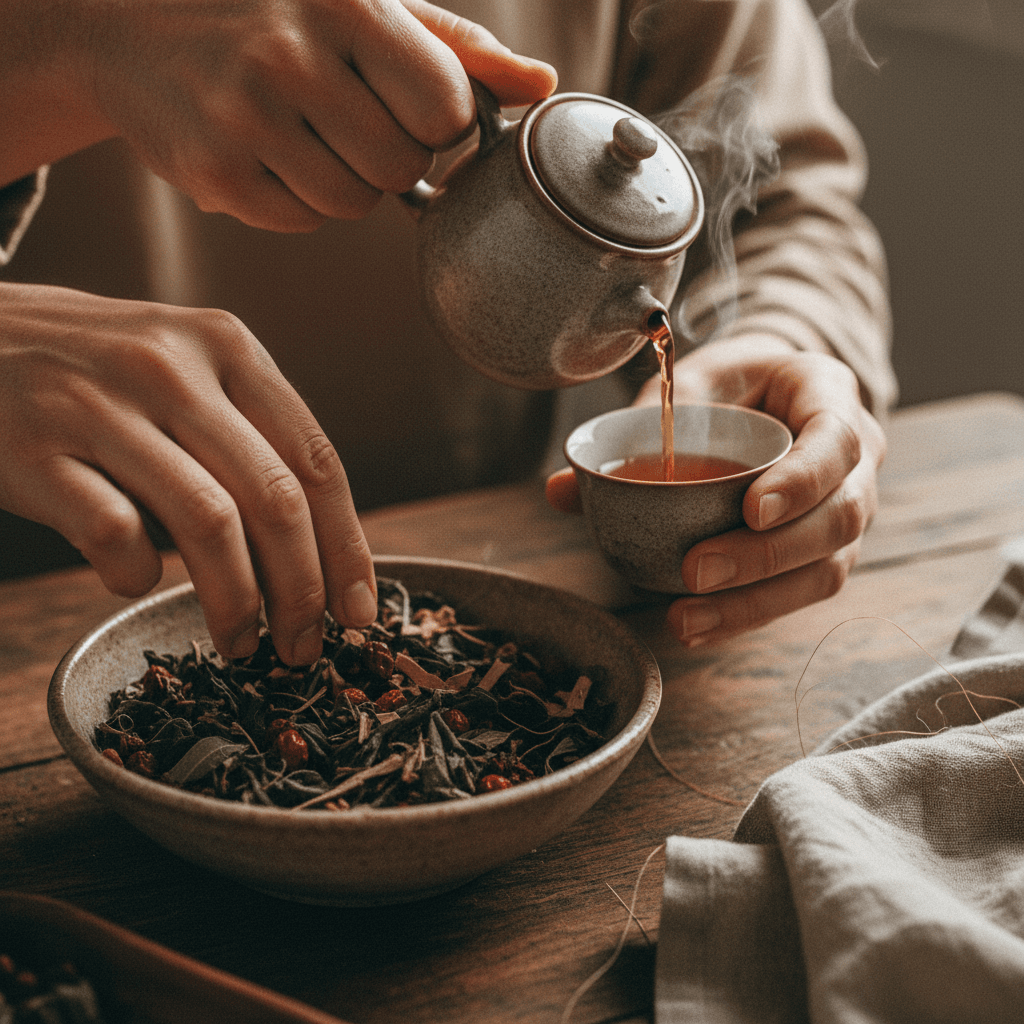
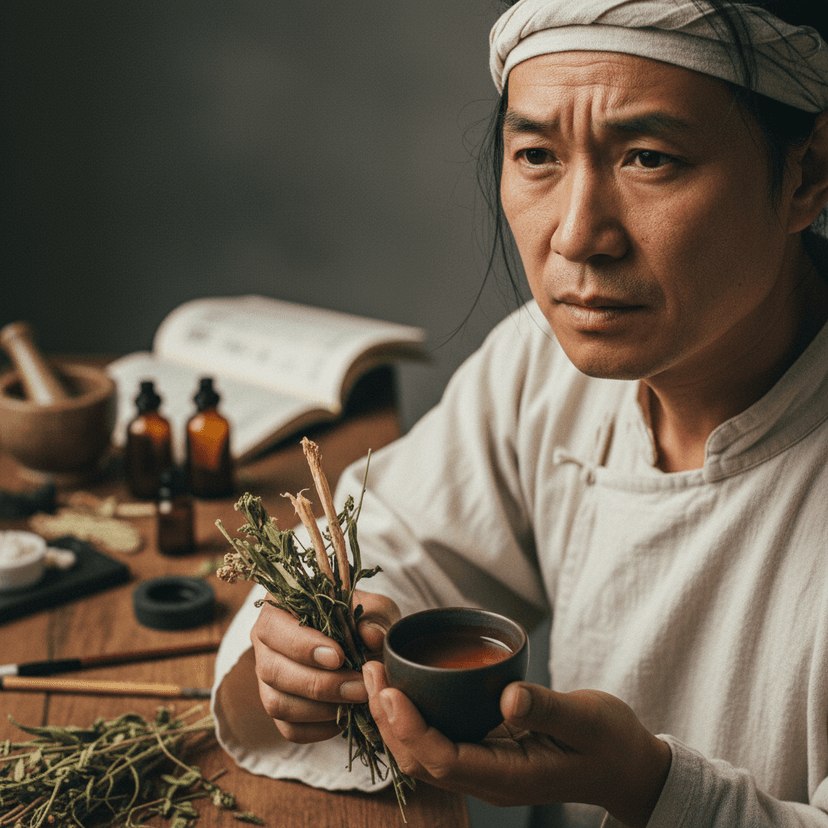
Die Ernährung spielt in der TCM eine immense Rolle. Bestimmte Lebensmittel können „Feuchtigkeit“ oder „Kälte“ im Körper verschlimmern, was Gelenkschmerzen verstärken kann. Klassische Texte wie 《本草纲目》 (Kompendium der Materia Medica) werden lebendig und beschreiben detailliert, wie verschiedene Wurzeln und Pflanzen therapeutische Eigenschaften besitzen. Zum Beispiel wird darin erwähnt, dass 独活 (Angelica pubescens) verschiedene Wind-, Wind-Kälte-Feuchtigkeits-Bi-Syndrome behandelt. Selbst einfache Küchenzutaten können unser inneres Gleichgewicht beeinflussen.
Tun Sie: Nehmen Sie wärmende Lebensmittel wie Ingwer, Kurkuma, Zimt und gekochtes Gemüse zu sich. Konzentrieren Sie sich auf leicht verdauliche Mahlzeiten.Nicht tun: Übermäßig kalte, rohe Lebensmittel, Milchprodukte oder übermäßig fettige Gerichte konsumieren, da diese zu Feuchtigkeit und Entzündungen beitragen können. Es geht nicht um Verzicht, sondern um achtsames Essen für das Gleichgewicht.
TCM-Reise: Häufige Fehltritte vermeiden
Ich habe oft erlebt, wie dies bei wohlmeinenden Personen spektakulär nach hinten losging. Bitte lernen Sie aus diesen Beobachtungen.
1. Kräuter wie Vitamine behandeln: Greifen Sie nicht einfach zu einer zufälligen Flasche „Gelenkunterstützungs“-Kräuter aus dem Reformhaus. TCM-Kräuterformeln sind komplex und für spezifische Syndrome konzipiert, nicht nur für Symptome. Was bei „Kälte-Feuchtigkeits-Bi“ wirkt, könnte „Feuchtigkeits-Hitze-Bi“ verschlimmern. Ein qualifizierter Praktiker ist hier unerlässlich. Er wird eine individuelle Formel für Ihr einzigartiges Körperbild erstellen.
2. Lebensstil für eine „Wunderpille“ ignorieren: Erwarten Sie keine Wunder von Akupunktur oder Kräutern, wenn Sie ständig entzündungsfördernde Lebensmittel essen, lange aufbleiben und sich bis an den Rand des Zusammenbruchs stressen. Die TCM ist ein ganzheitliches System. Sie erfordert Ihre Beteiligung an Lebensstilanpassungen. Sie fordert Sie auf, sich täglich um sich selbst zu kümmern.
3. Westliche Medizin abtun: Betrachten Sie die TCM niemals als eine Entweder-oder-Frage. Bei vielen chronischen Gelenkerkrankungen ist der beste Ansatz integrativ. Die westliche Medizin ist hervorragend in der akuten Diagnose, Schmerzbehandlung und chirurgischen Eingriffen. Die TCM bietet tiefe Einblicke in das systemische Gleichgewicht und die Prävention. Sprechen Sie mit Ihrem westlichen Arzt und Ihrem TCM-Praktiker darüber, wie sie zusammenarbeiten können. Sie ergänzen sich oft wunderbar und behandeln verschiedene Facetten desselben Problems.
Dauerhafte Gelenkschmerzlinderung: Ihr Weg
Vielleicht ist die eigentliche Frage nicht, welche Medizin „besser“ ist, sondern wie wir alle verfügbare Weisheit nutzen können, um uns am besten zu fühlen. Wir sprechen davon, chronische Gelenkschmerzen neu zu definieren – von einem einzelnen strukturellen Problem zu einem komplexen, dynamischen Zusammenspiel interner und externer Faktoren. Und das, so empfinde ich, ist zutiefst hoffnungsvoll. Es zeigt, dass es immer mehr Hebel gibt, die wir betätigen können, mehr Wege, unseren Körper zu unterstützen.
Sind Sie es leid, nur Symptome zu behandeln? Spricht Sie die Idee an, die Ursache anzugehen? Sind Sie neugierig, was das einzigartige „Bild“ Ihres Körpers über Ihre Gelenkbeschwerden verraten könnte?
Dieser Weg erfordert Offenheit und die Bereitschaft, Neues zu entdecken. Es ist keine schnelle Lösung, sondern ein Pfad zu tieferem Verständnis und potenziell nachhaltigerer Linderung. Denken Sie immer daran, qualifizierte Ärzte – sowohl der westlichen als auch der Traditionellen Chinesischen Medizin – für medizinische Entscheidungen zu konsultieren. Ihre Expertise ist unerlässlich, um Ihre persönliche Gesundheitssituation richtig einzuschätzen.
Erste Schritte für Gelenkschmerzlinderung
Bereit, Ihre Herangehensweise an Gelenkschmerzen zu ändern? Hier sind ein paar konkrete Schritte, die Sie innerhalb des nächsten Tages unternehmen können:
- Beobachten Sie Ihre Schmerzmuster (5 Minuten): Notieren Sie sich heute Abend vor dem Schlafengehen, wann Ihre Schmerzen schlimmer sind – morgens, abends, bei Kälte, Feuchtigkeit, nach bestimmten Speisen? Diese einfache Beobachtung ist der erste Schritt in der TCM-Diagnose.
- Wärmen Sie Ihre Gelenke (15-20 Minuten): Legen Sie eine warme Kompresse (auch ein in warmem Wasser getränktes Handtuch) für 15-20 Minuten auf ein schmerzendes Gelenk. Erleben Sie den sofortigen Komfort und prüfen Sie, ob es bei der Steifheit hilft. Sie können dem Wasser sogar ein paar Tropfen Ingwer-Ätherischöl hinzufügen.
- Achten Sie auf Ihr Frühstück (nächster Morgen): Ersetzen Sie den kalten Smoothie oder das Müsli durch eine warme Schale Haferbrei mit einer Prise Zimt oder Ingwer. Spüren Sie, wie sich Ihr Körper anfühlt. Diese kleine Umstellung kann dazu beitragen, innere „Kälte“ und „Feuchtigkeit“ zu reduzieren.
- Beginnen Sie Ihre Therapeutensuche (30 Minuten): Suchen Sie nach zugelassenen Akupunkteuren oder TCM-Kräuterkundigen in Ihrer Nähe. Überprüfen Sie deren Qualifikationen und Erfahrung. Einen qualifizierten Fachmann zu finden, ist der wichtigste Schritt, um eine personalisierte Anleitung zu erhalten.
Referenzen
- Wang, Y., et al. (2016). Traditionelle Chinesische Medizin bei Kniearthrose: Eine systematische Übersicht und Meta-Analyse.
- Li, T., et al. (2020). Wirksamkeit und Sicherheit der Traditionellen Chinesischen Medizin bei der Behandlung von Arthrose: eine Meta-Analyse.
- Chen, Z., et al. (2023). Die Wirksamkeit und Sicherheit traditioneller chinesischer Übungen bei Kniearthrose: Eine systematische Übersicht und Meta-Analyse.
- 《本草纲目》