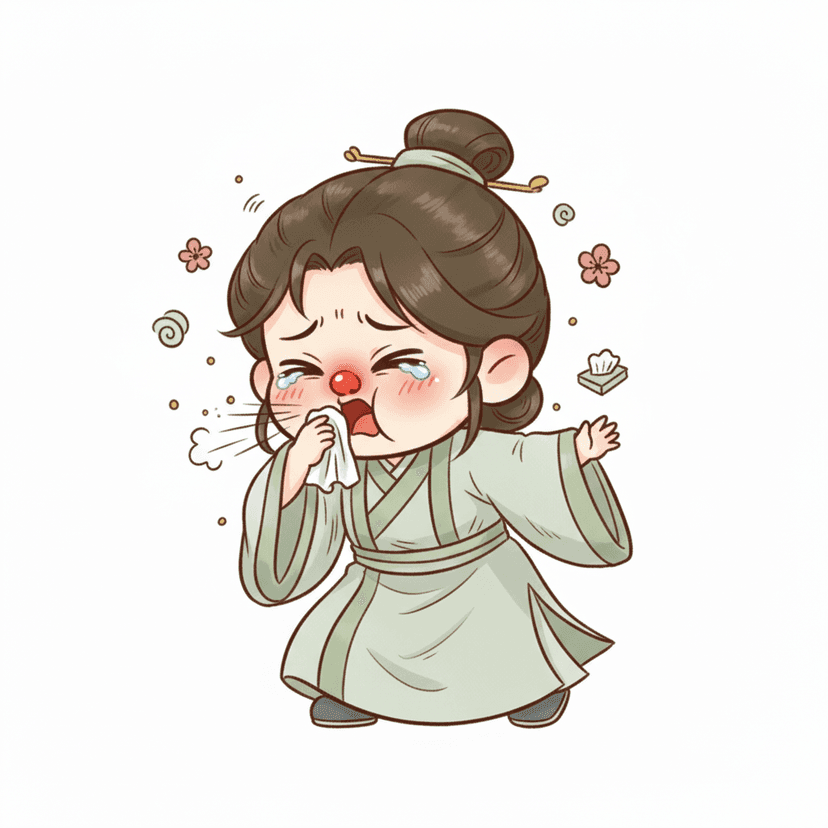
Características clave
Reacciones alérgicas a múltiples sustancias
Piel sensible
Tendencias hereditarias
Estornudos con cambios climáticos
Erupciones cutáneas
Sensibilidad a medicamentos
Síntomas comunes
- •Fiebre del heno / rinitis alérgica
- •Eccema o urticaria
- •Asma
- •Alergias alimentarias
- •Sensibilidad a medicamentos
- •Alergias estacionales
Recomendaciones dietéticas
✓Identificar y evitar los alimentos desencadenantes personales
✓Alimentos antiinflamatorios: pescado graso, cúrcuma, jengibre
✓Fortalecer la digestión con alimentos calientes y cocinados
✓Evitar alérgenos comunes: mariscos, nueces, lácteos (si hay reactividad)
✓La miel local puede ayudar con las alergias al polen
Alimentos a evitar
✗Alérgenos personales
✗Alimentos altamente procesados
✗Aditivos artificiales
✗Exceso de mariscos
Consejos de estilo de vida
Llevar un diario de síntomas para identificar desencadenantes
Usar purificadores de aire en interiores
Usar mascarilla durante las temporadas de alto contenido de polen
Fortalecer la inmunidad mediante ejercicio gradual
Mantener la piel hidratada
Reducir el estrés (el estrés agrava las reacciones alérgicas)
Hierbas recomendadas
Guía estacional
El polen primaveral y el viento otoñal son los peores períodos. El verano y el invierno son generalmente más llevaderos.
Opinión del experto
La constitución 'Alérgica (Especial)' en la MTC, conocida como 特禀质 (Te Bing Zhi), hace referencia a las personas con predisposición a reacciones alérgicas e hipersensibilidades. Esta constitución se asocia frecuentemente con una deficiencia en los órganos Pulmón y Bazo, responsables del Qi defensivo del organismo y de la transformación y transporte de nutrientes. El desequilibrio fundamental implica un sistema inmunitario debilitado y un Wei Qi alterado, que generan una mayor sensibilidad a factores ambientales y alérgenos.
En la medicina occidental, la constitución 'Alérgica (Especial)' se correlaciona con afecciones como la rinitis alérgica, el asma, el eccema y las alergias alimentarias. Investigaciones recientes han destacado el papel de las predisposiciones genéticas, la desregulación inmunológica y los desencadenantes ambientales en estas condiciones. Estudios han demostrado que las personas con estas afecciones suelen presentar microbiota intestinal alterada, niveles elevados de anticuerpos IgE e inflamación crónica, todo lo cual coincide con el concepto de la MTC de un Wei Qi debilitado y una deficiencia orgánica.
Desde el punto de vista clínico, el mejor enfoque para tratar la constitución 'Alérgica (Especial)' implica una combinación de fitoterapia, ajustes dietéticos y modificaciones en el estilo de vida. Fórmulas herbales como Yu Ping Feng San (Polvo del Escudo de Jade) y Xiao Feng San (Polvo Dispersor del Viento) son eficaces para fortalecer el sistema inmunitario y reducir las reacciones alérgicas. La dieta debe enfocarse en reducir los alimentos inflamatorios e incorporar nutrientes que potencien la inmunidad. Entre los errores comunes a evitar se encuentran la dependencia excesiva de antihistamínicos y descuidar los cambios en el estilo de vida a largo plazo, que pueden conducir a síntomas crónicos y una disminución de la calidad de vida.
Preguntas frecuentes
¿Cómo se diagnostica la constitución 'Alérgica (Especial)' en la MTC?
El diagnóstico implica evaluar síntomas como alergias frecuentes, erupciones cutáneas y problemas respiratorios. Los practicantes de MTC también buscan signos de deficiencia del Pulmón y del Bazo, como fatiga, mala digestión y función inmunitaria débil. El diagnóstico del pulso y de la lengua son cruciales para confirmar la constitución.
¿Qué alimentos deben evitarse en la dieta de la constitución 'Alérgica (Especial)'?
Evite los alérgenos comunes como lácteos, gluten y nueces. También reduzca los alimentos inflamatorios como azúcares procesados, alimentos fritos y aditivos artificiales. Priorice una dieta basada en alimentos integrales, rica en frutas, verduras, proteínas magras y cereales integrales.
¿Cuáles son los mejores ejercicios para alguien con constitución 'Alérgica (Especial)'?
Los ejercicios suaves como Tai Chi, yoga y caminar son beneficiosos. Estas actividades ayudan a fortalecer el Pulmón y el Bazo mientras reducen el estrés y mejoran la circulación. Evite los ejercicios intensos de alto impacto que pueden exacerbar los síntomas.
¿Qué medicinas herbales son más eficaces para la constitución 'Alérgica (Especial)'?
Yu Ping Feng San (Polvo del Escudo de Jade) y Xiao Feng San (Polvo Dispersor del Viento) son muy efectivos. Estas fórmulas fortalecen el sistema inmunitario, reducen las reacciones alérgicas y equilibran el Qi defensivo del organismo.
¿Qué modificaciones en el estilo de vida pueden ayudar a manejar la constitución 'Alérgica (Especial)'?
Mantenga un horario de sueño regular, maneje el estrés mediante técnicas de atención plena y relajación, y conserve un entorno limpio y libre de alérgenos. Los tratamientos regulares de acupuntura y fitoterapia también pueden apoyar la salud general.
¿Cómo afectan los cambios estacionales a la constitución 'Alérgica (Especial)'?
Los cambios estacionales, especialmente en primavera y otoño, pueden exacerbar los síntomas debido al aumento de polen y alérgenos ambientales. Ajustar la dieta y los tratamientos herbales de forma estacional puede ayudar a manejar estas fluctuaciones.
¿Qué condiciones médicas occidentales se relacionan más estrechamente con la constitución 'Alérgica (Especial)'?
Afecciones como la rinitis alérgica, el asma, el eccema y las alergias alimentarias están estrechamente relacionadas. Estas condiciones comparten síntomas similares y mecanismos subyacentes de desregulación inmunológica e inflamación.
¿Cuál es un cronograma realista de mejoría para la constitución 'Alérgica (Especial)'?
La mejoría puede variar, pero la mayoría de las personas observan cambios significativos dentro de 3 a 6 meses con un tratamiento constante y modificaciones en el estilo de vida. Los casos crónicos pueden requerir un manejo a más largo plazo.
¿Cuáles son los conceptos erróneos más comunes sobre la constitución 'Alérgica (Especial)'?
Un concepto erróneo frecuente es que las alergias son puramente genéticas e inmanejables. La MTC enfatiza el papel del estilo de vida y la dieta en el manejo y la reducción de síntomas, ofreciendo un enfoque holístico del tratamiento.
¿Cuándo debe una persona con constitución 'Alérgica (Especial)' buscar ayuda profesional?
Busque ayuda profesional si los síntomas son graves, persistentes o empeoran a pesar de los autocuidados. Un practicante de MTC puede proporcionar un tratamiento personalizado y apoyo para el manejo a largo plazo.
¿Cree que este podría ser su tipo?
Esta información es solo con fines educativos. La evaluación de la constitución debe ser realizada por un profesional de MTC cualificado.