气功 · Qi Gong
Qigong,字面意思是“Qi 培养”或“能量功法”,是一种植根于传统中医 (TCM) 的古老身心练习。它涉及协调的身体姿势和动作、深呼吸技巧和冥想,以培养和平衡体内的 Qi(生命能量)。
Qigong (气功), meaning "Qi cultivation" or "energy work," is a cornerstone of Traditional Chinese Medicine (TCM). This ancient practice integrates physical postures, gentle movements, deep breathing techniques, and focused intention. Its primary goal is to cultivate and balance Qi, the vital life energy within the body.
With a history spanning thousands of years, Qigong has evolved from various philosophical and medical traditions. It is practiced worldwide today for its profound benefits in promoting health, well-being, and spiritual harmony. Qigong is often seen as a moving meditation.
At the heart of Qigong is the concept of Qi. TCM views Qi as the fundamental life force that animates all living things. It flows through specific pathways in the body called meridians, connecting organs and tissues. A balanced and free flow of Qi is essential for health.
Qigong practices aim to harmonize the body's Yin and Yang energies, another core TCM principle. By regulating Qi, practitioners seek to remove blockages, strengthen weak areas, and calm overactive ones. This holistic approach supports the body's innate healing capabilities.
Qigong typically involves three interconnected components: posture and movement, breathing, and mind focus. Postures are often gentle and flowing, designed to open meridians and relax the body. Movements are slow, deliberate, and coordinated with breath.
Breathing techniques are central, emphasizing deep, abdominal breathing to draw in and circulate Qi. Mental focus involves cultivating a calm, meditative state, directing attention to specific body areas or the flow of Qi. This integration enhances the practice's effectiveness.
The world of Qigong is incredibly diverse, with thousands of distinct styles and forms. These can be broadly categorized based on their primary focus: medical Qigong for healing, martial Qigong for combat applications, and spiritual Qigong for enlightenment.
Styles also vary in their approach, from dynamic forms with continuous movements (like Tai Chi Qigong) to tranquil, seated meditations. Common examples include Ba Duan Jin (Eight Brocades), Liu Zi Jue (Six Healing Sounds), and Yi Jin Jing (Muscle Tendon Change Classic).
From a TCM perspective, regular Qigong practice offers numerous health benefits. It is believed to enhance the circulation of Qi and blood, nourishing organs and tissues. This improved flow can alleviate pain, reduce inflammation, and support detoxification.
Qigong is highly effective in stress reduction and emotional regulation. By calming the mind and nervous system, it helps balance emotions and improve sleep quality. It also strengthens the immune system, increasing resilience against illness and promoting longevity.
The theoretical underpinnings of Qigong are deeply rooted in classical Chinese texts. As a vital component of TCM's health preservation and therapeutic systems, Qigong is defined by the synergistic practice of regulating the body (调身), breath (调息), and mind (调心) to cultivate, regulate, and utilize 'Qi.' The *Huangdi Neijing* (Yellow Emperor's Classic of Internal Medicine), a foundational text, articulates this principle, stating, 'Breathe the essence, stand alone with the spirit, and the muscles will be as one,' emphasizing the regulation of Qi and blood through specific postures, breathing, and intention. It further asserts, 'With a tranquil and empty mind, true Qi follows; with the spirit guarded within, how can illness arise?' highlighting Qigong's role in disease prevention through mental cultivation. Early Daoist texts like *Zhuangzi* also describe practices akin to Qigong's precursor, Daoyin, noting, 'Exhaling and inhaling, spitting out the old and taking in the new, like a bear stretching and a bird extending,' illustrating the ancient integration of breath and movement for longevity.
Modern scientific research increasingly validates Qigong's profound health benefits, bridging ancient wisdom with contemporary understanding of the human body. Studies conducted by the U.S. National Institutes of Health (NIH) have shown Qigong's efficacy in alleviating chronic pain conditions, such as fibromyalgia, and reducing symptoms of anxiety disorders, as summarized in a 2019 review in *Complementary Therapies in Medicine*. Further neuroscientific investigations, including research from Shanghai University, utilizing fMRI, have revealed that long-term Qigong practitioners exhibit enhanced connectivity in the brain's default mode network. This finding suggests Qigong's capacity to modulate autonomic nervous system function, offering a physiological explanation for its stress-reducing and regulatory effects on the body and mind.
Beyond its theoretical framework and scientific validation, Qigong encompasses a rich variety of practical applications. Forms like the **Baduanjin** (Eight Brocades) represent a modernized Qigong exercise, widely recognized and even recommended by the World Health Organization (WHO) as a traditional exercise therapy. It employs eight distinct movements to regulate Qi and blood, proving particularly beneficial for improving balance and overall well-being in older adults. Another significant practice is the **Liu Zi Jue** (Six-Sound Secret), which combines specific breathing techniques with vocalizations (such as "xu" for the liver or "he" for the heart) to target and harmonize the functions of specific internal organs, a method documented in ancient texts like the *Yang Sheng Yan Ming Lu*. Collectively, these practices underscore Qigong's comprehensive role as a mind-body intervention, integrating TCM principles with modern neuro-immune mechanisms to offer significant value in both disease prevention and rehabilitation.
Qigong is accessible to people of all ages and fitness levels, making it an ideal practice for daily integration. Even short, consistent sessions can yield significant benefits. Many practitioners find that Qigong enhances their awareness and presence throughout the day.
Learning from a qualified instructor is recommended, especially for beginners, to ensure proper form and understanding of principles. Incorporating Qigong into a daily routine can be a powerful step towards achieving holistic health and well-being, aligning mind, body, and spirit.
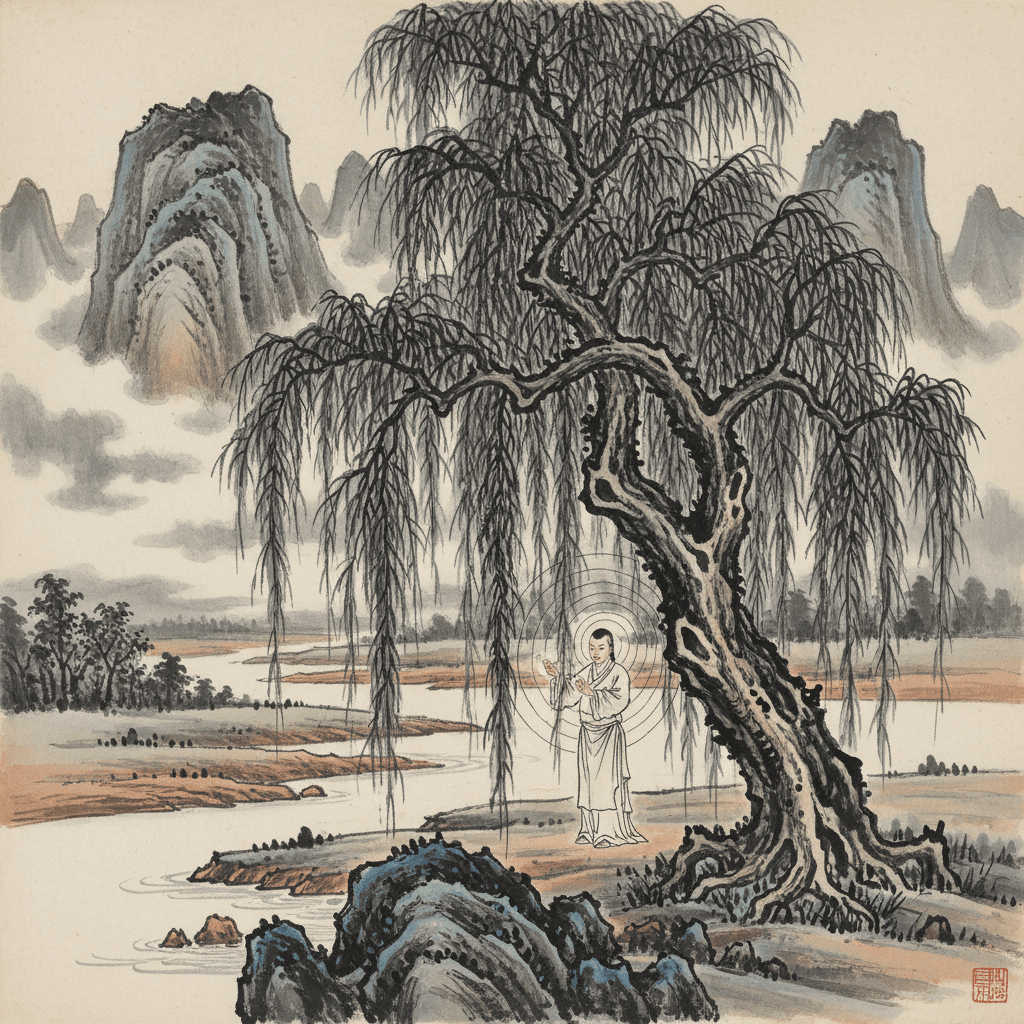
Qigong (气功), meaning "Qi cultivation" or "energy work," is a cornerstone of Traditional Chinese Medicine (TCM). This ancient practice integrates physical postures, gentle movements, deep breathing techniques, and focused intention. Its primary goal is to cultivate and balance Qi, the vital life energy within the body.
With a history spanning thousands of years, Qigong has evolved from various philosophical and medical traditions. It is practiced worldwide today for its profound benefits in promoting health, well-being, and spiritual harmony. Qigong is often seen as a moving meditation.
At the heart of Qigong is the concept of Qi. TCM views Qi as the fundamental life force that animates all living things. It flows through specific pathways in the body called meridians, connecting organs and tissues. A balanced and free flow of Qi is essential for health.
Qigong practices aim to harmonize the body's Yin and Yang energies, another core TCM principle. By regulating Qi, practitioners seek to remove blockages, strengthen weak areas, and calm overactive ones. This holistic approach supports the body's innate healing capabilities.
Qigong typically involves three interconnected components: posture and movement, breathing, and mind focus. Postures are often gentle and flowing, designed to open meridians and relax the body. Movements are slow, deliberate, and coordinated with breath.
Breathing techniques are central, emphasizing deep, abdominal breathing to draw in and circulate Qi. Mental focus involves cultivating a calm, meditative state, directing attention to specific body areas or the flow of Qi. This integration enhances the practice's effectiveness.
The world of Qigong is incredibly diverse, with thousands of distinct styles and forms. These can be broadly categorized based on their primary focus: medical Qigong for healing, martial Qigong for combat applications, and spiritual Qigong for enlightenment.
Styles also vary in their approach, from dynamic forms with continuous movements (like Tai Chi Qigong) to tranquil, seated meditations. Common examples include Ba Duan Jin (Eight Brocades), Liu Zi Jue (Six Healing Sounds), and Yi Jin Jing (Muscle Tendon Change Classic).
From a TCM perspective, regular Qigong practice offers numerous health benefits. It is believed to enhance the circulation of Qi and blood, nourishing organs and tissues. This improved flow can alleviate pain, reduce inflammation, and support detoxification.
Qigong is highly effective in stress reduction and emotional regulation. By calming the mind and nervous system, it helps balance emotions and improve sleep quality. It also strengthens the immune system, increasing resilience against illness and promoting longevity.
The theoretical underpinnings of Qigong are deeply rooted in classical Chinese texts. As a vital component of TCM's health preservation and therapeutic systems, Qigong is defined by the synergistic practice of regulating the body (调身), breath (调息), and mind (调心) to cultivate, regulate, and utilize 'Qi.' The *Huangdi Neijing* (Yellow Emperor's Classic of Internal Medicine), a foundational text, articulates this principle, stating, 'Breathe the essence, stand alone with the spirit, and the muscles will be as one,' emphasizing the regulation of Qi and blood through specific postures, breathing, and intention. It further asserts, 'With a tranquil and empty mind, true Qi follows; with the spirit guarded within, how can illness arise?' highlighting Qigong's role in disease prevention through mental cultivation. Early Daoist texts like *Zhuangzi* also describe practices akin to Qigong's precursor, Daoyin, noting, 'Exhaling and inhaling, spitting out the old and taking in the new, like a bear stretching and a bird extending,' illustrating the ancient integration of breath and movement for longevity.
Modern scientific research increasingly validates Qigong's profound health benefits, bridging ancient wisdom with contemporary understanding of the human body. Studies conducted by the U.S. National Institutes of Health (NIH) have shown Qigong's efficacy in alleviating chronic pain conditions, such as fibromyalgia, and reducing symptoms of anxiety disorders, as summarized in a 2019 review in *Complementary Therapies in Medicine*. Further neuroscientific investigations, including research from Shanghai University, utilizing fMRI, have revealed that long-term Qigong practitioners exhibit enhanced connectivity in the brain's default mode network. This finding suggests Qigong's capacity to modulate autonomic nervous system function, offering a physiological explanation for its stress-reducing and regulatory effects on the body and mind.
Beyond its theoretical framework and scientific validation, Qigong encompasses a rich variety of practical applications. Forms like the **Baduanjin** (Eight Brocades) represent a modernized Qigong exercise, widely recognized and even recommended by the World Health Organization (WHO) as a traditional exercise therapy. It employs eight distinct movements to regulate Qi and blood, proving particularly beneficial for improving balance and overall well-being in older adults. Another significant practice is the **Liu Zi Jue** (Six-Sound Secret), which combines specific breathing techniques with vocalizations (such as "xu" for the liver or "he" for the heart) to target and harmonize the functions of specific internal organs, a method documented in ancient texts like the *Yang Sheng Yan Ming Lu*. Collectively, these practices underscore Qigong's comprehensive role as a mind-body intervention, integrating TCM principles with modern neuro-immune mechanisms to offer significant value in both disease prevention and rehabilitation.
Qigong is accessible to people of all ages and fitness levels, making it an ideal practice for daily integration. Even short, consistent sessions can yield significant benefits. Many practitioners find that Qigong enhances their awareness and presence throughout the day.
Learning from a qualified instructor is recommended, especially for beginners, to ensure proper form and understanding of principles. Incorporating Qigong into a daily routine can be a powerful step towards achieving holistic health and well-being, aligning mind, body, and spirit.
本信息仅供教育目的,不构成医疗建议。使用任何草药前,请务必咨询合格的医疗从业人员。