La saggezza comune dice che il dolore articolare è solo una questione di usura, qualcosa di inevitabile — una parte dell'invecchiamento, qualcosa da gestire con antidolorifici e soluzioni temporanee. Ma se a questa narrazione mancasse un capitolo cruciale, più speranzoso? E se avessimo fatto le domande sbagliate per tutto questo tempo?
Ricordo una mattina, non molto tempo fa, di aver sentito quel familiare e profondo dolore alle ginocchia dopo una notte agitata. Non era debilitante, ma era persistente. Quel fastidio di basso grado, insistente, che ti fa sentire perennemente più vecchio dei tuoi anni.
Avevo provato tutto il solito — un integratore di glucosamina qui, un gel antinfiammatorio lì — solo per ritrovarmi al punto di partenza, frustrato, con il sapore metallico della sconfitta in bocca. È facile sentirsi sconfitti quando le risposte sembrano così superficiali, non è vero? Quando il miglior consiglio sembra essere 'conviverci'.
Così sono tornato ai dati clinici, alla letteratura che ho passato anni a setacciare, cercando qualcosa oltre la narrativa convenzionale. Ciò che mi ha colpito, più e più volte, è stato come la Medicina Tradizionale Cinese (MTC) affronta il dolore articolare non come un incidente isolato, ma come un sintomo di un quadro molto più ampio e intricato. Si tratta meno di una parte rotta e più di un sistema in squilibrio.
Questo approccio olistico è ciò che chiamiamo Sindrome Bi, un concetto diagnostico fondamentale nella Medicina Tradizionale Cinese (MTC) usato per descrivere varie forme di dolore articolare, intorpidimento e sensazioni di pesantezza. Attribuisce i sintomi principalmente a fattori patogeni esterni — vento, freddo, umidità — che ostruiscono i meridiani del corpo, interrompendo così il flusso di Qi e sangue. È una visione sistemica del dolore, non solo un danno localizzato.
Soluzioni Rapide per il Dolore Articolare: Funzionano?
Ecco una dura verità sul dolore articolare cronico: non esiste una pillola magica, nessun esercizio singolo, nessuna soluzione una tantum. Punto.
Siamo tutti così abituati ad aspettarci un sollievo immediato — a spegnere l'incendio, non a scoprire perché è iniziato. Ma per il disagio persistente, questa mentalità può lasciarti deluso, ancora e ancora. Richiede pazienza, sì. E la volontà di capire le cose più a fondo.
L'errore più grande che ho visto fare alle persone — me compreso? Aspettarsi un semplice interruttore per qualcosa di complesso come la sinfonia di sistemi del corpo umano. È come cercare di riparare un tetto che perde solo rattoppandolo durante la pioggia. Devi affrontare i problemi strutturali, le fondamenta. Ed è qui che la MTC offre una lente profondamente diversa.
1. Dolore Articolare nella MTC: Oltre la Semplice Articolazione
Quando entri nello studio di un medico occidentale con dolore articolare, l'attenzione è spesso sull'articolazione stessa: raggi X, risonanze magnetiche, farmaci antinfiammatori. E questi sono strumenti essenziali per la diagnosi e la gestione acuta. Ma la MTC pone una serie diversa di domande. Il tuo dolore peggiora con il freddo o in condizioni di umidità? Si sposta o rimane localizzato? C'è gonfiore, intorpidimento o una sensazione di pesantezza?
Questi dettagli, che potrebbero sembrare non correlati a un'articolazione specifica, dipingono un quadro vivido degli squilibri energetici sottostanti — il 'vento', il 'freddo' o l''umidità' che i praticanti di MTC cercano.
Questo processo diagnostico personalizzato, noto come differenziazione sindromica, è ciò che permette alla MTC di creare piani di trattamento su misura. Non è un approccio universale. Il modo unico in cui il tuo corpo esprime il dolore, la tua vitalità generale, la tua digestione — tutto conta. Si tratta di ripristinare l'armonia dell'intero sistema, non solo di silenziare un singolo campanello d'allarme.
L'obiettivo non è solo alleviare il dolore; è riequilibrare il tuo corpo in modo che sia meno suscettibile a futuri dolori, affrontando le cause profonde che la medicina occidentale potrebbe non prioritizzare inizialmente per le condizioni croniche.
2. MTC e Dolore Articolare: Cosa Dice la Scienza?
Non è solo saggezza antica — anche se la saggezza antica è certamente una profonda fonte qui. La ricerca moderna sta sempre più convalidando l'approccio della MTC al dolore articolare. Quello che ho trovato nella letteratura era convincente.
Un risultato significativo proviene da Wang et al. (2016), che hanno condotto una revisione sistematica e meta-analisi sulla MTC per l'osteoartrite del ginocchio. Hanno scoperto che i trattamenti MTC erano sia sicuri che efficaci nel migliorare il dolore, la funzione e il benessere generale, superando persino i FANS e le iniezioni intra-articolari di ialuronato nel migliorare significativamente i punteggi del dolore VAS. Questo è un risultato forte, non fragile. I miglioramenti erano misurabili, significativi.
A ulteriore conferma di ciò, Li et al. (2020) hanno esaminato l'efficacia e la sicurezza della MTC per l'osteoartrite. La loro conclusione? Le terapie MTC — inclusa l'agopuntura, la somministrazione orale di erbe e le applicazioni esterne — hanno aumentato significativamente il tasso di efficacia totale e, in modo cruciale, hanno ridotto il tasso di recidiva rispetto alla sola medicina occidentale. Questo è fondamentale: non si tratta solo di sollievo temporaneo; si tratta di rompere potenzialmente il ciclo di recidive.
Il Movimento come Medicina: Esercizi Tradizionali Cinesi
Oltre alle erbe e all'agopuntura, la MTC offre strumenti di auto-cura accessibili. Ricordi come ho menzionato la mia rigidità al ginocchio? I dati clinici sugli Esercizi Tradizionali Cinesi (ETC) hanno catturato la mia attenzione. Chen et al. (2023) hanno pubblicato una meta-analisi che mostrava come gli ETC come il Taijiquan (Tai Chi) e il Baduanjin (Otto Pezzi di Broccato) migliorassero significativamente i punteggi di dolore, rigidità e funzione fisica nei pazienti con osteoartrite del ginocchio. Stiamo parlando di movimento dolce e consapevole — non di esercizi ad alto impatto che potrebbero esacerbare i sintomi.
Questo è un concetto non ovvio per molti: il movimento, se fatto con consapevolezza, può essere una medicina potente. Non si tratta di 'no pain, no gain' — anzi, è il contrario. Si tratta di coltivare la fluidità e promuovere la circolazione, il che, in termini di MTC, aiuta ad affrontare quell'"ostruzione" che causa la Sindrome Bi. Puoi farlo a casa. Ci vogliono forse 15-20 minuti al giorno, e i benefici possono essere profondi nel giro di settimane.
3. Salute delle Articolazioni: Cosa Fare e Cosa Evitare
Sappiamo che la MTC offre una prospettiva diversa e la ricerca la supporta. Ma come si traduce questo nella tua vita quotidiana? Come integriamo questi principi senza sentirci sopraffatti?
Dai Priorità al Calore e alla Circolazione
Per la Sindrome Bi, specialmente il tipo "freddo-umido" spesso associato a rigidità e dolore che peggiora con il freddo, mantenere calde le articolazioni colpite è fondamentale. Non si tratta solo di comfort; si tratta di prevenire ulteriori ostruzioni.
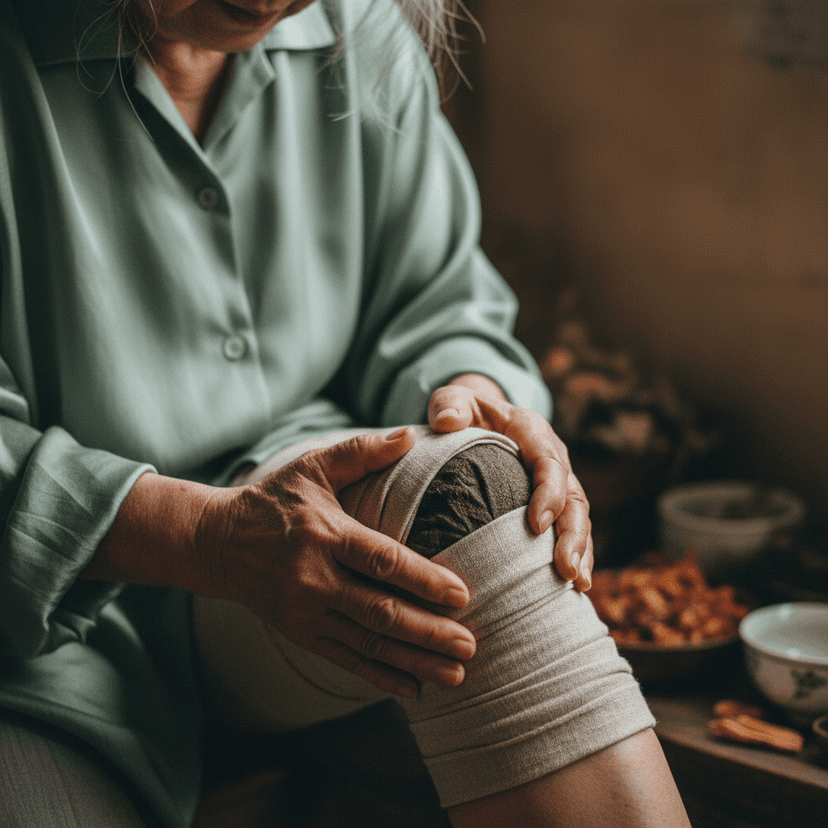
Fai: Indossa strati, specialmente su ginocchia e spalle. Usa impacchi caldi o una borsa dell'acqua calda sulle articolazioni doloranti per 15-20 minuti al giorno. Considera l'uso di oli essenziali riscaldanti mescolati con un olio vettore. Non Fare: Esporre le articolazioni a correnti d'aria, sederti su superfici fredde o indossare abiti insufficienti in ambienti freddi. Ti sorprenderà quante volte le persone trascurano questo semplice, ma potente, passo protettivo.
Abbraccia il Movimento Dolce
La ricerca sui TCE parla da sé. Un movimento costante e delicato può fare una grande differenza nel ridurre la rigidità e migliorare la funzione.
Fai: Esplora lezioni di Tai Chi o Qigong (esistono molte opzioni online!). Anche 10-15 minuti di stretching lento e deliberato o di camminata possono aiutare il flusso di Qi e sangue. La costanza è fondamentale qui. Non Fare: Spingere attraverso un dolore acuto o impegnarsi in attività ad alto impatto se le tue articolazioni sono infiammate. Ascolta sempre il tuo corpo. Puntiamo alla fluidità, non alla forza.
Rivaluta il Tuo Piatto
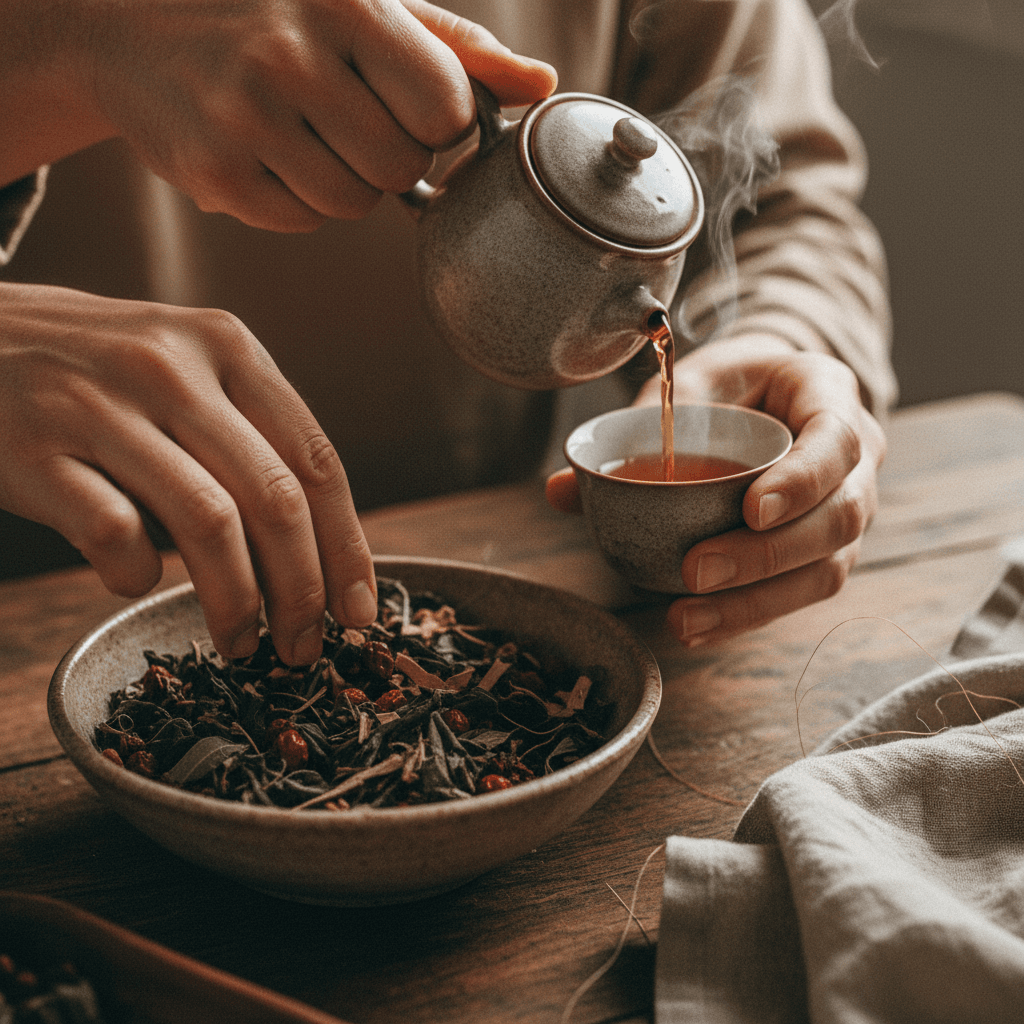
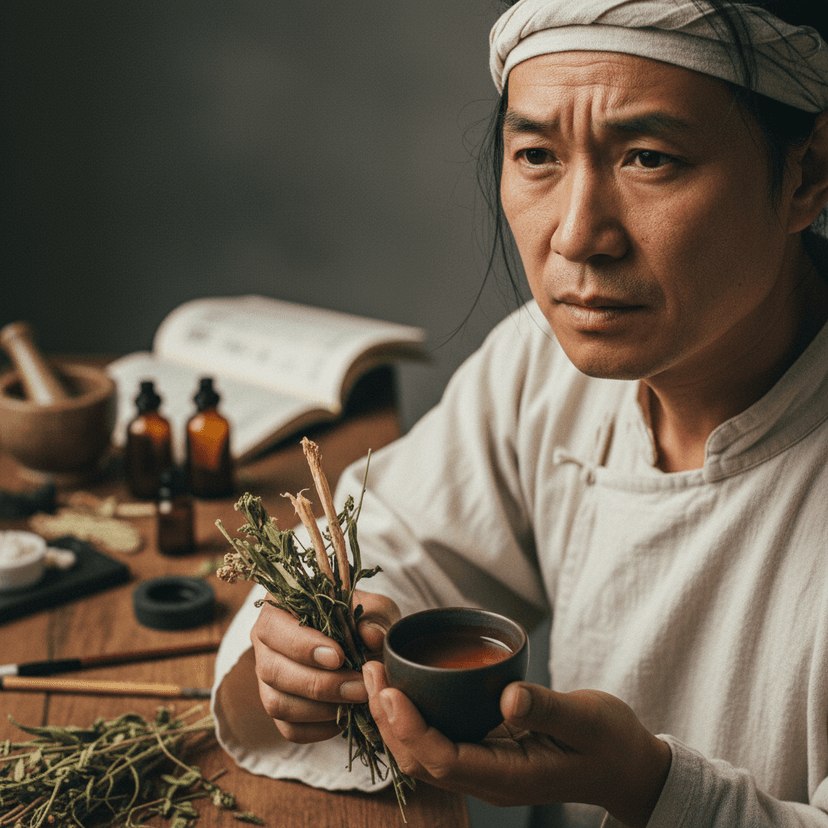
La dieta è immensamente importante nella MTC. Alcuni alimenti possono esacerbare l'"umidità" o il "freddo" nel corpo, il che può peggiorare il dolore articolare. Testi classici come 《本草纲目》 (Compendio di Materia Medica) prendono vita, descrivendo come varie radici e piante abbiano proprietà terapeutiche. Ad esempio, si nota che 独活 (Angelica pubescens) tratta 诸风,风寒湿痹 (varie sindromi Bi da vento, vento-freddo-umido). Anche semplici ingredienti da cucina possono influenzare il nostro equilibrio interno.
Fai: Incorpora alimenti riscaldanti come zenzero, curcuma, cannella e verdure cotte. Concentrati su pasti facilmente digeribili. Non Fare: Consumare eccessivamente cibi freddi e crudi, latticini o piatti eccessivamente grassi, che possono contribuire all'umidità e all'infiammazione. Non si tratta di privazione, ma di alimentazione consapevole per l'equilibrio.
Errori Comuni nel Trattamento MTC per le Articolazioni
Ho visto questo fallire clamorosamente, molte volte, con individui ben intenzionati. Per favore, impara da queste osservazioni.
1. Trattare le Erbe come Vitamine: Non prendere una bottiglia a caso di erbe per il "supporto articolare" dal negozio di alimenti naturali. Le formule erboristiche della MTC sono complesse, progettate per specifiche sindromi, non solo sintomi. Ciò che funziona per la "Bi da freddo-umido" potrebbe peggiorare la "Bi da umidità-calore". Un professionista qualificato è indispensabile qui. Creerà una formula personalizzata per la tua unica costituzione corporea.
2. Ignorare lo Stile di Vita per una "Pillola Magica": Non aspettarti che l'agopuntura o le erbe facciano miracoli se mangi costantemente cibi infiammatori, vai a letto tardi e ti stressi al limite. La MTC è un sistema olistico. Richiede la tua partecipazione nell'adeguamento dello stile di vita. Ti chiede di prenderti cura di te stesso, ogni giorno.
3. Sminuire la Medicina Occidentale: Non considerare mai la MTC come una proposta di aut aut. Per molte condizioni articolari croniche, l'approccio migliore è integrativo. La medicina occidentale eccelle nella diagnosi acuta, nella gestione del dolore e negli interventi chirurgici. La MTC offre profonde intuizioni sull'equilibrio sistemico e sulla prevenzione. Parla con il tuo medico occidentale e il tuo praticante di MTC su come possono lavorare insieme. Spesso si completano a vicenda splendidamente, affrontando diverse sfaccettature dello stesso problema.
Sollievo Duraturo dal Dolore Articolare: È Possibile?
Forse la vera domanda non è quale medicina sia "migliore", ma come possiamo usare tutta la saggezza disponibile per sentirci al meglio. Stiamo parlando di riformulare il dolore articolare cronico — da un singolo problema strutturale a un'interazione complessa e dinamica di fattori interni ed esterni. E questo, per me, infonde una profonda speranza. Mostra che ci sono sempre più leve che possiamo tirare, più modi per sostenere il nostro corpo.
Sei stanco di gestire solo i sintomi? L'idea di affrontare la causa principale ti risuona? Sei curioso di sapere cosa potrebbe rivelare la "fotografia" unica del tuo corpo riguardo al tuo disagio articolare?
Questo percorso richiede una mente aperta e la volontà di esplorare. Non è una soluzione rapida, ma un cammino verso una comprensione più profonda e, potenzialmente, un sollievo più duraturo. Ricorda sempre di consultare professionisti sanitari qualificati per le decisioni mediche — sia della medicina occidentale che della MTC. La loro esperienza è preziosa per comprendere la tua realtà di salute personale.
Le Prime 24 Ore: Cosa Fare per il Dolore Articolare
Pronto a cambiare il tuo approccio al dolore articolare? Ecco alcuni passi concreti che puoi intraprendere entro le prossime 24 ore:
- Osserva i tuoi schemi di dolore (5 minuti): Prima di andare a letto stasera, annota quando il dolore peggiora — mattina, sera, con il freddo, l'umidità, dopo certi cibi? Questo semplice atto di osservazione è il primo passo nella diagnosi MTC.
- Riscalda le tue articolazioni (15-20 minuti): Applica un impacco caldo (anche un asciugamano imbevuto di acqua calda) su un'articolazione dolorante per 15-20 minuti. Prova il comfort immediato e verifica se aiuta con la rigidità. Potresti anche aggiungere qualche goccia di olio essenziale di zenzero all'acqua.
- Pensa alla tua colazione (la mattina dopo): Sostituisci quel frullato freddo o i cereali con una ciotola calda di farina d'avena con un pizzico di cannella o zenzero. Nota come si sente il tuo corpo. Questo piccolo cambiamento può iniziare a ridurre il 'freddo' e l''umidità' interni.
- Inizia la ricerca di un professionista (30 minuti): Cerca agopuntori o erboristi MTC qualificati nella tua zona. Controlla le loro credenziali ed esperienza. Trovare un professionista qualificato è il passo più importante per ottenere una guida personalizzata.
Riferimenti
- Wang, Y., et al. (2016). Traditional Chinese Medicine for Knee Osteoarthritis: A Systematic Review and Meta-Analysis.
- Li, T., et al. (2020). Efficacy and safety of traditional Chinese medicine in the treatment of osteoarthritis: a meta-analysis.
- Chen, Z., et al. (2023). The Efficacy and Safety of Traditional Chinese Exercises for Knee Osteoarthritis: A Systematic Review and Meta-Analysis.
- 《本草纲目》