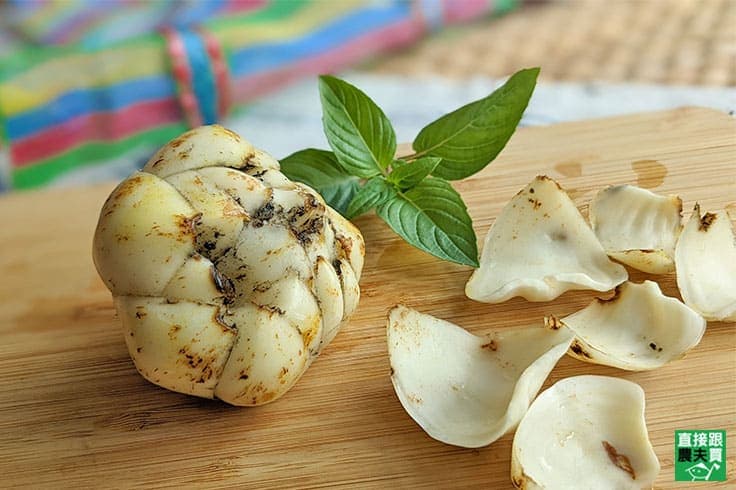
Immagina una tranquilla serata estiva, l'aria pesante di umidità e la mente in agitazione — una sensazione familiare a molti di noi. Nella Medicina Tradizionale Cinese (MTC), questi momenti di energia irrequieta, spesso accompagnati da una tosse secca o una gola arsa, indicano uno squilibrio particolare. È in questi momenti che un antico, semplice bulbo si fa avanti: Bai He.
Bai He (Bulbus Lilii), noto anche come Bulbo di Giglio, Bulbo di Lilium brownii o Lilium, è un'erba nutriente usata nella MTC principalmente per calmare lo spirito, idratare i polmoni ed eliminare il calore. Per secoli, questo delicato bulbo è stato apprezzato non solo per la sua bellezza in giardino, ma per le sue profonde proprietà terapeutiche, spesso lasciato sobbollire dolcemente in zuppe o decozioni ristoratrici.
Come afferma profondamente il testo classico 《金匮要略》 (Jīn Guì Yào Lüè), '百合病者,百脉一宗,悉致其病也,宜百合地黄汤' — descrivendo la 'malattia del giglio' come una condizione in cui tutti i canali convergono per causare malattia, per la quale è indicato Bai He Di Huang Tang. Questa antica saggezza sottolinea il profondo legame di Bai He con l'interconnessione del corpo, specialmente quando i sintomi emotivi e fisici si intrecciano. Questa erba offre un percorso naturale per calmare la mente, lenire i polmoni e ripristinare l'equilibrio emotivo nel nostro mondo moderno e frenetico.
Cosa rende Bai He speciale nella MTC
Dal punto di vista della MTC, Bai He occupa una posizione unica. La sua 'natura' è descritta come leggermente fredda, il che significa che raffredda delicatamente e riduce il calore in eccesso nel corpo senza essere eccessivamente rinfrescante. I suoi sapori sono dolce, leggermente amaro e insipido. Il sapore dolce ne indica le qualità nutrienti, che costruiscono sostanze vitali come lo Yin. La leggera amarezza contribuisce alla sua capacità di eliminare il calore e seccare l'umidità, mentre 'insipido' indica le sue azioni armonizzanti e leggermente diuretiche.
Queste qualità consentono a Bai He di influenzare principalmente i meridiani del Cuore e dei Polmoni. Pensa al meridiano del Cuore come al percorso energetico che governa la nostra mente, le emozioni e lo spirito (Shen). Quando il Cuore è agitato da calore in eccesso o da una carenza di Yin nutriente, potremmo avvertire sintomi come ansia, insonnia o pensieri inquieti. Bai He interviene per rinfrescare questo 'fuoco del cuore' e reintegrare lo Yin, portando una sensazione di calma.
Il meridiano dei Polmoni, d'altra parte, è responsabile della respirazione, del mantenimento dell'integrità della pelle e delle mucose, e della protezione dagli agenti patogeni esterni. Quando lo Yin dei Polmoni è deficiente, potremmo avvertire una tosse secca, una gola irritata, o anche la pelle secca. Le proprietà idratanti di Bai He offrono un lenitivo delicato, ripristinando l'idratazione e attenuando l'irritazione. I miei pazienti spesso lo descrivono come una 'rugiada rinfrescante' per il loro paesaggio interiore, specialmente durante le stagioni secche o i periodi di stress.
Ricordo, ad esempio, una paziente, una dirigente ad alte prestazioni, che venne da me con tosse secca persistente e 'pensieri frenetici' che la tenevano sveglia. I suoi esami occidentali erano negativi, ma il polso e la lingua MTC suggerivano un deficit di Yin di Polmoni e Cuore con del calore interno. L'integrazione di Bai He nella sua formula, insieme ad adattamenti dello stile di vita, l'ha aiutata a ritrovare un sonno riposante e a ridurre significativamente la tosse, illustrando come questa erba affronti sia le manifestazioni fisiche che quelle emotive dello squilibrio.
I principali benefici di Bai He
Per il sonno riposante e l'equilibrio emotivo
Molti di noi vivono notti in cui la mente semplicemente non si quieta, un fenomeno che la MTC attribuisce spesso al 'Fuoco del Cuore' o al deficit di Yin del Cuore. Bai He è eccezionalmente efficace nel rinfrescare questo calore interno e nel nutrire lo Yin del Cuore, calmando così lo spirito (Shen). Quando il Cuore è nutrito e calmo, la mente può davvero riposare.
Ricercatori dell'Università di Medicina Tradizionale Cinese di Shandong e di altre istituzioni, in una revisione sistematica del 2024 pubblicata su Heliyon, hanno esplorato l'uso tradizionale della decozione Baihe Zhimu (bulbo di Lilium lancifolium e rizoma di Anemarrhena asphodeloides) per la depressione, notando il suo utilizzo di lunga data per la 'malattia del giglio' ed esplorando i suoi meccanismi farmacologici. Questo si allinea con l'uso tradizionale di Bai He per sintomi come insonnia, irritabilità e disagio emotivo generale.
Vedo spesso pazienti come Sarah, una madre indaffarata, che soffriva di insonnia stagionale, in particolare nei mesi estivi quando il calore sembrava esacerbare la sua irrequietezza. Incorporando Bai He nella sua routine serale, ha notato un cambiamento percettibile verso un sonno più profondo e continuo. È importante distinguere, come spesso si sottolinea riguardo a Bai He, la sua efficacia per l'insonnia acuta (ad es.
, dovuta al calore estivo) rispetto all'insonnia cronica, che richiede una diagnosi MTC più completa e spesso una strategia erboristica più ampia. Per quel 'fuoco del cuore' acuto, tuttavia, Bai He può essere meravigliosamente efficace.
Per lenire la tosse secca e la salute dei polmoni
Il meridiano dei Polmoni, nella MTC, governa la respirazione e l'umidità del tratto respiratorio superiore. Quando lo Yin dei Polmoni è deficiente, spesso a causa di malattie prolungate, ambienti secchi o anche stress emotivo, può manifestarsi come una tosse persistente, secca e improduttiva, una gola irritata, o persino una voce rauca. Bai He eccelle nell'idratare i Polmoni e nell'eliminare il calore, agendo come un espettorante delicato e un agente lenitivo. Aiuta a reintegrare i fluidi vitali che mantengono idratate e sane le vie respiratorie.
Pur non essendo un trattamento diretto per le infezioni acute, è un ottimo supporto per la tosse secca e persistente che spesso segue un raffreddore o un'influenza, o per le condizioni croniche in cui la secchezza è un fattore. Pensalo come il ripristino della lubrificazione naturale del tuo sistema respiratorio, che consente una respirazione più fluida e meno irritata.
Per nutrire lo Yin dello Stomaco e l'armonia digestiva
Oltre ai suoi ben noti effetti su Cuore e Polmoni, Bai He nutre anche lo Yin dello Stomaco e aiuta ad armonizzare il Jiao Medio (il centro digestivo). Quando lo Yin dello Stomaco è deficiente, i sintomi possono includere bocca secca, una sensazione di fame con scarso desiderio di mangiare, o persino una sensazione di vuoto e bruciore allo stomaco.
Idratando lo Stomaco, Bai He può supportare una digestione sana e alleviare il disagio, in particolare per coloro con una costituzione più secca o che sperimentano disturbi digestivi dovuti al calore. Questa azione sottile aiuta a garantire che il corpo possa assimilare correttamente i nutrienti, contribuendo alla vitalità generale e prevenendo problemi a valle che possono derivare da uno squilibrio digestivo.
Cosa dice la scienza
La ricerca scientifica moderna, in particolare nell'ambito della medicina integrativa, sta progressivamente validando molte delle applicazioni tradizionali di Bai He. I ricercatori stanno diligentemente isolando i principali composti attivi che sono alla base dei suoi effetti terapeutici. 何丹 et al., in una pubblicazione del 2024 su 《中华中医药学刊》, hanno identificato che i principali componenti attivi di Bai He sono saponine steroidee, acidi fenolici e polisaccaridi. Hanno specificamente notato che le saponine steroidee possiedono attività antinfiammatorie e antitumorali. Questo ci dà uno sguardo sulla base molecolare dei benefici osservati.
Una revisione sistematica completa, attesa su Frontiers nel 2025, è pronta a validare ulteriormente le affermazioni tradizionali su Lilium spp. (che include Bai He) per diverse attività farmacologiche. Questa revisione mette in evidenza promettenti effetti antidepressivi e antitumorali, e il suo uso tradizionale per condizioni come depressione e diabete. Ciò risuona con il focus dell'NCCIH (National Center for Complementary and Integrative Health) sulla comprensione dei medicinali botanici tradizionali. Un'altra recente revisione, pubblicata su PMC nel 2024, discute Lilium brownii (Bai He) come nutraceutico.
Dettaglia meticolosamente i componenti attivi come saponine, polisaccaridi, flavonoidi e alcaloidi, e li correla con i suoi usi tradizionali per nutrire lo Yin, idratare i polmoni, dissipare il fuoco, calmare la mente e trattare sintomi come tosse cronica, affaticamento, insonnia e depressione.
Sebbene i grandi studi clinici sull'uomo specificamente su Bai He stiano ancora emergendo, questi risultati preclinici e le revisioni sistematiche forniscono solide basi scientifiche. Ad esempio, gli effetti simili agli antidepressivi osservati negli studi preclinici si allineano direttamente con la funzione MTC di 'calmare lo Spirito' e affrontare condizioni come la 'malattia del giglio'.
Questo ponte tra saggezza antica e ricerca contemporanea, sostenuto da istituzioni come l'Andrew Weil Center for Integrative Medicine dell'Università dell'Arizona, è dove risiede il vero potere della medicina integrativa, consentendoci di rispettare secoli di osservazione empirica mentre cerchiamo spiegazioni molecolari per la guarigione.
Come usare Bai He
Incorporare Bai He nella propria routine di benessere può essere un processo semplice e piacevole, che tu preferisca un tè medicinale o come parte del tuo repertorio culinario. Le forme più comuni sono le fette essiccate per decozioni, gli estratti in polvere o i bulbi freschi per la cucina.
Decozione tradizionale (tè)
Per un approccio terapeutico classico, raccomando tipicamente un dosaggio tra 9 e 30 grammi di Bai He essiccato. Far sobbollire i bulbi di giglio in 2-3 tazze d'acqua per 20-30 minuti, o finché non si ammorbidiscono. Puoi bere questa decozione 1-2 volte al giorno. Per condizioni specifiche come il supporto dell'umore, 王新苗 et al. (《长春中医药大学学报》, 2024) osservano che le dosi cliniche comuni per la depressione vanno da 10-30 g, in linea con le raccomandazioni generali.
Tintura
Se preferisci una forma più comoda, la tintura può essere una buona opzione. Il dosaggio tipico è 2-5 ml, 1-3 volte al giorno, o secondo le indicazioni del tuo professionista.
Terapia alimentare
Bai He brilla davvero in cucina. È incredibilmente versatile e spesso utilizzato nella terapia alimentare cinese. Puoi aggiungere bulbi di giglio freschi o essiccati a zuppe, congee, saltati in padella e persino dessert. Il suo sapore leggermente dolce e terroso si amalgama meravigliosamente. Ad esempio, un semplice dessert potrebbe prevedere di fare sobbollire i bulbi di giglio con zucchero candito e bacche di goji per uno spuntino serale calmante.
Quando si prepara Bai He per il sonno, alcune tradizioni suggeriscono che tempi di cottura più brevi potrebbero preservare certi composti volatili, mentre la bollitura prolungata estrae maggiori quantità di polisaccaridi per un nutrimento più profondo. Sebbene questo sia un argomento di discussione in corso, in generale cuocere fino a quando tenero è sufficiente per estrarne i benefici.
Qualità della fonte
Date le reali preoccupazioni sulla contaminazione da metalli pesanti nelle erbe provenienti da certe regioni, consiglio sempre ai pazienti di cercare fornitori affidabili che forniscano test di terze parti per la purezza. I marchi impegnati nella trasparenza riguardo ai loro processi di approvvigionamento e test sono la scelta migliore per garantire sicurezza ed efficacia del prodotto. Assicurati inoltre di acquistare Bulbus Lilii e non un bulbo di giglio decorativo, poiché non tutti i gigli sono sicuri per il consumo.
Sicurezza e chi dovrebbe evitare Bai He
Come con qualsiasi erba potente, è fondamentale comprendere il profilo di sicurezza di Bai He. Sebbene generalmente considerato sicuro per le condizioni appropriate, esistono chiare controindicazioni che devo sottolineare.
Controindicazioni:
Tosse da Vento-Freddo o Catarro: La natura leggermente fredda e le azioni idratanti di Bai He non sono adatte per le tosse derivanti da agenti patogeni da freddo esterno o catarro eccessivo. Potrebbe peggiorare queste condizioni.
Tosse in fase iniziale: Analogamente, per le tosse acute in fase iniziale, soprattutto quelle con una chiara causa esterna, Bai He non è la scelta giusta. Il suo ruolo è nel nutrire e idratare tosse croniche, secche o da deficit.
Diarrea da Deficit di Milza o Stomaco: Le proprietà idratanti e leggermente fredde di Bai He possono peggiorare la diarrea negli individui con un sistema digestivo indebolito (Deficit di Milza o Stomaco). Se si hanno feci molli o debolezza digestiva cronica, Bai He dovrebbe essere evitato.
Interazioni farmacologiche:
Questo è un aspetto critico. È stato dimostrato che Bai He prolunga il tempo di sonno prodotto da vari farmaci sedativi. Ciò include barbiturici, antistaminici, analgesici narcotici e benzodiazepine. Se stai assumendo uno qualsiasi di questi farmaci, o altri sedativi, è assolutamente essenziale consultare il medico o il farmacista prima di considerare Bai He, poiché potrebbe potenziarne gli effetti portando a sonnolenza eccessiva o altre complicazioni.
Gravidanza e allattamento:
Attualmente, le ricerche sono insufficienti per confermare definitivamente la sicurezza di Bai He durante la gravidanza o l'allattamento. Per massima cautela, sconsiglio vivamente il suo utilizzo durante questi periodi. È sempre meglio privilegiare la sicurezza per le madri in attesa o che allattano.
Discuti sempre qualsiasi integratore erboristico con il tuo medico, soprattutto se hai condizioni di salute preesistenti o stai assumendo farmaci da prescrizione.
Un pensiero finale
Bai He, il modesto bulbo di giglio, ci offre una profonda lezione sul benessere olistico. Ci ricorda che i nostri sintomi fisici, sia che si tratti di una tosse persistente o di una notte irrequieta, sono spesso profondamente intrecciati con il nostro stato emotivo e gli equilibri energetici sottostanti. Mentre abbracciamo la saggezza della MTC, radicata nella ricerca scientifica moderna, scopriamo che i rimedi tramandati di generazione in generazione hanno un valore immenso per navigare le complessità della vita contemporanea.
Questa delicata erba, nutriente e calmante, ci invita a fare una pausa, reidratarci e trovare la nostra quiete interiore — un gentile promemoria che l'equilibrio è sempre a portata di mano.
Riferimenti
- Una revisione sistematica sulla decozione Baihe Zhimu (bulbo di Lilium lancifolium e rizoma di Anemarrhena asphodeloides) (LBRAD) per la depressione, che ne nota l'uso tradizionale per la 'malattia del giglio' ed esplora i suoi meccanismi farmacologici. - Heliyon
- 《金匮要略》载:百合病者,百脉一宗,悉致其病也,宜百合地黄汤
- 《本草纲目》谓:百合主治邪气腹胀心痛,利大小便,补中益气