知母 · Zhi Mu
Rhizoma Anemarrhenae
Zhi Mu, an essential Traditional Chinese Medicine herb, is revered for its cooling properties and ability to nourish the body's vital fluids. Modern research is now exploring its potential from blood sugar support to emerging cosmetic applications.
6-12g Maximum dose: 30g Tincture: 2-4ml
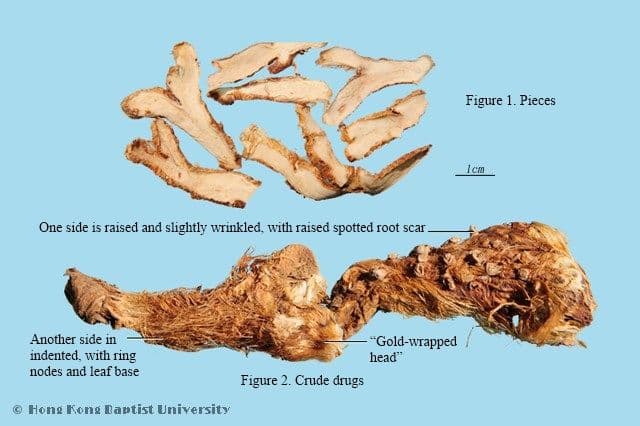
For a standard decoction, steep 6-12 grams of dried Zhi Mu rhizome slices in 3 cups of water. Bring to a boil, then reduce heat and simmer for 20-30 minutes. Strain and drink the liquid. For a stronger therapeutic effect, such as for persistent fever, a maximum dose of 30g may be used under professional guidance. The taste is bitter yet slightly sweet.
Finely ground Zhi Mu powder can be taken directly, typically 1-3 grams, 2-3 times daily, mixed with warm water. This method allows for easier absorption, but precise dosing is important. Always start with a lower dose to assess your body's response.
Zhi Mu tinctures offer a concentrated form. The typical dosage is 2-4 milliliters, 2-3 times daily, diluted in a small amount of water. Tinctures can be a convenient option for consistent dosing and are often found in combination with other herbs in proprietary formulas. Always follow the specific instructions on the product label or your practitioner's advice.
For a standard decoction, steep 6-12 grams of dried Zhi Mu rhizome slices in 3 cups of water. Bring to a boil, then reduce heat and simmer for 20-30 minutes. Strain and drink the liquid. For a stronger therapeutic effect, such as for persistent fever, a maximum dose of 30g may be used under professional guidance. The taste is bitter yet slightly sweet.
Finely ground Zhi Mu powder can be taken directly, typically 1-3 grams, 2-3 times daily, mixed with warm water. This method allows for easier absorption, but precise dosing is important. Always start with a lower dose to assess your body's response.
Zhi Mu tinctures offer a concentrated form. The typical dosage is 2-4 milliliters, 2-3 times daily, diluted in a small amount of water. Tinctures can be a convenient option for consistent dosing and are often found in combination with other herbs in proprietary formulas. Always follow the specific instructions on the product label or your practitioner's advice.
The clinical evidence for Zhi Mu is growing, with systematic reviews suggesting its inclusion in decoctions can be comparable or superior to Western drugs for conditions like rheumatoid arthritis. In vitro and animal studies have widely documented its anti-inflammatory, antimicrobial, antidiabetic, and even cosmetic benefits. While much of the research is still preclinical or focused on traditional formulas, the identified active compounds and mechanisms provide a strong scientific foundation for its traditional uses.
Moderate — Some clinical studies
The clinical evidence for Zhi Mu is growing, with systematic reviews suggesting its inclusion in decoctions can be comparable or superior to Western drugs for conditions like rheumatoid arthritis. In vitro and animal studies have widely documented its anti-inflammatory, antimicrobial, antidiabetic, and even cosmetic benefits. While much of the research is still preclinical or focused on traditional formulas, the identified active compounds and mechanisms provide a strong scientific foundation for its traditional uses.
Moderate — Some clinical studies
Insufficient Data
Insufficient Data
Imagine a summer's day when the air is thick with heat, and your body feels parched, almost as if your internal wellspring is drying up. Traditional Chinese Medicine (TCM) understands this sensation intimately, and for centuries, it has turned to a remarkable root that embodies coolness and moisture. This is the realm of Zhi Mu, a herb whose name, 'Know Mother Root,' hints at its profound wisdom and nurturing qualities.
As an integrative medicine physician, I've seen firsthand how this ancient root, Zhi Mu (Rhizoma Anemarrhenae), also known as Anemarrhena Rhizome, acts as a natural coolant in the body, used in TCM for clearing heat, nourishing yin, and moistening dryness. But what truly fascinates me is how modern science is now beginning to unpack the mechanisms behind these age-old observations, revealing its potential to address contemporary health concerns, even sparking a buzz in the beauty world.
My journey from Beijing University of Chinese Medicine to an integrative residency in the US has shown me that the language of health may differ between East and West, but the body's fundamental needs for balance and healing remain universal. Zhi Mu is a perfect example of an herb that speaks both languages.
In the intricate tapestry of TCM, every herb has a distinct personality, defined by its nature, flavors, and meridian affinities. Zhi Mu’s personality is one of profound cooling and moistening. It is described as cold in nature, with both bitter and sweet flavors. Think of it as a natural coolant and a gentle moisturizer for your body’s internal landscape.
Its meridian affinities are primarily with the Lung, Stomach, Kidney, and Du channels. This means Zhi Mu is thought to directly influence the functions of these organ systems. For instance, its connection to the Lungs helps address respiratory dryness and heat, while its affinity for the Stomach tackles digestive heat. Its deep dive into the Kidneys allows it to nourish yin, the fundamental cooling and moistening aspect of our body, often depleted with age or chronic stress.
This comprehensive action across vital systems is what makes it so versatile.
Ancient texts recognized these qualities. The revered Bencao Gangmu (Compendium of Materia Medica) states, '知母性寒,味苦,疗痰火咳嗽,润燥滑肠' – meaning Zhi Mu is cold and bitter, treats cough with phlegm-fire, moistens dryness, and eases bowel movements. Even earlier, the Shennong Bencao Jing (Divine Farmer’s Materia Medica) noted its ability to '主消渴热中,除邪气,肢体浮肿,下水,补不足,益气' – indicating its use for extreme thirst, internal heat, swelling, and to supplement vital energy. These historical insights provide a robust foundation for its modern applications.
Zhi Mu's traditional actions translate into several significant benefits that resonate with today's health challenges. My patients often come to me seeking solutions for persistent internal heat or dryness, and Zhi Mu frequently offers a gentle yet powerful answer.
One of Zhi Mu's primary actions in TCM is to 'Clear Heat and drain Fire,' particularly from the Qi Stage (a severe level of heat), the Lungs, and the Stomach. In Western terms, this often corresponds to addressing systemic inflammation or localized inflammatory responses. I remember a patient, Sarah, who suffered from persistent low-grade fever and a feeling of internal agitation, especially in the evenings. Her tongue was red, and her pulse rapid – classic signs of internal heat.
We incorporated Zhi Mu into her herbal formula, and within weeks, her fevers subsided, and she reported feeling significantly calmer and cooler. Research supports this anti-inflammatory potential; for instance, a systematic review and meta-analysis published in Evidence-Based Complementary and Alternative Medicine by Eun-Su Jang and colleagues in 2017 found that a decoction including Zhi Mu was effective for rheumatoid arthritis, a condition characterized by chronic inflammation. This highlights Zhi Mu’s ability to calm the body's internal 'fire.
Beyond clearing heat, Zhi Mu also 'Nourishes Yin and moistens Dryness' and 'Generates Fluids.' This is incredibly important for conditions like dry cough, dry mouth, chronic thirst, or even the uncomfortable hot flashes and night sweats often experienced during menopause. Yin represents the body's cooling, nourishing fluids and substances. When yin is deficient, heat can rise unchecked, leading to symptoms of 'Deficiency Fire.
' I often recommend Zhi Mu in formulas for women navigating perimenopause, whose bodies are undergoing significant hormonal shifts that can manifest as internal dryness and heat. The herb's ability to 'Ameliorate the Dryness of tonifying or warming herbs' also makes it a valuable companion to other herbs that might otherwise be too drying or stimulating.
One of Zhi Mu’s traditional uses for 'wasting and thirsting' disorders, often associated with excessive urination and thirst, aligns remarkably well with symptoms of diabetes. Modern research has indeed begun to explore Zhi Mu’s antidiabetic activities. While I never suggest herbs as a standalone treatment for serious conditions like diabetes, I’ve seen how integrative approaches can be supportive. For instance, a patient named Mr.
Li, who was managing his blood sugar with lifestyle changes, found that a formula containing Zhi Mu helped reduce his persistent thirst and dry mouth, which were secondary discomforts. This is an area where the bridge between TCM and Western functional medicine is particularly strong, as researchers continue to identify the compounds responsible for these effects.
Perhaps one of the most intriguing and trending applications of Zhi Mu today lies in the cosmetic realm. Online discussions frequently highlight its potential for topical fat tissue growth, often in relation to breast enhancement, and as an ingredient in DIY skincare. While these uses are not traditional internal applications, the science is starting to catch up.
A Korean study published in Cosmetics journal by Hye-Jin Kim and colleagues in 2023 investigated Anemarrhena asphodeloides root extract (AARE) and its active compound nyasol. Their in-vitro findings showed significant skin-whitening effects by reducing melanin production, and anti-wrinkling effects by inhibiting MMP-1 expression. This suggests a scientific basis for its potential in brightening skin tone and improving skin elasticity, moving beyond anecdotal claims to evidence-based possibilities.
However, it's essential to distinguish between traditional internal medicinal uses and these modern, topical cosmetic explorations, which often require careful formulation and understanding of safety.
The scientific community, particularly researchers in integrative medicine, has shown increasing interest in Zhi Mu. While TCM has relied on empirical observation for millennia, modern science seeks to understand the 'how' behind the 'what.' This involves identifying active compounds and elucidating their pharmacological actions.
A comprehensive review by Congying Liu and colleagues in the Journal of Ethnopharmacology in 2023 identified an impressive 269 compounds within Zhi Mu. Key components include steroid saponins, flavonoids, and phenylpropanoids. Among these, timosaponin BII and mangiferin are often highlighted as crucial quality control markers, suggesting their importance in the herb's therapeutic effects. This rich biochemical profile explains the broad spectrum of activities observed in studies.
As mentioned, the 2017 meta-analysis by Eun-Su Jang et al. found that GuiZhi-ShaoYao-ZhiMu decoction, a formula containing Zhi Mu, demonstrated comparable or superior effectiveness and safety to Western drugs in treating rheumatoid arthritis. This is a significant finding, as meta-analyses of randomized clinical trials provide a higher level of evidence. Beyond inflammatory conditions, platforms like Drugs.
com, citing various studies including Chen (2010) and Zhang (2007), note Zhi Mu's anti-inflammatory, antimicrobial, antiplatelet, antidiabetic, and anticancer activities in various in vitro and animal models. Clinically, it has also been documented for chronic fatigue syndrome and corneal opacity, though more robust clinical trials are needed for these specific applications.
Even cutting-edge research, such as a 2025 study by Li Jianghong and team in the Journal of Nanjing University of Chinese Medicine, explores how formulas containing Zhi Mu might improve cardial and cerebral inflammatory responses in models of post-myocardial infarction depression by modulating TNF signaling pathways. This showcases the depth and breadth of its potential, extending far beyond initial expectations.
Incorporating Zhi Mu into your health regimen requires understanding its traditional preparation methods and appropriate dosages. As with any herb, consistency and attention to your body's response are key.
The most common way to prepare Zhi Mu is as a decoction. For a standard therapeutic tea, steep 6-12 grams of dried Zhi Mu rhizome slices in approximately 3 cups of water. Bring the mixture to a boil, then reduce the heat and simmer for 20-30 minutes. Strain out the herb material and drink the liquid. This allows for optimal extraction of its active compounds.
For more acute conditions, such as high fever, a maximum dose of 30 grams might be used, but this should only be done under the direct supervision of a qualified practitioner.
Finely ground Zhi Mu powder offers another way to consume the herb. Typically, 1-3 grams can be taken 2-3 times daily, mixed into warm water. This form allows for easier absorption and can be convenient for those who prefer not to prepare decoctions. Always measure carefully to ensure correct dosing.
For those seeking convenience, Zhi Mu is also available in tincture or capsule forms. A typical tincture dosage is 2-4 milliliters, 2-3 times daily, diluted in a small amount of water. Capsules will have specific dosage recommendations from the manufacturer, which should be followed precisely. These preparations are often part of broader herbal formulas designed by practitioners to create a balanced therapeutic effect.
It's important to remember that Zhi Mu is often used in formulas rather than as a single herb. Its action is amplified and balanced when combined with other herbs, such as in the classic Bai Hu Tang (White Tiger Decoction) for intense heat, or Zhi Bai Di Huang Wan for kidney yin deficiency. A skilled TCM practitioner can best determine the appropriate dosage and combination for your specific needs.
While Zhi Mu offers significant benefits, its potent cooling nature and specific actions mean it is not suitable for everyone. It is absolutely critical to be aware of its contraindications and potential drug interactions. My priority is always patient safety, and I urge you to take these warnings seriously.
Zhi Mu is strictly contraindicated in individuals experiencing:
Diarrhea: Its cooling and moistening properties can worsen loose stools.
Cold from Spleen Deficiency: Symptoms include poor digestion, cold limbs, fatigue, and aversion to cold. Zhi Mu would further aggravate this condition.
Weak Spleen or Inability to Digest Food: The cold nature can further compromise digestive function.
Stomach Deficiency with no desire to eat: Zhi Mu's coldness can suppress appetite further.
Kidney Yang Deficiency: Marked by coldness, weakness, and fatigue, it is the opposite of the heat conditions Zhi Mu treats.
Impotence coupled with quick arousal and quick ejaculation: This specific pattern suggests a delicate balance that Zhi Mu’s cooling action could disrupt.
Use Zhi Mu with extreme caution in conjunction with insulin, sulfonylureas, and other antidiabetic drugs such as tolbutamide (Orinase), glipizide (Glucotrol), and glyburide (DiaBeta/Micronase). There may be a synergistic effect leading to hypoglycemia (dangerously low blood sugar). If you are managing diabetes, it is absolutely essential to consult your physician or an integrative medicine specialist before considering Zhi Mu.
As with many potent herbs, Zhi Mu is not recommended during pregnancy or breastfeeding due to insufficient safety data. The potential effects on fetal development or milk transfer are not well-established, and it is always best to err on the side of caution during these sensitive periods. Your health, and that of your baby, is paramount.
The journey of Zhi Mu from an ancient remedy for internal heat to a subject of modern scientific inquiry, and even a component in contemporary beauty discussions, beautifully illustrates the enduring relevance of traditional medicine. It reminds us that our bodies are complex ecosystems, and sometimes the most profound healing comes from restoring simple balance – cooling what is overheated, moistening what is dry.
As we continue to explore the intricate relationships between plants and human health, Zhi Mu stands as a testament to the wisdom passed down through generations, urging us to 'know our roots' even as we reach for new understanding. The dialogue between ancient practice and modern evidence is not just academic; it’s a living conversation happening within our own bodies, guiding us towards holistic well-being.
Imagine a summer's day when the air is thick with heat, and your body feels parched, almost as if your internal wellspring is drying up. Traditional Chinese Medicine (TCM) understands this sensation intimately, and for centuries, it has turned to a remarkable root that embodies coolness and moisture. This is the realm of Zhi Mu, a herb whose name, 'Know Mother Root,' hints at its profound wisdom and nurturing qualities.
As an integrative medicine physician, I've seen firsthand how this ancient root, Zhi Mu (Rhizoma Anemarrhenae), also known as Anemarrhena Rhizome, acts as a natural coolant in the body, used in TCM for clearing heat, nourishing yin, and moistening dryness. But what truly fascinates me is how modern science is now beginning to unpack the mechanisms behind these age-old observations, revealing its potential to address contemporary health concerns, even sparking a buzz in the beauty world.
My journey from Beijing University of Chinese Medicine to an integrative residency in the US has shown me that the language of health may differ between East and West, but the body's fundamental needs for balance and healing remain universal. Zhi Mu is a perfect example of an herb that speaks both languages.
In the intricate tapestry of TCM, every herb has a distinct personality, defined by its nature, flavors, and meridian affinities. Zhi Mu’s personality is one of profound cooling and moistening. It is described as cold in nature, with both bitter and sweet flavors. Think of it as a natural coolant and a gentle moisturizer for your body’s internal landscape.
Its meridian affinities are primarily with the Lung, Stomach, Kidney, and Du channels. This means Zhi Mu is thought to directly influence the functions of these organ systems. For instance, its connection to the Lungs helps address respiratory dryness and heat, while its affinity for the Stomach tackles digestive heat. Its deep dive into the Kidneys allows it to nourish yin, the fundamental cooling and moistening aspect of our body, often depleted with age or chronic stress.
This comprehensive action across vital systems is what makes it so versatile.
Ancient texts recognized these qualities. The revered Bencao Gangmu (Compendium of Materia Medica) states, '知母性寒,味苦,疗痰火咳嗽,润燥滑肠' – meaning Zhi Mu is cold and bitter, treats cough with phlegm-fire, moistens dryness, and eases bowel movements. Even earlier, the Shennong Bencao Jing (Divine Farmer’s Materia Medica) noted its ability to '主消渴热中,除邪气,肢体浮肿,下水,补不足,益气' – indicating its use for extreme thirst, internal heat, swelling, and to supplement vital energy. These historical insights provide a robust foundation for its modern applications.
Zhi Mu's traditional actions translate into several significant benefits that resonate with today's health challenges. My patients often come to me seeking solutions for persistent internal heat or dryness, and Zhi Mu frequently offers a gentle yet powerful answer.
One of Zhi Mu's primary actions in TCM is to 'Clear Heat and drain Fire,' particularly from the Qi Stage (a severe level of heat), the Lungs, and the Stomach. In Western terms, this often corresponds to addressing systemic inflammation or localized inflammatory responses. I remember a patient, Sarah, who suffered from persistent low-grade fever and a feeling of internal agitation, especially in the evenings. Her tongue was red, and her pulse rapid – classic signs of internal heat.
We incorporated Zhi Mu into her herbal formula, and within weeks, her fevers subsided, and she reported feeling significantly calmer and cooler. Research supports this anti-inflammatory potential; for instance, a systematic review and meta-analysis published in Evidence-Based Complementary and Alternative Medicine by Eun-Su Jang and colleagues in 2017 found that a decoction including Zhi Mu was effective for rheumatoid arthritis, a condition characterized by chronic inflammation. This highlights Zhi Mu’s ability to calm the body's internal 'fire.
Beyond clearing heat, Zhi Mu also 'Nourishes Yin and moistens Dryness' and 'Generates Fluids.' This is incredibly important for conditions like dry cough, dry mouth, chronic thirst, or even the uncomfortable hot flashes and night sweats often experienced during menopause. Yin represents the body's cooling, nourishing fluids and substances. When yin is deficient, heat can rise unchecked, leading to symptoms of 'Deficiency Fire.
' I often recommend Zhi Mu in formulas for women navigating perimenopause, whose bodies are undergoing significant hormonal shifts that can manifest as internal dryness and heat. The herb's ability to 'Ameliorate the Dryness of tonifying or warming herbs' also makes it a valuable companion to other herbs that might otherwise be too drying or stimulating.
One of Zhi Mu’s traditional uses for 'wasting and thirsting' disorders, often associated with excessive urination and thirst, aligns remarkably well with symptoms of diabetes. Modern research has indeed begun to explore Zhi Mu’s antidiabetic activities. While I never suggest herbs as a standalone treatment for serious conditions like diabetes, I’ve seen how integrative approaches can be supportive. For instance, a patient named Mr.
Li, who was managing his blood sugar with lifestyle changes, found that a formula containing Zhi Mu helped reduce his persistent thirst and dry mouth, which were secondary discomforts. This is an area where the bridge between TCM and Western functional medicine is particularly strong, as researchers continue to identify the compounds responsible for these effects.
Perhaps one of the most intriguing and trending applications of Zhi Mu today lies in the cosmetic realm. Online discussions frequently highlight its potential for topical fat tissue growth, often in relation to breast enhancement, and as an ingredient in DIY skincare. While these uses are not traditional internal applications, the science is starting to catch up.
A Korean study published in Cosmetics journal by Hye-Jin Kim and colleagues in 2023 investigated Anemarrhena asphodeloides root extract (AARE) and its active compound nyasol. Their in-vitro findings showed significant skin-whitening effects by reducing melanin production, and anti-wrinkling effects by inhibiting MMP-1 expression. This suggests a scientific basis for its potential in brightening skin tone and improving skin elasticity, moving beyond anecdotal claims to evidence-based possibilities.
However, it's essential to distinguish between traditional internal medicinal uses and these modern, topical cosmetic explorations, which often require careful formulation and understanding of safety.
The scientific community, particularly researchers in integrative medicine, has shown increasing interest in Zhi Mu. While TCM has relied on empirical observation for millennia, modern science seeks to understand the 'how' behind the 'what.' This involves identifying active compounds and elucidating their pharmacological actions.
A comprehensive review by Congying Liu and colleagues in the Journal of Ethnopharmacology in 2023 identified an impressive 269 compounds within Zhi Mu. Key components include steroid saponins, flavonoids, and phenylpropanoids. Among these, timosaponin BII and mangiferin are often highlighted as crucial quality control markers, suggesting their importance in the herb's therapeutic effects. This rich biochemical profile explains the broad spectrum of activities observed in studies.
As mentioned, the 2017 meta-analysis by Eun-Su Jang et al. found that GuiZhi-ShaoYao-ZhiMu decoction, a formula containing Zhi Mu, demonstrated comparable or superior effectiveness and safety to Western drugs in treating rheumatoid arthritis. This is a significant finding, as meta-analyses of randomized clinical trials provide a higher level of evidence. Beyond inflammatory conditions, platforms like Drugs.
com, citing various studies including Chen (2010) and Zhang (2007), note Zhi Mu's anti-inflammatory, antimicrobial, antiplatelet, antidiabetic, and anticancer activities in various in vitro and animal models. Clinically, it has also been documented for chronic fatigue syndrome and corneal opacity, though more robust clinical trials are needed for these specific applications.
Even cutting-edge research, such as a 2025 study by Li Jianghong and team in the Journal of Nanjing University of Chinese Medicine, explores how formulas containing Zhi Mu might improve cardial and cerebral inflammatory responses in models of post-myocardial infarction depression by modulating TNF signaling pathways. This showcases the depth and breadth of its potential, extending far beyond initial expectations.
Incorporating Zhi Mu into your health regimen requires understanding its traditional preparation methods and appropriate dosages. As with any herb, consistency and attention to your body's response are key.
The most common way to prepare Zhi Mu is as a decoction. For a standard therapeutic tea, steep 6-12 grams of dried Zhi Mu rhizome slices in approximately 3 cups of water. Bring the mixture to a boil, then reduce the heat and simmer for 20-30 minutes. Strain out the herb material and drink the liquid. This allows for optimal extraction of its active compounds.
For more acute conditions, such as high fever, a maximum dose of 30 grams might be used, but this should only be done under the direct supervision of a qualified practitioner.
Finely ground Zhi Mu powder offers another way to consume the herb. Typically, 1-3 grams can be taken 2-3 times daily, mixed into warm water. This form allows for easier absorption and can be convenient for those who prefer not to prepare decoctions. Always measure carefully to ensure correct dosing.
For those seeking convenience, Zhi Mu is also available in tincture or capsule forms. A typical tincture dosage is 2-4 milliliters, 2-3 times daily, diluted in a small amount of water. Capsules will have specific dosage recommendations from the manufacturer, which should be followed precisely. These preparations are often part of broader herbal formulas designed by practitioners to create a balanced therapeutic effect.
It's important to remember that Zhi Mu is often used in formulas rather than as a single herb. Its action is amplified and balanced when combined with other herbs, such as in the classic Bai Hu Tang (White Tiger Decoction) for intense heat, or Zhi Bai Di Huang Wan for kidney yin deficiency. A skilled TCM practitioner can best determine the appropriate dosage and combination for your specific needs.
While Zhi Mu offers significant benefits, its potent cooling nature and specific actions mean it is not suitable for everyone. It is absolutely critical to be aware of its contraindications and potential drug interactions. My priority is always patient safety, and I urge you to take these warnings seriously.
Zhi Mu is strictly contraindicated in individuals experiencing:
Diarrhea: Its cooling and moistening properties can worsen loose stools.
Cold from Spleen Deficiency: Symptoms include poor digestion, cold limbs, fatigue, and aversion to cold. Zhi Mu would further aggravate this condition.
Weak Spleen or Inability to Digest Food: The cold nature can further compromise digestive function.
Stomach Deficiency with no desire to eat: Zhi Mu's coldness can suppress appetite further.
Kidney Yang Deficiency: Marked by coldness, weakness, and fatigue, it is the opposite of the heat conditions Zhi Mu treats.
Impotence coupled with quick arousal and quick ejaculation: This specific pattern suggests a delicate balance that Zhi Mu’s cooling action could disrupt.
Use Zhi Mu with extreme caution in conjunction with insulin, sulfonylureas, and other antidiabetic drugs such as tolbutamide (Orinase), glipizide (Glucotrol), and glyburide (DiaBeta/Micronase). There may be a synergistic effect leading to hypoglycemia (dangerously low blood sugar). If you are managing diabetes, it is absolutely essential to consult your physician or an integrative medicine specialist before considering Zhi Mu.
As with many potent herbs, Zhi Mu is not recommended during pregnancy or breastfeeding due to insufficient safety data. The potential effects on fetal development or milk transfer are not well-established, and it is always best to err on the side of caution during these sensitive periods. Your health, and that of your baby, is paramount.
The journey of Zhi Mu from an ancient remedy for internal heat to a subject of modern scientific inquiry, and even a component in contemporary beauty discussions, beautifully illustrates the enduring relevance of traditional medicine. It reminds us that our bodies are complex ecosystems, and sometimes the most profound healing comes from restoring simple balance – cooling what is overheated, moistening what is dry.
As we continue to explore the intricate relationships between plants and human health, Zhi Mu stands as a testament to the wisdom passed down through generations, urging us to 'know our roots' even as we reach for new understanding. The dialogue between ancient practice and modern evidence is not just academic; it’s a living conversation happening within our own bodies, guiding us towards holistic well-being.
This information is for educational purposes only and is not intended as medical advice. Always consult a qualified healthcare practitioner before using any herbal remedy.