淫羊藿 · Yin Yang Huo
Herba Epimedii
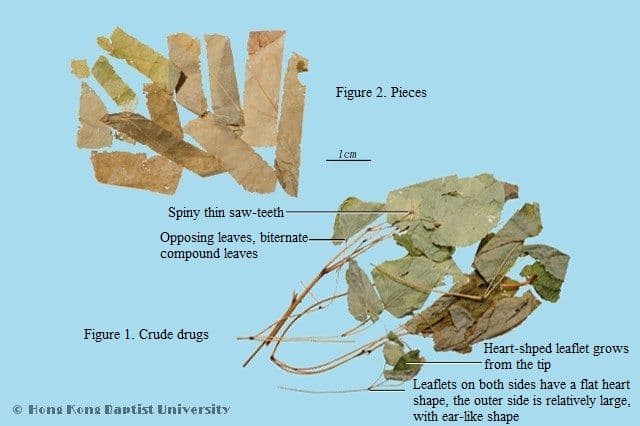
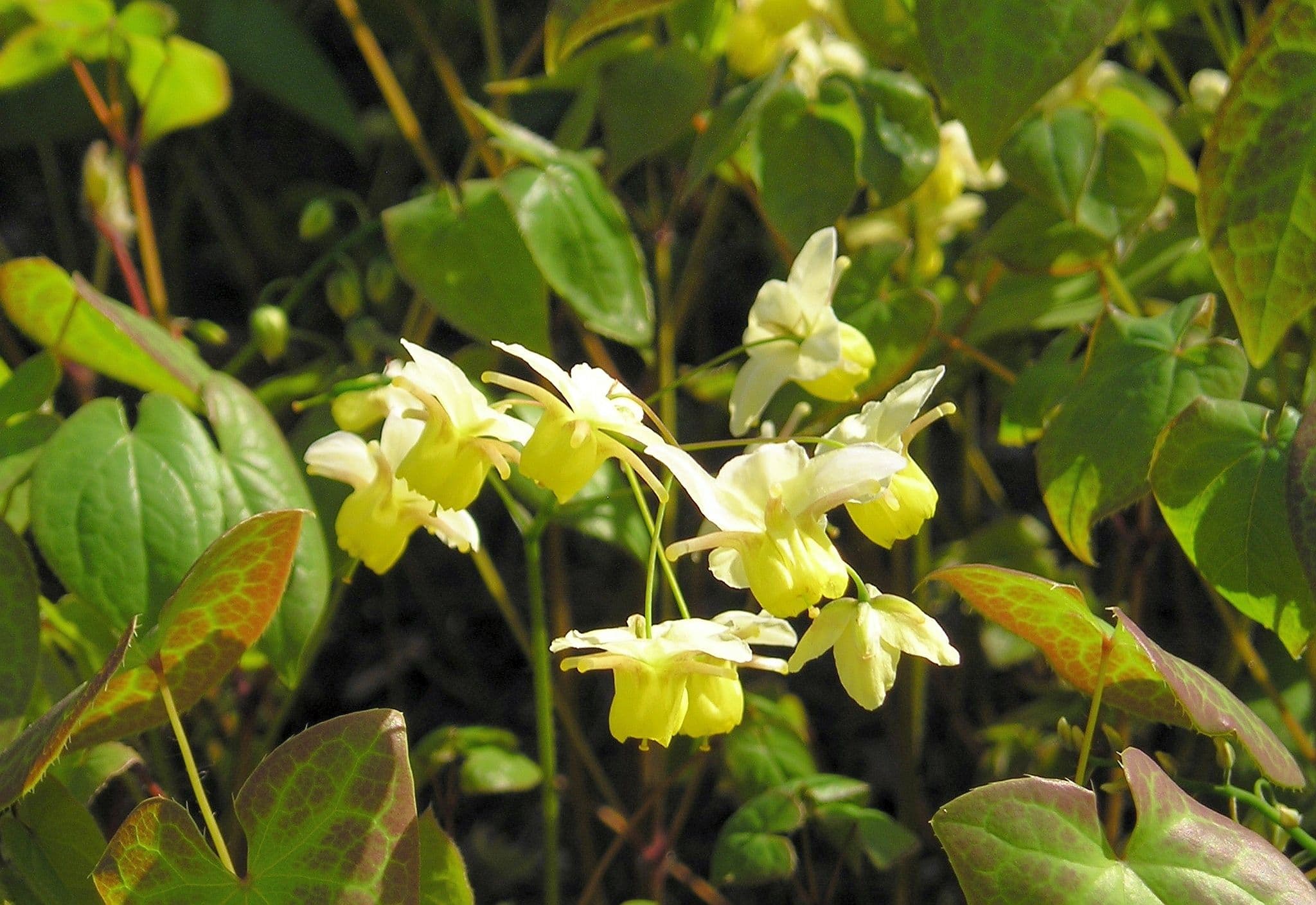
Beyond its sensational name, Yin Yang Huo (Epimedium) is a foundational herb in Traditional Chinese Medicine, revered for supporting vitality, bone health, and sexual wellness.
3-15g Tincture: 2-4ml
For a traditional decoction, use 3-15g of dried Epimedium leaf. Combine with water (approximately 2 cups) in a non-metallic pot, bring to a boil, then simmer gently for 15-20 minutes. Strain and drink the liquid. This can be done once or twice daily.
If using powdered Epimedium or encapsulated extracts, follow the manufacturer's recommended dosage, which is typically standardized to icariin content. A common dosage range for extracts might be 250-1000mg per day, but this varies widely by product concentration. Always check the label.
For a liquid tincture, the general dosage is 2-4 ml, taken 1-3 times daily. Tinctures offer a convenient way to consume the herb, but ensure you purchase from a reputable source that provides clear dosing instructions.
For a traditional decoction, use 3-15g of dried Epimedium leaf. Combine with water (approximately 2 cups) in a non-metallic pot, bring to a boil, then simmer gently for 15-20 minutes. Strain and drink the liquid. This can be done once or twice daily.
If using powdered Epimedium or encapsulated extracts, follow the manufacturer's recommended dosage, which is typically standardized to icariin content. A common dosage range for extracts might be 250-1000mg per day, but this varies widely by product concentration. Always check the label.
For a liquid tincture, the general dosage is 2-4 ml, taken 1-3 times daily. Tinctures offer a convenient way to consume the herb, but ensure you purchase from a reputable source that provides clear dosing instructions.
The scientific community is increasingly investigating Epimedium, with research supporting its traditional uses. Studies have shown promising results for improving bone mineral density, enhancing sexual function through specific biochemical pathways, and demonstrating potential anti-aging effects via its flavonoid compounds like icariin. While some areas still require higher-certainty evidence, the existing data provides a strong foundation for its efficacy in several key health areas.
Preliminary — In vitro / animal studies
The scientific community is increasingly investigating Epimedium, with research supporting its traditional uses. Studies have shown promising results for improving bone mineral density, enhancing sexual function through specific biochemical pathways, and demonstrating potential anti-aging effects via its flavonoid compounds like icariin. While some areas still require higher-certainty evidence, the existing data provides a strong foundation for its efficacy in several key health areas.
Preliminary — In vitro / animal studies
Insufficient Data
Insufficient Data
The name alone, 'Horny Goat Weed,' conjures images of ancient folklore and perhaps a touch of modern sensationalism. It's a moniker that certainly captures attention, but it rarely does justice to the profound history and therapeutic depth of the plant it describes. Beneath this playful alias lies Yin Yang Huo (Herba Epimedii), a venerable herb deeply rooted in Traditional Chinese Medicine (TCM) for millennia.
This potent plant, also known as Epimedium or Horny Goat Weed Leaf, is a warming, acrid, and sweet herb primarily used in TCM for tonifying the Kidneys, strengthening Yang, increasing libido, and dispelling Wind-Cold-Dampness.
My journey from Beijing University of Chinese Medicine to an integrative medicine residency in the US has shown me how ancient wisdom often echoes modern scientific discoveries. Yin Yang Huo is a perfect example of this synergy, bridging its folkloric reputation with increasing scientific validation for its wide-ranging benefits.
In the intricate philosophy of Traditional Chinese Medicine, Yin Yang Huo holds a unique and revered place, primarily influencing the Kidney and Liver meridians. When we speak of the Kidneys in TCM, we're not just referring to the anatomical organs, but to a fundamental energy system—the root of our vitality, our deepest reserves of essence (Jing), and the foundation of our reproductive and bone health.
The Liver meridian, in turn, governs the smooth flow of Qi and blood throughout the body, impacting everything from emotional well-being to the health of our tendons and ligaments.
Yin Yang Huo's 'warm' nature acts like a gentle internal furnace, kindling the body's vital warmth, particularly the Kidney Yang. This concept, Kidney Yang, is crucial; it’s the invigorating, active energy that drives metabolism, warms the body, and supports reproductive function. Its 'acrid' flavor helps to disperse stagnation and invigorate circulation, while its 'sweetness' offers a nourishing and harmonizing quality.
This combination makes it a powerful ally for conditions stemming from a deficiency of Kidney Yang or the invasion of external 'Wind-Cold-Dampness'—a TCM pattern often associated with joint pain and stiffness.
The classical text, Shennong Ben Cao Jing (The Divine Farmer's Materia Medica), one of the earliest Chinese pharmacopoeias, lists Yin Yang Huo as a 'middle-grade' herb, noting it 'governs impotence, seminal emissions, pain in the penis, benefits urination, boosts energy, and strengthens willpower.' This ancient insight directly maps onto many of its celebrated benefits today.
Let's be frank: the 'Horny Goat Weed' name isn't entirely without reason. For centuries, Yin Yang Huo has been esteemed in TCM for its profound impact on sexual health, particularly for increasing libido and addressing conditions we might refer to as 'Kidney Yang deficiency' in men and women. This manifests as low sex drive, mild erectile dysfunction, or a general lack of sexual energy.
Modern research is exploring the mechanisms behind this traditional use, often focusing on its active compound, icariin, and its ability to influence pathways crucial for sexual function.
Beyond its well-known reputation for sexual health, Yin Yang Huo is a cornerstone herb for supporting the structural integrity of the body. In TCM, the Kidneys 'govern the bones and produce marrow.' When Kidney energy is deficient, bones can become brittle or weak. This herb's ability to 'strengthen sinews and bones' is directly linked to this principle, and it's a benefit that has garnered significant attention from contemporary scientific studies, particularly concerning osteoporosis.
The 'dispelling Wind-Cold-Dampness' action of Yin Yang Huo targets discomfort and stiffness in the joints and muscles, particularly conditions that worsen with cold or damp weather. Think of it as clearing out stagnant, heavy energy that can impede smooth movement and cause aches. I've seen patients, like a gentleman named Arthur, who used to dread damp weather because of his knee pain.
After incorporating Yin Yang Huo into his regimen, under careful guidance from his practitioner, he reported a noticeable improvement in comfort and mobility, allowing him to enjoy walks again.
While we all seek ways to maintain our youthful vigor, TCM has long focused on preserving 'Jing' or essence to slow the aging process. Yin Yang Huo, with its Kidney-tonifying actions, naturally supports this goal. Modern science is beginning to echo this traditional understanding, investigating how the herb's compounds might protect cells and maintain function as we age.
Modern scientific inquiry has begun to unravel the complex mechanisms behind Yin Yang Huo's traditional uses, often focusing on its key active compound, icariin. A comprehensive review by the Natural Standard Research Collaboration in 2016 consolidated safety and efficacy data for Epimedium species. While they noted a lack of high-certainty evidence for all specific health conditions, clinical findings did highlight increased serum estradiol in post-menopausal women and improved sexual function in some clinical research.
This aligns with its traditional use for vitality and hormonal balance (Natural Standard Research Collaboration, 2016).
For those concerned with bone health, a meta-analysis referenced by ConnectSci in 2025, pooling data from 10 trials, indicated a significant improvement in bone mineral density (BMD) in the Epimedium group, particularly with longer treatment durations when combined with conventional pharmacotherapy. The effect size was notable, with a Standardized Mean Difference (SMD) of 0.83 for BMD improvement. This offers compelling preliminary support for its role in conditions like osteoporosis.
The herb's benefits for erectile dysfunction are also gaining scientific traction. Research by 裴莉昕 et al. in 《中国实验方剂学杂志》 (2025) demonstrated that flavonoids from Epimedium, specifically icariin, improve erectile function by regulating the NO-cGMP pathway. Their experiments showed Epimedium extract could increase corpus cavernosum smooth muscle relaxation by 40%.
Further, a network pharmacology analysis by Xudong Yang (2024) identified 12 key signaling pathways and 58 targets involved in Epimedium's treatment of ED, with core targets like TNF, AKT1, and EGFR showing over 80% enrichment. These findings provide a molecular explanation for its historical reputation (Xudong Yang, PubMed, 2024).
Beyond specific conditions, a literature review in 2026 suggested Epimedium's potential slow aging effects, likely mediated by flavonoids like icariin, through mechanisms involving gene regulation, antioxidant activity, metabolism, immune system modulation, and sex hormone regulation. Crucially, this review also noted no severe adverse reactions reported, pointing to a generally favorable safety profile when used appropriately.
Incorporating Yin Yang Huo into your wellness routine requires thoughtful consideration of its form and dosage. As an integrative physician, I always advocate for starting with lower doses and observing your body's response, ideally under the guidance of a qualified practitioner. Remember, the goal is balance and support, not overstimulation.
For the dried herb, typically 3-15g can be simmered in water to create a decoction. This is the most traditional method. For example, you might steep 5-10g of dried Epimedium leaf in 2 cups of hot water for 15-20 minutes, then strain and drink the liquid. This can be taken once or twice daily, often before meals.
Liquid tinctures offer a convenient alternative. A common dosage range is 2-4ml, taken 1-3 times per day. If you choose a concentrated extract in capsule or powder form, always defer to the specific instructions provided by the manufacturer, as icariin content can vary significantly. These forms are designed for ease of use and standardized dosing.
Yin Yang Huo is frequently used as part of larger herbal formulas in TCM, where its actions are balanced and enhanced by other herbs. This synergistic approach often yields more comprehensive and gentler results than using a single herb in isolation.
As with any potent herb, understanding who should not use Yin Yang Huo is as crucial as knowing its benefits. My clinical experience has shown me that respecting these contraindications is paramount for patient safety. This is not an herb for everyone, and careful consideration is necessary.
Yin Yang Huo is contraindicated for individuals experiencing Yin Deficiency with Heat signs. These signs might include night sweats, hot flashes, a dry mouth, flushed cheeks, or a rapid pulse. Because Yin Yang Huo is warming, it can exacerbate these symptoms, leading to further internal heat and discomfort. It is also contraindicated for Yin Deficiency with spermatorrhea (involuntary seminal emissions) or persistent erections, as its Yang-tonifying action could worsen these conditions.
Similarly, if you exhibit signs of Dryness, such as dry skin, dry cough, or constipation, this warming herb can intensify these symptoms.
A critical point: do not take Yin Yang Huo over long periods without professional guidance. Prolonged use can damage Yin, leading to unpleasant side effects like dizziness, vomiting, dry mouth, thirst, and even nosebleeds (epistaxis). This is a clear example of how even beneficial herbs can create imbalance if not used judiciously.
Potential drug interactions are another serious consideration. Based on clinical observations and pharmacological studies, Epimedium may interact with medications for heart disease, high blood pressure, and those that affect blood clotting. If you are on prescription medications, especially blood thinners like warfarin, or drugs for cardiovascular conditions, you must consult your physician or an integrative medicine specialist before considering Yin Yang Huo.
For pregnant or breastfeeding women, I always advise extreme caution and typically recommend avoiding Yin Yang Huo entirely. There is insufficient robust research to confirm its safety during these sensitive periods.
Yin Yang Huo, or Epimedium, is far more than its sensational nickname suggests. It stands as a testament to the enduring wisdom of Traditional Chinese Medicine, offering profound support for vitality, bone health, and sexual wellness when used discerningly. As we continue to bridge ancient practices with modern scientific understanding, herbs like Yin Yang Huo illuminate a path toward a more holistic approach to health.
Understanding its nature, its benefits, and its crucial contraindications empowers us to approach our well-being with both respect for tradition and a grounding in evidence. It’s about cultivating balance, not just chasing a quick fix.
The name alone, 'Horny Goat Weed,' conjures images of ancient folklore and perhaps a touch of modern sensationalism. It's a moniker that certainly captures attention, but it rarely does justice to the profound history and therapeutic depth of the plant it describes. Beneath this playful alias lies Yin Yang Huo (Herba Epimedii), a venerable herb deeply rooted in Traditional Chinese Medicine (TCM) for millennia.
This potent plant, also known as Epimedium or Horny Goat Weed Leaf, is a warming, acrid, and sweet herb primarily used in TCM for tonifying the Kidneys, strengthening Yang, increasing libido, and dispelling Wind-Cold-Dampness.
My journey from Beijing University of Chinese Medicine to an integrative medicine residency in the US has shown me how ancient wisdom often echoes modern scientific discoveries. Yin Yang Huo is a perfect example of this synergy, bridging its folkloric reputation with increasing scientific validation for its wide-ranging benefits.
In the intricate philosophy of Traditional Chinese Medicine, Yin Yang Huo holds a unique and revered place, primarily influencing the Kidney and Liver meridians. When we speak of the Kidneys in TCM, we're not just referring to the anatomical organs, but to a fundamental energy system—the root of our vitality, our deepest reserves of essence (Jing), and the foundation of our reproductive and bone health.
The Liver meridian, in turn, governs the smooth flow of Qi and blood throughout the body, impacting everything from emotional well-being to the health of our tendons and ligaments.
Yin Yang Huo's 'warm' nature acts like a gentle internal furnace, kindling the body's vital warmth, particularly the Kidney Yang. This concept, Kidney Yang, is crucial; it’s the invigorating, active energy that drives metabolism, warms the body, and supports reproductive function. Its 'acrid' flavor helps to disperse stagnation and invigorate circulation, while its 'sweetness' offers a nourishing and harmonizing quality.
This combination makes it a powerful ally for conditions stemming from a deficiency of Kidney Yang or the invasion of external 'Wind-Cold-Dampness'—a TCM pattern often associated with joint pain and stiffness.
The classical text, Shennong Ben Cao Jing (The Divine Farmer's Materia Medica), one of the earliest Chinese pharmacopoeias, lists Yin Yang Huo as a 'middle-grade' herb, noting it 'governs impotence, seminal emissions, pain in the penis, benefits urination, boosts energy, and strengthens willpower.' This ancient insight directly maps onto many of its celebrated benefits today.
Let's be frank: the 'Horny Goat Weed' name isn't entirely without reason. For centuries, Yin Yang Huo has been esteemed in TCM for its profound impact on sexual health, particularly for increasing libido and addressing conditions we might refer to as 'Kidney Yang deficiency' in men and women. This manifests as low sex drive, mild erectile dysfunction, or a general lack of sexual energy.
Modern research is exploring the mechanisms behind this traditional use, often focusing on its active compound, icariin, and its ability to influence pathways crucial for sexual function.
Beyond its well-known reputation for sexual health, Yin Yang Huo is a cornerstone herb for supporting the structural integrity of the body. In TCM, the Kidneys 'govern the bones and produce marrow.' When Kidney energy is deficient, bones can become brittle or weak. This herb's ability to 'strengthen sinews and bones' is directly linked to this principle, and it's a benefit that has garnered significant attention from contemporary scientific studies, particularly concerning osteoporosis.
The 'dispelling Wind-Cold-Dampness' action of Yin Yang Huo targets discomfort and stiffness in the joints and muscles, particularly conditions that worsen with cold or damp weather. Think of it as clearing out stagnant, heavy energy that can impede smooth movement and cause aches. I've seen patients, like a gentleman named Arthur, who used to dread damp weather because of his knee pain.
After incorporating Yin Yang Huo into his regimen, under careful guidance from his practitioner, he reported a noticeable improvement in comfort and mobility, allowing him to enjoy walks again.
While we all seek ways to maintain our youthful vigor, TCM has long focused on preserving 'Jing' or essence to slow the aging process. Yin Yang Huo, with its Kidney-tonifying actions, naturally supports this goal. Modern science is beginning to echo this traditional understanding, investigating how the herb's compounds might protect cells and maintain function as we age.
Modern scientific inquiry has begun to unravel the complex mechanisms behind Yin Yang Huo's traditional uses, often focusing on its key active compound, icariin. A comprehensive review by the Natural Standard Research Collaboration in 2016 consolidated safety and efficacy data for Epimedium species. While they noted a lack of high-certainty evidence for all specific health conditions, clinical findings did highlight increased serum estradiol in post-menopausal women and improved sexual function in some clinical research.
This aligns with its traditional use for vitality and hormonal balance (Natural Standard Research Collaboration, 2016).
For those concerned with bone health, a meta-analysis referenced by ConnectSci in 2025, pooling data from 10 trials, indicated a significant improvement in bone mineral density (BMD) in the Epimedium group, particularly with longer treatment durations when combined with conventional pharmacotherapy. The effect size was notable, with a Standardized Mean Difference (SMD) of 0.83 for BMD improvement. This offers compelling preliminary support for its role in conditions like osteoporosis.
The herb's benefits for erectile dysfunction are also gaining scientific traction. Research by 裴莉昕 et al. in 《中国实验方剂学杂志》 (2025) demonstrated that flavonoids from Epimedium, specifically icariin, improve erectile function by regulating the NO-cGMP pathway. Their experiments showed Epimedium extract could increase corpus cavernosum smooth muscle relaxation by 40%.
Further, a network pharmacology analysis by Xudong Yang (2024) identified 12 key signaling pathways and 58 targets involved in Epimedium's treatment of ED, with core targets like TNF, AKT1, and EGFR showing over 80% enrichment. These findings provide a molecular explanation for its historical reputation (Xudong Yang, PubMed, 2024).
Beyond specific conditions, a literature review in 2026 suggested Epimedium's potential slow aging effects, likely mediated by flavonoids like icariin, through mechanisms involving gene regulation, antioxidant activity, metabolism, immune system modulation, and sex hormone regulation. Crucially, this review also noted no severe adverse reactions reported, pointing to a generally favorable safety profile when used appropriately.
Incorporating Yin Yang Huo into your wellness routine requires thoughtful consideration of its form and dosage. As an integrative physician, I always advocate for starting with lower doses and observing your body's response, ideally under the guidance of a qualified practitioner. Remember, the goal is balance and support, not overstimulation.
For the dried herb, typically 3-15g can be simmered in water to create a decoction. This is the most traditional method. For example, you might steep 5-10g of dried Epimedium leaf in 2 cups of hot water for 15-20 minutes, then strain and drink the liquid. This can be taken once or twice daily, often before meals.
Liquid tinctures offer a convenient alternative. A common dosage range is 2-4ml, taken 1-3 times per day. If you choose a concentrated extract in capsule or powder form, always defer to the specific instructions provided by the manufacturer, as icariin content can vary significantly. These forms are designed for ease of use and standardized dosing.
Yin Yang Huo is frequently used as part of larger herbal formulas in TCM, where its actions are balanced and enhanced by other herbs. This synergistic approach often yields more comprehensive and gentler results than using a single herb in isolation.
As with any potent herb, understanding who should not use Yin Yang Huo is as crucial as knowing its benefits. My clinical experience has shown me that respecting these contraindications is paramount for patient safety. This is not an herb for everyone, and careful consideration is necessary.
Yin Yang Huo is contraindicated for individuals experiencing Yin Deficiency with Heat signs. These signs might include night sweats, hot flashes, a dry mouth, flushed cheeks, or a rapid pulse. Because Yin Yang Huo is warming, it can exacerbate these symptoms, leading to further internal heat and discomfort. It is also contraindicated for Yin Deficiency with spermatorrhea (involuntary seminal emissions) or persistent erections, as its Yang-tonifying action could worsen these conditions.
Similarly, if you exhibit signs of Dryness, such as dry skin, dry cough, or constipation, this warming herb can intensify these symptoms.
A critical point: do not take Yin Yang Huo over long periods without professional guidance. Prolonged use can damage Yin, leading to unpleasant side effects like dizziness, vomiting, dry mouth, thirst, and even nosebleeds (epistaxis). This is a clear example of how even beneficial herbs can create imbalance if not used judiciously.
Potential drug interactions are another serious consideration. Based on clinical observations and pharmacological studies, Epimedium may interact with medications for heart disease, high blood pressure, and those that affect blood clotting. If you are on prescription medications, especially blood thinners like warfarin, or drugs for cardiovascular conditions, you must consult your physician or an integrative medicine specialist before considering Yin Yang Huo.
For pregnant or breastfeeding women, I always advise extreme caution and typically recommend avoiding Yin Yang Huo entirely. There is insufficient robust research to confirm its safety during these sensitive periods.
Yin Yang Huo, or Epimedium, is far more than its sensational nickname suggests. It stands as a testament to the enduring wisdom of Traditional Chinese Medicine, offering profound support for vitality, bone health, and sexual wellness when used discerningly. As we continue to bridge ancient practices with modern scientific understanding, herbs like Yin Yang Huo illuminate a path toward a more holistic approach to health.
Understanding its nature, its benefits, and its crucial contraindications empowers us to approach our well-being with both respect for tradition and a grounding in evidence. It’s about cultivating balance, not just chasing a quick fix.
This information is for educational purposes only and is not intended as medical advice. Always consult a qualified healthcare practitioner before using any herbal remedy.