五行 · Wu Xing
The Five Elements (Wuxing) theory is a foundational concept in Traditional Chinese Medicine (TCM), offering a comprehensive framework for understanding the universe and the human body. It describes the dynamic relationships and transformations between five fundamental phases: Wood, Fire, Earth, Metal, and Water, guiding diagnosis and treatment.
The Five Elements, or Wuxing (五行), is a profound philosophical concept originating in ancient China. It serves as a fundamental lens through which to understand the dynamic interplay and cyclical transformations observed in the natural world and, crucially, within the human body. It's not about literal elements but rather phases or qualities.
In Traditional Chinese Medicine (TCM), the Wuxing theory provides a comprehensive framework for interpreting physiological functions, identifying pathological changes, and guiding clinical practice. It helps practitioners analyze complex symptoms and formulate holistic treatment strategies by mapping them to elemental patterns.
The five elements are Wood, Fire, Earth, Metal, and Water. Each element embodies distinct characteristics and corresponds to various aspects of the universe and the human body. These correspondences include specific Zang-Fu organs, seasons, colors, emotions, tastes, sensory organs, and even directions.
For example, Wood relates to the Liver, spring, green, anger, and sour taste. Fire corresponds to the Heart, summer, red, joy, and bitter taste. Earth links to the Spleen, late summer, yellow, worry, and sweet taste. Metal is associated with the Lungs, autumn, white, grief, and pungent taste. Water connects to the Kidneys, winter, black/blue, fear, and salty taste.
The Generative, or Sheng (生), cycle describes a nourishing and promoting relationship between the elements. In this cycle, Wood generates Fire, Fire generates Earth, Earth generates Metal, Metal generates Water, and Water generates Wood. This sequence illustrates how one element supports and fosters the growth of the next.
Within the body, the Sheng cycle represents how organ systems mutually support each other. For instance, the Kidneys (Water) nourish the Liver (Wood), and the Liver (Wood) supports the Heart (Fire). Imbalances in this cycle can lead to a 'mother-child' relationship disruption, where a 'mother' element fails to nourish its 'child'.
The Controlling, or Ke (克), cycle describes a regulatory and restraining relationship, preventing any single element from becoming excessive. The sequence is: Wood controls Earth, Earth controls Water, Water controls Fire, Fire controls Metal, and Metal controls Wood. This cycle ensures balance and harmony.
In the body, the Ke cycle maintains physiological equilibrium. For example, the Liver (Wood) regulates the Spleen (Earth), preventing it from becoming overactive. If this cycle is disrupted, an element might over-control or be under-controlled, leading to pathological conditions and disease patterns.
The Five Elements theory is a cornerstone of TCM diagnosis. Practitioners observe a patient's overall presentation, including their complexion, voice tone, emotional state, and specific symptoms, to identify which elemental patterns are out of balance. This holistic assessment helps pinpoint the root cause of illness.
In treatment, the theory guides the selection of acupuncture points, herbal formulas, dietary recommendations, and lifestyle adjustments. By understanding the elemental relationships, a practitioner can strengthen a weak element, sedate an overactive one, or restore the harmonious flow within the Sheng and Ke cycles, promoting healing and preventing disease.
The Five Elements theory underscores the holistic nature of health in TCM. It views the human body not as isolated parts, but as an integrated system where all components are interconnected and constantly interacting. Health is a state of dynamic balance and harmony among these elemental phases.
This perspective means that a problem in one organ system or element can affect others through the generative and controlling cycles. Therefore, TCM treatment often addresses seemingly unrelated symptoms by targeting the underlying elemental imbalance, aiming to restore overall systemic harmony rather than just alleviating isolated symptoms.
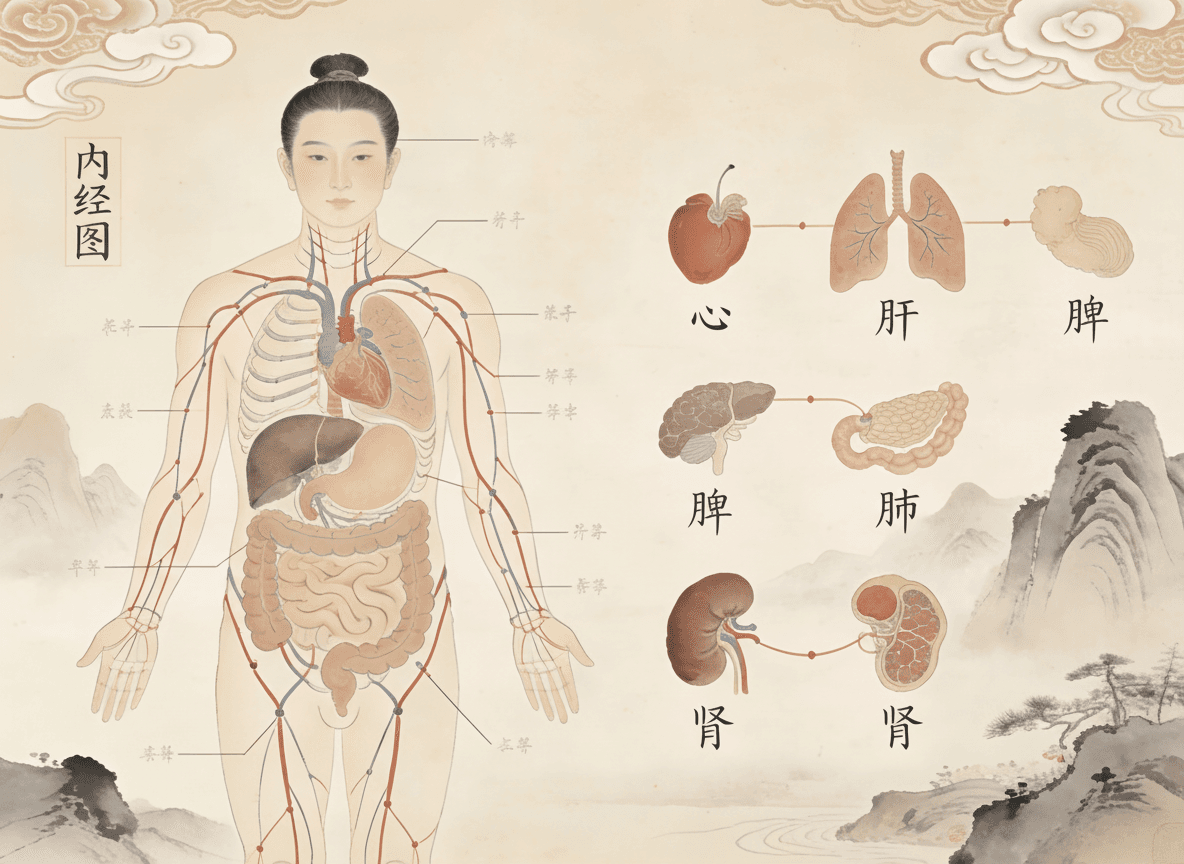
The Five Elements, or Wuxing (五行), is a profound philosophical concept originating in ancient China. It serves as a fundamental lens through which to understand the dynamic interplay and cyclical transformations observed in the natural world and, crucially, within the human body. It's not about literal elements but rather phases or qualities.
In Traditional Chinese Medicine (TCM), the Wuxing theory provides a comprehensive framework for interpreting physiological functions, identifying pathological changes, and guiding clinical practice. It helps practitioners analyze complex symptoms and formulate holistic treatment strategies by mapping them to elemental patterns.
The five elements are Wood, Fire, Earth, Metal, and Water. Each element embodies distinct characteristics and corresponds to various aspects of the universe and the human body. These correspondences include specific Zang-Fu organs, seasons, colors, emotions, tastes, sensory organs, and even directions.
For example, Wood relates to the Liver, spring, green, anger, and sour taste. Fire corresponds to the Heart, summer, red, joy, and bitter taste. Earth links to the Spleen, late summer, yellow, worry, and sweet taste. Metal is associated with the Lungs, autumn, white, grief, and pungent taste. Water connects to the Kidneys, winter, black/blue, fear, and salty taste.
The Generative, or Sheng (生), cycle describes a nourishing and promoting relationship between the elements. In this cycle, Wood generates Fire, Fire generates Earth, Earth generates Metal, Metal generates Water, and Water generates Wood. This sequence illustrates how one element supports and fosters the growth of the next.
Within the body, the Sheng cycle represents how organ systems mutually support each other. For instance, the Kidneys (Water) nourish the Liver (Wood), and the Liver (Wood) supports the Heart (Fire). Imbalances in this cycle can lead to a 'mother-child' relationship disruption, where a 'mother' element fails to nourish its 'child'.
The Controlling, or Ke (克), cycle describes a regulatory and restraining relationship, preventing any single element from becoming excessive. The sequence is: Wood controls Earth, Earth controls Water, Water controls Fire, Fire controls Metal, and Metal controls Wood. This cycle ensures balance and harmony.
In the body, the Ke cycle maintains physiological equilibrium. For example, the Liver (Wood) regulates the Spleen (Earth), preventing it from becoming overactive. If this cycle is disrupted, an element might over-control or be under-controlled, leading to pathological conditions and disease patterns.
The Five Elements theory is a cornerstone of TCM diagnosis. Practitioners observe a patient's overall presentation, including their complexion, voice tone, emotional state, and specific symptoms, to identify which elemental patterns are out of balance. This holistic assessment helps pinpoint the root cause of illness.
In treatment, the theory guides the selection of acupuncture points, herbal formulas, dietary recommendations, and lifestyle adjustments. By understanding the elemental relationships, a practitioner can strengthen a weak element, sedate an overactive one, or restore the harmonious flow within the Sheng and Ke cycles, promoting healing and preventing disease.
The Five Elements theory underscores the holistic nature of health in TCM. It views the human body not as isolated parts, but as an integrated system where all components are interconnected and constantly interacting. Health is a state of dynamic balance and harmony among these elemental phases.
This perspective means that a problem in one organ system or element can affect others through the generative and controlling cycles. Therefore, TCM treatment often addresses seemingly unrelated symptoms by targeting the underlying elemental imbalance, aiming to restore overall systemic harmony rather than just alleviating isolated symptoms.
This information is for educational purposes only and is not intended as medical advice. Always consult a qualified healthcare practitioner before using any herbal remedy.