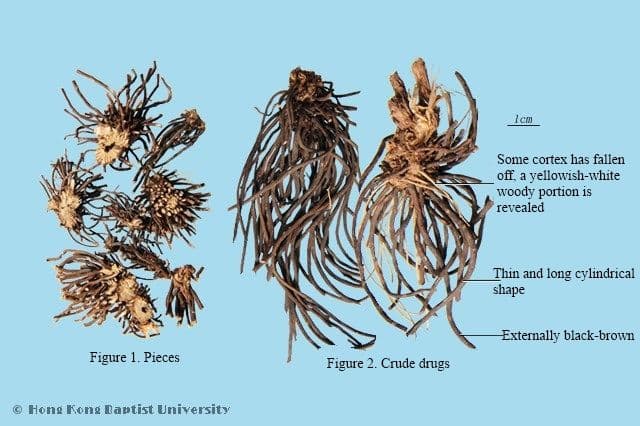
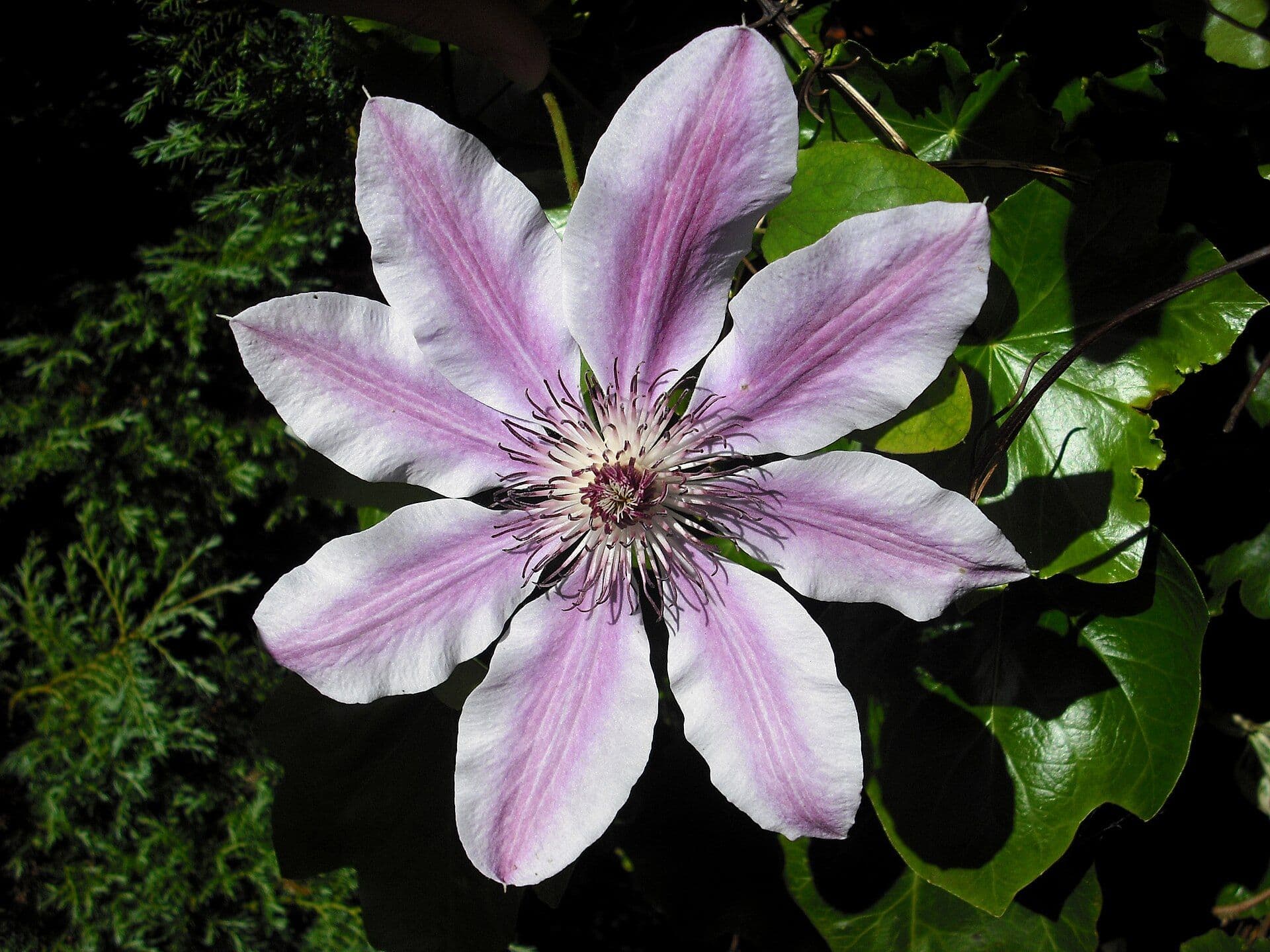
Clematis Root
Warm (温)威灵仙 · Wei Ling Xian
Radix Clematidis
TCM Properties
Nature (四气)
Warm (温)Flavor (五味)
Pungent (辛)Salty (咸)
Meridian Tropism
Bladder
威灵仙 · Wei Ling Xian
Radix Clematidis
Dr. Maya Chen explores Wei Ling Xian (Clematis Root), a potent TCM herb traditionally known for relieving pain and inflammation, connecting ancient wisdom with modern scientific validation.
3-16g 15-30g for fish bones stuck in the throat Tincture: 2-4ml
3-16g 15-30g for fish bones stuck in the throat Tincture: 2-4ml
The most common preparation method. Typically, 3-16g of dried Wei Ling Xian root slices are added to 2-3 cups of water and gently simmered for 20-30 minutes. Strain the liquid and drink as a warm tea. For specific uses like fish bones, dosages might increase to 15-30g, but this must be done under strict professional guidance.
Dried Wei Ling Xian can be ground into a fine powder. A common dosage might be 1-3g taken with warm water, 2-3 times daily. This form offers convenience, but precise dosing is critical due to its potency. It is often combined with other herbal powders in formulas.
A liquid extract made by soaking the herb in alcohol. The typical dosage for a concentrated tincture is 2-4ml, 2-3 times per day, diluted in water. Tinctures offer a potent and easily absorbed form, but ensure the product is from a reputable source and clearly states the concentration.
The most common preparation method. Typically, 3-16g of dried Wei Ling Xian root slices are added to 2-3 cups of water and gently simmered for 20-30 minutes. Strain the liquid and drink as a warm tea. For specific uses like fish bones, dosages might increase to 15-30g, but this must be done under strict professional guidance.
Dried Wei Ling Xian can be ground into a fine powder. A common dosage might be 1-3g taken with warm water, 2-3 times daily. This form offers convenience, but precise dosing is critical due to its potency. It is often combined with other herbal powders in formulas.
A liquid extract made by soaking the herb in alcohol. The typical dosage for a concentrated tincture is 2-4ml, 2-3 times per day, diluted in water. Tinctures offer a potent and easily absorbed form, but ensure the product is from a reputable source and clearly states the concentration.
Modern research, primarily in animal models and *in vitro* studies, provides a moderate level of evidence supporting Wei Ling Xian's traditional uses, particularly its anti-inflammatory and chondroprotective effects. Key findings point to its ability to inhibit inflammatory mediators and protect cartilage from degradation, aligning with its role in alleviating pain and improving joint health.
Moderate — Some clinical studies
Modern research, primarily in animal models and *in vitro* studies, provides a moderate level of evidence supporting Wei Ling Xian's traditional uses, particularly its anti-inflammatory and chondroprotective effects. Key findings point to its ability to inhibit inflammatory mediators and protect cartilage from degradation, aligning with its role in alleviating pain and improving joint health.
Moderate — Some clinical studies
Insufficient Data
Insufficient Data
Imagine a situation where you’ve accidentally swallowed a fish bone, a common mishap in many cultures. The discomfort, the panic—it’s a universally unpleasant experience. In Traditional Chinese Medicine (TCM), there’s a surprising, centuries-old remedy for this very predicament: Wei Ling Xian.
While its ability to soften and transform something as stubborn as a fish bone might sound almost magical, this herb's true power lies in its profound capacity to move what's stuck, particularly when it comes to pain and inflammation within the body.
Wei Ling Xian (Radix Clematidis), also known as Clematis Root or Chinese Clematis Root, is a warm, acrid, and salty herb traditionally used in TCM for dispelling what we call 'Wind-Dampness,' unblocking the body's energy channels, and alleviating pain. It's a prime example of how ancient wisdom, when viewed through a modern lens, reveals remarkable insights into how our bodies function and heal.
My journey from Beijing University of Chinese Medicine to a residency in integrative medicine in the US has shown me time and again how these classical understandings map onto contemporary health science. Wei Ling Xian is one of those herbs that beautifully bridges that gap, offering relief for conditions that Western medicine often struggles to fully resolve without significant side effects.
In the intricate philosophy of Traditional Chinese Medicine, Wei Ling Xian holds a unique position. Its 'nature' is warm, meaning it brings a gentle heat that helps to disperse cold and invigorate circulation. Its 'flavors' are acrid and salty. Acrid herbs are known for their ability to move, scatter, and invigorate, while salty herbs can soften hardness and dissolve accumulations. Together, these properties make Wei Ling Xian a potent agent for addressing stagnation and pain.
What truly sets it apart is its meridian affinity: it's said to enter the Urinary Bladder meridian, but also, quite uniquely, 'all twelve channels.' This means its influence isn't localized; it has a broad, systemic reach throughout the body’s entire energetic network. Think of it as a master key that can unlock blockages almost anywhere.
When we talk about Wind-Dampness, we’re often describing conditions like arthritis, where joint pain is aggravated by weather changes, stiffness, and swelling—symptoms that often align with Western concepts of inflammation and impaired microcirculation.
The classical texts underscore this profound action. In the Divine Farmer’s Materia Medica (Shen Nong Ben Cao Jing), one of the oldest Chinese herbals, Wei Ling Xian is listed as a 'medium-grade' herb, stating it "principally treats wind-damp painful obstruction, body aches and pain, frees the joints, and unblocks the collaterals.
" Centuries later, the esteemed physician Li Shizhen, in his monumental Compendium of Materia Medica (Ben Cao Gang Mu), described it as having a "fierce and urgent nature, quick to move and not to stay, raw it disperses dampness, cooked it relaxes the sinews, a crucial medicine for treating painful obstruction." These ancient descriptions resonate powerfully with modern insights into anti-inflammatory and analgesic mechanisms.
This is where Wei Ling Xian truly shines. Patients often come to me describing persistent joint pain, especially in their knees, hips, or lower back, which feels worse with cold, damp weather or after prolonged inactivity. In TCM, this is a classic presentation of Wind-Damp painful obstruction (often called 'bi syndrome'). Wei Ling Xian is a primary herb in formulas designed to address this. I remember a patient, Mr.
Chen, a retired carpenter, who suffered from chronic knee pain that made climbing stairs a daily agony. After incorporating a formula containing Wei Ling Xian into his regimen, alongside acupuncture and dietary adjustments, he reported significant improvement in flexibility and a reduction in the sharp, aching pain. He even told me, 'Dr. Chen, I can finally walk my grandson to the park without wincing!
From a Western perspective, this aligns with its observed anti-inflammatory and analgesic properties. Research indicates that compounds in Clematis root can help reduce inflammation and protect cartilage, directly impacting the mechanisms of arthritis. This makes it a valuable complementary tool for managing chronic musculoskeletal discomfort.
Wei Ling Xian’s 'acrid' and 'salty' flavors give it a powerful ability to 'move' and 'unblock.' In TCM, pain is often seen as a result of stagnation—whether it's of Qi (energy), Blood, or Phlegm. When circulation is impeded, pain arises.
Wei Ling Xian is particularly effective at resolving this kind of stagnation, making it useful not just for joint pain but also for general body aches, muscle stiffness, and even nerve pain where there’s a sense of tightness or immobility. Its ability to enter 'all twelve channels' highlights its broad systemic impact on circulation and energy flow.
Beyond pain, Wei Ling Xian also helps to 'reduce Phlegm and pathogenic water,' which means it can help regulate fluid balance and clear accumulations. This action contributes to its effectiveness in reducing swelling associated with joint pain and could also explain its traditional use in certain urinary issues. While not a primary diuretic, its ability to 'unblock' extends to fluid pathways, subtly supporting the body's natural detoxification and elimination processes.
The traditional uses of Wei Ling Xian are increasingly being corroborated by modern scientific investigation, offering a clearer picture of its mechanisms of action. Researchers are focusing on the potent bioactive compounds within the Clematis root, particularly its triterpene saponins and other active constituents.
A study published in Phytotherapy Research in 2010 by Park, J. S., et al., investigated the saponin fraction from Clematis chinensis Osbeck roots. They found that this fraction dose-dependently reduced cartilage injury and proteoglycan degradation in a rat model of osteoarthritis, indicating a protective effect on articular cartilage. This is significant because cartilage degradation is a hallmark of osteoarthritis, and finding compounds that can mitigate this damage is a major goal in Western rheumatology.
Further reinforcing its anti-inflammatory prowess, Kim, H. J., et al., reported in Rheumatology International in 2012 that a triterpene saponin (AR-6) isolated from Clematis chinensis Osbeck root showed strong anti-inflammatory effects in rats with collagen-induced arthritis. This compound reduced pro-inflammatory cytokines and inhibited the expression of key inflammatory markers like NF-κB p65 subunits, TNF-α, and COX-2. These are precisely the targets that many conventional anti-inflammatory drugs aim for, suggesting a similar, albeit natural, mechanism of action.
Chinese research, such as that by Hu Yaowen et al. (2024), also highlights its significant anti-inflammatory and analgesic effects in orthopedics, noting that modified preparations, like wine-processed Wei Ling Xian, can enhance its efficacy, with triterpene saponins showing 60-80% inhibition of COX-1/COX-2.
Beyond joint health, an Evidence-based Complementary and Alternative Medicine study in 2024 (Jang, H., et al.) found that an ethanol extract of Clematis terniflora leaves inhibited inflammatory mediators and suppressed inflammatory responses in an acute lung injury model. While this research focused on the leaves of a related Clematis species, it further underscores the genus’s broad anti-inflammatory potential.
This scientific validation provides a bridge for Western practitioners like me to understand and incorporate Wei Ling Xian with greater confidence, knowing that the wisdom of TCM is supported by modern pharmacological insights.
Wei Ling Xian is most commonly used as part of a traditional herbal decoction, but it can also be found in powdered or tincture forms. Remember, precise dosing is critical for this potent herb, and it's always best to consult with a qualified TCM practitioner or integrative physician before starting any new herbal regimen.
This is the traditional and most common method. For general pain relief and dispelling Wind-Dampness, the typical dosage is 3-16 grams of dried Wei Ling Xian root slices. Place the herb in a non-metallic pot with 2-3 cups of water. Bring to a boil, then reduce heat and simmer gently for 20-30 minutes. Strain the liquid and drink it warm, usually split into two doses daily.
If Wei Ling Xian is part of a larger herbal formula, your practitioner will provide specific instructions for combining and decocting the herbs.
For the specific, acute situation of a fish bone stuck in the throat, traditional dosage can increase significantly to 15-30 grams. This higher dose is typically steeped for a shorter period, and the liquid is often gargled and then slowly swallowed. This particular application should only be attempted under the immediate guidance of a knowledgeable practitioner or in an emergency situation where professional medical help is not readily available, as misdiagnosis or improper use could be dangerous.
If using a prepared tincture, the general dosage is 2-4 ml, taken 2-3 times daily. Tinctures are concentrated liquid extracts, and their potency can vary, so always follow the specific instructions on the product label and your practitioner’s advice.
Wei Ling Xian can also be found in powdered form or encapsulated. Dosages will vary greatly depending on the concentration and the specific product. For powders, a typical dose might be 1-3 grams. Always ensure that any encapsulated products are from reputable manufacturers that adhere to strict quality control standards and provide clear dosing instructions.
This section is critical and should be read carefully. While Wei Ling Xian offers significant benefits, it is a potent medicinal herb that requires respectful and cautious use.
Pregnancy: Wei Ling Xian is strictly contraindicated during pregnancy. There are concerns about its potential to cause uterine contractions or other adverse effects. If you are pregnant or trying to conceive, you must avoid this herb entirely.
Qi and Blood Deficiency: Individuals with underlying Qi and Blood Deficiency, or those who are generally debilitated, should use Wei Ling Xian with extreme caution. Its acrid and moving nature can be too strong for those whose bodies are already weak, potentially causing further depletion rather than healing. A practitioner can assess if your constitution is suitable.
Interactions with Food and Drink: It is advised not to take Wei Ling Xian with tea or noodle soup. Traditional wisdom suggests these common consumables can diminish its efficacy or potentially lead to adverse reactions. This highlights the nuanced understanding of herbal interactions within TCM that goes beyond simple drug-herb interactions.
Dosage and Long-Term Use: Long-term use or normal use in high dosages may cause a toxic reaction. This herb is potent and best used for acute or sub-acute conditions, or as part of a carefully balanced formula under the guidance of a skilled practitioner who can monitor its effects and adjust dosages. Symptoms of toxicity can vary but may include gastrointestinal upset, skin reactions, or more severe systemic effects.
Drug Interactions: While specific Western drug interaction studies for Wei Ling Xian are limited, given its anti-inflammatory and pain-alleviating actions, it's prudent to exercise caution if you are taking other medications for pain, inflammation (e.g., NSAIDs), or blood thinners. Always inform your Western medical doctor and your integrative medicine practitioner about all supplements and medications you are taking to ensure safety and prevent potential interactions.
Wei Ling Xian stands as a testament to the enduring power of Traditional Chinese Medicine. It's a reminder that sometimes, the most effective remedies are those that have been refined over centuries, observed in intricate detail, and now, increasingly, validated by the rigor of modern science.
As we continue to explore the complexities of human health, herbs like Clematis Root offer us not just relief from symptoms, but a deeper understanding of our body's interconnectedness and its profound capacity for healing. It encourages us to look beyond the immediate ailment and consider the broader patterns of imbalance, empowering us to become more active participants in our own well-being.
Imagine a situation where you’ve accidentally swallowed a fish bone, a common mishap in many cultures. The discomfort, the panic—it’s a universally unpleasant experience. In Traditional Chinese Medicine (TCM), there’s a surprising, centuries-old remedy for this very predicament: Wei Ling Xian.
While its ability to soften and transform something as stubborn as a fish bone might sound almost magical, this herb's true power lies in its profound capacity to move what's stuck, particularly when it comes to pain and inflammation within the body.
Wei Ling Xian (Radix Clematidis), also known as Clematis Root or Chinese Clematis Root, is a warm, acrid, and salty herb traditionally used in TCM for dispelling what we call 'Wind-Dampness,' unblocking the body's energy channels, and alleviating pain. It's a prime example of how ancient wisdom, when viewed through a modern lens, reveals remarkable insights into how our bodies function and heal.
My journey from Beijing University of Chinese Medicine to a residency in integrative medicine in the US has shown me time and again how these classical understandings map onto contemporary health science. Wei Ling Xian is one of those herbs that beautifully bridges that gap, offering relief for conditions that Western medicine often struggles to fully resolve without significant side effects.
In the intricate philosophy of Traditional Chinese Medicine, Wei Ling Xian holds a unique position. Its 'nature' is warm, meaning it brings a gentle heat that helps to disperse cold and invigorate circulation. Its 'flavors' are acrid and salty. Acrid herbs are known for their ability to move, scatter, and invigorate, while salty herbs can soften hardness and dissolve accumulations. Together, these properties make Wei Ling Xian a potent agent for addressing stagnation and pain.
What truly sets it apart is its meridian affinity: it's said to enter the Urinary Bladder meridian, but also, quite uniquely, 'all twelve channels.' This means its influence isn't localized; it has a broad, systemic reach throughout the body’s entire energetic network. Think of it as a master key that can unlock blockages almost anywhere.
When we talk about Wind-Dampness, we’re often describing conditions like arthritis, where joint pain is aggravated by weather changes, stiffness, and swelling—symptoms that often align with Western concepts of inflammation and impaired microcirculation.
The classical texts underscore this profound action. In the Divine Farmer’s Materia Medica (Shen Nong Ben Cao Jing), one of the oldest Chinese herbals, Wei Ling Xian is listed as a 'medium-grade' herb, stating it "principally treats wind-damp painful obstruction, body aches and pain, frees the joints, and unblocks the collaterals.
" Centuries later, the esteemed physician Li Shizhen, in his monumental Compendium of Materia Medica (Ben Cao Gang Mu), described it as having a "fierce and urgent nature, quick to move and not to stay, raw it disperses dampness, cooked it relaxes the sinews, a crucial medicine for treating painful obstruction." These ancient descriptions resonate powerfully with modern insights into anti-inflammatory and analgesic mechanisms.
This is where Wei Ling Xian truly shines. Patients often come to me describing persistent joint pain, especially in their knees, hips, or lower back, which feels worse with cold, damp weather or after prolonged inactivity. In TCM, this is a classic presentation of Wind-Damp painful obstruction (often called 'bi syndrome'). Wei Ling Xian is a primary herb in formulas designed to address this. I remember a patient, Mr.
Chen, a retired carpenter, who suffered from chronic knee pain that made climbing stairs a daily agony. After incorporating a formula containing Wei Ling Xian into his regimen, alongside acupuncture and dietary adjustments, he reported significant improvement in flexibility and a reduction in the sharp, aching pain. He even told me, 'Dr. Chen, I can finally walk my grandson to the park without wincing!
From a Western perspective, this aligns with its observed anti-inflammatory and analgesic properties. Research indicates that compounds in Clematis root can help reduce inflammation and protect cartilage, directly impacting the mechanisms of arthritis. This makes it a valuable complementary tool for managing chronic musculoskeletal discomfort.
Wei Ling Xian’s 'acrid' and 'salty' flavors give it a powerful ability to 'move' and 'unblock.' In TCM, pain is often seen as a result of stagnation—whether it's of Qi (energy), Blood, or Phlegm. When circulation is impeded, pain arises.
Wei Ling Xian is particularly effective at resolving this kind of stagnation, making it useful not just for joint pain but also for general body aches, muscle stiffness, and even nerve pain where there’s a sense of tightness or immobility. Its ability to enter 'all twelve channels' highlights its broad systemic impact on circulation and energy flow.
Beyond pain, Wei Ling Xian also helps to 'reduce Phlegm and pathogenic water,' which means it can help regulate fluid balance and clear accumulations. This action contributes to its effectiveness in reducing swelling associated with joint pain and could also explain its traditional use in certain urinary issues. While not a primary diuretic, its ability to 'unblock' extends to fluid pathways, subtly supporting the body's natural detoxification and elimination processes.
The traditional uses of Wei Ling Xian are increasingly being corroborated by modern scientific investigation, offering a clearer picture of its mechanisms of action. Researchers are focusing on the potent bioactive compounds within the Clematis root, particularly its triterpene saponins and other active constituents.
A study published in Phytotherapy Research in 2010 by Park, J. S., et al., investigated the saponin fraction from Clematis chinensis Osbeck roots. They found that this fraction dose-dependently reduced cartilage injury and proteoglycan degradation in a rat model of osteoarthritis, indicating a protective effect on articular cartilage. This is significant because cartilage degradation is a hallmark of osteoarthritis, and finding compounds that can mitigate this damage is a major goal in Western rheumatology.
Further reinforcing its anti-inflammatory prowess, Kim, H. J., et al., reported in Rheumatology International in 2012 that a triterpene saponin (AR-6) isolated from Clematis chinensis Osbeck root showed strong anti-inflammatory effects in rats with collagen-induced arthritis. This compound reduced pro-inflammatory cytokines and inhibited the expression of key inflammatory markers like NF-κB p65 subunits, TNF-α, and COX-2. These are precisely the targets that many conventional anti-inflammatory drugs aim for, suggesting a similar, albeit natural, mechanism of action.
Chinese research, such as that by Hu Yaowen et al. (2024), also highlights its significant anti-inflammatory and analgesic effects in orthopedics, noting that modified preparations, like wine-processed Wei Ling Xian, can enhance its efficacy, with triterpene saponins showing 60-80% inhibition of COX-1/COX-2.
Beyond joint health, an Evidence-based Complementary and Alternative Medicine study in 2024 (Jang, H., et al.) found that an ethanol extract of Clematis terniflora leaves inhibited inflammatory mediators and suppressed inflammatory responses in an acute lung injury model. While this research focused on the leaves of a related Clematis species, it further underscores the genus’s broad anti-inflammatory potential.
This scientific validation provides a bridge for Western practitioners like me to understand and incorporate Wei Ling Xian with greater confidence, knowing that the wisdom of TCM is supported by modern pharmacological insights.
Wei Ling Xian is most commonly used as part of a traditional herbal decoction, but it can also be found in powdered or tincture forms. Remember, precise dosing is critical for this potent herb, and it's always best to consult with a qualified TCM practitioner or integrative physician before starting any new herbal regimen.
This is the traditional and most common method. For general pain relief and dispelling Wind-Dampness, the typical dosage is 3-16 grams of dried Wei Ling Xian root slices. Place the herb in a non-metallic pot with 2-3 cups of water. Bring to a boil, then reduce heat and simmer gently for 20-30 minutes. Strain the liquid and drink it warm, usually split into two doses daily.
If Wei Ling Xian is part of a larger herbal formula, your practitioner will provide specific instructions for combining and decocting the herbs.
For the specific, acute situation of a fish bone stuck in the throat, traditional dosage can increase significantly to 15-30 grams. This higher dose is typically steeped for a shorter period, and the liquid is often gargled and then slowly swallowed. This particular application should only be attempted under the immediate guidance of a knowledgeable practitioner or in an emergency situation where professional medical help is not readily available, as misdiagnosis or improper use could be dangerous.
If using a prepared tincture, the general dosage is 2-4 ml, taken 2-3 times daily. Tinctures are concentrated liquid extracts, and their potency can vary, so always follow the specific instructions on the product label and your practitioner’s advice.
Wei Ling Xian can also be found in powdered form or encapsulated. Dosages will vary greatly depending on the concentration and the specific product. For powders, a typical dose might be 1-3 grams. Always ensure that any encapsulated products are from reputable manufacturers that adhere to strict quality control standards and provide clear dosing instructions.
This section is critical and should be read carefully. While Wei Ling Xian offers significant benefits, it is a potent medicinal herb that requires respectful and cautious use.
Pregnancy: Wei Ling Xian is strictly contraindicated during pregnancy. There are concerns about its potential to cause uterine contractions or other adverse effects. If you are pregnant or trying to conceive, you must avoid this herb entirely.
Qi and Blood Deficiency: Individuals with underlying Qi and Blood Deficiency, or those who are generally debilitated, should use Wei Ling Xian with extreme caution. Its acrid and moving nature can be too strong for those whose bodies are already weak, potentially causing further depletion rather than healing. A practitioner can assess if your constitution is suitable.
Interactions with Food and Drink: It is advised not to take Wei Ling Xian with tea or noodle soup. Traditional wisdom suggests these common consumables can diminish its efficacy or potentially lead to adverse reactions. This highlights the nuanced understanding of herbal interactions within TCM that goes beyond simple drug-herb interactions.
Dosage and Long-Term Use: Long-term use or normal use in high dosages may cause a toxic reaction. This herb is potent and best used for acute or sub-acute conditions, or as part of a carefully balanced formula under the guidance of a skilled practitioner who can monitor its effects and adjust dosages. Symptoms of toxicity can vary but may include gastrointestinal upset, skin reactions, or more severe systemic effects.
Drug Interactions: While specific Western drug interaction studies for Wei Ling Xian are limited, given its anti-inflammatory and pain-alleviating actions, it's prudent to exercise caution if you are taking other medications for pain, inflammation (e.g., NSAIDs), or blood thinners. Always inform your Western medical doctor and your integrative medicine practitioner about all supplements and medications you are taking to ensure safety and prevent potential interactions.
Wei Ling Xian stands as a testament to the enduring power of Traditional Chinese Medicine. It's a reminder that sometimes, the most effective remedies are those that have been refined over centuries, observed in intricate detail, and now, increasingly, validated by the rigor of modern science.
As we continue to explore the complexities of human health, herbs like Clematis Root offer us not just relief from symptoms, but a deeper understanding of our body's interconnectedness and its profound capacity for healing. It encourages us to look beyond the immediate ailment and consider the broader patterns of imbalance, empowering us to become more active participants in our own well-being.
This information is for educational purposes only and is not intended as medical advice. Always consult a qualified healthcare practitioner before using any herbal remedy.