体质 · Ti Zhi
Body Constitution Types (体质, Tǐzhì) in Traditional Chinese Medicine (TCM) refer to distinct patterns of an individual's physical and mental characteristics, reflecting their inherent strengths and weaknesses. Understanding one's constitution helps practitioners tailor personalized health management, including diet, lifestyle, and herbal remedies, to prevent illness and promote well-being.
Body Constitution Types (体质, Tǐzhì) are a fundamental concept in Traditional Chinese Medicine (TCM). They describe an individual's inherent physical and psychological characteristics, reflecting their unique balance of vital substances like Qi, Blood, Yin, and Yang. This framework helps understand individual health predispositions.
Unlike Western medical diagnoses focused on disease, Tǐzhì emphasizes a holistic view of the person. It identifies patterns of strengths and vulnerabilities, guiding preventative care. This personalized approach aims to maintain health and prevent illness before symptoms manifest, promoting overall well-being.
TCM recognizes nine distinct Body Constitution Types. The "Balanced Type" (平和质, Pínghé Zhì) is considered the ideal, representing harmony and resilience. The other eight types describe various imbalances or predispositions, each with specific characteristics and health tendencies.
These eight imbalanced types include Qi-Deficient, Yang-Deficient, Yin-Deficient, Phlegm-Dampness, Damp-Heat, Qi-Stagnation, Blood-Stasis, and Allergic Diathesis. Each type presents unique physical traits, emotional patterns, and susceptibility to certain health issues. Understanding these helps tailor specific health strategies.
Determining one's Body Constitution Type involves a comprehensive assessment. TCM practitioners utilize detailed questionnaires, observing physical appearance, facial complexion, body shape, and emotional tendencies. Tongue and pulse diagnosis are also crucial tools in this diagnostic process.
While self-assessment tools exist, a professional diagnosis by an experienced TCM practitioner is highly recommended. They can accurately interpret complex patterns and provide precise guidance. Knowing your type empowers you to make informed choices for your diet, lifestyle, and self-care practices.
The primary benefit of identifying your constitution is the ability to implement personalized health management. This includes dietary recommendations tailored to your specific needs, emphasizing foods that support balance and avoid exacerbating imbalances. For instance, a Yang-Deficient type might benefit from warming foods.
Lifestyle adjustments are also key. This could involve specific types of exercise, stress management techniques, and sleep hygiene practices. Herbal medicine and acupuncture treatments are often prescribed based on the individual's constitutional type, aiming to restore harmony and prevent the onset of disease.
It is important to understand that Body Constitution Types are not static or fixed throughout life. While there's an inherent predisposition, a person's constitution can evolve. Factors such as age, environmental changes, seasonal influences, diet, emotional state, and lifestyle choices all play a significant role.
The goal of TCM health management is often to guide an individual towards a more balanced constitution. Through consistent and appropriate interventions, imbalances can be mitigated, and the body's natural resilience can be strengthened, leading to improved health and vitality over time.
A common misconception is that a Body Constitution Type is a disease diagnosis. Instead, it describes a predisposition or a pattern of imbalance, not an illness itself. It highlights areas of vulnerability, allowing for proactive health management rather than reactive treatment of symptoms.
Another misunderstanding is that one's constitution is unchangeable. While inherent tendencies exist, conscious lifestyle choices and TCM interventions can significantly influence and improve one's constitutional balance. It emphasizes empowerment through self-care and continuous adaptation.
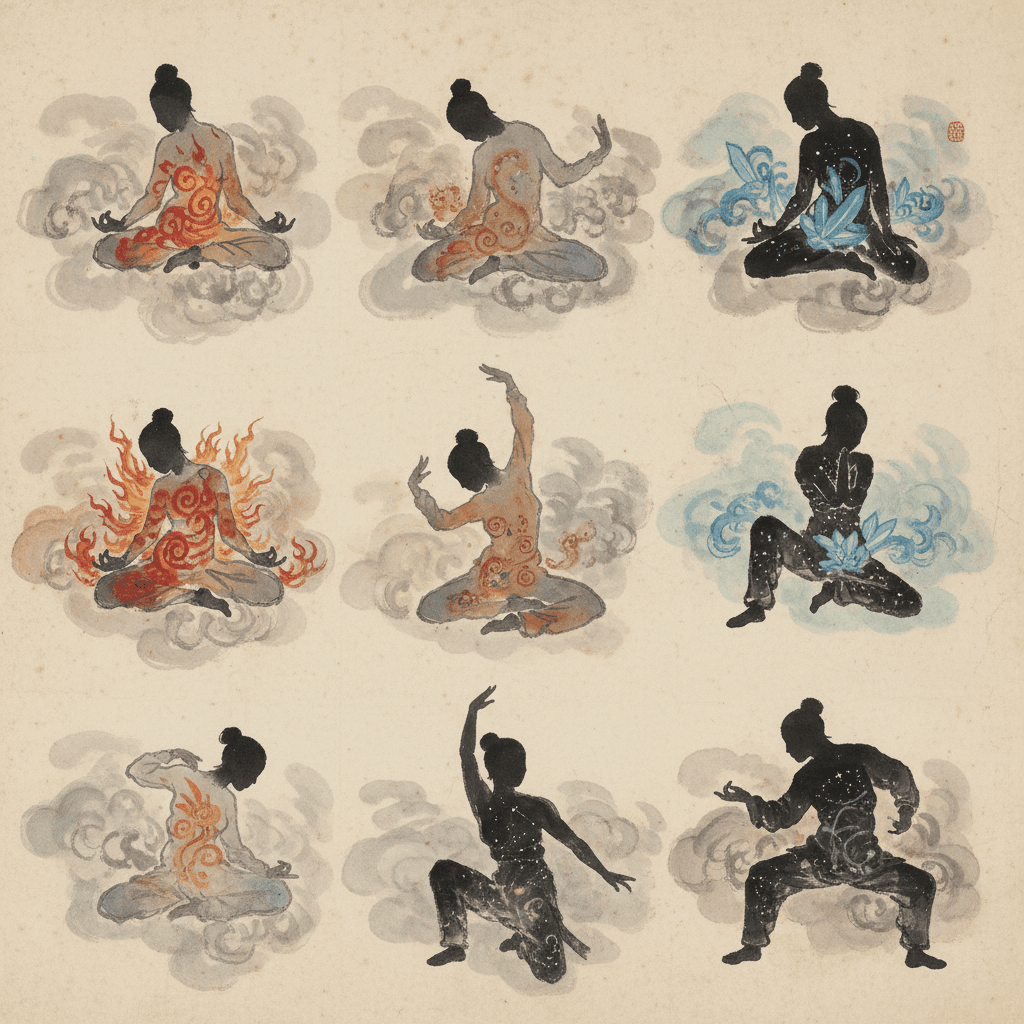
Body Constitution Types (体质, Tǐzhì) are a fundamental concept in Traditional Chinese Medicine (TCM). They describe an individual's inherent physical and psychological characteristics, reflecting their unique balance of vital substances like Qi, Blood, Yin, and Yang. This framework helps understand individual health predispositions.
Unlike Western medical diagnoses focused on disease, Tǐzhì emphasizes a holistic view of the person. It identifies patterns of strengths and vulnerabilities, guiding preventative care. This personalized approach aims to maintain health and prevent illness before symptoms manifest, promoting overall well-being.
TCM recognizes nine distinct Body Constitution Types. The "Balanced Type" (平和质, Pínghé Zhì) is considered the ideal, representing harmony and resilience. The other eight types describe various imbalances or predispositions, each with specific characteristics and health tendencies.
These eight imbalanced types include Qi-Deficient, Yang-Deficient, Yin-Deficient, Phlegm-Dampness, Damp-Heat, Qi-Stagnation, Blood-Stasis, and Allergic Diathesis. Each type presents unique physical traits, emotional patterns, and susceptibility to certain health issues. Understanding these helps tailor specific health strategies.
Determining one's Body Constitution Type involves a comprehensive assessment. TCM practitioners utilize detailed questionnaires, observing physical appearance, facial complexion, body shape, and emotional tendencies. Tongue and pulse diagnosis are also crucial tools in this diagnostic process.
While self-assessment tools exist, a professional diagnosis by an experienced TCM practitioner is highly recommended. They can accurately interpret complex patterns and provide precise guidance. Knowing your type empowers you to make informed choices for your diet, lifestyle, and self-care practices.
The primary benefit of identifying your constitution is the ability to implement personalized health management. This includes dietary recommendations tailored to your specific needs, emphasizing foods that support balance and avoid exacerbating imbalances. For instance, a Yang-Deficient type might benefit from warming foods.
Lifestyle adjustments are also key. This could involve specific types of exercise, stress management techniques, and sleep hygiene practices. Herbal medicine and acupuncture treatments are often prescribed based on the individual's constitutional type, aiming to restore harmony and prevent the onset of disease.
It is important to understand that Body Constitution Types are not static or fixed throughout life. While there's an inherent predisposition, a person's constitution can evolve. Factors such as age, environmental changes, seasonal influences, diet, emotional state, and lifestyle choices all play a significant role.
The goal of TCM health management is often to guide an individual towards a more balanced constitution. Through consistent and appropriate interventions, imbalances can be mitigated, and the body's natural resilience can be strengthened, leading to improved health and vitality over time.
A common misconception is that a Body Constitution Type is a disease diagnosis. Instead, it describes a predisposition or a pattern of imbalance, not an illness itself. It highlights areas of vulnerability, allowing for proactive health management rather than reactive treatment of symptoms.
Another misunderstanding is that one's constitution is unchangeable. While inherent tendencies exist, conscious lifestyle choices and TCM interventions can significantly influence and improve one's constitutional balance. It emphasizes empowerment through self-care and continuous adaptation.
This information is for educational purposes only and is not intended as medical advice. Always consult a qualified healthcare practitioner before using any herbal remedy.