气 · Qi
Qi (气) is a fundamental concept in Traditional Chinese Medicine (TCM), often translated as "vital energy" or "life force." It is the invisible force that animates all living things and circulates throughout the body, maintaining health and vitality.
Qi (气) is a cornerstone concept in Traditional Chinese Medicine (TCM), often translated as "vital energy" or "life force." It represents the invisible, dynamic force that animates all living things and permeates the entire universe. In the human body, Qi is the fundamental essence that powers all physiological processes, from breathing and digestion to thought and movement.
This vital energy is crucial for maintaining health, vitality, and proper organ function. TCM posits that a harmonious and abundant flow of Qi is synonymous with good health. Understanding Qi is key to comprehending the diagnostic and therapeutic principles of Chinese medicine.
TCM differentiates various types of Qi, each with specific origins and functions. Yuan Qi, or Original Qi, is inherited from parents and stored in the kidneys, forming the fundamental basis of life and vitality.
Zong Qi, or Gathering Qi, is formed by combining the essence of air (from breathing) and food (from digestion). It influences the heart and lungs, supporting respiration and circulation. Ying Qi, or Nutritive Qi, circulates with the blood, providing nourishment to the entire body.
Wei Qi, or Defensive Qi, is a more superficial form of Qi that circulates on the body's surface. Its primary function is to protect the body from external pathogens, acting as a vital component of the body's immune defense system.
Qi flows throughout the body via an intricate network of invisible pathways known as meridians or jing-luo. These channels are not physical structures in the Western anatomical sense but are energetic conduits that connect internal organs to the body's surface, limbs, and sensory organs.
Meridians are essential for distributing Qi and blood, ensuring that all parts of the body receive necessary nourishment and energy. Acupuncture points are specific locations along these meridians where the flow of Qi can be accessed, stimulated, or regulated to restore balance and promote healing.
When the flow or quantity of Qi becomes imbalanced, health issues can arise. Common imbalances include Qi deficiency, characterized by fatigue and weakness; Qi stagnation, which can cause pain, emotional distress, and sluggishness; and Qi rebellion, where Qi flows in the wrong direction, leading to symptoms like nausea or acid reflux.
These imbalances can manifest as a wide range of physical and emotional symptoms, from chronic pain and digestive problems to anxiety and depression. TCM diagnosis focuses on identifying these specific patterns of Qi disharmony to guide appropriate treatment strategies.
TCM offers numerous methods to cultivate, regulate, and restore the harmonious flow of Qi. Acupuncture involves inserting fine needles into specific meridian points to stimulate or disperse Qi, thereby rebalancing its flow.
Herbal medicine utilizes specific plant, animal, and mineral substances to nourish deficient Qi, move stagnant Qi, or clear excess Qi. Dietary therapy also plays a significant role, as food is a primary source of acquired Qi.
Mind-body practices like Qigong and Tai Chi are dynamic exercises that combine gentle movements, deep breathing, and meditation. These practices are highly effective in cultivating, strengthening, and harmonizing the body's internal Qi, promoting overall well-being.
While Qi is not directly measurable by conventional Western scientific instruments, its profound effects are widely observed in clinical practice and by millions who benefit from TCM therapies. The concept provides a holistic framework for understanding health and disease.
There is growing interest in integrating TCM principles and Qi-based therapies into modern healthcare. Many individuals seek these approaches for preventive care, chronic condition management, and enhancing overall vitality, often complementing conventional medical treatments.
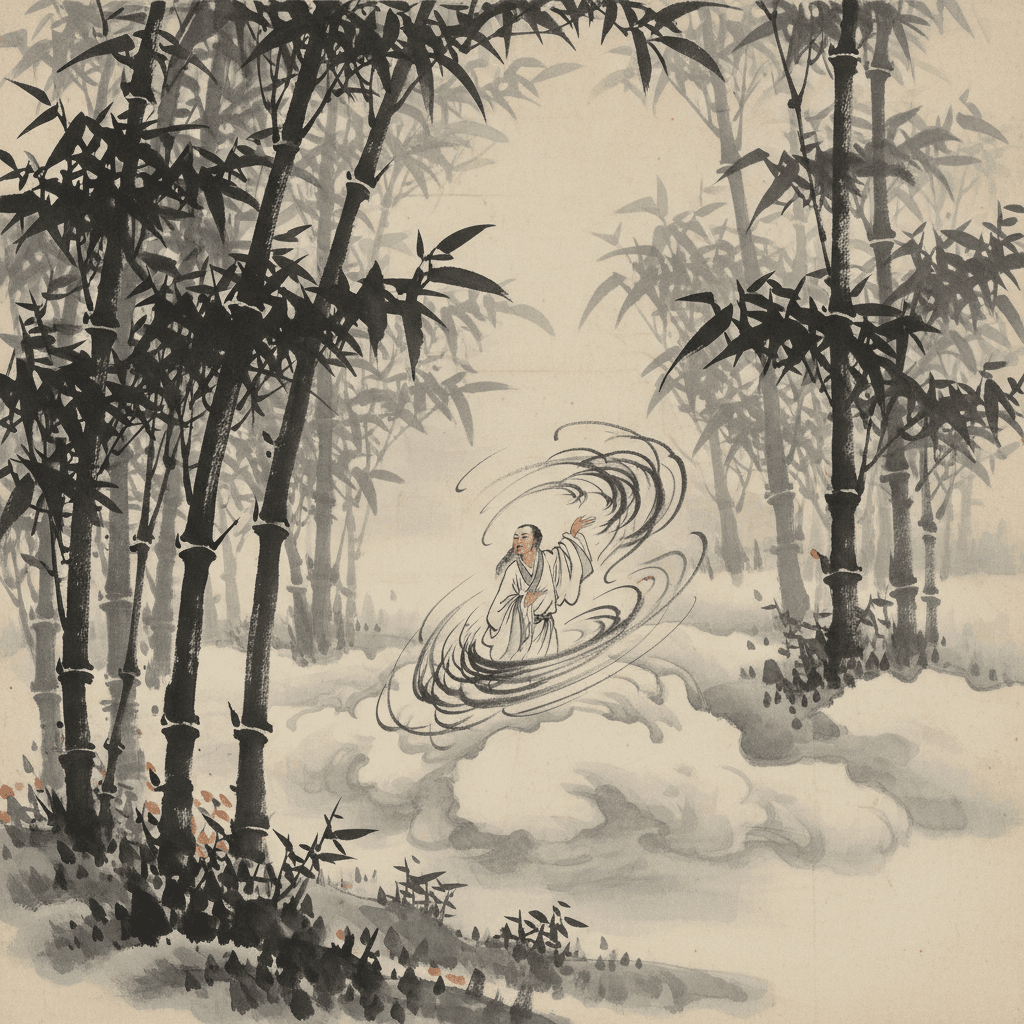
Qi (气) is a cornerstone concept in Traditional Chinese Medicine (TCM), often translated as "vital energy" or "life force." It represents the invisible, dynamic force that animates all living things and permeates the entire universe. In the human body, Qi is the fundamental essence that powers all physiological processes, from breathing and digestion to thought and movement.
This vital energy is crucial for maintaining health, vitality, and proper organ function. TCM posits that a harmonious and abundant flow of Qi is synonymous with good health. Understanding Qi is key to comprehending the diagnostic and therapeutic principles of Chinese medicine.
TCM differentiates various types of Qi, each with specific origins and functions. Yuan Qi, or Original Qi, is inherited from parents and stored in the kidneys, forming the fundamental basis of life and vitality.
Zong Qi, or Gathering Qi, is formed by combining the essence of air (from breathing) and food (from digestion). It influences the heart and lungs, supporting respiration and circulation. Ying Qi, or Nutritive Qi, circulates with the blood, providing nourishment to the entire body.
Wei Qi, or Defensive Qi, is a more superficial form of Qi that circulates on the body's surface. Its primary function is to protect the body from external pathogens, acting as a vital component of the body's immune defense system.
Qi flows throughout the body via an intricate network of invisible pathways known as meridians or jing-luo. These channels are not physical structures in the Western anatomical sense but are energetic conduits that connect internal organs to the body's surface, limbs, and sensory organs.
Meridians are essential for distributing Qi and blood, ensuring that all parts of the body receive necessary nourishment and energy. Acupuncture points are specific locations along these meridians where the flow of Qi can be accessed, stimulated, or regulated to restore balance and promote healing.
When the flow or quantity of Qi becomes imbalanced, health issues can arise. Common imbalances include Qi deficiency, characterized by fatigue and weakness; Qi stagnation, which can cause pain, emotional distress, and sluggishness; and Qi rebellion, where Qi flows in the wrong direction, leading to symptoms like nausea or acid reflux.
These imbalances can manifest as a wide range of physical and emotional symptoms, from chronic pain and digestive problems to anxiety and depression. TCM diagnosis focuses on identifying these specific patterns of Qi disharmony to guide appropriate treatment strategies.
TCM offers numerous methods to cultivate, regulate, and restore the harmonious flow of Qi. Acupuncture involves inserting fine needles into specific meridian points to stimulate or disperse Qi, thereby rebalancing its flow.
Herbal medicine utilizes specific plant, animal, and mineral substances to nourish deficient Qi, move stagnant Qi, or clear excess Qi. Dietary therapy also plays a significant role, as food is a primary source of acquired Qi.
Mind-body practices like Qigong and Tai Chi are dynamic exercises that combine gentle movements, deep breathing, and meditation. These practices are highly effective in cultivating, strengthening, and harmonizing the body's internal Qi, promoting overall well-being.
While Qi is not directly measurable by conventional Western scientific instruments, its profound effects are widely observed in clinical practice and by millions who benefit from TCM therapies. The concept provides a holistic framework for understanding health and disease.
There is growing interest in integrating TCM principles and Qi-based therapies into modern healthcare. Many individuals seek these approaches for preventive care, chronic condition management, and enhancing overall vitality, often complementing conventional medical treatments.
This information is for educational purposes only and is not intended as medical advice. Always consult a qualified healthcare practitioner before using any herbal remedy.