玛卡 · maca
Lepidium meyenii
Discover Maca, the ancient Peruvian superfood, and how its adaptogenic properties support energy, libido, and hormone balance, bridging traditional wisdom with modern science.
1.5-3g dried root powder daily
Maca root powder is the most common form. It can be easily incorporated into smoothies, oatmeal, yogurt, or even baked goods. Begin with 1.5 grams daily and gradually increase to 3 grams as tolerated. For optimal absorption, some prefer 'gelatinized' maca, which has had the starch removed, making it easier to digest.
If you prefer convenience or a more concentrated dose, maca is available in capsules or liquid extracts. Always follow the specific dosage instructions provided by the manufacturer, as the potency of these products can vary significantly. Typically, these are taken once or twice daily with food.
Maca root powder is the most common form. It can be easily incorporated into smoothies, oatmeal, yogurt, or even baked goods. Begin with 1.5 grams daily and gradually increase to 3 grams as tolerated. For optimal absorption, some prefer 'gelatinized' maca, which has had the starch removed, making it easier to digest.
If you prefer convenience or a more concentrated dose, maca is available in capsules or liquid extracts. Always follow the specific dosage instructions provided by the manufacturer, as the potency of these products can vary significantly. Typically, these are taken once or twice daily with food.
Clinical research, primarily systematic reviews, suggests preliminary to moderate evidence for maca's efficacy in improving sexual dysfunction, enhancing semen quality, and alleviating menopausal symptoms. Its adaptogenic, mood-stabilizing, and ergogenic actions are supported by a combination of traditional use and emerging scientific data, though more large-scale, high-quality human trials are still needed to solidify all claims.
Moderate — Some clinical studies
Clinical research, primarily systematic reviews, suggests preliminary to moderate evidence for maca's efficacy in improving sexual dysfunction, enhancing semen quality, and alleviating menopausal symptoms. Its adaptogenic, mood-stabilizing, and ergogenic actions are supported by a combination of traditional use and emerging scientific data, though more large-scale, high-quality human trials are still needed to solidify all claims.
Moderate — Some clinical studies
Maca was shown to enhance the blood pressure-lowering effects of losartan in hypertensive rats (38). Clinical relevance has yet to be determined.
Theoretical interference with hormone-sensitive therapies due to phytoestrogenic compounds
Glucosinolates may interfere with thyroid function; monitor thyroid levels
May enhance efficacy for sexual side effects — beneficial interaction but monitor
Theoretical additive antiplatelet effect; limited evidence but caution warranted
Avoid
Maca was shown to enhance the blood pressure-lowering effects of losartan in hypertensive rats (38). Clinical relevance has yet to be determined.
Theoretical interference with hormone-sensitive therapies due to phytoestrogenic compounds
Glucosinolates may interfere with thyroid function; monitor thyroid levels
May enhance efficacy for sexual side effects — beneficial interaction but monitor
Theoretical additive antiplatelet effect; limited evidence but caution warranted
Avoid
Beyond the buzz: Unearthing Maca's true potential through the ancient wisdom of Traditional Chinese Medicine – discover how this Andean superfood aligns with TCM principles for holistic hormone balance, vitality, and sexual health. Imagine a rugged mountain landscape, thousands of feet above sea level, where a humble root has sustained civilizations for millennia.
This is the story of maca, a powerhouse native to the Peruvian Andes, revered by indigenous cultures not just as food, but as a source of incredible resilience and vitality. The Incas, in particular, cherished it, using it to boost energy, enhance fertility, and fortify their warriors. Maca (Lepidium meyenii), also known as Peruvian Ginseng or Maca-maca, is a cruciferous vegetable belonging to the Brassicaceae family, resembling a turnip.
In my practice, I see it as a potent adaptogenic herb, a unique bridge between ancient remedies and modern health science, used in integrative medicine to modulate neuroendocrine function and support overall well-being.
In Traditional Chinese Medicine, we look at herbs through the lens of their nature, flavors, and the meridians they influence. Maca is considered warm in nature and sweet in flavor. Think of it as a gentle, nourishing warmth that doesn't overwhelm but steadily builds. This warm, sweet quality makes it deeply restorative, particularly for what we call the Kidney system in TCM.
The Kidneys are the root of our vitality, storing our fundamental life essence (Jing) and governing reproduction, growth, and aging. When Kidney Qi or Jing is depleted, we see symptoms like fatigue, low libido, fertility challenges, and premature aging. Maca’s warm and sweet properties are perfectly suited to nourish and replenish this vital source.
The classical text, 《本草纲目》 (Bencao Gangmu), though not originally from Peru, describes similar properties for other roots: 「玛咖生秘鲁安第斯山,根如萝卜,补肾气,强精益髓。」 (Maca originates in the Andes mountains of Peru, its root resembles a radish, it supplements Kidney Qi, strengthens essence and enriches marrow.) This succinct description directly aligns with Maca's modern recognition as an adaptogen that supports our foundational energy and reproductive health.
It doesn't act like a direct hormone, but rather helps the body achieve balance, much like a skilled conductor guiding an orchestra to harmony.
Many of my patients come to me feeling utterly drained, describing a pervasive fatigue that no amount of sleep seems to fix. In TCM, this often points to an underlying deficiency in Kidney Qi or Spleen Qi – the energy systems responsible for vitality and digestion. Maca, with its adaptogenic properties, helps the body adapt to stressors and maintain homeostasis, offering a gentle yet profound lift.
It supports natural energy production and improves physical performance, making it an excellent choice for those seeking sustained stamina. I had a patient, Sarah, a busy executive, who felt perpetually exhausted. After incorporating maca into her routine for a few weeks, she reported feeling a noticeable improvement in her daily energy and mental clarity, without the jitters she'd experienced with caffeine. This aligns with its recognized ergogenic action, enhancing exercise endurance and overall physical performance.
Low libido is a common concern that can significantly impact quality of life. From a TCM perspective, a diminished sex drive often signals a decline in Kidney Jing or a stagnation of Liver Qi. Maca has been historically used as an aphrodisiac, and modern research supports its role in enhancing sexual desire. What's truly fascinating is that it often achieves this independent of directly altering testosterone or estrogen levels. Researchers like B.C. Shin and M.S.
Lee from Pusan National University, South Korea, in a 2010 systematic review, found suggestive evidence that maca may improve sexual dysfunction or desire in healthy menopausal women and adult men, including aspects of erectile dysfunction. It seems to work by modulating neuroendocrine function and influencing endorphin pathways, which are critical for mood and pleasure.
Menopause is a natural transition, but for many women, symptoms like hot flashes, mood swings, and sleep disturbances can be challenging. In TCM, this period is often associated with a decline in Kidney Yin. Maca's adaptogenic and mood-stabilizing actions can offer significant support. Another systematic review by Shin, Lee, and Ernst in 2011 highlighted maca's favorable effects on menopausal symptoms, as measured by indices like the Kupperman Menopausal Index. I recall a patient, Mrs.
Li, who was struggling with severe hot flashes and insomnia during perimenopause. While we explored several options, adding maca to her regimen, alongside other TCM herbs, noticeably eased her symptoms within a few weeks. A 2017 study by 李惠子等 (Li Huizi et al.) in 《解放军医学院学报》 (Journal of Military Medical University) even found that compound maca preparations significantly improved memory and insomnia symptoms in menopausal women.
Both men and women can benefit from maca's fertility-enhancing properties. For men, this means improved sperm parameters – concentration, motility, and volume. A 2016 systematic review by M.S. Lee et al. from the Korea Institute of Oriental Medicine provided suggestive evidence that maca may improve semen quality parameters in both infertile and healthy men. For women, it can support ovarian function and help regulate menstrual cycles, especially when imbalances are present.
It's important to remember that maca doesn't force hormonal changes but creates a more balanced internal environment where reproductive functions can thrive.
Modern scientific inquiry has begun to unravel the mechanisms behind maca's traditional uses. The active compounds in maca – macamides (N-benzylamides), macaenes (polyunsaturated fatty acids), glucosinolates (benzyl glucosinolate), and phytosterols like beta-sitosterol and campesterol – are believed to be responsible for its diverse effects. These compounds are thought to modulate the hypothalamus-pituitary-adrenal (HPA) axis, influencing neuroendocrine function without directly introducing exogenous hormones. This makes maca a true adaptogen, helping the body restore balance.
The systematic reviews I mentioned earlier, led by researchers like B.C. Shin and M.S. Lee from institutions such as Pusan National University and the Korea Institute of Oriental Medicine, have provided a foundational understanding. Their 2010 review in the Cochrane Database of Systematic Reviews on sexual dysfunction and their 2011 review in Maturitas on menopausal symptoms, while noting limitations, consistently point to maca's potential for positive effects. A later 2016 review by Lee et al.
, also in Maturitas, echoed these findings for male fertility, specifically sperm mobility.
Beyond these, more recent research from China is exploring new avenues. A 2022 study by 彭杜等 (Peng Du et al.) published in 《营养学杂志》 (Journal of Nutrition) investigated how maca compounds exert anti-fatigue effects by modulating gut microbiota, showing improved gut diversity and reduced fatigue scores in clinical trials. This highlights a fascinating connection between maca, gut health, and overall vitality, an area functional medicine increasingly emphasizes.
Maca is most commonly consumed as a dried root powder, which can be easily integrated into your daily routine. The typical daily dosage for dried root powder is 1.5 to 3 grams. I always advise starting with a smaller amount, perhaps 1.5 grams, and gradually increasing it as your body adapts. This allows you to assess your individual response and find the optimal dose for you.
You can add the powder to your morning smoothie, whisk it into oatmeal or yogurt, or even bake it into energy bars. Its distinct malty, slightly earthy flavor pairs well with chocolate, nuts, and fruits. For those with sensitive digestion, gelatinized maca is often a good choice. This form has had the starch removed, making it easier for the body to absorb.
Maca is also available in capsule or liquid extract forms, for which you should always follow the specific instructions on the product label, as concentrations can vary.
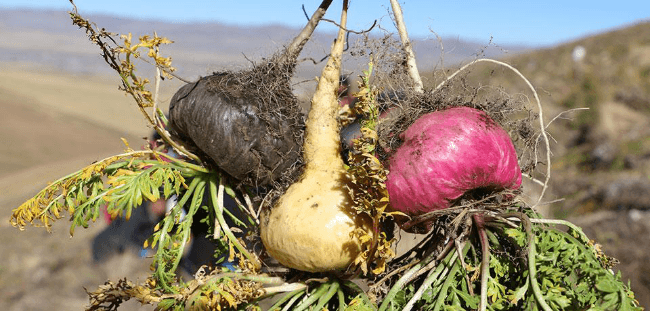
From a TCM perspective, while the general qualities of maca are consistent, the different colors of maca (yellow, red, black) are traditionally associated with nuanced benefits. Yellow maca is the most common and versatile, often used for general energy and balance. Red maca is sometimes favored for female hormone balance and bone density support, while black maca is often highlighted for male fertility and athletic performance.
While scientific validation for these specific color differences is still emerging, it reflects an ancient understanding of subtle energetic variations within the plant.
While maca is generally well-tolerated, it is crucial to approach supplementation with caution, especially if you have pre-existing health conditions or are taking medications. Individuals with impaired liver function, including those with active liver disease or liver failure, should be cautious. Although rare, there has been one reported case of acute liver injury following maca ingestion, though this appears to be an isolated occurrence not consistently seen in clinical trials.
Maca contains phytosterols that may have mild estrogenic effects. Therefore, it should be used with caution in hormone-sensitive conditions such as breast, uterine, or ovarian cancers, endometriosis, or uterine fibroids. Similarly, if you have thyroid conditions, particularly with iodine deficiency, you should avoid maca. Its glucosinolates may have goitrogenic effects, potentially interfering with thyroid function.
For those on anticoagulants, use maca with caution. While data is limited, there is theoretical antiplatelet activity. Regarding drug interactions, research is limited, with no clinically significant interactions widely reported. However, one study showed maca enhanced the blood pressure-lowering effects of losartan in hypertensive rats, suggesting potential for interaction with antihypertensive medications. Always consult your physician if you are on any medication before starting maca.
During pregnancy and lactation, maca supplementation should be avoided due to the limited amount of safety studies available. It’s always best to err on the side of caution to protect both mother and child.
Maca is more than just a trending superfood; it's a testament to the enduring wisdom found in traditional medicines. From the austere peaks of the Andes to the nuanced understanding of Traditional Chinese Medicine and the rigorous inquiry of modern science, maca’s story is one of profound resilience and adaptive power.
As we continue to navigate the complexities of contemporary health, embracing herbs like maca, with their holistic benefits and evidence-based applications, offers us a powerful pathway to reconnect with our body’s innate ability to find balance and thrive. It reminds me that often, the most potent remedies are those that have quietly supported life for generations, waiting for us to rediscover their gentle strength.
Beyond the buzz: Unearthing Maca's true potential through the ancient wisdom of Traditional Chinese Medicine – discover how this Andean superfood aligns with TCM principles for holistic hormone balance, vitality, and sexual health. Imagine a rugged mountain landscape, thousands of feet above sea level, where a humble root has sustained civilizations for millennia.
This is the story of maca, a powerhouse native to the Peruvian Andes, revered by indigenous cultures not just as food, but as a source of incredible resilience and vitality. The Incas, in particular, cherished it, using it to boost energy, enhance fertility, and fortify their warriors. Maca (Lepidium meyenii), also known as Peruvian Ginseng or Maca-maca, is a cruciferous vegetable belonging to the Brassicaceae family, resembling a turnip.
In my practice, I see it as a potent adaptogenic herb, a unique bridge between ancient remedies and modern health science, used in integrative medicine to modulate neuroendocrine function and support overall well-being.
In Traditional Chinese Medicine, we look at herbs through the lens of their nature, flavors, and the meridians they influence. Maca is considered warm in nature and sweet in flavor. Think of it as a gentle, nourishing warmth that doesn't overwhelm but steadily builds. This warm, sweet quality makes it deeply restorative, particularly for what we call the Kidney system in TCM.
The Kidneys are the root of our vitality, storing our fundamental life essence (Jing) and governing reproduction, growth, and aging. When Kidney Qi or Jing is depleted, we see symptoms like fatigue, low libido, fertility challenges, and premature aging. Maca’s warm and sweet properties are perfectly suited to nourish and replenish this vital source.
The classical text, 《本草纲目》 (Bencao Gangmu), though not originally from Peru, describes similar properties for other roots: 「玛咖生秘鲁安第斯山,根如萝卜,补肾气,强精益髓。」 (Maca originates in the Andes mountains of Peru, its root resembles a radish, it supplements Kidney Qi, strengthens essence and enriches marrow.) This succinct description directly aligns with Maca's modern recognition as an adaptogen that supports our foundational energy and reproductive health.
It doesn't act like a direct hormone, but rather helps the body achieve balance, much like a skilled conductor guiding an orchestra to harmony.
Many of my patients come to me feeling utterly drained, describing a pervasive fatigue that no amount of sleep seems to fix. In TCM, this often points to an underlying deficiency in Kidney Qi or Spleen Qi – the energy systems responsible for vitality and digestion. Maca, with its adaptogenic properties, helps the body adapt to stressors and maintain homeostasis, offering a gentle yet profound lift.
It supports natural energy production and improves physical performance, making it an excellent choice for those seeking sustained stamina. I had a patient, Sarah, a busy executive, who felt perpetually exhausted. After incorporating maca into her routine for a few weeks, she reported feeling a noticeable improvement in her daily energy and mental clarity, without the jitters she'd experienced with caffeine. This aligns with its recognized ergogenic action, enhancing exercise endurance and overall physical performance.
Low libido is a common concern that can significantly impact quality of life. From a TCM perspective, a diminished sex drive often signals a decline in Kidney Jing or a stagnation of Liver Qi. Maca has been historically used as an aphrodisiac, and modern research supports its role in enhancing sexual desire. What's truly fascinating is that it often achieves this independent of directly altering testosterone or estrogen levels. Researchers like B.C. Shin and M.S.
Lee from Pusan National University, South Korea, in a 2010 systematic review, found suggestive evidence that maca may improve sexual dysfunction or desire in healthy menopausal women and adult men, including aspects of erectile dysfunction. It seems to work by modulating neuroendocrine function and influencing endorphin pathways, which are critical for mood and pleasure.
Menopause is a natural transition, but for many women, symptoms like hot flashes, mood swings, and sleep disturbances can be challenging. In TCM, this period is often associated with a decline in Kidney Yin. Maca's adaptogenic and mood-stabilizing actions can offer significant support. Another systematic review by Shin, Lee, and Ernst in 2011 highlighted maca's favorable effects on menopausal symptoms, as measured by indices like the Kupperman Menopausal Index. I recall a patient, Mrs.
Li, who was struggling with severe hot flashes and insomnia during perimenopause. While we explored several options, adding maca to her regimen, alongside other TCM herbs, noticeably eased her symptoms within a few weeks. A 2017 study by 李惠子等 (Li Huizi et al.) in 《解放军医学院学报》 (Journal of Military Medical University) even found that compound maca preparations significantly improved memory and insomnia symptoms in menopausal women.
Both men and women can benefit from maca's fertility-enhancing properties. For men, this means improved sperm parameters – concentration, motility, and volume. A 2016 systematic review by M.S. Lee et al. from the Korea Institute of Oriental Medicine provided suggestive evidence that maca may improve semen quality parameters in both infertile and healthy men. For women, it can support ovarian function and help regulate menstrual cycles, especially when imbalances are present.
It's important to remember that maca doesn't force hormonal changes but creates a more balanced internal environment where reproductive functions can thrive.
Modern scientific inquiry has begun to unravel the mechanisms behind maca's traditional uses. The active compounds in maca – macamides (N-benzylamides), macaenes (polyunsaturated fatty acids), glucosinolates (benzyl glucosinolate), and phytosterols like beta-sitosterol and campesterol – are believed to be responsible for its diverse effects. These compounds are thought to modulate the hypothalamus-pituitary-adrenal (HPA) axis, influencing neuroendocrine function without directly introducing exogenous hormones. This makes maca a true adaptogen, helping the body restore balance.
The systematic reviews I mentioned earlier, led by researchers like B.C. Shin and M.S. Lee from institutions such as Pusan National University and the Korea Institute of Oriental Medicine, have provided a foundational understanding. Their 2010 review in the Cochrane Database of Systematic Reviews on sexual dysfunction and their 2011 review in Maturitas on menopausal symptoms, while noting limitations, consistently point to maca's potential for positive effects. A later 2016 review by Lee et al.
, also in Maturitas, echoed these findings for male fertility, specifically sperm mobility.
Beyond these, more recent research from China is exploring new avenues. A 2022 study by 彭杜等 (Peng Du et al.) published in 《营养学杂志》 (Journal of Nutrition) investigated how maca compounds exert anti-fatigue effects by modulating gut microbiota, showing improved gut diversity and reduced fatigue scores in clinical trials. This highlights a fascinating connection between maca, gut health, and overall vitality, an area functional medicine increasingly emphasizes.
Maca is most commonly consumed as a dried root powder, which can be easily integrated into your daily routine. The typical daily dosage for dried root powder is 1.5 to 3 grams. I always advise starting with a smaller amount, perhaps 1.5 grams, and gradually increasing it as your body adapts. This allows you to assess your individual response and find the optimal dose for you.
You can add the powder to your morning smoothie, whisk it into oatmeal or yogurt, or even bake it into energy bars. Its distinct malty, slightly earthy flavor pairs well with chocolate, nuts, and fruits. For those with sensitive digestion, gelatinized maca is often a good choice. This form has had the starch removed, making it easier for the body to absorb.
Maca is also available in capsule or liquid extract forms, for which you should always follow the specific instructions on the product label, as concentrations can vary.
From a TCM perspective, while the general qualities of maca are consistent, the different colors of maca (yellow, red, black) are traditionally associated with nuanced benefits. Yellow maca is the most common and versatile, often used for general energy and balance. Red maca is sometimes favored for female hormone balance and bone density support, while black maca is often highlighted for male fertility and athletic performance.
While scientific validation for these specific color differences is still emerging, it reflects an ancient understanding of subtle energetic variations within the plant.
While maca is generally well-tolerated, it is crucial to approach supplementation with caution, especially if you have pre-existing health conditions or are taking medications. Individuals with impaired liver function, including those with active liver disease or liver failure, should be cautious. Although rare, there has been one reported case of acute liver injury following maca ingestion, though this appears to be an isolated occurrence not consistently seen in clinical trials.
Maca contains phytosterols that may have mild estrogenic effects. Therefore, it should be used with caution in hormone-sensitive conditions such as breast, uterine, or ovarian cancers, endometriosis, or uterine fibroids. Similarly, if you have thyroid conditions, particularly with iodine deficiency, you should avoid maca. Its glucosinolates may have goitrogenic effects, potentially interfering with thyroid function.
For those on anticoagulants, use maca with caution. While data is limited, there is theoretical antiplatelet activity. Regarding drug interactions, research is limited, with no clinically significant interactions widely reported. However, one study showed maca enhanced the blood pressure-lowering effects of losartan in hypertensive rats, suggesting potential for interaction with antihypertensive medications. Always consult your physician if you are on any medication before starting maca.
During pregnancy and lactation, maca supplementation should be avoided due to the limited amount of safety studies available. It’s always best to err on the side of caution to protect both mother and child.
Maca is more than just a trending superfood; it's a testament to the enduring wisdom found in traditional medicines. From the austere peaks of the Andes to the nuanced understanding of Traditional Chinese Medicine and the rigorous inquiry of modern science, maca’s story is one of profound resilience and adaptive power.
As we continue to navigate the complexities of contemporary health, embracing herbs like maca, with their holistic benefits and evidence-based applications, offers us a powerful pathway to reconnect with our body’s innate ability to find balance and thrive. It reminds me that often, the most potent remedies are those that have quietly supported life for generations, waiting for us to rediscover their gentle strength.
This information is for educational purposes only and is not intended as medical advice. Always consult a qualified healthcare practitioner before using any herbal remedy.