Reishi Mushroom
Warm (温)靈芝 · Ling Zhi
Ganoderma
TCM Properties
Nature (四气)
Warm (温)Flavor (五味)
Sweet (甘)Bitter (苦)
Meridian Tropism
HeartLiverLungKidneySpleenPericardium
靈芝 · Ling Zhi
Ganoderma
Dr. Maya Chen explores Ling Zhi (Reishi mushroom), a revered adaptogen in Traditional Chinese Medicine, bridging ancient wisdom with modern science for stress, immunity, and vitality.
3-15g; Powder: 1-3g; Serious disorders: 4-5g; Tincture: 0.5-2.5ml
3-15g; Powder: 1-3g; Serious disorders: 4-5g; Tincture: 0.5-2.5ml
Simmer 3-15g of dried Ling Zhi slices in 4-6 cups of water for 30-60 minutes (or up to 2 hours for stronger brew) in a non-reactive pot. Strain and drink the liquid throughout the day. Slices can often be reused for a second decoction.
Take 1-3g of powdered Ling Zhi daily, mixed into hot water, smoothies, or coffee. For more serious disorders, a dosage of 4-5g may be considered under professional guidance.
Follow manufacturer's instructions, but a common dosage range is 0.5-2.5ml, taken 1-3 times daily, depending on product concentration and individual needs.
Simmer 3-15g of dried Ling Zhi slices in 4-6 cups of water for 30-60 minutes (or up to 2 hours for stronger brew) in a non-reactive pot. Strain and drink the liquid throughout the day. Slices can often be reused for a second decoction.
Take 1-3g of powdered Ling Zhi daily, mixed into hot water, smoothies, or coffee. For more serious disorders, a dosage of 4-5g may be considered under professional guidance.
Follow manufacturer's instructions, but a common dosage range is 0.5-2.5ml, taken 1-3 times daily, depending on product concentration and individual needs.
Clinical research supports Ling Zhi's efficacy as an adaptogen for reducing fatigue and improving well-being in stress-related conditions, and as an immune system modulator. Preliminary studies also indicate anti-proliferative properties against certain cancer cell lines, though this area requires further clinical validation. However, evidence does not support its use for treating cardiovascular risk factors in type 2 diabetes.
Moderate — Some clinical studies
Clinical research supports Ling Zhi's efficacy as an adaptogen for reducing fatigue and improving well-being in stress-related conditions, and as an immune system modulator. Preliminary studies also indicate anti-proliferative properties against certain cancer cell lines, though this area requires further clinical validation. However, evidence does not support its use for treating cardiovascular risk factors in type 2 diabetes.
Moderate — Some clinical studies
Reishi can increase the risk of bleeding (12).
Reishi can enhance immune response (8).
Reishi can increase plasma antioxidant capacity, and in theory may interact with chemotherapeutic agents that rely on free radicals (6).
In vitro, reishi polysaccharides inhibited CYP2E1, CYP1A2, and CYP3A, and may affect the intracellular concentration of drugs metabolized by these enzymes (15) (53). Clinical relevance is not known.
Insufficient Data
Reishi can increase the risk of bleeding (12).
Reishi can enhance immune response (8).
Reishi can increase plasma antioxidant capacity, and in theory may interact with chemotherapeutic agents that rely on free radicals (6).
In vitro, reishi polysaccharides inhibited CYP2E1, CYP1A2, and CYP3A, and may affect the intracellular concentration of drugs metabolized by these enzymes (15) (53). Clinical relevance is not known.
Insufficient Data
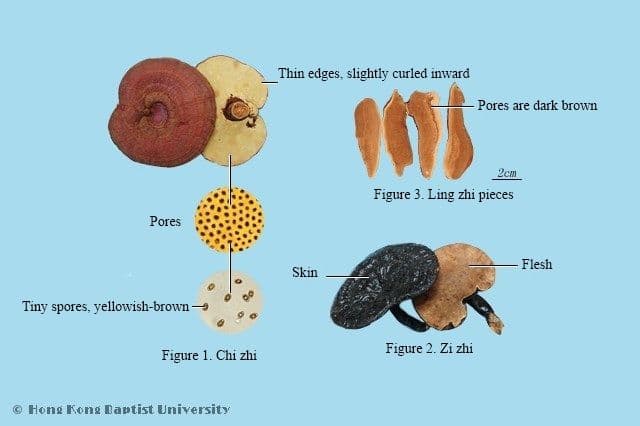
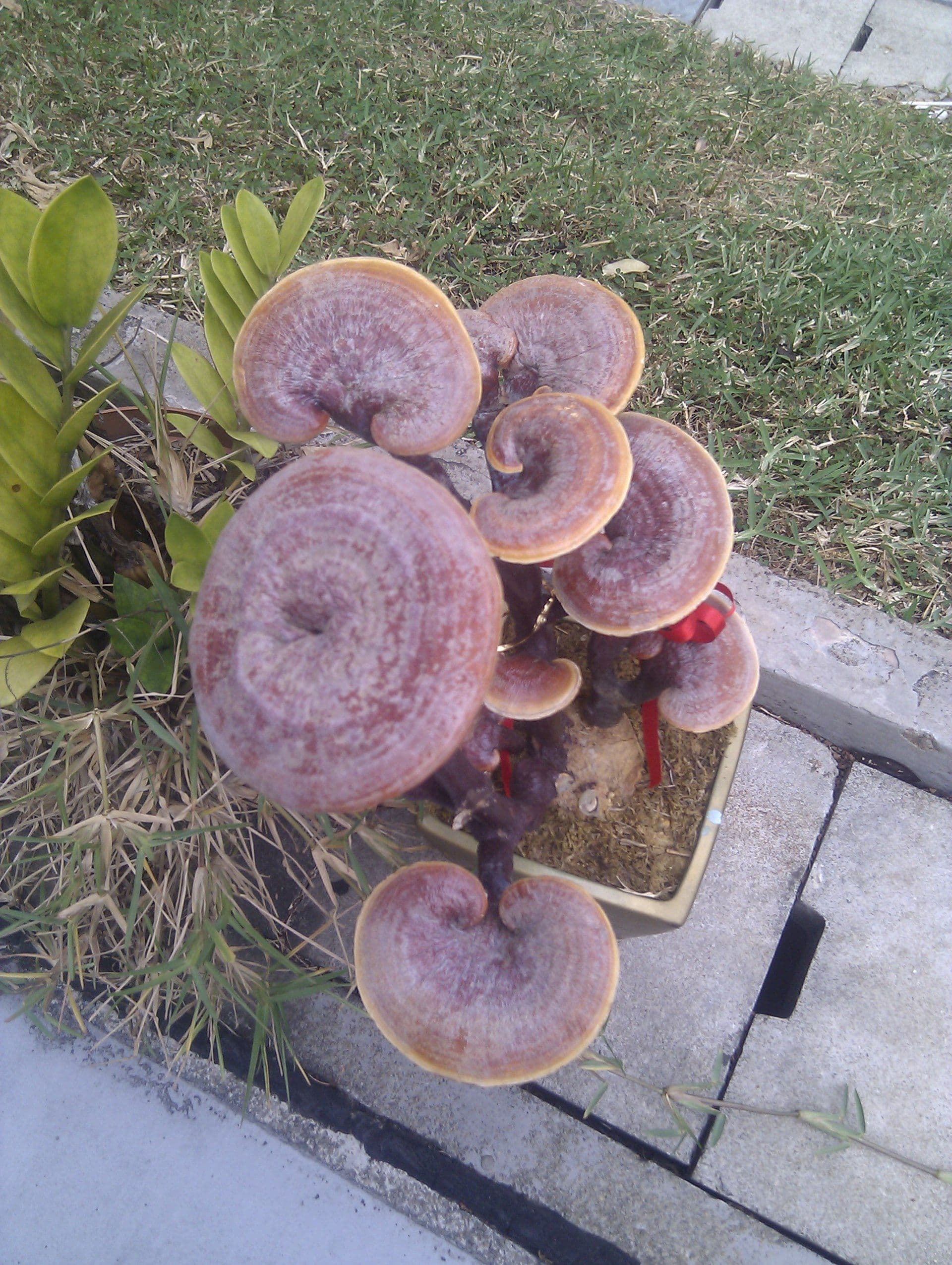
Imagine a serene Chinese landscape, mist clinging to ancient trees, and nestled at the base of a venerable oak, a striking, fan-shaped mushroom glows with an almost mystical sheen. This isn't just any fungus; this is Ling Zhi (靈芝), the revered "Mushroom of Immortality," a symbol of longevity and spiritual potency for millennia. From emperors seeking eternal life to modern individuals pursuing holistic wellness, its allure has captivated cultures across Asia.
I'm Dr. Maya Chen, and in my practice bridging Traditional Chinese Medicine (TCM) with Western functional medicine, I often see patients drawn to Ling Zhi for its profound reputation. Its story is deeply interwoven with the history of healing. The ancient text, 《神农本草经》 (Shennong Ben Cao Jing), China's earliest pharmacological treatise, elevates Ling Zhi to the status of a "superior herb," proclaiming it "主耳聋,利关节,保神益精气" – meaning it supports hearing, benefits joints, and preserves spirit and vital essence.
This isn't just poetic language; it speaks to a deep understanding of its holistic effects on the body and mind.
So, what is this ancient marvel? Ling Zhi (Ganoderma), also commonly known as Reishi Mushroom or Lucid Ganoderma, is a remarkable adaptogenic herb used in TCM primarily for tonifying vital energy (Qi), calming the spirit, and nourishing both heart and lung systems. It's a cornerstone for building resilience and balance.
From a TCM perspective, Ling Zhi holds a truly unique place. It's classified as having a Neutral (Slightly Warm) nature and Sweet, Slightly Bitter flavors. When I explain this to my patients, I often describe its neutral nature as being neither overly heating nor excessively cooling, allowing it to gently bring the body into balance without causing extremes. Think of it as a wise elder, offering measured support rather than aggressive intervention.
Its sweet flavor suggests a tonifying, harmonizing action, helping to build and nourish the body's fundamental substances, particularly Qi and Blood. The slight bitterness, on the other hand, hints at its ability to clear heat, detoxify, and dry dampness, albeit gently. This nuanced flavor profile allows Reishi to engage with multiple systems simultaneously.
Ling Zhi enters an impressive array of meridians: Heart, Liver, Lung, Kidney, Spleen, and Pericardium. This broad affinity is why it's considered such a versatile and profound tonic. In TCM, the Heart meridian governs the spirit (Shen) and blood circulation, the Liver manages the smooth flow of Qi and stores blood, the Lungs oversee Qi and immunity, the Kidneys are the root of Yin and Yang, and the Spleen is central to digestion and energy production.
By influencing these vital pathways, Reishi helps orchestrate a symphony of systemic balance. It doesn't just target one symptom; it works to restore the body's inherent wisdom. For instance, its action on the Heart and Liver meridians explains its traditional use for promoting calmness and mental clarity, while its Lung and Spleen affinity supports robust immune function and sustained energy.
Ling Zhi's extensive reach across the body’s energetic pathways translates into a spectrum of benefits that resonate deeply with modern health concerns. I often guide my patients to understand these benefits through both ancient wisdom and contemporary science.
Many of my patients, like Sarah, a busy executive struggling with chronic anxiety and restless nights, find profound relief with Reishi. In TCM, Ling Zhi excels at "Calming the Spirit (Shen)" and "Tonifying Heart Qi." When our Heart Qi is depleted or agitated, we experience symptoms like palpitations, anxiety, insomnia, and an inability to focus. Reishi gently strengthens this vital energy, anchoring the spirit and fostering a sense of inner peace.
From a Western viewpoint, this aligns with its adaptogenic properties, helping the body adapt to stress by modulating the hypothalamic-pituitary-adrenal (HPA) axis. A randomized, double-blind, placebo-controlled study led by Wenbo Tang and his team in 2005 explored the effects of a Ganoderma lucidum polysaccharide extract on neurasthenia, a condition characterized by fatigue and weakness. They found that after 8 weeks, patients taking the extract experienced a significant 15.5% reduction in Clinical Global Impression severity score and a 28.
3% reduction in their sense of fatigue, alongside improved well-being (Tang et al., 2005). This suggests a tangible impact on stress-related fatigue and overall mental state.
Reishi is a true guardian of our body's defenses. It's highly regarded for "Tonifying Lung Qi" and "Tonifying Qi and Nourishing Blood," which in TCM, directly translates to bolstering our defensive energy (Wei Qi) – our innate immune shield. When your Wei Qi is robust, you're less susceptible to environmental pathogens and recover more quickly. This traditional understanding is strongly supported by modern research into its immune-modulating compounds.
For example, the polysaccharides found in Ganoderma lucidum are well-known for their ability to enhance immune cell function, including natural killer (NK) cell activity and macrophage phagocytosis. It doesn't simply "boost" immunity; it helps regulate it, which is crucial for maintaining balance, especially in cases of overactive or underactive immune responses.
The ancient text 《本草纲目》 (Ben Cao Gang Mu), a monumental materia medica, notes that Ling Zhi "益肺气,通利口鼻," meaning it benefits Lung Qi and clears the nose and mouth – a classical recognition of its respiratory and immune support.
Beyond calming the spirit and supporting immunity, Ling Zhi is a potent tonic for overall vitality. Its actions of "Tonifying Qi and Nourishing Blood" and its affinity for the Spleen and Kidney meridians make it excellent for combating general weakness and chronic fatigue. The Spleen governs transformation and transportation, producing Qi and Blood from the food we eat. The Kidneys store our fundamental essence (Jing) and are the root of all Yin and Yang.
By supporting these core organ systems, Reishi helps rebuild foundational energy, leading to sustained stamina and a reduction in generalized tiredness. As seen in the work by Wenbo Tang and colleagues, the reduction in fatigue and improvement in well-being in patients with neurasthenia underscores this profound revitalizing effect, allowing individuals to reclaim their vigor without overstimulation.
The scientific community has increasingly turned its attention to Ling Zhi, seeking to understand the biomolecular underpinnings of its traditional uses. Much of the research focuses on its rich array of bioactive compounds, particularly polysaccharides and triterpenes (like ganoderic acids).
One significant area of investigation is Reishi's potential anti-cancer properties. Researchers S. Wachtel-Galor and I.F.F. Benzie, co-editors of Herbal Medicine: Biomolecular and Clinical Aspects, compiled research in 2011 highlighting that polysaccharide extracts from G. lucidum mycelia inhibited oncogenic ras-induced transformed foci. Furthermore, components from Reishi spores and fruiting bodies were shown to inhibit regulatory proteins in breast and prostate cancer cells, demonstrating anti-proliferative properties.
Specifically, studies observed an inhibition of cell adhesion, invasion, and colony formation of breast cancer cells (Wachtel-Galor, S. et al., 2011). More recently, preliminary findings from Chinese research groups have been exploring specific mechanisms. For example, Feng Na and colleagues in 2022, publishing in Mycosystema (菌物学报), demonstrated that Reishi triterpenes inhibit tumor growth by promoting apoptosis (programmed cell death) and inhibiting angiogenesis (new blood vessel formation to feed tumors).
Their work showed that triterpenoid compounds had an IC50 of 12.5 μmol/L against HepG2 liver cancer cells (冯娜等, 2022). Another emerging study, by Jin Min and collaborators, anticipated for publication in China Modern Applied Pharmacy (中国现代应用药学) in 2025, suggests that ganoderic acids exert anti-tumor and anti-inflammatory effects by regulating inflammatory factors and signaling pathways, noting an inhibition of TNF-α and IL-6 secretion and an induction of tumor cell apoptosis rates up to 70% (金敏等, 2025).
While promising, it's crucial to remember that much of this anti-cancer research is still in vitro or in early clinical stages, serving as a complementary approach rather than a standalone treatment.
Beyond cancer research, Ling Zhi’s impact on fatigue and well-being has been clinically studied. As I mentioned earlier, the 2005 randomized, double-blind, and placebo-controlled study by Wenbo Tang and his team found significant improvements in fatigue and overall well-being in patients with neurasthenia after 8 weeks of treatment with a Ganoderma lucidum polysaccharide extract (Tang et al., 2005). This provides a robust clinical basis for Reishi's traditional use in supporting energy and mental clarity.
However, it's equally important to approach claims with a critical eye. For instance, a systematic review by N.L. Klupp and D. Chang in 2015, published on PubMed, examined Ganoderma lucidum for cardiovascular risk factors. Their conclusion was that "evidence from a small number of randomized controlled trials does not support the use of G. lucidum for the treatment of cardiovascular risk factors (blood glucose, blood pressure, lipid profile) in people with type 2 diabetes mellitus" (Klupp, N. L.
, & Chang, D., 2015). This highlights the necessity of distinguishing between broad traditional claims and specific, validated clinical evidence. While Reishi is an incredible herb, it's not a panacea for every condition.
Incorporating Ling Zhi into your daily routine can be a deeply nourishing practice, though its preparation often requires a bit more effort than simply swallowing a capsule. Given its woody texture, Reishi is rarely eaten fresh. Instead, its beneficial compounds are typically extracted.
Decoction or Tea: The most traditional and effective way to prepare Ling Zhi involves simmering the dried mushroom slices. For a general tonic, I usually recommend using 3-15 grams of dried slices. Place the slices in a non-reactive pot (glass or ceramic are ideal) with about 4-6 cups of water. Bring to a boil, then reduce heat and simmer gently for 30-60 minutes, or even up to 2 hours for a stronger brew.
Strain and drink the liquid throughout the day. You can often reuse the slices for a second, weaker decoction.
Powdered Ling Zhi: For those seeking convenience, powdered Ling Zhi is a popular choice, often made from the ground fruiting body or its spores. The general dosage for powder is 1-3 grams daily, often mixed into hot water, smoothies, or even coffee. For more serious conditions, the dosage might increase to 4-5 grams, but this should always be guided by a qualified practitioner.
A recent study by Li Caolong and colleagues, published in China Brewing (中国酿造) in 2024, optimized ultrasonic extraction processes, boosting polysaccharide yields to 8.32% with specific power and liquid ratios (李曹龙等, 2024). This kind of research helps us understand how to maximize the extraction of beneficial compounds, whether at home or in commercial products.
Tinctures or Extracts: These are also available, offering a concentrated form that is easy to dose. A typical dosage range for a high-quality tincture is 0.5-2.5 ml, taken 1-3 times daily, depending on the concentration and individual needs. Always follow the manufacturer's specific instructions, as concentrations can vary widely.
Remember, consistency is key with adaptogenic herbs like Reishi. Its effects build over time, gently nudging your body back towards balance.
While Ling Zhi is generally well-tolerated, its potent actions mean it's crucial to approach its use with awareness and caution. As your integrative physician, I emphasize that "natural" does not automatically mean "harmless," especially when dealing with powerful medicinal herbs.
Ling Zhi should be used with caution for those with Excess conditions. In TCM, an "Excess condition" refers to situations where there is an accumulation or overactivity, such as acute infections with high fever, severe inflammation, or significant internal heat. Reishi's tonifying and immune-modulating properties might not be appropriate in these acute phases.
Some individuals may experience side effects, which can include skin rash, diarrhea, and facial flushing. If you experience any of these symptoms, discontinue use and consult with your healthcare provider.
This is a critical area where you must exercise extreme caution and always inform your physician about any herbal supplements you are taking.
Anticoagulants / Antiplatelets: Reishi can increase the risk of bleeding. This is a significant concern if you are taking medications like Warfarin (Coumadin), Aspirin, Clopidogrel (Plavix), or other blood thinners. The combination could lead to dangerous bleeding episodes.
Immunosuppressants: Reishi can enhance immune response. This means it could potentially counteract the effects of immunosuppressive drugs, which are prescribed to reduce immune activity, often for autoimmune diseases or organ transplant recipients. Medications like Cyclosporine, Azathioprine, or Prednisone could be affected.
Chemotherapeutic agents: Reishi can increase plasma antioxidant capacity, and in theory, may interact with chemotherapeutic agents. Some chemotherapies rely on oxidative stress to kill cancer cells, so increasing antioxidant capacity could potentially reduce their effectiveness. However, other research suggests Reishi might mitigate chemotherapy side effects. This is a complex interaction and requires close supervision by your oncologist.
There is insufficient research on the safety of Ling Zhi during pregnancy and breastfeeding. Out of an abundance of caution, I strongly advise against its use during these periods. It's simply not worth the potential risk to you or your baby.
Always discuss any new herbal regimen with your primary care physician or a qualified integrative medicine practitioner, especially if you have pre-existing health conditions or are taking prescription medications. Your safety is paramount.
As we've explored the world of Ling Zhi, it becomes clear that this "Mushroom of Immortality" is far more than an ancient myth. It's a testament to the enduring wisdom of Traditional Chinese Medicine, now increasingly validated and understood through the rigorous lens of modern science. My journey as an integrative physician has shown me time and again how these two seemingly disparate worlds can converge, offering profound insights into our health.
Reishi isn't a quick fix, but a gentle, profound ally, inviting us to cultivate resilience, find inner calm, and nurture our vitality from the inside out. It reminds us that sometimes, the most potent medicines are those that encourage our bodies to remember their own innate capacity for healing.
Imagine a serene Chinese landscape, mist clinging to ancient trees, and nestled at the base of a venerable oak, a striking, fan-shaped mushroom glows with an almost mystical sheen. This isn't just any fungus; this is Ling Zhi (靈芝), the revered "Mushroom of Immortality," a symbol of longevity and spiritual potency for millennia. From emperors seeking eternal life to modern individuals pursuing holistic wellness, its allure has captivated cultures across Asia.
I'm Dr. Maya Chen, and in my practice bridging Traditional Chinese Medicine (TCM) with Western functional medicine, I often see patients drawn to Ling Zhi for its profound reputation. Its story is deeply interwoven with the history of healing. The ancient text, 《神农本草经》 (Shennong Ben Cao Jing), China's earliest pharmacological treatise, elevates Ling Zhi to the status of a "superior herb," proclaiming it "主耳聋,利关节,保神益精气" – meaning it supports hearing, benefits joints, and preserves spirit and vital essence.
This isn't just poetic language; it speaks to a deep understanding of its holistic effects on the body and mind.
So, what is this ancient marvel? Ling Zhi (Ganoderma), also commonly known as Reishi Mushroom or Lucid Ganoderma, is a remarkable adaptogenic herb used in TCM primarily for tonifying vital energy (Qi), calming the spirit, and nourishing both heart and lung systems. It's a cornerstone for building resilience and balance.
From a TCM perspective, Ling Zhi holds a truly unique place. It's classified as having a Neutral (Slightly Warm) nature and Sweet, Slightly Bitter flavors. When I explain this to my patients, I often describe its neutral nature as being neither overly heating nor excessively cooling, allowing it to gently bring the body into balance without causing extremes. Think of it as a wise elder, offering measured support rather than aggressive intervention.
Its sweet flavor suggests a tonifying, harmonizing action, helping to build and nourish the body's fundamental substances, particularly Qi and Blood. The slight bitterness, on the other hand, hints at its ability to clear heat, detoxify, and dry dampness, albeit gently. This nuanced flavor profile allows Reishi to engage with multiple systems simultaneously.
Ling Zhi enters an impressive array of meridians: Heart, Liver, Lung, Kidney, Spleen, and Pericardium. This broad affinity is why it's considered such a versatile and profound tonic. In TCM, the Heart meridian governs the spirit (Shen) and blood circulation, the Liver manages the smooth flow of Qi and stores blood, the Lungs oversee Qi and immunity, the Kidneys are the root of Yin and Yang, and the Spleen is central to digestion and energy production.
By influencing these vital pathways, Reishi helps orchestrate a symphony of systemic balance. It doesn't just target one symptom; it works to restore the body's inherent wisdom. For instance, its action on the Heart and Liver meridians explains its traditional use for promoting calmness and mental clarity, while its Lung and Spleen affinity supports robust immune function and sustained energy.
Ling Zhi's extensive reach across the body’s energetic pathways translates into a spectrum of benefits that resonate deeply with modern health concerns. I often guide my patients to understand these benefits through both ancient wisdom and contemporary science.
Many of my patients, like Sarah, a busy executive struggling with chronic anxiety and restless nights, find profound relief with Reishi. In TCM, Ling Zhi excels at "Calming the Spirit (Shen)" and "Tonifying Heart Qi." When our Heart Qi is depleted or agitated, we experience symptoms like palpitations, anxiety, insomnia, and an inability to focus. Reishi gently strengthens this vital energy, anchoring the spirit and fostering a sense of inner peace.
From a Western viewpoint, this aligns with its adaptogenic properties, helping the body adapt to stress by modulating the hypothalamic-pituitary-adrenal (HPA) axis. A randomized, double-blind, placebo-controlled study led by Wenbo Tang and his team in 2005 explored the effects of a Ganoderma lucidum polysaccharide extract on neurasthenia, a condition characterized by fatigue and weakness. They found that after 8 weeks, patients taking the extract experienced a significant 15.5% reduction in Clinical Global Impression severity score and a 28.
3% reduction in their sense of fatigue, alongside improved well-being (Tang et al., 2005). This suggests a tangible impact on stress-related fatigue and overall mental state.
Reishi is a true guardian of our body's defenses. It's highly regarded for "Tonifying Lung Qi" and "Tonifying Qi and Nourishing Blood," which in TCM, directly translates to bolstering our defensive energy (Wei Qi) – our innate immune shield. When your Wei Qi is robust, you're less susceptible to environmental pathogens and recover more quickly. This traditional understanding is strongly supported by modern research into its immune-modulating compounds.
For example, the polysaccharides found in Ganoderma lucidum are well-known for their ability to enhance immune cell function, including natural killer (NK) cell activity and macrophage phagocytosis. It doesn't simply "boost" immunity; it helps regulate it, which is crucial for maintaining balance, especially in cases of overactive or underactive immune responses.
The ancient text 《本草纲目》 (Ben Cao Gang Mu), a monumental materia medica, notes that Ling Zhi "益肺气,通利口鼻," meaning it benefits Lung Qi and clears the nose and mouth – a classical recognition of its respiratory and immune support.
Beyond calming the spirit and supporting immunity, Ling Zhi is a potent tonic for overall vitality. Its actions of "Tonifying Qi and Nourishing Blood" and its affinity for the Spleen and Kidney meridians make it excellent for combating general weakness and chronic fatigue. The Spleen governs transformation and transportation, producing Qi and Blood from the food we eat. The Kidneys store our fundamental essence (Jing) and are the root of all Yin and Yang.
By supporting these core organ systems, Reishi helps rebuild foundational energy, leading to sustained stamina and a reduction in generalized tiredness. As seen in the work by Wenbo Tang and colleagues, the reduction in fatigue and improvement in well-being in patients with neurasthenia underscores this profound revitalizing effect, allowing individuals to reclaim their vigor without overstimulation.
The scientific community has increasingly turned its attention to Ling Zhi, seeking to understand the biomolecular underpinnings of its traditional uses. Much of the research focuses on its rich array of bioactive compounds, particularly polysaccharides and triterpenes (like ganoderic acids).
One significant area of investigation is Reishi's potential anti-cancer properties. Researchers S. Wachtel-Galor and I.F.F. Benzie, co-editors of Herbal Medicine: Biomolecular and Clinical Aspects, compiled research in 2011 highlighting that polysaccharide extracts from G. lucidum mycelia inhibited oncogenic ras-induced transformed foci. Furthermore, components from Reishi spores and fruiting bodies were shown to inhibit regulatory proteins in breast and prostate cancer cells, demonstrating anti-proliferative properties.
Specifically, studies observed an inhibition of cell adhesion, invasion, and colony formation of breast cancer cells (Wachtel-Galor, S. et al., 2011). More recently, preliminary findings from Chinese research groups have been exploring specific mechanisms. For example, Feng Na and colleagues in 2022, publishing in Mycosystema (菌物学报), demonstrated that Reishi triterpenes inhibit tumor growth by promoting apoptosis (programmed cell death) and inhibiting angiogenesis (new blood vessel formation to feed tumors).
Their work showed that triterpenoid compounds had an IC50 of 12.5 μmol/L against HepG2 liver cancer cells (冯娜等, 2022). Another emerging study, by Jin Min and collaborators, anticipated for publication in China Modern Applied Pharmacy (中国现代应用药学) in 2025, suggests that ganoderic acids exert anti-tumor and anti-inflammatory effects by regulating inflammatory factors and signaling pathways, noting an inhibition of TNF-α and IL-6 secretion and an induction of tumor cell apoptosis rates up to 70% (金敏等, 2025).
While promising, it's crucial to remember that much of this anti-cancer research is still in vitro or in early clinical stages, serving as a complementary approach rather than a standalone treatment.
Beyond cancer research, Ling Zhi’s impact on fatigue and well-being has been clinically studied. As I mentioned earlier, the 2005 randomized, double-blind, and placebo-controlled study by Wenbo Tang and his team found significant improvements in fatigue and overall well-being in patients with neurasthenia after 8 weeks of treatment with a Ganoderma lucidum polysaccharide extract (Tang et al., 2005). This provides a robust clinical basis for Reishi's traditional use in supporting energy and mental clarity.
However, it's equally important to approach claims with a critical eye. For instance, a systematic review by N.L. Klupp and D. Chang in 2015, published on PubMed, examined Ganoderma lucidum for cardiovascular risk factors. Their conclusion was that "evidence from a small number of randomized controlled trials does not support the use of G. lucidum for the treatment of cardiovascular risk factors (blood glucose, blood pressure, lipid profile) in people with type 2 diabetes mellitus" (Klupp, N. L.
, & Chang, D., 2015). This highlights the necessity of distinguishing between broad traditional claims and specific, validated clinical evidence. While Reishi is an incredible herb, it's not a panacea for every condition.
Incorporating Ling Zhi into your daily routine can be a deeply nourishing practice, though its preparation often requires a bit more effort than simply swallowing a capsule. Given its woody texture, Reishi is rarely eaten fresh. Instead, its beneficial compounds are typically extracted.
Decoction or Tea: The most traditional and effective way to prepare Ling Zhi involves simmering the dried mushroom slices. For a general tonic, I usually recommend using 3-15 grams of dried slices. Place the slices in a non-reactive pot (glass or ceramic are ideal) with about 4-6 cups of water. Bring to a boil, then reduce heat and simmer gently for 30-60 minutes, or even up to 2 hours for a stronger brew.
Strain and drink the liquid throughout the day. You can often reuse the slices for a second, weaker decoction.
Powdered Ling Zhi: For those seeking convenience, powdered Ling Zhi is a popular choice, often made from the ground fruiting body or its spores. The general dosage for powder is 1-3 grams daily, often mixed into hot water, smoothies, or even coffee. For more serious conditions, the dosage might increase to 4-5 grams, but this should always be guided by a qualified practitioner.
A recent study by Li Caolong and colleagues, published in China Brewing (中国酿造) in 2024, optimized ultrasonic extraction processes, boosting polysaccharide yields to 8.32% with specific power and liquid ratios (李曹龙等, 2024). This kind of research helps us understand how to maximize the extraction of beneficial compounds, whether at home or in commercial products.
Tinctures or Extracts: These are also available, offering a concentrated form that is easy to dose. A typical dosage range for a high-quality tincture is 0.5-2.5 ml, taken 1-3 times daily, depending on the concentration and individual needs. Always follow the manufacturer's specific instructions, as concentrations can vary widely.
Remember, consistency is key with adaptogenic herbs like Reishi. Its effects build over time, gently nudging your body back towards balance.
While Ling Zhi is generally well-tolerated, its potent actions mean it's crucial to approach its use with awareness and caution. As your integrative physician, I emphasize that "natural" does not automatically mean "harmless," especially when dealing with powerful medicinal herbs.
Ling Zhi should be used with caution for those with Excess conditions. In TCM, an "Excess condition" refers to situations where there is an accumulation or overactivity, such as acute infections with high fever, severe inflammation, or significant internal heat. Reishi's tonifying and immune-modulating properties might not be appropriate in these acute phases.
Some individuals may experience side effects, which can include skin rash, diarrhea, and facial flushing. If you experience any of these symptoms, discontinue use and consult with your healthcare provider.
This is a critical area where you must exercise extreme caution and always inform your physician about any herbal supplements you are taking.
Anticoagulants / Antiplatelets: Reishi can increase the risk of bleeding. This is a significant concern if you are taking medications like Warfarin (Coumadin), Aspirin, Clopidogrel (Plavix), or other blood thinners. The combination could lead to dangerous bleeding episodes.
Immunosuppressants: Reishi can enhance immune response. This means it could potentially counteract the effects of immunosuppressive drugs, which are prescribed to reduce immune activity, often for autoimmune diseases or organ transplant recipients. Medications like Cyclosporine, Azathioprine, or Prednisone could be affected.
Chemotherapeutic agents: Reishi can increase plasma antioxidant capacity, and in theory, may interact with chemotherapeutic agents. Some chemotherapies rely on oxidative stress to kill cancer cells, so increasing antioxidant capacity could potentially reduce their effectiveness. However, other research suggests Reishi might mitigate chemotherapy side effects. This is a complex interaction and requires close supervision by your oncologist.
There is insufficient research on the safety of Ling Zhi during pregnancy and breastfeeding. Out of an abundance of caution, I strongly advise against its use during these periods. It's simply not worth the potential risk to you or your baby.
Always discuss any new herbal regimen with your primary care physician or a qualified integrative medicine practitioner, especially if you have pre-existing health conditions or are taking prescription medications. Your safety is paramount.
As we've explored the world of Ling Zhi, it becomes clear that this "Mushroom of Immortality" is far more than an ancient myth. It's a testament to the enduring wisdom of Traditional Chinese Medicine, now increasingly validated and understood through the rigorous lens of modern science. My journey as an integrative physician has shown me time and again how these two seemingly disparate worlds can converge, offering profound insights into our health.
Reishi isn't a quick fix, but a gentle, profound ally, inviting us to cultivate resilience, find inner calm, and nurture our vitality from the inside out. It reminds us that sometimes, the most potent medicines are those that encourage our bodies to remember their own innate capacity for healing.
This information is for educational purposes only and is not intended as medical advice. Always consult a qualified healthcare practitioner before using any herbal remedy.