黄芩 · Huang Qin
Radix Scutellariae
Discover Huang Qin, a cornerstone of Traditional Chinese Medicine, known for its potent ability to clear heat and dry dampness. This golden root is now gaining scientific attention for its anti-inflammatory, neuroprotective, and mood-supporting properties.
3-18g Tincture: 2-4 ml
For a traditional decoction, boil 3-18 grams of dried Huang Qin root slices in 2-3 cups of water for 20-30 minutes. Strain and drink the liquid. This method extracts the full spectrum of compounds, but the taste can be quite bitter. For a simpler tea, steep 5-10g in hot water for 15 minutes.
Finely ground Huang Qin powder can be mixed into water, juice, or smoothies. A typical dose might range from 1-3 grams, taken 1-3 times daily, but this should be guided by a practitioner. The powder form is potent, so start with a lower dose.
Huang Qin tinctures offer a concentrated form. The common dosage is 2-4 ml, 2-3 times per day, diluted in a small amount of water. Always follow the specific instructions on the product label or the guidance of a qualified herbalist, as concentrations can vary.
For a traditional decoction, boil 3-18 grams of dried Huang Qin root slices in 2-3 cups of water for 20-30 minutes. Strain and drink the liquid. This method extracts the full spectrum of compounds, but the taste can be quite bitter. For a simpler tea, steep 5-10g in hot water for 15 minutes.
Finely ground Huang Qin powder can be mixed into water, juice, or smoothies. A typical dose might range from 1-3 grams, taken 1-3 times daily, but this should be guided by a practitioner. The powder form is potent, so start with a lower dose.
Huang Qin tinctures offer a concentrated form. The common dosage is 2-4 ml, 2-3 times per day, diluted in a small amount of water. Always follow the specific instructions on the product label or the guidance of a qualified herbalist, as concentrations can vary.
The evidence base for Huang Qin includes extensive traditional use spanning millennia, supported by a growing body of preclinical and in vitro studies demonstrating its anti-inflammatory, antiviral, and neuroprotective properties. Human safety data exists for specific formulations, but large-scale clinical trials on efficacy for many conditions are still emerging, warranting a cautious, evidence-informed approach.
Preliminary — In vitro / animal studies
The evidence base for Huang Qin includes extensive traditional use spanning millennia, supported by a growing body of preclinical and in vitro studies demonstrating its anti-inflammatory, antiviral, and neuroprotective properties. Human safety data exists for specific formulations, but large-scale clinical trials on efficacy for many conditions are still emerging, warranting a cautious, evidence-informed approach.
Preliminary — In vitro / animal studies
Insufficient Data
Insufficient Data
Imagine a root, unassuming in appearance, yet vibrant with a golden yellow interior, holding centuries of healing wisdom. This is Huang Qin (Radix Scutellariae), a cornerstone of Traditional Chinese Medicine (TCM) whose name literally translates to “yellow qin” – a nod to its brilliant hue and revered status. In ancient texts, this herb was already recognized for its profound effects.
The 《神农本草经》, one of the earliest Chinese pharmacology texts, states it “primarily treats various fevers and jaundice, intestinal dysentery, expels water, and stops bleeding.” This ancient observation hints at Huang Qin’s primary role: to clear heat and dry dampness from the body.
Huang Qin (Radix Scutellariae), also known as Scute, Baical Skullcap Root, or simply Scutellaria, is a cold-natured, bitter, and astringent herb used in Traditional Chinese Medicine (TCM) primarily for clearing heat and drying dampness. Today, as an integrative medicine physician, I see a fascinating convergence where modern research begins to validate the centuries-old wisdom surrounding this remarkable plant. We're looking beyond its ancient roots and into its cutting-edge potential for anti-inflammatory, antiviral, and even neuroprotective properties.
In the world of TCM, every herb has a unique energetic signature. Huang Qin's signature is distinctly cold. Think of it as the body's natural cooling system, adept at quelling internal fires. Its bitter flavor signifies its ability to drain downward, purging excess from the body, while its astringent quality helps to consolidate and prevent leakage.
This combination makes it a powerful agent against what we call damp-heat – a pervasive pattern in TCM that can manifest as inflammation, infections, or sticky discharges.
Huang Qin primarily enters the Lung, Stomach, Gallbladder, Large Intestine, Heart, Small Intestine, and Liver meridians. This wide range of meridian affinities means it can address imbalances across many organ systems. For instance, its action on the Lung meridian helps clear heat from the respiratory system, useful for coughs with yellow phlegm or sore throats.
Its affinity for the Liver meridian is crucial for 'draining Liver Fire' and 'calming ascending Liver Yang' – TCM terms for addressing issues like irritability, headaches, or even certain forms of anxiety stemming from an overactive liver energy.
I recall a patient, a busy executive named Sarah, who came to me with persistent headaches, flushing, and a short temper. Western diagnostics found no structural issues, but in TCM, her pulse was wiry, and her tongue was red with yellow coating – classic signs of Liver Fire. Huang Qin was a key herb in her formula. Over several weeks, the cooling and draining properties of the herb, combined with other modalities, helped to settle her internal heat.
Sarah reported fewer headaches, a calmer demeanor, and a significant reduction in her irritability. This is a beautiful example of how an ancient herb, precisely applied, can bring balance where modern medicine might struggle to find a cause.
Do you often feel overheated, perhaps experiencing red eyes, a flushed face, or a rapid pulse? In TCM, these are signs of internal heat or fire. Huang Qin excels at Clearing Heat and drying Dampness, and Draining Fire and detoxifying. Modern science resonates with this, identifying powerful compounds like baicalin and baicalein within Huang Qin that exhibit significant anti-inflammatory properties. These compounds can modulate inflammatory pathways, helping to quell the systemic inflammation that contributes to many chronic conditions.
It's a natural way to cool down an overheated internal environment.
The mind and body are intricately linked. When our internal 'fire' is out of control, it can manifest as irritability, restlessness, or even a low mood. Huang Qin's action to Calm ascending Liver Yang addresses this. Intriguing pre-clinical research, including a 2024 meta-analysis published in Naunyn-Schmiedeberg's Archives of Pharmacology, suggests that Scutellaria baicalensis can alleviate depressive behaviors and modulate underlying mechanisms, showing promise as an antidepressant.
While human studies are still needed, this points to a potential neuroprotective and mood-supporting role, aligning with its traditional calming effects.
In TCM, Draining Fire and detoxifying means it helps the body fight off pathogenic influences. This aligns remarkably with modern findings on its immune-modulating and antimicrobial properties. What's particularly exciting is Huang Qin's synergistic effect with beta-lactam antibiotics like ampicillin and amoxicillin. It can help restore these drugs' effectiveness against resistant bacteria such as MRSA.
This isn't just a fascinating lab finding; it's a potential game-changer in the fight against antibiotic resistance, suggesting a future where traditional herbs might enhance conventional treatments.
For those experiencing digestive discomfort stemming from damp-heat in the digestive system – think of conditions like loose stools, dysentery, or a feeling of heaviness – Huang Qin's ability to Clear Heat and dry Dampness is invaluable. It helps to resolve the underlying imbalance, promoting a healthier microbial environment and soothing the gut. The 《本草纲目》 records Huang Qin as effective for 'clearing heat and benefiting the gallbladder,' which supports healthy digestion and detoxification.
The scientific community is increasingly turning its attention to Huang Qin, particularly its primary active compounds: baicalin, baicalein, and wogonin. These flavonoids are at the heart of many of the herb's observed effects.
Beyond its established anti-inflammatory and antimicrobial actions, recent research highlights its potential in areas like mental health. The 2024 meta-analysis of 13 preclinical studies in Naunyn-Schmiedeberg's Archives of Pharmacology concluded that Scutellaria baicalensis significantly alleviated depressive behaviors in animal models. This suggests a role in modulating neurotransmitters and neuroinflammation, offering hope for natural approaches to mood support.
Furthermore, a 2023 review in the Journal of Integrative Medicine summarized the current understanding of S. baicalensis root’s major chemical components and their potential therapeutic effects in pregnancy-related disorders like preeclampsia and gestational diabetes mellitus. While this is an exciting area of exploration into mechanisms, it’s critical to remember that this is a review of potential, not a recommendation for use in pregnancy due to other safety considerations.
For long-term use, safety is always a primary concern. A 2019 study in the Journal of Dietary Supplements tracked 17 patients who took a relatively high dose of Scutellaria baicalensis (1335 mg dried root daily for an average of 444 days). It found no biochemical or clinical evidence of hepatic dysfunction, offering reassurance regarding its safety profile for prolonged periods under professional guidance.
Traditional Chinese research also continues to refine our understanding. Professor Zhang Lei's team, in the 中华中医药杂志 (2023), highlighted Huang Qin's pairing principles, such as combining it with Chai Hu (Bupleurum) for Shaoyang (half interior, half exterior) heat patterns. Furthermore, studies by Qian Jinxiu et al. (2023) and Wu You et al.
(2021) in Chinese journals meticulously distinguish between 枯芩 (Ku Qin), the dried outer root used for upper body heat like respiratory infections, and 条芩 (Tiao Qin), the inner root for lower body damp-heat like urinary tract inflammation. This depth of understanding ensures targeted, effective use.
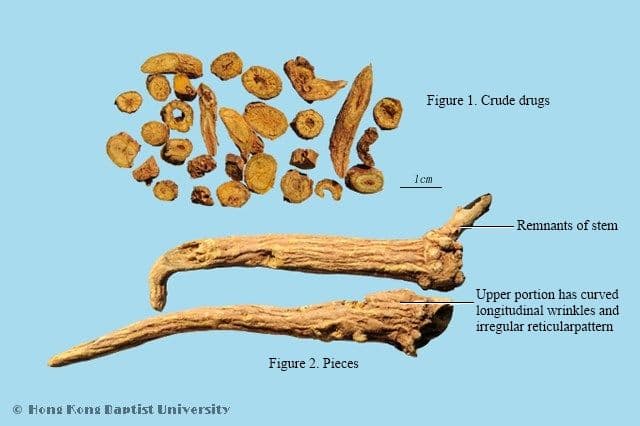
Huang Qin is most commonly encountered as dried root slices or granules for decoction, though tinctures and encapsulated powders are also available. Because of its intense bitterness, it's rarely consumed directly, but rather as a medicinal preparation.
The traditional way to prepare Huang Qin is by decoction. Take 3 to 18 grams of the dried root slices. Place them in a ceramic or glass pot with 2-3 cups of water and bring to a boil. Reduce heat and simmer for 20-30 minutes. Strain the liquid and drink it warm. This method extracts the full spectrum of beneficial compounds.
Remember, the taste is intensely bitter, so it's often combined with other herbs in a formula to balance the flavor and enhance therapeutic action.
For convenience, Huang Qin is available in tincture or encapsulated powder forms. For tinctures, a typical dosage is 2-4 ml, taken 2-3 times daily, usually diluted in water. Capsules typically contain standardized extracts or powdered root. Always follow the manufacturer's recommended dosage or, preferably, the advice of a qualified herbal practitioner who can tailor the dose to your specific needs and constitutional pattern. Modern research by Wu You et al.
(2021) suggests that Ku Qin (dried outer root) is often used in smaller doses (6-9g) for respiratory issues, while Tiao Qin (inner root) might be used in higher quantities (12-15g) for lower body damp-heat conditions.
While Huang Qin offers numerous benefits, its potent nature means it's not for everyone. As an integrative physician, I emphasize that understanding contraindications is as important as knowing the benefits.
Huang Qin is contraindicated for those with Deficiency Cold in the Middle Jiao (spleen/stomach), which might manifest as chronic digestive weakness, poor appetite, or cold extremities. It is also contraindicated for those with Cold diarrhea, as its cold nature would worsen such conditions. Individuals with Deficiency Heat in the Lungs (a type of heat caused by lack of fluids, not excess fire) should also avoid it.
Use extreme caution for those with a restless fetus due to Cold, and generally avoid during pregnancy unless specifically prescribed by a qualified practitioner who understands your individual pattern. Caution is also advised for those with Blood Deficiency with abdominal pain, edema due to Spleen Deficiency, loose stools due to Kidney Deficiency, or amenorrhea due to Blood Deficiency. Its drying and draining properties could aggravate these deficiency patterns.
As mentioned, Huang Qin may have a synergistic effect with beta-lactam antibiotics such as ampicillin, amoxicillin, and cefotaxime, potentially enhancing their efficacy against resistant bacterial strains like Staphylococcus aureus and MRSA. While this can be beneficial, it means careful monitoring and professional guidance are essential if you are taking these medications. Always inform your prescribing doctor or pharmacist about any herbal supplements you are using to prevent unexpected interactions or to leverage potential synergistic benefits safely.
Huang Qin stands as a testament to the enduring wisdom of Traditional Chinese Medicine, now increasingly illuminated by the lens of modern science. From calming internal heat to supporting our immune system and even influencing our mood, its multifaceted actions offer a profound opportunity to understand and support our bodies holistically. As we continue to unravel its complexities, we are reminded that sometimes, the oldest remedies hold the newest promises, inviting us to look to nature for balanced health.
Imagine a root, unassuming in appearance, yet vibrant with a golden yellow interior, holding centuries of healing wisdom. This is Huang Qin (Radix Scutellariae), a cornerstone of Traditional Chinese Medicine (TCM) whose name literally translates to “yellow qin” – a nod to its brilliant hue and revered status. In ancient texts, this herb was already recognized for its profound effects.
The 《神农本草经》, one of the earliest Chinese pharmacology texts, states it “primarily treats various fevers and jaundice, intestinal dysentery, expels water, and stops bleeding.” This ancient observation hints at Huang Qin’s primary role: to clear heat and dry dampness from the body.
Huang Qin (Radix Scutellariae), also known as Scute, Baical Skullcap Root, or simply Scutellaria, is a cold-natured, bitter, and astringent herb used in Traditional Chinese Medicine (TCM) primarily for clearing heat and drying dampness. Today, as an integrative medicine physician, I see a fascinating convergence where modern research begins to validate the centuries-old wisdom surrounding this remarkable plant. We're looking beyond its ancient roots and into its cutting-edge potential for anti-inflammatory, antiviral, and even neuroprotective properties.
In the world of TCM, every herb has a unique energetic signature. Huang Qin's signature is distinctly cold. Think of it as the body's natural cooling system, adept at quelling internal fires. Its bitter flavor signifies its ability to drain downward, purging excess from the body, while its astringent quality helps to consolidate and prevent leakage.
This combination makes it a powerful agent against what we call damp-heat – a pervasive pattern in TCM that can manifest as inflammation, infections, or sticky discharges.
Huang Qin primarily enters the Lung, Stomach, Gallbladder, Large Intestine, Heart, Small Intestine, and Liver meridians. This wide range of meridian affinities means it can address imbalances across many organ systems. For instance, its action on the Lung meridian helps clear heat from the respiratory system, useful for coughs with yellow phlegm or sore throats.
Its affinity for the Liver meridian is crucial for 'draining Liver Fire' and 'calming ascending Liver Yang' – TCM terms for addressing issues like irritability, headaches, or even certain forms of anxiety stemming from an overactive liver energy.
I recall a patient, a busy executive named Sarah, who came to me with persistent headaches, flushing, and a short temper. Western diagnostics found no structural issues, but in TCM, her pulse was wiry, and her tongue was red with yellow coating – classic signs of Liver Fire. Huang Qin was a key herb in her formula. Over several weeks, the cooling and draining properties of the herb, combined with other modalities, helped to settle her internal heat.
Sarah reported fewer headaches, a calmer demeanor, and a significant reduction in her irritability. This is a beautiful example of how an ancient herb, precisely applied, can bring balance where modern medicine might struggle to find a cause.
Do you often feel overheated, perhaps experiencing red eyes, a flushed face, or a rapid pulse? In TCM, these are signs of internal heat or fire. Huang Qin excels at Clearing Heat and drying Dampness, and Draining Fire and detoxifying. Modern science resonates with this, identifying powerful compounds like baicalin and baicalein within Huang Qin that exhibit significant anti-inflammatory properties. These compounds can modulate inflammatory pathways, helping to quell the systemic inflammation that contributes to many chronic conditions.
It's a natural way to cool down an overheated internal environment.
The mind and body are intricately linked. When our internal 'fire' is out of control, it can manifest as irritability, restlessness, or even a low mood. Huang Qin's action to Calm ascending Liver Yang addresses this. Intriguing pre-clinical research, including a 2024 meta-analysis published in Naunyn-Schmiedeberg's Archives of Pharmacology, suggests that Scutellaria baicalensis can alleviate depressive behaviors and modulate underlying mechanisms, showing promise as an antidepressant.
While human studies are still needed, this points to a potential neuroprotective and mood-supporting role, aligning with its traditional calming effects.
In TCM, Draining Fire and detoxifying means it helps the body fight off pathogenic influences. This aligns remarkably with modern findings on its immune-modulating and antimicrobial properties. What's particularly exciting is Huang Qin's synergistic effect with beta-lactam antibiotics like ampicillin and amoxicillin. It can help restore these drugs' effectiveness against resistant bacteria such as MRSA.
This isn't just a fascinating lab finding; it's a potential game-changer in the fight against antibiotic resistance, suggesting a future where traditional herbs might enhance conventional treatments.
For those experiencing digestive discomfort stemming from damp-heat in the digestive system – think of conditions like loose stools, dysentery, or a feeling of heaviness – Huang Qin's ability to Clear Heat and dry Dampness is invaluable. It helps to resolve the underlying imbalance, promoting a healthier microbial environment and soothing the gut. The 《本草纲目》 records Huang Qin as effective for 'clearing heat and benefiting the gallbladder,' which supports healthy digestion and detoxification.
The scientific community is increasingly turning its attention to Huang Qin, particularly its primary active compounds: baicalin, baicalein, and wogonin. These flavonoids are at the heart of many of the herb's observed effects.
Beyond its established anti-inflammatory and antimicrobial actions, recent research highlights its potential in areas like mental health. The 2024 meta-analysis of 13 preclinical studies in Naunyn-Schmiedeberg's Archives of Pharmacology concluded that Scutellaria baicalensis significantly alleviated depressive behaviors in animal models. This suggests a role in modulating neurotransmitters and neuroinflammation, offering hope for natural approaches to mood support.
Furthermore, a 2023 review in the Journal of Integrative Medicine summarized the current understanding of S. baicalensis root’s major chemical components and their potential therapeutic effects in pregnancy-related disorders like preeclampsia and gestational diabetes mellitus. While this is an exciting area of exploration into mechanisms, it’s critical to remember that this is a review of potential, not a recommendation for use in pregnancy due to other safety considerations.
For long-term use, safety is always a primary concern. A 2019 study in the Journal of Dietary Supplements tracked 17 patients who took a relatively high dose of Scutellaria baicalensis (1335 mg dried root daily for an average of 444 days). It found no biochemical or clinical evidence of hepatic dysfunction, offering reassurance regarding its safety profile for prolonged periods under professional guidance.
Traditional Chinese research also continues to refine our understanding. Professor Zhang Lei's team, in the 中华中医药杂志 (2023), highlighted Huang Qin's pairing principles, such as combining it with Chai Hu (Bupleurum) for Shaoyang (half interior, half exterior) heat patterns. Furthermore, studies by Qian Jinxiu et al. (2023) and Wu You et al.
(2021) in Chinese journals meticulously distinguish between 枯芩 (Ku Qin), the dried outer root used for upper body heat like respiratory infections, and 条芩 (Tiao Qin), the inner root for lower body damp-heat like urinary tract inflammation. This depth of understanding ensures targeted, effective use.
Huang Qin is most commonly encountered as dried root slices or granules for decoction, though tinctures and encapsulated powders are also available. Because of its intense bitterness, it's rarely consumed directly, but rather as a medicinal preparation.
The traditional way to prepare Huang Qin is by decoction. Take 3 to 18 grams of the dried root slices. Place them in a ceramic or glass pot with 2-3 cups of water and bring to a boil. Reduce heat and simmer for 20-30 minutes. Strain the liquid and drink it warm. This method extracts the full spectrum of beneficial compounds.
Remember, the taste is intensely bitter, so it's often combined with other herbs in a formula to balance the flavor and enhance therapeutic action.
For convenience, Huang Qin is available in tincture or encapsulated powder forms. For tinctures, a typical dosage is 2-4 ml, taken 2-3 times daily, usually diluted in water. Capsules typically contain standardized extracts or powdered root. Always follow the manufacturer's recommended dosage or, preferably, the advice of a qualified herbal practitioner who can tailor the dose to your specific needs and constitutional pattern. Modern research by Wu You et al.
(2021) suggests that Ku Qin (dried outer root) is often used in smaller doses (6-9g) for respiratory issues, while Tiao Qin (inner root) might be used in higher quantities (12-15g) for lower body damp-heat conditions.
While Huang Qin offers numerous benefits, its potent nature means it's not for everyone. As an integrative physician, I emphasize that understanding contraindications is as important as knowing the benefits.
Huang Qin is contraindicated for those with Deficiency Cold in the Middle Jiao (spleen/stomach), which might manifest as chronic digestive weakness, poor appetite, or cold extremities. It is also contraindicated for those with Cold diarrhea, as its cold nature would worsen such conditions. Individuals with Deficiency Heat in the Lungs (a type of heat caused by lack of fluids, not excess fire) should also avoid it.
Use extreme caution for those with a restless fetus due to Cold, and generally avoid during pregnancy unless specifically prescribed by a qualified practitioner who understands your individual pattern. Caution is also advised for those with Blood Deficiency with abdominal pain, edema due to Spleen Deficiency, loose stools due to Kidney Deficiency, or amenorrhea due to Blood Deficiency. Its drying and draining properties could aggravate these deficiency patterns.
As mentioned, Huang Qin may have a synergistic effect with beta-lactam antibiotics such as ampicillin, amoxicillin, and cefotaxime, potentially enhancing their efficacy against resistant bacterial strains like Staphylococcus aureus and MRSA. While this can be beneficial, it means careful monitoring and professional guidance are essential if you are taking these medications. Always inform your prescribing doctor or pharmacist about any herbal supplements you are using to prevent unexpected interactions or to leverage potential synergistic benefits safely.
Huang Qin stands as a testament to the enduring wisdom of Traditional Chinese Medicine, now increasingly illuminated by the lens of modern science. From calming internal heat to supporting our immune system and even influencing our mood, its multifaceted actions offer a profound opportunity to understand and support our bodies holistically. As we continue to unravel its complexities, we are reminded that sometimes, the oldest remedies hold the newest promises, inviting us to look to nature for balanced health.
This information is for educational purposes only and is not intended as medical advice. Always consult a qualified healthcare practitioner before using any herbal remedy.