Eucommia Bark
Warm (温)杜仲 · Du Zhong
Cortex Eucommiae
TCM Properties
Nature (四气)
Warm (温)Flavor (五味)
Sweet (甘)Pungent (辛)Astringent (涩)
Meridian Tropism
KidneyLiverHeart
杜仲 · Du Zhong
Cortex Eucommiae
Discover Du Zhong (Eucommia Bark), a revered herb in Traditional Chinese Medicine, now validated by modern science for its profound benefits on bone density, kidney function, and cardiovascular health. Learn how this powerful bark can be integrated into your wellness routine.
8-16g Tincture: 2-4ml
8-16g Tincture: 2-4ml
For a traditional decoction, use 8-16 grams of dried Du Zhong bark. Combine the bark with 2-3 cups of water in a non-metallic pot. Bring to a boil, then reduce heat and simmer gently for 20-30 minutes, or until the liquid has reduced by about one-third. Strain and drink warm. This can be prepared once or twice daily.
If using a prepared tincture, the typical dosage is 2-4 ml, taken 2-3 times daily. Always follow the specific instructions on the product label, as concentrations can vary. Tinctures offer a convenient way to consume the herb without preparation.
For powdered Du Zhong or capsules, dosages typically range from 1-3 grams per day, divided into 2-3 doses. These forms are convenient for daily supplementation and can be easily incorporated into a routine. Ensure the powder is from a reputable source, ideally ground from the raw bark.
For a traditional decoction, use 8-16 grams of dried Du Zhong bark. Combine the bark with 2-3 cups of water in a non-metallic pot. Bring to a boil, then reduce heat and simmer gently for 20-30 minutes, or until the liquid has reduced by about one-third. Strain and drink warm. This can be prepared once or twice daily.
If using a prepared tincture, the typical dosage is 2-4 ml, taken 2-3 times daily. Always follow the specific instructions on the product label, as concentrations can vary. Tinctures offer a convenient way to consume the herb without preparation.
For powdered Du Zhong or capsules, dosages typically range from 1-3 grams per day, divided into 2-3 doses. These forms are convenient for daily supplementation and can be easily incorporated into a routine. Ensure the powder is from a reputable source, ideally ground from the raw bark.
Research has increasingly validated Du Zhong's traditional uses, with preclinical and some human studies demonstrating its efficacy in blood pressure regulation, kidney protection (particularly in diabetic models), and bone health. Active compounds like lignans and flavonoids are identified as key contributors to these effects, showing moderate evidence for its therapeutic potential.
Moderate — Some clinical studies
Research has increasingly validated Du Zhong's traditional uses, with preclinical and some human studies demonstrating its efficacy in blood pressure regulation, kidney protection (particularly in diabetic models), and bone health. Active compounds like lignans and flavonoids are identified as key contributors to these effects, showing moderate evidence for its therapeutic potential.
Moderate — Some clinical studies
Insufficient Data
Insufficient Data
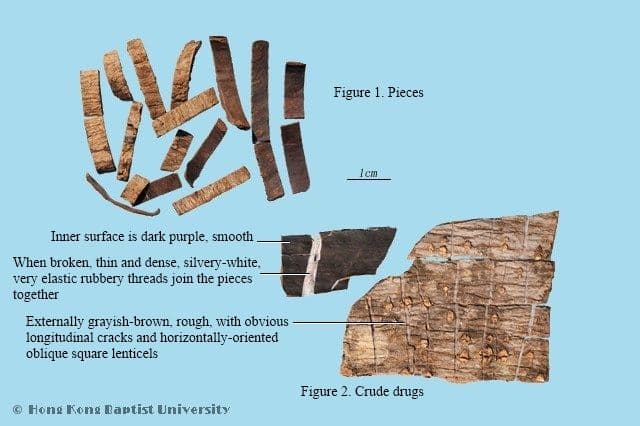
Imagine peeling back the bark of a tree and finding not just wood, but a delicate, silver-white latex-like filament stretching between the layers. This unique, almost magical thread is a hallmark of Du Zhong, a testament to its intrinsic strength and flexibility. For centuries, traditional healers have understood this visual cue as a direct reflection of the herb's power to fortify and connect within the human body.
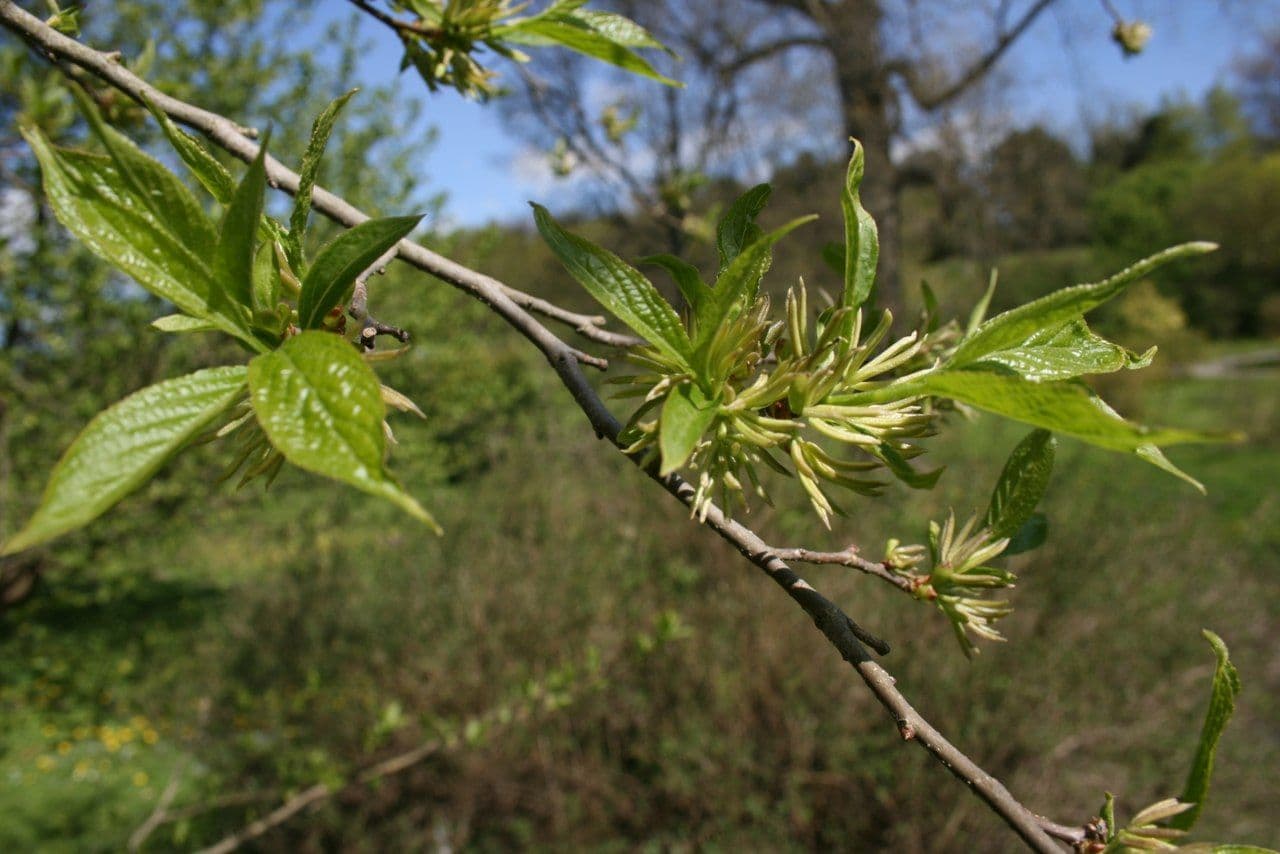
In the mountains of China, the Eucommia ulmoides tree has stood as a symbol of resilience, and its bark, Du Zhong, has been a cornerstone of healing.
As an integrative medicine physician, I've seen firsthand how ancient wisdom often contains profound truths that modern science eventually validates. Du Zhong is a prime example. Du Zhong (Cortex Eucommiae), also known as Eucommia Bark, is a warming, sweet, and slightly acrid herb used in Traditional Chinese Medicine (TCM) for its primary actions of tonifying the Kidneys and Liver, strengthening sinews and bones, and aiding the smooth flow of Qi and Blood.
This remarkable herb has graced classical texts like the Shennong Ben Cao Jing where it was listed as a superior herb, noted for its ability to "replenish deficiency and boost qi.
My journey from Beijing University of Chinese Medicine to an integrative residency in the US has shown me that bridging these two worlds offers the most comprehensive path to wellness. Du Zhong is one of those herbs where the conversation between TCM and functional medicine becomes particularly rich. It's not just about addressing symptoms; it's about building a foundation of strength from within, much like the resilient tree it comes from.
In the intricate landscape of Traditional Chinese Medicine, Du Zhong holds a revered position. Its unique energetic signature—warm in nature, with sweet, slightly acrid, and astringent flavors—tells us much about its therapeutic actions. These qualities point to its ability to gently warm and nourish the body, invigorate circulation without being overly stimulating, and consolidate vital essences.
The meridians it enters are key to understanding its targeted effects: the Kidney, Liver, and Heart. In TCM, the Kidneys are considered the root of life, storing our fundamental essence (Jing) and governing growth, development, reproduction, and the health of our bones and lower back. The Liver is responsible for the smooth flow of Qi (energy) and Blood throughout the body, influencing our sinews, ligaments, and emotional well-being.
By entering these meridians, Du Zhong directly addresses the foundational aspects of our physical structure and vitality.
This is why Du Zhong is so uniquely suited to tonify Kidney Yang and strengthen the sinews and bones. It's not just about adding substance; it’s about invigorating the very energetic foundation that supports our musculoskeletal system. As the classic text Ben Cao Gang Mu states, Du Zhong "treats low back and knee pain, supplements the middle, benefits essence and qi, and strengthens sinews and bones.
" This encapsulates its traditional role as a powerful ally for anyone experiencing weakness in the lower back and knees, or seeking to maintain robust skeletal health.
Think of it like this: the Kidney energy is the deep wellspring of our core vitality, and the Liver ensures that this vitality flows smoothly to nourish our physical framework. Du Zhong acts as a gentle yet profound fortifier, ensuring both the wellspring is full and the channels are clear. This holistic action is what truly sets it apart from many other tonic herbs.
My patients often come to me seeking solutions that feel both natural and scientifically sound. Du Zhong is an herb I frequently recommend because its ancient indications align beautifully with pressing modern health concerns. Here's how this remarkable bark supports your body:
One of the most common issues I see is hypertension. In TCM, high blood pressure is often linked to an imbalance in the Liver and Kidneys, where Liver Yang may ascend, causing symptoms like headaches, dizziness, and irritability. Du Zhong's ability to tonify the Kidneys and Liver, and aid the smooth flow of Qi and Blood, helps to gently calm this ascending energy and regulate circulation. From a Western perspective, this translates to its proven vasorelaxant properties.
Many patients, like a 58-year-old executive I worked with, found Du Zhong to be a valuable complementary support. He was looking for natural ways to manage his mild hypertension alongside his conventional medication, and with careful monitoring, we saw significant improvements in his readings. This aligns with research that has confirmed Eucommia ulmoides as a natural alternative or complementary treatment for hypertension, minimizing blood pressure.
The health of our bones and joints is intimately connected to our Kidney essence in TCM. As we age, declining Kidney Jing can lead to weakened bones, fragile sinews, and a predisposition to conditions like osteoporosis. Du Zhong directly addresses this by tonifying Kidney Yang and strengthening the sinews and bones, offering a profound supportive role. I recall a patient in her early 60s, a spirited woman who worried about her decreasing bone density.
Integrating Du Zhong into her regimen, alongside dietary changes and exercise, provided her with a sense of internal fortification that she hadn't experienced with calcium supplements alone. Modern scientific investigations, particularly in China, have shown that Eucommia ulmoides extracts can promote osteoblast activity and demonstrate significant bone-protective effects, offering a clear mechanistic link to its traditional use.
Given the Kidney's central role in TCM, it's no surprise that Du Zhong is a powerful kidney tonic. Beyond bone health, the Kidneys are vital for fluid metabolism and filtering waste. When Kidney energy is depleted, we might see issues like fatigue, fluid retention, or even more serious conditions. Research has specifically looked into Du Zhong's role in kidney protection, especially in challenging modern health scenarios.
For instance, studies have explored its potential to mitigate renal damage in conditions like diabetic nephropathy, suggesting a protective effect on kidney function even when blood sugar levels remain unchanged. This points to a deeper, more direct impact on renal tissue integrity.
One of Du Zhong’s traditional actions is to 'Calm the fetus.' In specific TCM patterns where a pregnant individual experiences Kidney deficiency leading to restlessness of the fetus, Du Zhong can be a part of a carefully constructed formula. This is a nuanced application, however, and absolutely requires the guidance of a skilled practitioner due to specific contraindications during pregnancy.
It speaks to the herb's profound ability to stabilize and nourish at a fundamental level, but always with caution and expert oversight.
The scientific community is increasingly turning its attention to herbs like Du Zhong, seeking to understand the biochemical mechanisms behind their long-established traditional uses. What we're finding is a fascinating confirmation of TCM's intuitive wisdom.
For cardiovascular health, a comprehensive review by Luo, P., et al., published in Evidence-Based Complementary and Alternative Medicine in 2014, highlighted that Eucommia ulmoides has been confirmed in human and animal models as a vasorelaxant, capable of minimizing blood pressure. This effect is largely attributed to compounds like lignans.
The study noted that lignans administered to spontaneously hypertensive rats (SHR) at 300 mg/kg for 16 weeks not only reduced mean arterial blood pressure but also improved vascular remodeling, indicating a structural benefit to blood vessels.
In the realm of kidney protection, research by H. S. Niu, I. M. Liu, and colleagues at Tzu Chi University of Science and Technology and Tajen University in Taiwan (2016) demonstrated significant findings. Their study showed that oral administration of Du Zhong (1 g/kg/day) to STZ-diabetic rats for 20 days decreased plasma levels of blood urea nitrogen and creatinine, and notably improved renal fibrosis. This occurred without altering blood glucose levels, suggesting a direct protective effect on kidney tissue.
Specifically, renal levels of TGF-β and CTGF, markers for fibrosis, were significantly lower (approximately 57.3% and 20.3% respectively) in the Du Zhong-treated group compared to controls. This is a powerful finding for managing kidney health.
Beyond these, the bark and its leaves contain a spectrum of bioactive compounds, including flavonoids, phenolic acids, and iridoids. Studies by Li Wanyu et al. (2024) in 天然产物研究与开发 highlight the significant bone-protective effects of Du Zhong leaf extract, with flavonoid components increasing osteoblast activity by 25%-38% in osteoporosis models. Additionally, work by Feng Han et al. (2015) in 中国临床药理学与治疗学 pointed to the significant blood sugar-lowering effects of Du Zhong lignans, showing an 18.7%-23.4% reduction in animal models.
These findings underscore Du Zhong's multifaceted actions, moving from traditional use to a more defined biochemical understanding.
Integrating Du Zhong into your wellness routine can be both simple and effective. The form you choose often depends on your preference and the specific health goal. Always ensure you source your Du Zhong from reputable suppliers to guarantee quality and authenticity.
This is the most common and traditional method of preparation. For a standard decoction, use 8-16 grams of dried Du Zhong bark. Combine the bark with 2-3 cups of water in a non-metallic pot (ceramic or glass is ideal). Bring the water to a boil, then reduce the heat to a gentle simmer. Allow it to simmer for 20-30 minutes, or until the liquid has reduced by about one-third. Strain the liquid and drink it warm.
This can be prepared once or twice daily. The taste is subtly sweet with a slight astringency, often quite pleasant and grounding.
For those seeking convenience, liquid tinctures or standardized extracts are an excellent option. The typical dosage for a tincture is 2-4 ml, taken 2-3 times per day. Always defer to the specific instructions provided on the product label, as concentrations can vary widely between brands. These forms are easy to take on the go, simply mixed with a small amount of water or juice.
Du Zhong can also be found in powdered form or encapsulated. This allows for precise dosing and avoids the preparation time of a decoction. Standard dosages often range from 1-3 grams of powdered bark per day, divided into 2-3 doses. If taking capsules, follow the manufacturer's recommendations. This method is particularly useful for those who prefer a neutral taste.
Beyond medicinal teas, Du Zhong is often incorporated into nourishing Chinese soups and stews, especially for promoting vitality and strengthening the body. Simmering 10-15g of bark with pork ribs, chicken, or other ingredients for several hours creates a deeply restorative meal. It's a wonderful way to integrate its benefits into your diet, much like my grandmother used to do, ensuring that medicine tasted like comfort.
As with any potent medicinal herb, Du Zhong comes with important safety considerations. While generally well-tolerated when used appropriately, certain conditions and medications warrant caution or complete avoidance. Your safety is paramount, and these guidelines are not negotiable.
1. Yin Deficiency Heat: Du Zhong is contraindicated for those with Yin Deficiency Heat. This TCM pattern manifests with symptoms like night sweats, five-palm heat (hot palms, soles, and chest), dry mouth, and flushed cheeks. Because Du Zhong is warm in nature, it can exacerbate these 'heat' symptoms.
2. Pregnancy (specific conditions): While Du Zhong is traditionally used to 'Calm the fetus' in certain contexts, it is contraindicated during pregnancy for those with symptoms of sinking Qi, such as a dragging sensation in the abdomen and exhaustion. Its use during pregnancy must be under the strict supervision of a qualified TCM practitioner who can accurately diagnose your specific pattern. Self-medication is strongly discouraged.
3. Interaction with Qi-Raising Herbs: Do not use Du Zhong in conjunction with herbs that raise Qi, such as Rx. Astragali Huang Qi, Rz. Cimicifugae Sheng Ma, or Rx. Bupleuri Chai Hu. Combining them could lead to counterproductive effects due to their opposing energetic actions on Qi movement.
Due to its documented effects on blood pressure, Du Zhong has the potential to interact with conventional medications:
Antihypertensive Medications: If you are taking prescription drugs for high blood pressure (e.g., ACE inhibitors, beta-blockers, diuretics), combining them with Du Zhong could lead to an excessive drop in blood pressure, causing dizziness, lightheadedness, or even fainting. Close monitoring by a healthcare provider is essential, and dosage adjustments of either medication may be necessary.
Antidiabetic Medications: As some research suggests Du Zhong may have blood sugar-lowering effects, it could potentially amplify the effects of antidiabetic drugs (e.g., metformin, insulin), leading to hypoglycemia (low blood sugar). Monitor your blood glucose levels carefully.
Anticoagulants / Antiplatelet Drugs: While less commonly noted, any herb that influences blood circulation can theoretically interact with blood thinners (e.g., warfarin, aspirin, clopidogrel). Exercise caution and consult your physician if you are on such medications.
Always inform your primary healthcare provider, especially if they are not familiar with herbal medicine, about all supplements and herbs you are taking. This ensures a comprehensive view of your health and minimizes potential risks. Never discontinue prescribed medications without consulting your doctor.
Du Zhong stands as a powerful testament to the enduring wisdom of Traditional Chinese Medicine, now increasingly illuminated by the precision of modern science. It reminds us that true health isn't about isolating symptoms, but about nurturing the foundational systems of our body – the Kidneys, the Liver, our very essence. Like the elastic threads within its bark, Du Zhong offers a unique kind of resilience, strengthening what connects us, both physically and energetically.
As we continue to explore the depths of ancient botanicals, it's clear that the path to robust health often lies in rediscovering these profound connections, guided by both tradition and evidence.
Imagine peeling back the bark of a tree and finding not just wood, but a delicate, silver-white latex-like filament stretching between the layers. This unique, almost magical thread is a hallmark of Du Zhong, a testament to its intrinsic strength and flexibility. For centuries, traditional healers have understood this visual cue as a direct reflection of the herb's power to fortify and connect within the human body.
In the mountains of China, the Eucommia ulmoides tree has stood as a symbol of resilience, and its bark, Du Zhong, has been a cornerstone of healing.
As an integrative medicine physician, I've seen firsthand how ancient wisdom often contains profound truths that modern science eventually validates. Du Zhong is a prime example. Du Zhong (Cortex Eucommiae), also known as Eucommia Bark, is a warming, sweet, and slightly acrid herb used in Traditional Chinese Medicine (TCM) for its primary actions of tonifying the Kidneys and Liver, strengthening sinews and bones, and aiding the smooth flow of Qi and Blood.
This remarkable herb has graced classical texts like the Shennong Ben Cao Jing where it was listed as a superior herb, noted for its ability to "replenish deficiency and boost qi.
My journey from Beijing University of Chinese Medicine to an integrative residency in the US has shown me that bridging these two worlds offers the most comprehensive path to wellness. Du Zhong is one of those herbs where the conversation between TCM and functional medicine becomes particularly rich. It's not just about addressing symptoms; it's about building a foundation of strength from within, much like the resilient tree it comes from.
In the intricate landscape of Traditional Chinese Medicine, Du Zhong holds a revered position. Its unique energetic signature—warm in nature, with sweet, slightly acrid, and astringent flavors—tells us much about its therapeutic actions. These qualities point to its ability to gently warm and nourish the body, invigorate circulation without being overly stimulating, and consolidate vital essences.
The meridians it enters are key to understanding its targeted effects: the Kidney, Liver, and Heart. In TCM, the Kidneys are considered the root of life, storing our fundamental essence (Jing) and governing growth, development, reproduction, and the health of our bones and lower back. The Liver is responsible for the smooth flow of Qi (energy) and Blood throughout the body, influencing our sinews, ligaments, and emotional well-being.
By entering these meridians, Du Zhong directly addresses the foundational aspects of our physical structure and vitality.
This is why Du Zhong is so uniquely suited to tonify Kidney Yang and strengthen the sinews and bones. It's not just about adding substance; it’s about invigorating the very energetic foundation that supports our musculoskeletal system. As the classic text Ben Cao Gang Mu states, Du Zhong "treats low back and knee pain, supplements the middle, benefits essence and qi, and strengthens sinews and bones.
" This encapsulates its traditional role as a powerful ally for anyone experiencing weakness in the lower back and knees, or seeking to maintain robust skeletal health.
Think of it like this: the Kidney energy is the deep wellspring of our core vitality, and the Liver ensures that this vitality flows smoothly to nourish our physical framework. Du Zhong acts as a gentle yet profound fortifier, ensuring both the wellspring is full and the channels are clear. This holistic action is what truly sets it apart from many other tonic herbs.
My patients often come to me seeking solutions that feel both natural and scientifically sound. Du Zhong is an herb I frequently recommend because its ancient indications align beautifully with pressing modern health concerns. Here's how this remarkable bark supports your body:
One of the most common issues I see is hypertension. In TCM, high blood pressure is often linked to an imbalance in the Liver and Kidneys, where Liver Yang may ascend, causing symptoms like headaches, dizziness, and irritability. Du Zhong's ability to tonify the Kidneys and Liver, and aid the smooth flow of Qi and Blood, helps to gently calm this ascending energy and regulate circulation. From a Western perspective, this translates to its proven vasorelaxant properties.
Many patients, like a 58-year-old executive I worked with, found Du Zhong to be a valuable complementary support. He was looking for natural ways to manage his mild hypertension alongside his conventional medication, and with careful monitoring, we saw significant improvements in his readings. This aligns with research that has confirmed Eucommia ulmoides as a natural alternative or complementary treatment for hypertension, minimizing blood pressure.
The health of our bones and joints is intimately connected to our Kidney essence in TCM. As we age, declining Kidney Jing can lead to weakened bones, fragile sinews, and a predisposition to conditions like osteoporosis. Du Zhong directly addresses this by tonifying Kidney Yang and strengthening the sinews and bones, offering a profound supportive role. I recall a patient in her early 60s, a spirited woman who worried about her decreasing bone density.
Integrating Du Zhong into her regimen, alongside dietary changes and exercise, provided her with a sense of internal fortification that she hadn't experienced with calcium supplements alone. Modern scientific investigations, particularly in China, have shown that Eucommia ulmoides extracts can promote osteoblast activity and demonstrate significant bone-protective effects, offering a clear mechanistic link to its traditional use.
Given the Kidney's central role in TCM, it's no surprise that Du Zhong is a powerful kidney tonic. Beyond bone health, the Kidneys are vital for fluid metabolism and filtering waste. When Kidney energy is depleted, we might see issues like fatigue, fluid retention, or even more serious conditions. Research has specifically looked into Du Zhong's role in kidney protection, especially in challenging modern health scenarios.
For instance, studies have explored its potential to mitigate renal damage in conditions like diabetic nephropathy, suggesting a protective effect on kidney function even when blood sugar levels remain unchanged. This points to a deeper, more direct impact on renal tissue integrity.
One of Du Zhong’s traditional actions is to 'Calm the fetus.' In specific TCM patterns where a pregnant individual experiences Kidney deficiency leading to restlessness of the fetus, Du Zhong can be a part of a carefully constructed formula. This is a nuanced application, however, and absolutely requires the guidance of a skilled practitioner due to specific contraindications during pregnancy.
It speaks to the herb's profound ability to stabilize and nourish at a fundamental level, but always with caution and expert oversight.
The scientific community is increasingly turning its attention to herbs like Du Zhong, seeking to understand the biochemical mechanisms behind their long-established traditional uses. What we're finding is a fascinating confirmation of TCM's intuitive wisdom.
For cardiovascular health, a comprehensive review by Luo, P., et al., published in Evidence-Based Complementary and Alternative Medicine in 2014, highlighted that Eucommia ulmoides has been confirmed in human and animal models as a vasorelaxant, capable of minimizing blood pressure. This effect is largely attributed to compounds like lignans.
The study noted that lignans administered to spontaneously hypertensive rats (SHR) at 300 mg/kg for 16 weeks not only reduced mean arterial blood pressure but also improved vascular remodeling, indicating a structural benefit to blood vessels.
In the realm of kidney protection, research by H. S. Niu, I. M. Liu, and colleagues at Tzu Chi University of Science and Technology and Tajen University in Taiwan (2016) demonstrated significant findings. Their study showed that oral administration of Du Zhong (1 g/kg/day) to STZ-diabetic rats for 20 days decreased plasma levels of blood urea nitrogen and creatinine, and notably improved renal fibrosis. This occurred without altering blood glucose levels, suggesting a direct protective effect on kidney tissue.
Specifically, renal levels of TGF-β and CTGF, markers for fibrosis, were significantly lower (approximately 57.3% and 20.3% respectively) in the Du Zhong-treated group compared to controls. This is a powerful finding for managing kidney health.
Beyond these, the bark and its leaves contain a spectrum of bioactive compounds, including flavonoids, phenolic acids, and iridoids. Studies by Li Wanyu et al. (2024) in 天然产物研究与开发 highlight the significant bone-protective effects of Du Zhong leaf extract, with flavonoid components increasing osteoblast activity by 25%-38% in osteoporosis models. Additionally, work by Feng Han et al. (2015) in 中国临床药理学与治疗学 pointed to the significant blood sugar-lowering effects of Du Zhong lignans, showing an 18.7%-23.4% reduction in animal models.
These findings underscore Du Zhong's multifaceted actions, moving from traditional use to a more defined biochemical understanding.
Integrating Du Zhong into your wellness routine can be both simple and effective. The form you choose often depends on your preference and the specific health goal. Always ensure you source your Du Zhong from reputable suppliers to guarantee quality and authenticity.
This is the most common and traditional method of preparation. For a standard decoction, use 8-16 grams of dried Du Zhong bark. Combine the bark with 2-3 cups of water in a non-metallic pot (ceramic or glass is ideal). Bring the water to a boil, then reduce the heat to a gentle simmer. Allow it to simmer for 20-30 minutes, or until the liquid has reduced by about one-third. Strain the liquid and drink it warm.
This can be prepared once or twice daily. The taste is subtly sweet with a slight astringency, often quite pleasant and grounding.
For those seeking convenience, liquid tinctures or standardized extracts are an excellent option. The typical dosage for a tincture is 2-4 ml, taken 2-3 times per day. Always defer to the specific instructions provided on the product label, as concentrations can vary widely between brands. These forms are easy to take on the go, simply mixed with a small amount of water or juice.
Du Zhong can also be found in powdered form or encapsulated. This allows for precise dosing and avoids the preparation time of a decoction. Standard dosages often range from 1-3 grams of powdered bark per day, divided into 2-3 doses. If taking capsules, follow the manufacturer's recommendations. This method is particularly useful for those who prefer a neutral taste.
Beyond medicinal teas, Du Zhong is often incorporated into nourishing Chinese soups and stews, especially for promoting vitality and strengthening the body. Simmering 10-15g of bark with pork ribs, chicken, or other ingredients for several hours creates a deeply restorative meal. It's a wonderful way to integrate its benefits into your diet, much like my grandmother used to do, ensuring that medicine tasted like comfort.
As with any potent medicinal herb, Du Zhong comes with important safety considerations. While generally well-tolerated when used appropriately, certain conditions and medications warrant caution or complete avoidance. Your safety is paramount, and these guidelines are not negotiable.
1. Yin Deficiency Heat: Du Zhong is contraindicated for those with Yin Deficiency Heat. This TCM pattern manifests with symptoms like night sweats, five-palm heat (hot palms, soles, and chest), dry mouth, and flushed cheeks. Because Du Zhong is warm in nature, it can exacerbate these 'heat' symptoms.
2. Pregnancy (specific conditions): While Du Zhong is traditionally used to 'Calm the fetus' in certain contexts, it is contraindicated during pregnancy for those with symptoms of sinking Qi, such as a dragging sensation in the abdomen and exhaustion. Its use during pregnancy must be under the strict supervision of a qualified TCM practitioner who can accurately diagnose your specific pattern. Self-medication is strongly discouraged.
3. Interaction with Qi-Raising Herbs: Do not use Du Zhong in conjunction with herbs that raise Qi, such as Rx. Astragali Huang Qi, Rz. Cimicifugae Sheng Ma, or Rx. Bupleuri Chai Hu. Combining them could lead to counterproductive effects due to their opposing energetic actions on Qi movement.
Due to its documented effects on blood pressure, Du Zhong has the potential to interact with conventional medications:
Antihypertensive Medications: If you are taking prescription drugs for high blood pressure (e.g., ACE inhibitors, beta-blockers, diuretics), combining them with Du Zhong could lead to an excessive drop in blood pressure, causing dizziness, lightheadedness, or even fainting. Close monitoring by a healthcare provider is essential, and dosage adjustments of either medication may be necessary.
Antidiabetic Medications: As some research suggests Du Zhong may have blood sugar-lowering effects, it could potentially amplify the effects of antidiabetic drugs (e.g., metformin, insulin), leading to hypoglycemia (low blood sugar). Monitor your blood glucose levels carefully.
Anticoagulants / Antiplatelet Drugs: While less commonly noted, any herb that influences blood circulation can theoretically interact with blood thinners (e.g., warfarin, aspirin, clopidogrel). Exercise caution and consult your physician if you are on such medications.
Always inform your primary healthcare provider, especially if they are not familiar with herbal medicine, about all supplements and herbs you are taking. This ensures a comprehensive view of your health and minimizes potential risks. Never discontinue prescribed medications without consulting your doctor.
Du Zhong stands as a powerful testament to the enduring wisdom of Traditional Chinese Medicine, now increasingly illuminated by the precision of modern science. It reminds us that true health isn't about isolating symptoms, but about nurturing the foundational systems of our body – the Kidneys, the Liver, our very essence. Like the elastic threads within its bark, Du Zhong offers a unique kind of resilience, strengthening what connects us, both physically and energetically.
As we continue to explore the depths of ancient botanicals, it's clear that the path to robust health often lies in rediscovering these profound connections, guided by both tradition and evidence.
This information is for educational purposes only and is not intended as medical advice. Always consult a qualified healthcare practitioner before using any herbal remedy.