Codonopsis Root
Neutral (平)党参 · Dang Shen
Radix Codonopsis
TCM Properties
Nature (四气)
Neutral (平)Flavor (五味)
Sweet (甘)
Meridian Tropism
LungSpleen
党参 · Dang Shen
Radix Codonopsis
Discover Dang Shen, the gentle yet powerful Chinese herb known for boosting energy, supporting digestion, and enhancing immunity, offering a subtle alternative to ginseng.
6-14g; large dose up to 30g; Tincture: 1-4ml
6-14g; large dose up to 30g; Tincture: 1-4ml
Place 6-14 grams of dried Dang Shen root slices into a pot with 2-3 cups of water. Bring to a boil, then reduce heat and simmer for 20-30 minutes. Strain and drink the warm liquid. For a stronger tonic, simmer up to 45-60 minutes. This can be consumed once or twice daily.
Finely ground Dang Shen powder can be encapsulated or mixed into warm water, smoothies, or yogurt. A typical dose ranges from 1-3 grams, taken 1-2 times daily. Ensure the powder is from a reputable source for purity and potency.
Liquid extracts or tinctures offer a concentrated form. Follow the manufacturer's specific dosing instructions, but a general guideline is 1-4 ml, 1-3 times daily, taken directly or diluted in a small amount of water. Tinctures are convenient for on-the-go use.
Place 6-14 grams of dried Dang Shen root slices into a pot with 2-3 cups of water. Bring to a boil, then reduce heat and simmer for 20-30 minutes. Strain and drink the warm liquid. For a stronger tonic, simmer up to 45-60 minutes. This can be consumed once or twice daily.
Finely ground Dang Shen powder can be encapsulated or mixed into warm water, smoothies, or yogurt. A typical dose ranges from 1-3 grams, taken 1-2 times daily. Ensure the powder is from a reputable source for purity and potency.
Liquid extracts or tinctures offer a concentrated form. Follow the manufacturer's specific dosing instructions, but a general guideline is 1-4 ml, 1-3 times daily, taken directly or diluted in a small amount of water. Tinctures are convenient for on-the-go use.
Modern research is increasingly validating Dang Shen's traditional uses, with studies pointing to its roles in immune modulation, gastrointestinal regulation, and improvements in lung function, particularly in conditions like COPD. While promising, much of the research, especially in human trials, suggests a need for more rigorous, large-scale investigations to fully understand its therapeutic potential and mechanisms.
Moderate — Some clinical studies
Modern research is increasingly validating Dang Shen's traditional uses, with studies pointing to its roles in immune modulation, gastrointestinal regulation, and improvements in lung function, particularly in conditions like COPD. While promising, much of the research, especially in human trials, suggests a need for more rigorous, large-scale investigations to fully understand its therapeutic potential and mechanisms.
Moderate — Some clinical studies
Insufficient Data
Insufficient Data
Picture this: a bustling clinic in Beijing, where the air hums with the scent of simmering herbs. A young woman, barely in her twenties, sits across from me, her eyes shadowed with exhaustion despite her age. She’s constantly tired, struggles with digestion, and catches every cold that floats by. Her story is one I’ve heard countless times, a classic picture of what we in Traditional Chinese Medicine (TCM) call 'Qi deficiency' – a fundamental lack of vital energy.
And for patients like her, one herb, often overlooked in favor of its more famous cousin, Ginseng, holds a profound answer: Dang Shen.
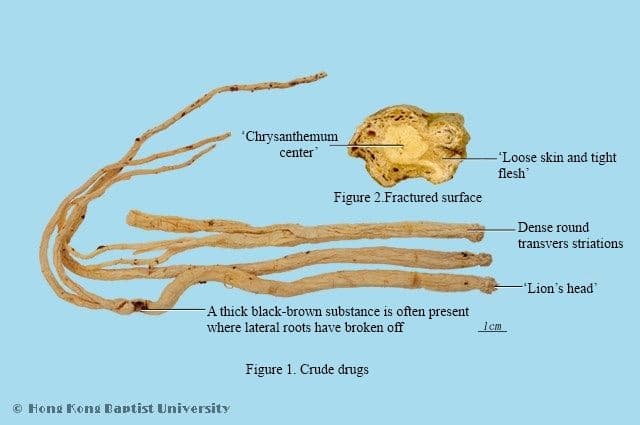
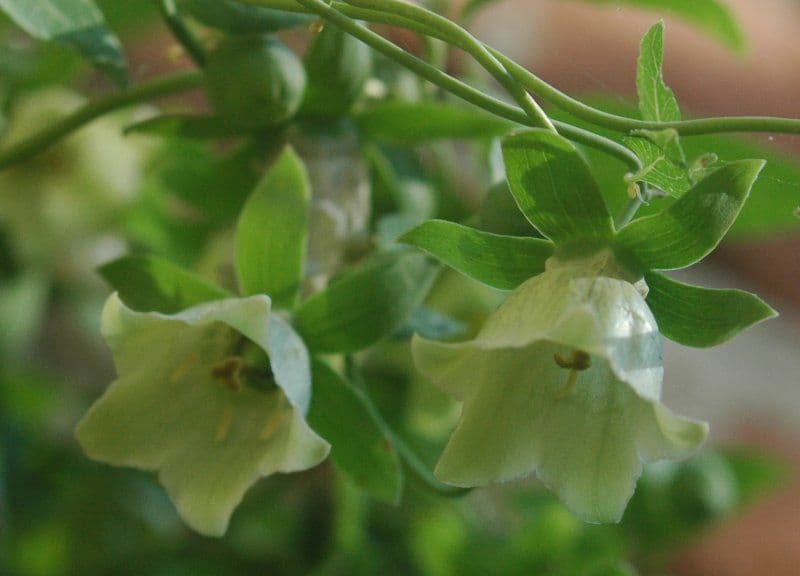
Dang Shen (Radix Codonopsis), also known as Codonopsis Root, Bonnet Bellflower, or Downy Bellflower Root, is a sweet-flavored, neutral-natured tonic herb used extensively in Traditional Chinese Medicine to invigorate energy (Qi), support the lungs and spleen, and nourish vitality. It's sometimes affectionately called 'poor man's ginseng,' but I believe that moniker sells it short. Dang Shen is a powerhouse in its own right, offering a gentle yet profound path to restoring balance and strength.
My journey from Beijing University of Chinese Medicine to an integrative medicine residency in the US has shown me how ancient wisdom, like that surrounding Dang Shen, maps beautifully onto modern health science. This herb is a prime example of how TCM's holistic lens can help us understand our bodies better, grounding those insights in evidence.
In TCM, every herb has a nature (temperature effect on the body) and flavors (actions and affinities). Dang Shen is classified as neutral in nature and sweet in flavor. This combination is key to its unique role. A neutral nature means it won't unduly heat or cool the body, making it incredibly gentle and suitable for most people, even with long-term use.
The sweet flavor, in TCM, signifies nourishing, harmonizing, and tonifying properties, particularly for our vital energy (Qi) and blood.
Dang Shen primarily targets the Lung and Spleen meridians. In Western functional terms, this translates to supporting crucial systems. The Spleen (not just the organ, but the entire digestive and metabolic function in TCM) is responsible for transforming food into usable energy and nutrients, while the Lung system governs respiration and plays a significant role in our defensive energy (Wei Qi), our body's first line of immune defense.
As the classic text 《本草纲目》 (Compendium of Materia Medica) states, 'Dang Shen tonifies the middle burner and augments Qi, strengthens the spleen and benefits the lungs' – a concise summary of its core actions.
This gentle yet effective action is precisely why Dang Shen stands out. While Panax Ginseng (Ren Shen) is a potent Qi tonic, its stimulating nature can sometimes be too strong, leading to overstimulation or dryness for certain individuals. Dang Shen, on the other hand, offers a sustained, nourishing energy boost without the intensity, making it an ideal choice for daily support, especially for those prone to chronic fatigue, weak digestion, or compromised immunity.
It's a foundational herb for building resilience from within.
If you've ever felt that persistent, bone-deep tiredness that no amount of sleep seems to fix, you understand 'Qi deficiency.' Dang Shen is a primary herbal ally for this. In TCM, it Tonifies Middle Jiao and Augments Qi, meaning it boosts your fundamental vital energy. I often have patients, like a busy mother of two who felt constantly drained, find a renewed sense of stamina after incorporating Dang Shen into her routine.
Modern pharmacology confirms its anti-fatigue effects, with research in the Journal of Ethnopharmacology (2024) highlighting its role in fatigue resistance.
TCM links strong Lung Qi with a robust immune system, as the lungs house our defensive energy (Wei Qi). Dang Shen Tonifies Lungs and Restores Constitution, making it excellent for those who frequently catch colds or struggle with seasonal sniffles. Research by Zhang Huan, Li Chao, and Ji Chenfeng (2024) indicates that Dang Shen contains polysaccharides that can enhance immunity by activating macrophages, aligning beautifully with its traditional immune-boosting role.
The Spleen meridian, which Dang Shen enters, is central to healthy digestion in TCM. When Spleen Qi is deficient, you might experience bloating, poor appetite, loose stools, or a general feeling of heaviness after eating. Dang Shen helps to strengthen this vital digestive function, improving how your body processes food and absorbs nutrients. I recall a patient who, despite eating a healthy diet, was always low in iron.
Once we addressed her underlying Spleen Qi deficiency with Dang Shen, her nutrient assimilation improved, and her energy levels followed suit. The Journal of Ethnopharmacology (2024) review confirms its role in gastrointestinal motility regulation.
Beyond immunity, Dang Shen’s affinity for the Lung meridian means it directly supports respiratory function. For individuals with chronic lung issues, this can be incredibly valuable. A systematic review published in John Wiley & Sons, Ltd. (via PubMed) in 2014 found that Dang Shen formulae improved lung function, quality of life, and reduced COPD exacerbations in patients. While the authors noted methodological flaws and called for further investigation, the traditional wisdom is clearly pointing us in a promising direction.
While Dang Shen has a long and revered history in TCM, Western science is increasingly exploring and validating its diverse pharmacological activities. The herb contains key active compounds like Codonopsis polysaccharides, Lobetyolin, and Tangshenoside I, which are believed to underpin its therapeutic effects.
A comprehensive review published in the Journal of Ethnopharmacology in 2024 highlighted Codonopsis Radix's diverse pharmacological activities. Researchers noted its roles in immune system modulation, gastrointestinal motility regulation, cardiac function revitalization, lung function improvement, blood circulation enhancement, anti-aging, learning/memory augmentation, and fatigue resistance. This broad spectrum of effects underscores why it's such a staple in TCM for overall vitality.
Further supporting its wide-ranging benefits, a 2024 review in Frontiers in Pharmacology detailed how Codonopsis pilosula (CP) impacts various bodily systems—cardiovascular, nervous, digestive, and immune—by regulating inflammation, oxidative stress, immunomodulation, and apoptosis. This suggests its mechanisms align with key processes recognized in Western medicine for health and disease prevention.
Intriguingly, recent Chinese research is also exploring its potential in more targeted areas. 张欢, 李超, and 汲晨锋 (2024) summarized that Dang Shen's flavonoids, polysaccharides, and saponins possess immune-enhancing, antioxidant, and anti-tumor properties, noting that Dang Shen polysaccharides can activate macrophages to boost immunity. Even more specific, Zheng Li et al.
(2025) found that Dang Shen extracts, specifically luteolin and lobetyolin, exhibited anti-cancer effects by inhibiting EMT processes and inducing apoptosis in liver cancer cells, leading to a significant increase in apoptosis rates. Similarly, Cai-Yue Liu et al. (2025) investigated Dang Shen's steroidal components, finding that stigmasterol inhibited breast cancer development by regulating the PI3K/AKT pathway, with treated tumors showing a 42.3% reduction in volume.
While these are exciting preliminary findings, particularly in preclinical studies, they highlight the ongoing scientific quest to understand this ancient herb's full potential.
One of Dang Shen's strengths is its versatility and palatable nature. Its mild sweetness makes it easy to incorporate into daily routines, whether you prefer traditional preparations or modern convenience.
The most common way is as a decoction. Take 6-14 grams of dried Dang Shen root slices and simmer them in 2-3 cups of water for 20-30 minutes. Strain and drink the warm liquid. For a more potent effect, you can simmer for up to an hour. This can be enjoyed once or twice daily. In cases of significant debility, under a practitioner's guidance, a large dose up to 30 grams might be used.
Dang Shen is a wonderful addition to nourishing recipes. I often suggest adding 10-15 grams of the dried root to chicken soup, pork bone broth, or vegetarian stews. The simmering process extracts its beneficial compounds and imparts a subtle, earthy sweetness to the dish. Once softened, the cooked roots themselves can be eaten directly, offering a pleasant chew and concentrated flavor.
For convenience, Dang Shen is also available as tinctures, powders, or capsules. For tinctures, a typical dosage is 1-4 ml per day. If using powder, you can mix 1-3 grams into a smoothie or warm water. Always choose high-quality products from reputable suppliers to ensure purity and potency.
While Dang Shen is generally gentle, it's crucial to understand its contraindications to ensure safe and effective use. As an integrative physician, I always emphasize that even natural remedies require careful consideration.
Contraindications:
1. Excess Conditions: Use cautiously if you are experiencing acute infections, high fever, severe inflammation, or other acute 'excess' patterns in TCM. As a tonic, Dang Shen's role is to build, and in acute excess conditions, building might inadvertently worsen the situation by strengthening the pathogen. Think of it like trying to fertilize a garden when it's already overgrown with weeds – you need to clear the weeds first.
2. Qi Stagnation with Overabundant Fire: This is a specific TCM pattern where energy flow is blocked, leading to a build-up of heat. Symptoms might include severe headaches, a very red face, acute anxiety, or irritability. In such cases, tonifying Qi with Dang Shen could potentially intensify the 'fire' rather than resolve the underlying stagnation. It’s like adding more fuel to a fire that’s already too hot and contained.
Pregnancy and Breastfeeding: Dang Shen is generally considered safe during pregnancy and is often used as a gentler substitute for Ginseng in pregnancy-tonifying formulas. However, as with any herbal remedy during pregnancy or breastfeeding, it's essential to consult your healthcare provider.
Drug Interactions: While specific severe interactions are not widely documented for Dang Shen, its immune-modulating and blood-circulation-enhancing effects mean that it could theoretically interact with immunosuppressants, anticoagulants, or antiplatelet drugs. If you are on any prescription medications, especially for chronic conditions, always discuss the inclusion of Dang Shen with your physician or a qualified integrative practitioner to prevent potential interactions.
Dang Shen, far from being just a 'poor man's ginseng,' stands as a testament to the quiet power of nature. It reminds us that profound healing doesn't always come with a jolt, but often with gentle, consistent nourishment. As we navigate the complexities of modern health, herbs like Dang Shen offer a bridge, connecting us to ancient wisdom that, when understood through a scientific lens, can empower us to build resilience, cultivate balance, and ultimately, thrive.
It’s a journey from feeling constantly depleted to discovering the deep wellspring of vitality within you.
Picture this: a bustling clinic in Beijing, where the air hums with the scent of simmering herbs. A young woman, barely in her twenties, sits across from me, her eyes shadowed with exhaustion despite her age. She’s constantly tired, struggles with digestion, and catches every cold that floats by. Her story is one I’ve heard countless times, a classic picture of what we in Traditional Chinese Medicine (TCM) call 'Qi deficiency' – a fundamental lack of vital energy.
And for patients like her, one herb, often overlooked in favor of its more famous cousin, Ginseng, holds a profound answer: Dang Shen.
Dang Shen (Radix Codonopsis), also known as Codonopsis Root, Bonnet Bellflower, or Downy Bellflower Root, is a sweet-flavored, neutral-natured tonic herb used extensively in Traditional Chinese Medicine to invigorate energy (Qi), support the lungs and spleen, and nourish vitality. It's sometimes affectionately called 'poor man's ginseng,' but I believe that moniker sells it short. Dang Shen is a powerhouse in its own right, offering a gentle yet profound path to restoring balance and strength.
My journey from Beijing University of Chinese Medicine to an integrative medicine residency in the US has shown me how ancient wisdom, like that surrounding Dang Shen, maps beautifully onto modern health science. This herb is a prime example of how TCM's holistic lens can help us understand our bodies better, grounding those insights in evidence.
In TCM, every herb has a nature (temperature effect on the body) and flavors (actions and affinities). Dang Shen is classified as neutral in nature and sweet in flavor. This combination is key to its unique role. A neutral nature means it won't unduly heat or cool the body, making it incredibly gentle and suitable for most people, even with long-term use.
The sweet flavor, in TCM, signifies nourishing, harmonizing, and tonifying properties, particularly for our vital energy (Qi) and blood.
Dang Shen primarily targets the Lung and Spleen meridians. In Western functional terms, this translates to supporting crucial systems. The Spleen (not just the organ, but the entire digestive and metabolic function in TCM) is responsible for transforming food into usable energy and nutrients, while the Lung system governs respiration and plays a significant role in our defensive energy (Wei Qi), our body's first line of immune defense.
As the classic text 《本草纲目》 (Compendium of Materia Medica) states, 'Dang Shen tonifies the middle burner and augments Qi, strengthens the spleen and benefits the lungs' – a concise summary of its core actions.
This gentle yet effective action is precisely why Dang Shen stands out. While Panax Ginseng (Ren Shen) is a potent Qi tonic, its stimulating nature can sometimes be too strong, leading to overstimulation or dryness for certain individuals. Dang Shen, on the other hand, offers a sustained, nourishing energy boost without the intensity, making it an ideal choice for daily support, especially for those prone to chronic fatigue, weak digestion, or compromised immunity.
It's a foundational herb for building resilience from within.
If you've ever felt that persistent, bone-deep tiredness that no amount of sleep seems to fix, you understand 'Qi deficiency.' Dang Shen is a primary herbal ally for this. In TCM, it Tonifies Middle Jiao and Augments Qi, meaning it boosts your fundamental vital energy. I often have patients, like a busy mother of two who felt constantly drained, find a renewed sense of stamina after incorporating Dang Shen into her routine.
Modern pharmacology confirms its anti-fatigue effects, with research in the Journal of Ethnopharmacology (2024) highlighting its role in fatigue resistance.
TCM links strong Lung Qi with a robust immune system, as the lungs house our defensive energy (Wei Qi). Dang Shen Tonifies Lungs and Restores Constitution, making it excellent for those who frequently catch colds or struggle with seasonal sniffles. Research by Zhang Huan, Li Chao, and Ji Chenfeng (2024) indicates that Dang Shen contains polysaccharides that can enhance immunity by activating macrophages, aligning beautifully with its traditional immune-boosting role.
The Spleen meridian, which Dang Shen enters, is central to healthy digestion in TCM. When Spleen Qi is deficient, you might experience bloating, poor appetite, loose stools, or a general feeling of heaviness after eating. Dang Shen helps to strengthen this vital digestive function, improving how your body processes food and absorbs nutrients. I recall a patient who, despite eating a healthy diet, was always low in iron.
Once we addressed her underlying Spleen Qi deficiency with Dang Shen, her nutrient assimilation improved, and her energy levels followed suit. The Journal of Ethnopharmacology (2024) review confirms its role in gastrointestinal motility regulation.
Beyond immunity, Dang Shen’s affinity for the Lung meridian means it directly supports respiratory function. For individuals with chronic lung issues, this can be incredibly valuable. A systematic review published in John Wiley & Sons, Ltd. (via PubMed) in 2014 found that Dang Shen formulae improved lung function, quality of life, and reduced COPD exacerbations in patients. While the authors noted methodological flaws and called for further investigation, the traditional wisdom is clearly pointing us in a promising direction.
While Dang Shen has a long and revered history in TCM, Western science is increasingly exploring and validating its diverse pharmacological activities. The herb contains key active compounds like Codonopsis polysaccharides, Lobetyolin, and Tangshenoside I, which are believed to underpin its therapeutic effects.
A comprehensive review published in the Journal of Ethnopharmacology in 2024 highlighted Codonopsis Radix's diverse pharmacological activities. Researchers noted its roles in immune system modulation, gastrointestinal motility regulation, cardiac function revitalization, lung function improvement, blood circulation enhancement, anti-aging, learning/memory augmentation, and fatigue resistance. This broad spectrum of effects underscores why it's such a staple in TCM for overall vitality.
Further supporting its wide-ranging benefits, a 2024 review in Frontiers in Pharmacology detailed how Codonopsis pilosula (CP) impacts various bodily systems—cardiovascular, nervous, digestive, and immune—by regulating inflammation, oxidative stress, immunomodulation, and apoptosis. This suggests its mechanisms align with key processes recognized in Western medicine for health and disease prevention.
Intriguingly, recent Chinese research is also exploring its potential in more targeted areas. 张欢, 李超, and 汲晨锋 (2024) summarized that Dang Shen's flavonoids, polysaccharides, and saponins possess immune-enhancing, antioxidant, and anti-tumor properties, noting that Dang Shen polysaccharides can activate macrophages to boost immunity. Even more specific, Zheng Li et al.
(2025) found that Dang Shen extracts, specifically luteolin and lobetyolin, exhibited anti-cancer effects by inhibiting EMT processes and inducing apoptosis in liver cancer cells, leading to a significant increase in apoptosis rates. Similarly, Cai-Yue Liu et al. (2025) investigated Dang Shen's steroidal components, finding that stigmasterol inhibited breast cancer development by regulating the PI3K/AKT pathway, with treated tumors showing a 42.3% reduction in volume.
While these are exciting preliminary findings, particularly in preclinical studies, they highlight the ongoing scientific quest to understand this ancient herb's full potential.
One of Dang Shen's strengths is its versatility and palatable nature. Its mild sweetness makes it easy to incorporate into daily routines, whether you prefer traditional preparations or modern convenience.
The most common way is as a decoction. Take 6-14 grams of dried Dang Shen root slices and simmer them in 2-3 cups of water for 20-30 minutes. Strain and drink the warm liquid. For a more potent effect, you can simmer for up to an hour. This can be enjoyed once or twice daily. In cases of significant debility, under a practitioner's guidance, a large dose up to 30 grams might be used.
Dang Shen is a wonderful addition to nourishing recipes. I often suggest adding 10-15 grams of the dried root to chicken soup, pork bone broth, or vegetarian stews. The simmering process extracts its beneficial compounds and imparts a subtle, earthy sweetness to the dish. Once softened, the cooked roots themselves can be eaten directly, offering a pleasant chew and concentrated flavor.
For convenience, Dang Shen is also available as tinctures, powders, or capsules. For tinctures, a typical dosage is 1-4 ml per day. If using powder, you can mix 1-3 grams into a smoothie or warm water. Always choose high-quality products from reputable suppliers to ensure purity and potency.
While Dang Shen is generally gentle, it's crucial to understand its contraindications to ensure safe and effective use. As an integrative physician, I always emphasize that even natural remedies require careful consideration.
Contraindications:
1. Excess Conditions: Use cautiously if you are experiencing acute infections, high fever, severe inflammation, or other acute 'excess' patterns in TCM. As a tonic, Dang Shen's role is to build, and in acute excess conditions, building might inadvertently worsen the situation by strengthening the pathogen. Think of it like trying to fertilize a garden when it's already overgrown with weeds – you need to clear the weeds first.
2. Qi Stagnation with Overabundant Fire: This is a specific TCM pattern where energy flow is blocked, leading to a build-up of heat. Symptoms might include severe headaches, a very red face, acute anxiety, or irritability. In such cases, tonifying Qi with Dang Shen could potentially intensify the 'fire' rather than resolve the underlying stagnation. It’s like adding more fuel to a fire that’s already too hot and contained.
Pregnancy and Breastfeeding: Dang Shen is generally considered safe during pregnancy and is often used as a gentler substitute for Ginseng in pregnancy-tonifying formulas. However, as with any herbal remedy during pregnancy or breastfeeding, it's essential to consult your healthcare provider.
Drug Interactions: While specific severe interactions are not widely documented for Dang Shen, its immune-modulating and blood-circulation-enhancing effects mean that it could theoretically interact with immunosuppressants, anticoagulants, or antiplatelet drugs. If you are on any prescription medications, especially for chronic conditions, always discuss the inclusion of Dang Shen with your physician or a qualified integrative practitioner to prevent potential interactions.
Dang Shen, far from being just a 'poor man's ginseng,' stands as a testament to the quiet power of nature. It reminds us that profound healing doesn't always come with a jolt, but often with gentle, consistent nourishment. As we navigate the complexities of modern health, herbs like Dang Shen offer a bridge, connecting us to ancient wisdom that, when understood through a scientific lens, can empower us to build resilience, cultivate balance, and ultimately, thrive.
It’s a journey from feeling constantly depleted to discovering the deep wellspring of vitality within you.
This information is for educational purposes only and is not intended as medical advice. Always consult a qualified healthcare practitioner before using any herbal remedy.