Indigo
Cold (寒)TCM Properties
Nature (四气)
Cold (寒)Flavor (五味)
Bitter (苦)Salty (咸)Pungent (辛)
Meridian Tropism
HeartLungStomachLiverBladder
大青葉 · Da Qing Ye
Folium Isatidis
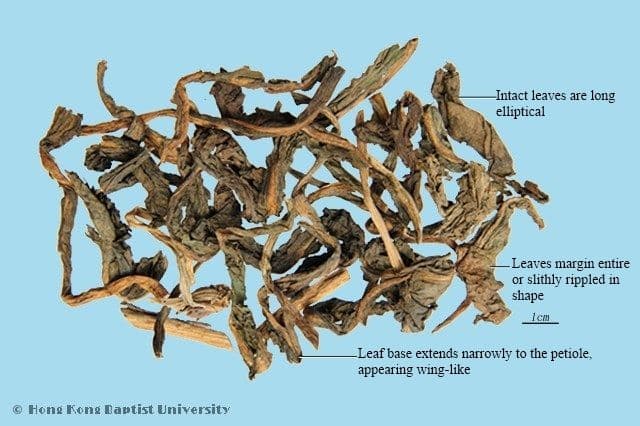
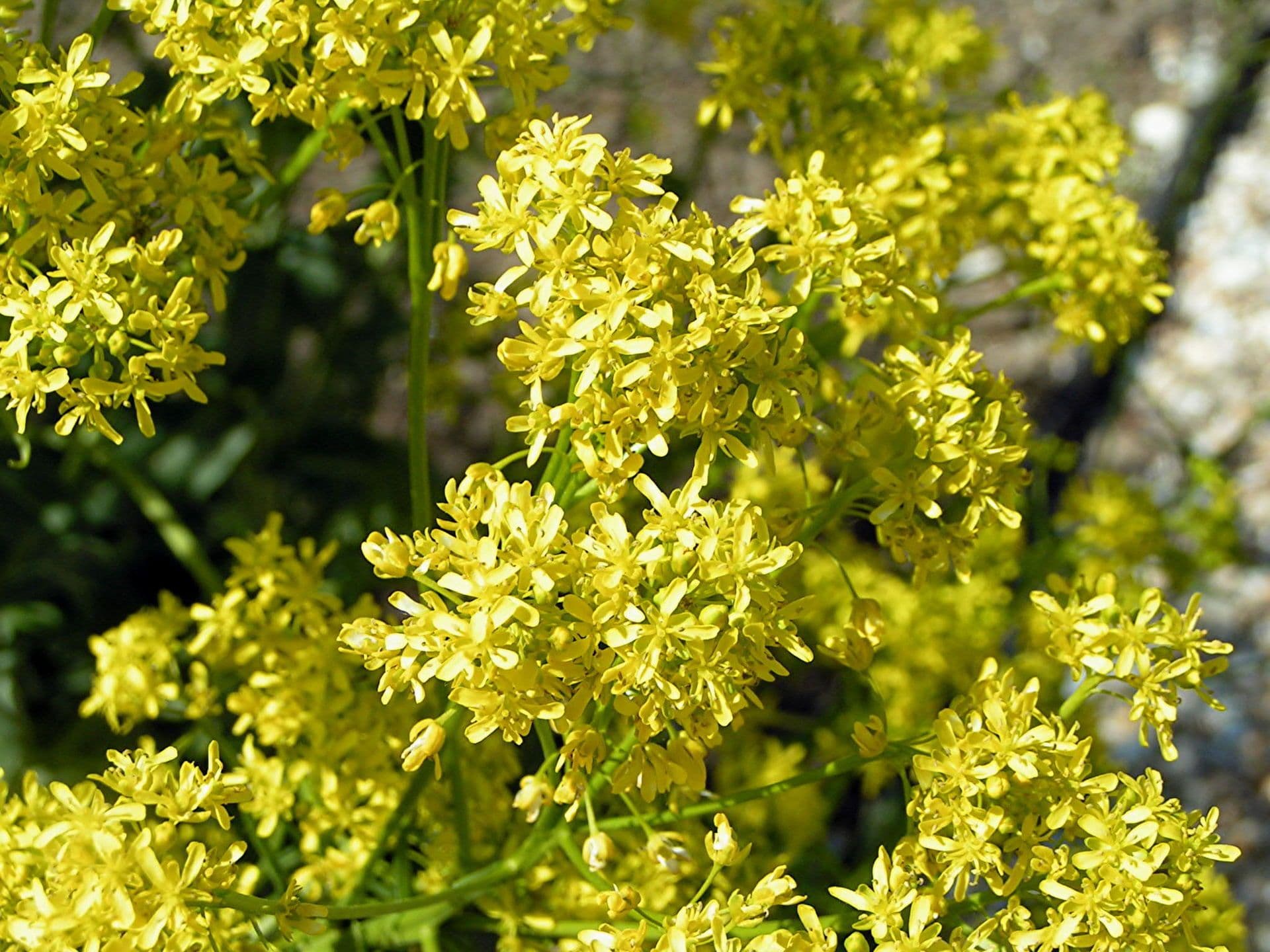
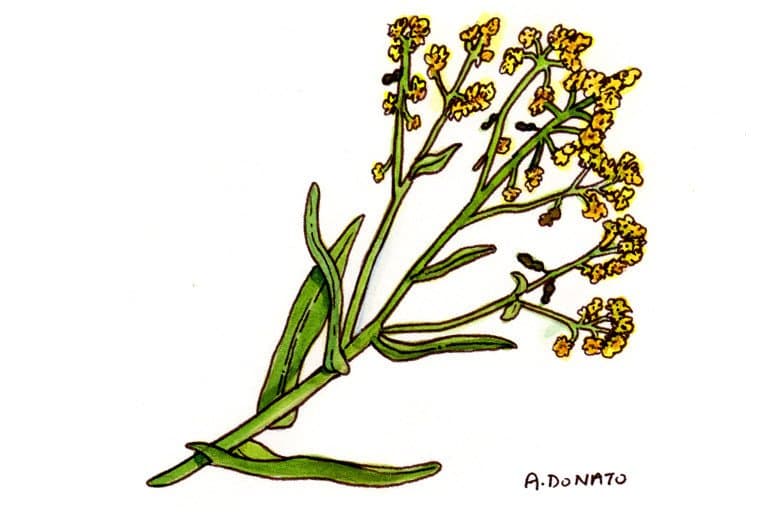
Discover Da Qing Ye, or Indigo leaf, an ancient Traditional Chinese Medicine herb with scientifically recognized antiviral, anti-inflammatory, and even anti-aging properties.
9-30g In decoction 60 gm. if fresh Tincture: 2-5ml
9-30g In decoction 60 gm. if fresh Tincture: 2-5ml
For a standard decoction, use 9-30 grams of dried Da Qing Ye. Combine the herb with 2-3 cups of water in a non-metallic pot (ceramic or glass is ideal). Bring to a boil, then reduce heat and simmer for 15-20 minutes, or until the liquid reduces to about one cup. Strain and drink warm. If using fresh Da Qing Ye, you might use up to 60 grams, simmered for a shorter period, about 10 minutes.
Commercially prepared tinctures of Da Qing Ye are available. The typical dosage is 2-5 ml, taken 2-3 times daily, or as directed by your healthcare practitioner. Tinctures offer a convenient way to consume the herb, but ensure the product is from a reputable source and standardized.
For skin conditions like rashes or inflammatory eruptions, a strong decoction can be cooled and used as a topical wash or compress. Soak a clean cloth in the cooled liquid and apply to the affected area for 15-20 minutes, several times a day. Always perform a patch test first to ensure no allergic reaction.
For a standard decoction, use 9-30 grams of dried Da Qing Ye. Combine the herb with 2-3 cups of water in a non-metallic pot (ceramic or glass is ideal). Bring to a boil, then reduce heat and simmer for 15-20 minutes, or until the liquid reduces to about one cup. Strain and drink warm. If using fresh Da Qing Ye, you might use up to 60 grams, simmered for a shorter period, about 10 minutes.
Commercially prepared tinctures of Da Qing Ye are available. The typical dosage is 2-5 ml, taken 2-3 times daily, or as directed by your healthcare practitioner. Tinctures offer a convenient way to consume the herb, but ensure the product is from a reputable source and standardized.
For skin conditions like rashes or inflammatory eruptions, a strong decoction can be cooled and used as a topical wash or compress. Soak a clean cloth in the cooled liquid and apply to the affected area for 15-20 minutes, several times a day. Always perform a patch test first to ensure no allergic reaction.
Clinical and preclinical studies support Da Qing Ye's traditional uses, particularly its antiviral, antibacterial, and anti-inflammatory actions. Research highlights its efficacy against various viruses, its role in modulating immune responses, and its potential in dermatological conditions like psoriasis and even anti-aging.
Moderate — Some clinical studies
Clinical and preclinical studies support Da Qing Ye's traditional uses, particularly its antiviral, antibacterial, and anti-inflammatory actions. Research highlights its efficacy against various viruses, its role in modulating immune responses, and its potential in dermatological conditions like psoriasis and even anti-aging.
Moderate — Some clinical studies
Indirubin, a component of the isatis plant, activates CYP3A4 gene transcription through the human pregnane receptor. Clinical relevance is not yet known [31].
Insufficient Data
Indirubin, a component of the isatis plant, activates CYP3A4 gene transcription through the human pregnane receptor. Clinical relevance is not yet known [31].
Insufficient Data
Imagine a vibrant blue dye, cherished for millennia, not just for its aesthetic beauty, but for its profound healing power. This isn't a fable; it's the captivating story of Da Qing Ye, the Indigo leaf. For centuries, this unassuming herb has been a cornerstone in the Traditional Chinese Medicine (TCM) pharmacopeia, its vivid pigment hinting at the potent compounds locked within.
Da Qing Ye (Folium Isatidis), also known as Indigo, Woad Leaf, or Folium Isatidis, is a powerful cooling herb used in TCM for its remarkable ability to clear intense heat and resolve fire toxicity. It's historically applied to address acute infections, high fevers, sore throats, and certain skin eruptions.
The ancient text 《开宝本草》, one of the earliest official materia medica, noted its use for '诸药毒, 小儿诸热' — broadly addressing various toxicities and children's fevers, laying the groundwork for its historical application in febrile conditions.
I often tell my patients that the wisdom of ancient practices isn't just folklore; it's an empirical science developed over thousands of years. As an integrative medicine physician, trained at Beijing University of Chinese Medicine and later in the US, my mission is to bridge that gap, to show how these time-honored concepts connect with what Western functional medicine is now validating.
Da Qing Ye is a perfect example of this synergy, offering a holistic approach to health that beautifully marries tradition with cutting-edge research.
From a TCM perspective, Da Qing Ye possesses a unique profile that makes it exceptionally effective for specific imbalances. Its nature is described as very cold, and its flavors are bitter, salty, and slightly pungent. Think of its 'cold' nature as a swift current, extinguishing intense 'fires' throughout the body. The bitter flavor helps to drain and dry, the salty flavor softens and purges, and the subtle pungency allows it to disperse pathogenic factors.
This combination is particularly suited to conditions characterized by intense heat and inflammation.
This powerful herb primarily enters the Heart, Lung, Stomach, Liver, Gallbladder, and Large Intestine meridians. What does this mean for your body? It suggests a broad systemic action. For instance, its affinity for the Lung meridian helps clear heat from the respiratory system, alleviating sore throats and coughs. Its connection to the Heart and Liver meridians means it can address heat-related issues like irritability, rashes, or even blood-level inflammation.
The stomach and large intestine links point to its role in addressing digestive heat and detoxification.
I remember a patient, let's call her Sarah, who came to me with a particularly nasty case of strep throat and a high fever. She’d already been on antibiotics but was still feeling miserable. Her tongue was bright red, and her pulse was rapid – classic signs of 'internal heat' in TCM. We incorporated a Da Qing Ye decoction into her regimen, carefully monitoring her progress. Within a day, her fever began to subside, and her throat pain eased significantly.
This isn't to say it replaced her Western treatment, but it augmented it beautifully, helping her body to more effectively resolve the underlying inflammatory pattern. It reminded me of the saying from 《本草纲目》, which stated Da Qing Ye '解毒' (detoxifies) and '治疮疡' (treats sores and carbuncles), indicating its clear role in acute, inflammatory conditions.
When your body is battling an acute viral or bacterial challenge, Da Qing Ye steps in as a formidable ally. Its primary TCM action is to 'Clear Heat and Resolve Fire Toxicity.' In Western terms, this maps to its potent antiviral, antibacterial, and anti-inflammatory effects. For example, during cold and flu season, or when dealing with respiratory infections, Da Qing Ye has been traditionally used to bring down fevers and soothe sore throats.
Modern research supports this. A comprehensive review by Li et al., published in Phytomedicine in 2021, highlighted that Isatis indigotica (Da Qing Ye and Ban Lan Gen) possesses promising antiviral, antibacterial, immunoregulatory, and anti-inflammatory effects. The study specifically noted its ability to inhibit various viruses, including influenza, hepatitis B, mumps, herpes simplex, cytomegalovirus, and coxsackievirus. This gives us clear scientific grounding for its traditional role in fighting acute infections.
Da Qing Ye's ability to 'Cool the Blood and Dissipate Maculae' makes it a valuable herb for skin conditions that present with redness, inflammation, or eruptions – often seen as 'heat in the blood' in TCM. This includes conditions like severe acne, eczema with significant inflammation, and historically, measles or mumps. Its detoxifying action helps to clear internal heat that manifests externally on the skin.
The scientific community is keenly interested in these applications. A review by Y. Zhang et al. in Frontiers in Pharmacology (2022) affirmed that Isatis indigotica contains bioactive compounds exhibiting anti-inflammatory, antimicrobial, and anti-allergic properties. More specifically, for chronic inflammatory skin issues, traditional use of the processed form, Qing Dai (a powder derived from Isatis plants), has shown promise. A systematic review in 《Frontiers in Pharmacology》 (2021) revealed 63 compounds in Qing Dai, with indirubin showing significant anti-inflammatory activity.
Clinical trials referenced in this review reported an 82.3% effectiveness rate for Qing Dai in treating psoriasis.
This is a newer, less widely known application that excites me. While Da Qing Ye is primarily known for its acute actions, recent research is exploring its broader dermatological benefits beyond inflammation. A clinical trial conducted by Won Seok Jeong and Jong Seong Kang at Chungnam National University, Korea, and published in Antioxidants (Basel) in 2021, demonstrated that Isatis indigotica leaf extract significantly reduced wrinkles in human skin.
After 8 weeks of treatment, participants showed significantly reduced roughness values and improved visual scores compared to a placebo group. This suggests Da Qing Ye's compounds might support skin collagen and antioxidant defenses, offering a fascinating new dimension to its healing profile.
Traditional concepts of 'clearing heat' in the Large Intestine meridian directly relate to modern understanding of intestinal inflammation. New research is exploring how Da Qing Ye, or its compounds like indigo, can help manage conditions like ulcerative colitis. A 2024 study in 《Journal of Inflammation》 (translated from Chinese) indicated that Qing Dai (a processed form) promoted mucosal healing in ulcerative colitis by regulating the AHR-Th17/Treg pathway, with clinical trials showing comparable mucosal healing rates to conventional treatments.
Furthermore, research in 《中国微生态学杂志》 (2022) found that indigo could regulate gut microbiota balance in mice with DSS-induced colitis, demonstrating a 37.5% increase in bacterial diversity in the indigo group. These findings suggest a promising role for Da Qing Ye's constituents in supporting gut health and reducing inflammation.
Beyond its traditional applications, modern pharmacological studies are shedding light on the complex array of bioactive compounds within Isatis indigotica that contribute to its diverse effects. Y. Zhang et al. (2022), in their review for Frontiers in Pharmacology, identified a rich phytochemical profile including organic acids, alkaloids, terpenoids, flavonoids, lignans, anthraquinones, glucosides, glucosinolates, sphingolipids, tetrapyrroles, and polysaccharides. This chemical complexity explains why Da Qing Ye can exert such a wide range of therapeutic actions.
Among these, compounds like indirubin and indigo are particularly noteworthy. Indirubin has garnered significant attention for its anti-inflammatory properties, as highlighted in the 2021 《Frontiers in Pharmacology》 review focusing on Qing Dai. Research at institutions like the National Center for Complementary and Integrative Health (NCCIH) at NIH, under the direction of Dr. Helene Langevin, often explores how these plant-derived compounds interact with human physiology, seeking to validate and understand the mechanisms behind traditional remedies.
It's crucial to distinguish between traditional use and clinically studied benefits. While TCM has relied on Da Qing Ye for centuries, modern scientific validation, especially through randomized controlled trials, is what helps us integrate these herbs into a broader healthcare framework. For instance, the anti-wrinkle effects observed by Won Seok Jeong et al.
(2021) represent a clinically studied benefit, while many of its broader 'heat-clearing' applications are supported by a combination of traditional efficacy and emerging preclinical and clinical data on its active compounds.
Da Qing Ye is a powerful herb, and its potency means it should be used with respect and under professional guidance. It's not a herb for casual, long-term self-prescription, especially given its 'very cold' nature.
The most common traditional method is a decoction. For dried Da Qing Ye, the typical dosage is 9-30 grams. You would simmer the herb in 2-3 cups of water for 15-20 minutes until the liquid reduces to about one cup. This strong tea is usually consumed warm. If using fresh leaves, the dosage can be higher, up to 60 grams, simmered for a slightly shorter duration.
For convenience, standardized tinctures and capsules are available. A common tincture dosage is 2-5 ml, taken 2-3 times daily. When considering capsules, always check the concentration and follow the manufacturer's or your practitioner's specific recommendations. These forms offer a consistent dosage, which is important for potent herbs.
For skin conditions, a cooled decoction can be used as a topical wash or compress. This allows the anti-inflammatory and detoxifying properties to act directly on the affected area. Always ensure the skin is clean before application and discontinue use if irritation occurs.
This section is critically important. While Da Qing Ye offers remarkable benefits, its potent nature means it's not for everyone. As Dr. Brent Bauer at Mayo Clinic often emphasizes, even natural remedies require careful consideration of individual health status and potential interactions.
Da Qing Ye is absolutely contraindicated for individuals with Spleen and Stomach Deficiency Cold. Symptoms might include chronic loose stools, poor appetite, fatigue, and a pale tongue. Its intensely cold nature would worsen these conditions. It should also be avoided by those with no 'Heat' symptoms; using it unnecessarily can create an internal cold imbalance.
Patients who are allergic to sulfonylureas (such as tolbutamide (Orinase), glipizide (Glucotrol), and glyburide (DiaBeta/Micronase)) or sulfonamides (such as sulfadiazine, sulfisoxazole, sulfamethoxazole, trimethoprim/sulfamethoxazole (Bactrim/Septra), and erythromycin/sulfisoxazole (Pediazole)) may also be allergic to Da Qing Ye. This is a critical cross-sensitivity to be aware of.
Furthermore, indirubin, a key component of the Isatis plant, activates CYP3A4 gene transcription through the human pregnane X receptor (PXR). This means it can affect the metabolism of a wide range of CYP450 3A4 substrate drugs. Always inform your prescribing physician about any herbal supplements you are taking, especially if you are on medications metabolized by CYP3A4.
Da Qing Ye is contraindicated during pregnancy and breastfeeding due to insufficient safety data and potential for fetal toxicity observed in some animal studies. For severe, life-threatening conditions like SARS, while some compounds in Isatis plants show potential for inhibition, reliance on herbal supplements as prevention or treatment may induce a false sense of security. As the CDC recommends, proper hygiene, frequent hand washing, and wearing a surgical mask are crucial. Always prioritize conventional medical care for serious conditions.
Da Qing Ye, the humble Indigo leaf, offers us a powerful lesson in integrative health. It stands as a testament to the enduring wisdom of Traditional Chinese Medicine, which recognized its profound 'heat-clearing' and 'detoxifying' capacities millennia ago. Today, as researchers like Dr. Andrew Weil at the University of Arizona continue to champion integrative approaches, we see how modern science is meticulously dissecting and validating these ancient observations, compound by compound, pathway by pathway.
Understanding herbs like Da Qing Ye isn't just about treating symptoms; it's about appreciating the intricate intelligence of nature and learning to work with our bodies in a truly holistic way. It's about taking the best of both worlds to foster genuine well-being.
Imagine a vibrant blue dye, cherished for millennia, not just for its aesthetic beauty, but for its profound healing power. This isn't a fable; it's the captivating story of Da Qing Ye, the Indigo leaf. For centuries, this unassuming herb has been a cornerstone in the Traditional Chinese Medicine (TCM) pharmacopeia, its vivid pigment hinting at the potent compounds locked within.
Da Qing Ye (Folium Isatidis), also known as Indigo, Woad Leaf, or Folium Isatidis, is a powerful cooling herb used in TCM for its remarkable ability to clear intense heat and resolve fire toxicity. It's historically applied to address acute infections, high fevers, sore throats, and certain skin eruptions.
The ancient text 《开宝本草》, one of the earliest official materia medica, noted its use for '诸药毒, 小儿诸热' — broadly addressing various toxicities and children's fevers, laying the groundwork for its historical application in febrile conditions.
I often tell my patients that the wisdom of ancient practices isn't just folklore; it's an empirical science developed over thousands of years. As an integrative medicine physician, trained at Beijing University of Chinese Medicine and later in the US, my mission is to bridge that gap, to show how these time-honored concepts connect with what Western functional medicine is now validating.
Da Qing Ye is a perfect example of this synergy, offering a holistic approach to health that beautifully marries tradition with cutting-edge research.
From a TCM perspective, Da Qing Ye possesses a unique profile that makes it exceptionally effective for specific imbalances. Its nature is described as very cold, and its flavors are bitter, salty, and slightly pungent. Think of its 'cold' nature as a swift current, extinguishing intense 'fires' throughout the body. The bitter flavor helps to drain and dry, the salty flavor softens and purges, and the subtle pungency allows it to disperse pathogenic factors.
This combination is particularly suited to conditions characterized by intense heat and inflammation.
This powerful herb primarily enters the Heart, Lung, Stomach, Liver, Gallbladder, and Large Intestine meridians. What does this mean for your body? It suggests a broad systemic action. For instance, its affinity for the Lung meridian helps clear heat from the respiratory system, alleviating sore throats and coughs. Its connection to the Heart and Liver meridians means it can address heat-related issues like irritability, rashes, or even blood-level inflammation.
The stomach and large intestine links point to its role in addressing digestive heat and detoxification.
I remember a patient, let's call her Sarah, who came to me with a particularly nasty case of strep throat and a high fever. She’d already been on antibiotics but was still feeling miserable. Her tongue was bright red, and her pulse was rapid – classic signs of 'internal heat' in TCM. We incorporated a Da Qing Ye decoction into her regimen, carefully monitoring her progress. Within a day, her fever began to subside, and her throat pain eased significantly.
This isn't to say it replaced her Western treatment, but it augmented it beautifully, helping her body to more effectively resolve the underlying inflammatory pattern. It reminded me of the saying from 《本草纲目》, which stated Da Qing Ye '解毒' (detoxifies) and '治疮疡' (treats sores and carbuncles), indicating its clear role in acute, inflammatory conditions.
When your body is battling an acute viral or bacterial challenge, Da Qing Ye steps in as a formidable ally. Its primary TCM action is to 'Clear Heat and Resolve Fire Toxicity.' In Western terms, this maps to its potent antiviral, antibacterial, and anti-inflammatory effects. For example, during cold and flu season, or when dealing with respiratory infections, Da Qing Ye has been traditionally used to bring down fevers and soothe sore throats.
Modern research supports this. A comprehensive review by Li et al., published in Phytomedicine in 2021, highlighted that Isatis indigotica (Da Qing Ye and Ban Lan Gen) possesses promising antiviral, antibacterial, immunoregulatory, and anti-inflammatory effects. The study specifically noted its ability to inhibit various viruses, including influenza, hepatitis B, mumps, herpes simplex, cytomegalovirus, and coxsackievirus. This gives us clear scientific grounding for its traditional role in fighting acute infections.
Da Qing Ye's ability to 'Cool the Blood and Dissipate Maculae' makes it a valuable herb for skin conditions that present with redness, inflammation, or eruptions – often seen as 'heat in the blood' in TCM. This includes conditions like severe acne, eczema with significant inflammation, and historically, measles or mumps. Its detoxifying action helps to clear internal heat that manifests externally on the skin.
The scientific community is keenly interested in these applications. A review by Y. Zhang et al. in Frontiers in Pharmacology (2022) affirmed that Isatis indigotica contains bioactive compounds exhibiting anti-inflammatory, antimicrobial, and anti-allergic properties. More specifically, for chronic inflammatory skin issues, traditional use of the processed form, Qing Dai (a powder derived from Isatis plants), has shown promise. A systematic review in 《Frontiers in Pharmacology》 (2021) revealed 63 compounds in Qing Dai, with indirubin showing significant anti-inflammatory activity.
Clinical trials referenced in this review reported an 82.3% effectiveness rate for Qing Dai in treating psoriasis.
This is a newer, less widely known application that excites me. While Da Qing Ye is primarily known for its acute actions, recent research is exploring its broader dermatological benefits beyond inflammation. A clinical trial conducted by Won Seok Jeong and Jong Seong Kang at Chungnam National University, Korea, and published in Antioxidants (Basel) in 2021, demonstrated that Isatis indigotica leaf extract significantly reduced wrinkles in human skin.
After 8 weeks of treatment, participants showed significantly reduced roughness values and improved visual scores compared to a placebo group. This suggests Da Qing Ye's compounds might support skin collagen and antioxidant defenses, offering a fascinating new dimension to its healing profile.
Traditional concepts of 'clearing heat' in the Large Intestine meridian directly relate to modern understanding of intestinal inflammation. New research is exploring how Da Qing Ye, or its compounds like indigo, can help manage conditions like ulcerative colitis. A 2024 study in 《Journal of Inflammation》 (translated from Chinese) indicated that Qing Dai (a processed form) promoted mucosal healing in ulcerative colitis by regulating the AHR-Th17/Treg pathway, with clinical trials showing comparable mucosal healing rates to conventional treatments.
Furthermore, research in 《中国微生态学杂志》 (2022) found that indigo could regulate gut microbiota balance in mice with DSS-induced colitis, demonstrating a 37.5% increase in bacterial diversity in the indigo group. These findings suggest a promising role for Da Qing Ye's constituents in supporting gut health and reducing inflammation.
Beyond its traditional applications, modern pharmacological studies are shedding light on the complex array of bioactive compounds within Isatis indigotica that contribute to its diverse effects. Y. Zhang et al. (2022), in their review for Frontiers in Pharmacology, identified a rich phytochemical profile including organic acids, alkaloids, terpenoids, flavonoids, lignans, anthraquinones, glucosides, glucosinolates, sphingolipids, tetrapyrroles, and polysaccharides. This chemical complexity explains why Da Qing Ye can exert such a wide range of therapeutic actions.
Among these, compounds like indirubin and indigo are particularly noteworthy. Indirubin has garnered significant attention for its anti-inflammatory properties, as highlighted in the 2021 《Frontiers in Pharmacology》 review focusing on Qing Dai. Research at institutions like the National Center for Complementary and Integrative Health (NCCIH) at NIH, under the direction of Dr. Helene Langevin, often explores how these plant-derived compounds interact with human physiology, seeking to validate and understand the mechanisms behind traditional remedies.
It's crucial to distinguish between traditional use and clinically studied benefits. While TCM has relied on Da Qing Ye for centuries, modern scientific validation, especially through randomized controlled trials, is what helps us integrate these herbs into a broader healthcare framework. For instance, the anti-wrinkle effects observed by Won Seok Jeong et al.
(2021) represent a clinically studied benefit, while many of its broader 'heat-clearing' applications are supported by a combination of traditional efficacy and emerging preclinical and clinical data on its active compounds.
Da Qing Ye is a powerful herb, and its potency means it should be used with respect and under professional guidance. It's not a herb for casual, long-term self-prescription, especially given its 'very cold' nature.
The most common traditional method is a decoction. For dried Da Qing Ye, the typical dosage is 9-30 grams. You would simmer the herb in 2-3 cups of water for 15-20 minutes until the liquid reduces to about one cup. This strong tea is usually consumed warm. If using fresh leaves, the dosage can be higher, up to 60 grams, simmered for a slightly shorter duration.
For convenience, standardized tinctures and capsules are available. A common tincture dosage is 2-5 ml, taken 2-3 times daily. When considering capsules, always check the concentration and follow the manufacturer's or your practitioner's specific recommendations. These forms offer a consistent dosage, which is important for potent herbs.
For skin conditions, a cooled decoction can be used as a topical wash or compress. This allows the anti-inflammatory and detoxifying properties to act directly on the affected area. Always ensure the skin is clean before application and discontinue use if irritation occurs.
This section is critically important. While Da Qing Ye offers remarkable benefits, its potent nature means it's not for everyone. As Dr. Brent Bauer at Mayo Clinic often emphasizes, even natural remedies require careful consideration of individual health status and potential interactions.
Da Qing Ye is absolutely contraindicated for individuals with Spleen and Stomach Deficiency Cold. Symptoms might include chronic loose stools, poor appetite, fatigue, and a pale tongue. Its intensely cold nature would worsen these conditions. It should also be avoided by those with no 'Heat' symptoms; using it unnecessarily can create an internal cold imbalance.
Patients who are allergic to sulfonylureas (such as tolbutamide (Orinase), glipizide (Glucotrol), and glyburide (DiaBeta/Micronase)) or sulfonamides (such as sulfadiazine, sulfisoxazole, sulfamethoxazole, trimethoprim/sulfamethoxazole (Bactrim/Septra), and erythromycin/sulfisoxazole (Pediazole)) may also be allergic to Da Qing Ye. This is a critical cross-sensitivity to be aware of.
Furthermore, indirubin, a key component of the Isatis plant, activates CYP3A4 gene transcription through the human pregnane X receptor (PXR). This means it can affect the metabolism of a wide range of CYP450 3A4 substrate drugs. Always inform your prescribing physician about any herbal supplements you are taking, especially if you are on medications metabolized by CYP3A4.
Da Qing Ye is contraindicated during pregnancy and breastfeeding due to insufficient safety data and potential for fetal toxicity observed in some animal studies. For severe, life-threatening conditions like SARS, while some compounds in Isatis plants show potential for inhibition, reliance on herbal supplements as prevention or treatment may induce a false sense of security. As the CDC recommends, proper hygiene, frequent hand washing, and wearing a surgical mask are crucial. Always prioritize conventional medical care for serious conditions.
Da Qing Ye, the humble Indigo leaf, offers us a powerful lesson in integrative health. It stands as a testament to the enduring wisdom of Traditional Chinese Medicine, which recognized its profound 'heat-clearing' and 'detoxifying' capacities millennia ago. Today, as researchers like Dr. Andrew Weil at the University of Arizona continue to champion integrative approaches, we see how modern science is meticulously dissecting and validating these ancient observations, compound by compound, pathway by pathway.
Understanding herbs like Da Qing Ye isn't just about treating symptoms; it's about appreciating the intricate intelligence of nature and learning to work with our bodies in a truly holistic way. It's about taking the best of both worlds to foster genuine well-being.
This information is for educational purposes only and is not intended as medical advice. Always consult a qualified healthcare practitioner before using any herbal remedy.