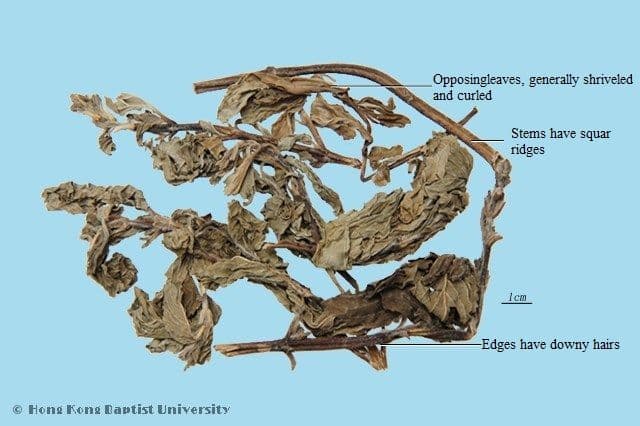
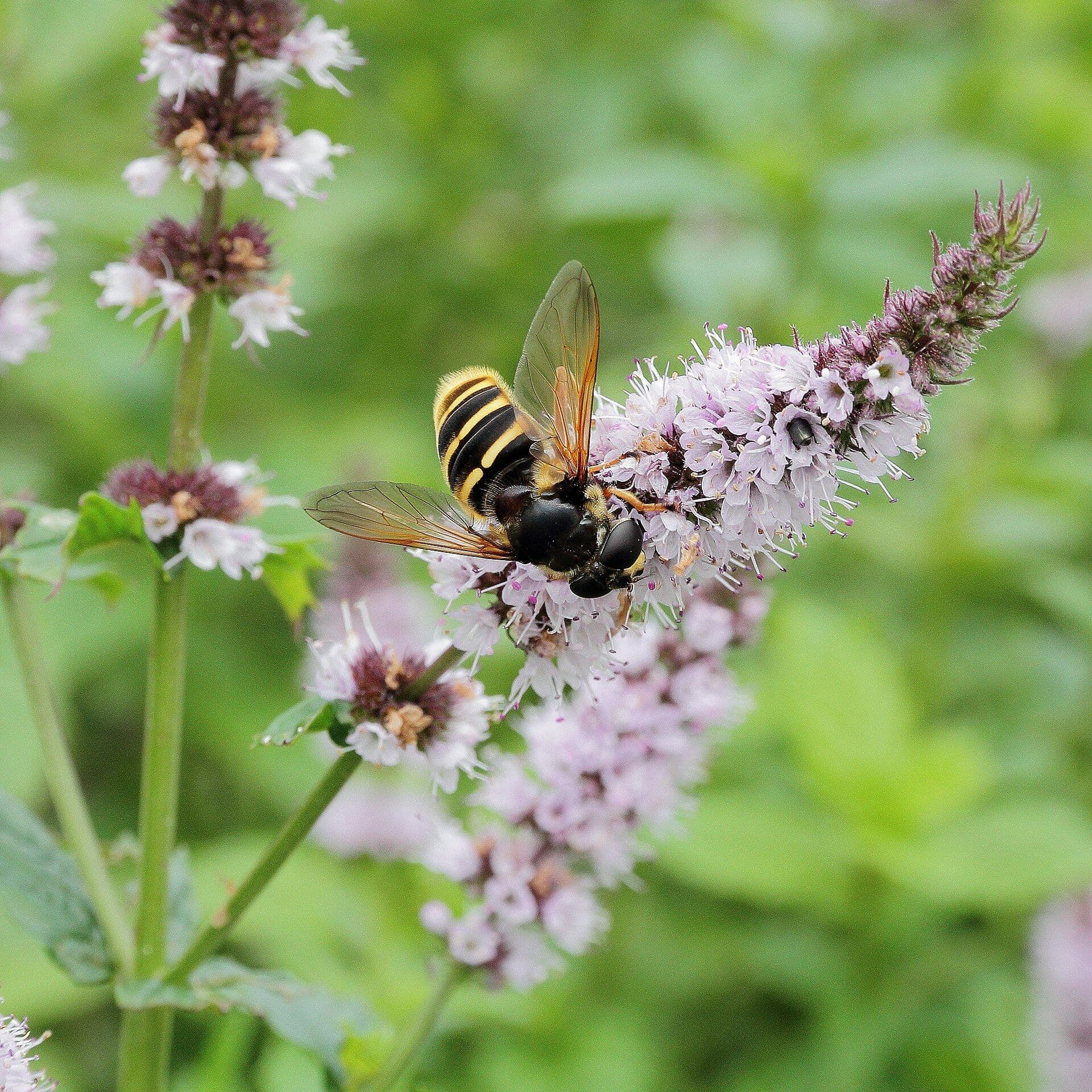
薄荷 · Bo He
Herba Menthae Haplocalycis
Discover Bo He (Chinese Field Mint), a cooling herb rooted in Traditional Chinese Medicine, now validated by modern science for its ability to soothe digestion, clear your head, and calm the spirit.
1.5-30g (3-6g typical); Tincture: 2-3ml
For a simple herbal tea, steep 3-6 grams of dried Bo He leaves in 8-12 ounces of hot water for 5-10 minutes. For inclusion in a traditional TCM decoction (a cooked herbal formula), Bo He is typically added during the last 5-10 minutes of cooking to preserve its volatile aromatic compounds, which are key to its therapeutic effects. Do not boil for extended periods.
As a concentrated liquid extract, Bo He tincture can be taken orally. The typical dosage is 2-3 milliliters, usually diluted in a small amount of water, 2-3 times daily. Always follow the specific instructions on the product label, as concentrations can vary between manufacturers.
Standardized Bo He extracts are available in capsule form. Dosage will vary widely depending on the concentration of the extract. Always adhere strictly to the manufacturer's recommended dosage on the product label. These forms are often used for targeted digestive support.
For a simple herbal tea, steep 3-6 grams of dried Bo He leaves in 8-12 ounces of hot water for 5-10 minutes. For inclusion in a traditional TCM decoction (a cooked herbal formula), Bo He is typically added during the last 5-10 minutes of cooking to preserve its volatile aromatic compounds, which are key to its therapeutic effects. Do not boil for extended periods.
As a concentrated liquid extract, Bo He tincture can be taken orally. The typical dosage is 2-3 milliliters, usually diluted in a small amount of water, 2-3 times daily. Always follow the specific instructions on the product label, as concentrations can vary between manufacturers.
Standardized Bo He extracts are available in capsule form. Dosage will vary widely depending on the concentration of the extract. Always adhere strictly to the manufacturer's recommended dosage on the product label. These forms are often used for targeted digestive support.
The scientific evidence for Mentha species, particularly peppermint oil, is quite robust for digestive conditions like irritable bowel syndrome (IBS) and functional dyspepsia, showing significant reductions in abdominal pain and discomfort across multiple clinical trials. In vitro studies point to anti-inflammatory mechanisms. While broader Mentha research exists, specific clinical trials on Mentha haplocalycis are less numerous, yet traditional use is extensive.
Moderate — Some clinical studies
The scientific evidence for Mentha species, particularly peppermint oil, is quite robust for digestive conditions like irritable bowel syndrome (IBS) and functional dyspepsia, showing significant reductions in abdominal pain and discomfort across multiple clinical trials. In vitro studies point to anti-inflammatory mechanisms. While broader Mentha research exists, specific clinical trials on Mentha haplocalycis are less numerous, yet traditional use is extensive.
Moderate — Some clinical studies
Peppermint oil has been reported to increase bioavailability of felodipine (Plendil) (28). Clinical relevance has yet to be determined.
Peppermint oil increases the bioavailability of cyclosporine in rats (29). However, a patient with renal transplant had decreased cyclosporine level after consumption of herbal tea containing peppermint (30).
Peppermint oil was shown to inhibit CYP1A2/2C8/2C9/2C19/2D6 and 3A4 enzymes and can affect the intracellular concentration of drugs metabolized by these enzymes (28) (31) (2). Clinical relevance is not known.
Peppermint oil, when applied externally, can increase dermal absorption of 5-fluorouracil (32). Clinical significance is not known.
Commonly used chemotherapy agents including docetaxel and cisplatin: A study reported minor to moderate HDIs with concurrent use of peppermint (62).
Insufficient Data
Peppermint oil has been reported to increase bioavailability of felodipine (Plendil) (28). Clinical relevance has yet to be determined.
Peppermint oil increases the bioavailability of cyclosporine in rats (29). However, a patient with renal transplant had decreased cyclosporine level after consumption of herbal tea containing peppermint (30).
Peppermint oil was shown to inhibit CYP1A2/2C8/2C9/2C19/2D6 and 3A4 enzymes and can affect the intracellular concentration of drugs metabolized by these enzymes (28) (31) (2). Clinical relevance is not known.
Peppermint oil, when applied externally, can increase dermal absorption of 5-fluorouracil (32). Clinical significance is not known.
Commonly used chemotherapy agents including docetaxel and cisplatin: A study reported minor to moderate HDIs with concurrent use of peppermint (62).
Insufficient Data
The memory of my grandmother's kitchen often brings with it the clean, sharp scent of mint. Not the vibrant, sometimes overwhelming peppermint you find in candy canes, but a subtler, earthier aroma—the scent of Bo He. She would often crush a few fresh leaves into a cup of hot water, a simple remedy for a stuffy nose or a weary mind after a long day in the fields.
It was her quiet ritual, a testament to an herb that has graced Chinese medicine for millennia.
Bo He (Herba Menthae Haplocalycis), also known as Chinese Field Mint or simply Mentha, is a profoundly versatile aromatic herb used in Traditional Chinese Medicine (TCM) primarily for dispelling external 'Wind-Heat' conditions, clearing the head and senses, and soothing digestive and emotional disharmonies. Its essence is woven deeply into the fabric of Chinese healing, a bridge between the palpable world of plants and the invisible currents of our inner landscape.
As an integrative medicine physician, I’ve spent 15 years helping patients understand how these ancient concepts map onto modern health science. Bo He is a perfect example of this synergy. You see, the wisdom isn't just folklore; it's often an intuitive understanding of pharmacology that predates our microscopes.
The esteemed Bencao Gangmu, a foundational text in Chinese herbalism, succinctly states: “薄荷,辛能发散,凉能清利,专于消风散热” – meaning Bo He, with its acrid nature, disperses, and its cool nature clears, specifically excelling at dispelling wind and clearing heat. This ancient observation sets the stage for its wide-ranging benefits.
In the intricate language of Traditional Chinese Medicine, every herb possesses a unique energetic signature, a 'nature' and 'flavor' that guides its therapeutic application. Bo He is described as Cool in nature and Acrid and Aromatic in flavor. Think of 'Cool' as its ability to reduce inflammation and heat in the body, much like how Western medicine might use an anti-inflammatory drug.
The 'Acrid' flavor suggests a dispersing and moving action—it helps things flow, whether it’s sweat from the skin to release a fever, or stagnant energy that’s causing discomfort. Its 'Aromatic' quality speaks to its ability to penetrate and invigorate, particularly influencing the senses and mental clarity.
Bo He has a specific affinity for the Lung and Liver meridians. The Lung meridian, in TCM, governs respiration, the skin, and our 'defensive energy' (Wei Qi) that protects us from external pathogens. This explains Bo He's role in addressing colds and skin rashes. The Liver meridian, on the other hand, is responsible for the smooth flow of Qi (life force) throughout the body, regulating emotions, digestion, and even menstrual cycles.
When Liver Qi gets 'stagnant'—often due to stress—we feel irritable, tense, and might experience digestive upset. Bo He gently moves this stagnant Qi, restoring harmony.
I recall a patient, a young woman named Sarah, who came to me with chronic headaches and a persistent feeling of being 'stuck'—emotionally and physically. Her Western doctors had offered various medications, but nothing truly eased the underlying tension. After carefully assessing her TCM pattern, which showed significant Liver Qi Stagnation and occasional 'Wind-Heat' headaches, I incorporated Bo He into her herbal formula. Within weeks, she noticed a remarkable shift.
The headaches became less frequent, and she felt a lightness, a sense of emotional release she hadn't experienced in years. It’s this holistic connection—from the physical symptoms to the emotional undercurrents—that makes Bo He so profound.
When you feel that familiar scratch in your throat or a dull ache beginning behind your eyes, Bo He is often the first herb I consider. In TCM, these are classic signs of an external 'Wind-Heat' invasion, like the common cold or flu. Bo He's acrid, cooling properties allow it to gently push these pathogenic factors out through the surface of the body, much like how a light sweat can make you feel better when you’re feverish.
It effectively 'disperses Wind-Heat,' clearing congestion, easing headaches, and soothing a sore throat. This action also extends to 'cooling and clearing the head and eyes,' making it useful for conditions like red, irritated eyes or frontal headaches associated with heat.
Many of us experience occasional bloating, indigestion, or abdominal pain. In TCM, these symptoms are frequently linked to 'Stagnation of Liver Qi,' where the smooth flow of digestive and emotional energy becomes obstructed. Bo He is exceptional at 'relieving Stagnation of Liver Qi,' gently promoting the movement of Qi and easing discomfort. This traditional understanding finds strong validation in modern research.
A systematic review of 16 clinical trials, published in MDPI (Pharmaceuticals) in 2025, confirmed that Mentha species, particularly Mentha oil, significantly reduced abdominal pain and discomfort in patients with irritable bowel syndrome (IBS), functional dyspepsia, and functional abdominal pain. This makes Bo He a powerful ally for a calm and happy gut.
Our emotional and physical states are inextricably linked, a core tenet of TCM. When we experience prolonged stress, frustration, or anger, our Liver Qi can become stagnant, leading to a cascade of symptoms like irritability, mood swings, premenstrual tension (PMS), or a feeling of a lump in the throat. Because Bo He 'relieves Stagnation of Liver Qi,' it helps to smooth the flow of energy, promoting emotional ease and reducing physical tension often associated with stress.
Its aromatic qualities can also have a calming effect on the nervous system, helping to 'expel turbid filth' that clouds the mind.
The skin, in TCM, is intimately connected to the Lung meridian. When there's 'heat' manifesting on the skin—like in the early stages of a rash, hives, or even insect bites—Bo He's cooling and dispersing actions can be beneficial. It's said to 'vent rashes,' helping to bring suppressed heat or toxins to the surface for release, or to cool down superficial inflammation.
A poultice or a wash made from Bo He can provide symptomatic relief for minor skin irritations, reducing redness and itchiness.
While TCM has relied on centuries of empirical observation, modern science is increasingly providing a mechanistic understanding of Bo He's actions. Much of the contemporary research on 'mint' often refers to the broader Mentha genus, particularly Mentha piperita (peppermint). However, studies specifically focusing on Mentha haplocalycis are emerging, confirming its unique profile. Research by 姜慧 and colleagues in 《中国实验方剂学杂志》 (2022) systematically verified Mentha haplocalyx as the predominant species, accounting for 68.
3%, in classical Chinese herbal formulas, establishing its historical and ongoing relevance.
The digestive benefits of mint are particularly well-supported. A comprehensive systematic review of 16 clinical trials published in MDPI (Pharmaceuticals) in 2025 indicated that Mentha species, especially Mentha oil, significantly reduced abdominal pain and discomfort in patients with irritable bowel syndrome (IBS), functional dyspepsia, and functional abdominal pain. This aligns perfectly with Bo He's traditional use for 'relieving Stagnation of Liver Qi' and 'expelling turbid filth' in the digestive tract.
Beyond digestion, laboratory studies highlight its anti-inflammatory potential. Researchers Xiangyang Chen and Shujing Zhang from Beijing University of Chinese Medicine, along with their team (Xuan, Z., et al.), published findings in Molecules (2017) showing that the phenolic fraction of Mentha haplocalyx and its constituent linarin demonstrated anti-inflammatory effects. They achieved this by inactivating NF-κB and MAPKs in lipopolysaccharide-induced RAW264.7 cells, suggesting a molecular basis for its cooling and pain-relieving actions, especially relevant to its use for 'Wind-Heat' conditions.
While a 2024 systematic review and meta-analysis on ResearchGate found that Mentha consumption might not have a statistically significant effect on lowering systolic and diastolic blood pressure overall, it did note a clinically significant reduction in participants over 30 years old or with elevated blood pressure. This nuanced finding reminds us that herbal remedies often work subtly and can be more impactful for specific populations or patterns, a concept deeply understood in TCM's individualized approach.
Bo He is generally quite easy to incorporate into your wellness routine. The most common and traditional way is as a tea or within a decoction. When making a tea, the typical dosage for dried Bo He leaves is 3-6 grams, steeped in hot water for about 5-10 minutes.
Because its active aromatic compounds are volatile, avoid prolonged boiling if you're making a decoction with other herbs; add Bo He in the last 5-10 minutes of cooking to preserve its potency.
For more concentrated forms, a tincture can be a convenient option, with a typical dosage of 2-3 milliliters, usually taken 2-3 times daily. You'll find Bo He also available in capsules or extracts, particularly for digestive support. Always follow the specific instructions and dosages provided by the manufacturer for these processed forms, as potency can vary significantly.
I often suggest a simple Bo He tea to my patients for immediate relief from a nascent cold or a stress-induced headache. One patient, Mark, a busy graphic designer, found that a cup of Bo He tea mid-afternoon not only helped clear his 'computer-screen eyes' but also offered a gentle pause, diffusing the tension that often built up in his shoulders and neck.
It was more than just the herb; it was the ritual of mindful self-care that resonated with him.
While the database dosage ranges from 1.5-30g, the typical daily dosage for decoction or tea is indeed 3-6g. Higher doses might be used in acute situations under professional guidance.
It is crucial to understand that while Bo He is generally safe for most people in appropriate dosages, there are specific contraindications and potential drug interactions that must be taken seriously.
Contraindications: Bo He is contraindicated for individuals with Exterior Deficiency (marked by spontaneous sweating), as its dispersing action could exacerbate this. It should also be avoided by those with Liver Yang Rising, Yin Deficiency with Heat signs, or Blood Deficiency due to Yin Deficiency Heat. In these patterns, Bo He's cooling and dispersing nature could further deplete precious Yin or Blood, worsening the condition. Furthermore, it is not recommended for nursing mothers, as it may lead to insufficient lactation.
If you are pregnant, please consult your healthcare provider before considering Bo He.
Drug Interactions: Be aware of potential interactions with prescription medications. Peppermint oil has been reported to increase the bioavailability of felodipine (Plendil), a common blood pressure medication. Similarly, it can increase the bioavailability of cyclosporine, an immunosuppressant. Critically, peppermint oil has been shown to inhibit various Cytochrome P450 enzymes (CYP1A2/2C8/2C9/2C19/2D6 and 3A4).
These enzymes are responsible for metabolizing a vast array of medications, meaning Bo He could potentially alter the efficacy or increase the side effects of many drugs you might be taking. Always inform your physician and pharmacist about any herbs you are using.
Lastly, the volatile oil components of Bo He, particularly menthol, can have both therapeutic and toxic effects. Research by 何希望 et al. in 《中国药物警戒》 (2011) indicated that menthol content exceeding 60% can lead to liver toxicity. This underscores the importance of using high-quality, appropriately processed herbs and adhering to recommended dosages under professional guidance.
Bo He, in its simplicity, offers a profound lesson in integrative health. It reminds us that sometimes the most potent remedies are those that gently guide the body back to balance, rather than forcefully suppress symptoms. Its refreshing aroma is more than just a pleasant smell; it's a testament to its ability to open, clear, and soothe—from the congested respiratory passages to the turbulent digestive system, and even the constrained emotions of a stressed mind.
As we continue to unravel the complex biochemistry of herbs, the enduring wisdom of Bo He persists, a cool, clear breath of nature's own medicine, inviting us to find harmony in its aromatic embrace.
The memory of my grandmother's kitchen often brings with it the clean, sharp scent of mint. Not the vibrant, sometimes overwhelming peppermint you find in candy canes, but a subtler, earthier aroma—the scent of Bo He. She would often crush a few fresh leaves into a cup of hot water, a simple remedy for a stuffy nose or a weary mind after a long day in the fields.
It was her quiet ritual, a testament to an herb that has graced Chinese medicine for millennia.
Bo He (Herba Menthae Haplocalycis), also known as Chinese Field Mint or simply Mentha, is a profoundly versatile aromatic herb used in Traditional Chinese Medicine (TCM) primarily for dispelling external 'Wind-Heat' conditions, clearing the head and senses, and soothing digestive and emotional disharmonies. Its essence is woven deeply into the fabric of Chinese healing, a bridge between the palpable world of plants and the invisible currents of our inner landscape.
As an integrative medicine physician, I’ve spent 15 years helping patients understand how these ancient concepts map onto modern health science. Bo He is a perfect example of this synergy. You see, the wisdom isn't just folklore; it's often an intuitive understanding of pharmacology that predates our microscopes.
The esteemed Bencao Gangmu, a foundational text in Chinese herbalism, succinctly states: “薄荷,辛能发散,凉能清利,专于消风散热” – meaning Bo He, with its acrid nature, disperses, and its cool nature clears, specifically excelling at dispelling wind and clearing heat. This ancient observation sets the stage for its wide-ranging benefits.
In the intricate language of Traditional Chinese Medicine, every herb possesses a unique energetic signature, a 'nature' and 'flavor' that guides its therapeutic application. Bo He is described as Cool in nature and Acrid and Aromatic in flavor. Think of 'Cool' as its ability to reduce inflammation and heat in the body, much like how Western medicine might use an anti-inflammatory drug.
The 'Acrid' flavor suggests a dispersing and moving action—it helps things flow, whether it’s sweat from the skin to release a fever, or stagnant energy that’s causing discomfort. Its 'Aromatic' quality speaks to its ability to penetrate and invigorate, particularly influencing the senses and mental clarity.
Bo He has a specific affinity for the Lung and Liver meridians. The Lung meridian, in TCM, governs respiration, the skin, and our 'defensive energy' (Wei Qi) that protects us from external pathogens. This explains Bo He's role in addressing colds and skin rashes. The Liver meridian, on the other hand, is responsible for the smooth flow of Qi (life force) throughout the body, regulating emotions, digestion, and even menstrual cycles.
When Liver Qi gets 'stagnant'—often due to stress—we feel irritable, tense, and might experience digestive upset. Bo He gently moves this stagnant Qi, restoring harmony.
I recall a patient, a young woman named Sarah, who came to me with chronic headaches and a persistent feeling of being 'stuck'—emotionally and physically. Her Western doctors had offered various medications, but nothing truly eased the underlying tension. After carefully assessing her TCM pattern, which showed significant Liver Qi Stagnation and occasional 'Wind-Heat' headaches, I incorporated Bo He into her herbal formula. Within weeks, she noticed a remarkable shift.
The headaches became less frequent, and she felt a lightness, a sense of emotional release she hadn't experienced in years. It’s this holistic connection—from the physical symptoms to the emotional undercurrents—that makes Bo He so profound.
When you feel that familiar scratch in your throat or a dull ache beginning behind your eyes, Bo He is often the first herb I consider. In TCM, these are classic signs of an external 'Wind-Heat' invasion, like the common cold or flu. Bo He's acrid, cooling properties allow it to gently push these pathogenic factors out through the surface of the body, much like how a light sweat can make you feel better when you’re feverish.
It effectively 'disperses Wind-Heat,' clearing congestion, easing headaches, and soothing a sore throat. This action also extends to 'cooling and clearing the head and eyes,' making it useful for conditions like red, irritated eyes or frontal headaches associated with heat.
Many of us experience occasional bloating, indigestion, or abdominal pain. In TCM, these symptoms are frequently linked to 'Stagnation of Liver Qi,' where the smooth flow of digestive and emotional energy becomes obstructed. Bo He is exceptional at 'relieving Stagnation of Liver Qi,' gently promoting the movement of Qi and easing discomfort. This traditional understanding finds strong validation in modern research.
A systematic review of 16 clinical trials, published in MDPI (Pharmaceuticals) in 2025, confirmed that Mentha species, particularly Mentha oil, significantly reduced abdominal pain and discomfort in patients with irritable bowel syndrome (IBS), functional dyspepsia, and functional abdominal pain. This makes Bo He a powerful ally for a calm and happy gut.
Our emotional and physical states are inextricably linked, a core tenet of TCM. When we experience prolonged stress, frustration, or anger, our Liver Qi can become stagnant, leading to a cascade of symptoms like irritability, mood swings, premenstrual tension (PMS), or a feeling of a lump in the throat. Because Bo He 'relieves Stagnation of Liver Qi,' it helps to smooth the flow of energy, promoting emotional ease and reducing physical tension often associated with stress.
Its aromatic qualities can also have a calming effect on the nervous system, helping to 'expel turbid filth' that clouds the mind.
The skin, in TCM, is intimately connected to the Lung meridian. When there's 'heat' manifesting on the skin—like in the early stages of a rash, hives, or even insect bites—Bo He's cooling and dispersing actions can be beneficial. It's said to 'vent rashes,' helping to bring suppressed heat or toxins to the surface for release, or to cool down superficial inflammation.
A poultice or a wash made from Bo He can provide symptomatic relief for minor skin irritations, reducing redness and itchiness.
While TCM has relied on centuries of empirical observation, modern science is increasingly providing a mechanistic understanding of Bo He's actions. Much of the contemporary research on 'mint' often refers to the broader Mentha genus, particularly Mentha piperita (peppermint). However, studies specifically focusing on Mentha haplocalycis are emerging, confirming its unique profile. Research by 姜慧 and colleagues in 《中国实验方剂学杂志》 (2022) systematically verified Mentha haplocalyx as the predominant species, accounting for 68.
3%, in classical Chinese herbal formulas, establishing its historical and ongoing relevance.
The digestive benefits of mint are particularly well-supported. A comprehensive systematic review of 16 clinical trials published in MDPI (Pharmaceuticals) in 2025 indicated that Mentha species, especially Mentha oil, significantly reduced abdominal pain and discomfort in patients with irritable bowel syndrome (IBS), functional dyspepsia, and functional abdominal pain. This aligns perfectly with Bo He's traditional use for 'relieving Stagnation of Liver Qi' and 'expelling turbid filth' in the digestive tract.
Beyond digestion, laboratory studies highlight its anti-inflammatory potential. Researchers Xiangyang Chen and Shujing Zhang from Beijing University of Chinese Medicine, along with their team (Xuan, Z., et al.), published findings in Molecules (2017) showing that the phenolic fraction of Mentha haplocalyx and its constituent linarin demonstrated anti-inflammatory effects. They achieved this by inactivating NF-κB and MAPKs in lipopolysaccharide-induced RAW264.7 cells, suggesting a molecular basis for its cooling and pain-relieving actions, especially relevant to its use for 'Wind-Heat' conditions.
While a 2024 systematic review and meta-analysis on ResearchGate found that Mentha consumption might not have a statistically significant effect on lowering systolic and diastolic blood pressure overall, it did note a clinically significant reduction in participants over 30 years old or with elevated blood pressure. This nuanced finding reminds us that herbal remedies often work subtly and can be more impactful for specific populations or patterns, a concept deeply understood in TCM's individualized approach.
Bo He is generally quite easy to incorporate into your wellness routine. The most common and traditional way is as a tea or within a decoction. When making a tea, the typical dosage for dried Bo He leaves is 3-6 grams, steeped in hot water for about 5-10 minutes.
Because its active aromatic compounds are volatile, avoid prolonged boiling if you're making a decoction with other herbs; add Bo He in the last 5-10 minutes of cooking to preserve its potency.
For more concentrated forms, a tincture can be a convenient option, with a typical dosage of 2-3 milliliters, usually taken 2-3 times daily. You'll find Bo He also available in capsules or extracts, particularly for digestive support. Always follow the specific instructions and dosages provided by the manufacturer for these processed forms, as potency can vary significantly.
I often suggest a simple Bo He tea to my patients for immediate relief from a nascent cold or a stress-induced headache. One patient, Mark, a busy graphic designer, found that a cup of Bo He tea mid-afternoon not only helped clear his 'computer-screen eyes' but also offered a gentle pause, diffusing the tension that often built up in his shoulders and neck.
It was more than just the herb; it was the ritual of mindful self-care that resonated with him.
While the database dosage ranges from 1.5-30g, the typical daily dosage for decoction or tea is indeed 3-6g. Higher doses might be used in acute situations under professional guidance.
It is crucial to understand that while Bo He is generally safe for most people in appropriate dosages, there are specific contraindications and potential drug interactions that must be taken seriously.
Contraindications: Bo He is contraindicated for individuals with Exterior Deficiency (marked by spontaneous sweating), as its dispersing action could exacerbate this. It should also be avoided by those with Liver Yang Rising, Yin Deficiency with Heat signs, or Blood Deficiency due to Yin Deficiency Heat. In these patterns, Bo He's cooling and dispersing nature could further deplete precious Yin or Blood, worsening the condition. Furthermore, it is not recommended for nursing mothers, as it may lead to insufficient lactation.
If you are pregnant, please consult your healthcare provider before considering Bo He.
Drug Interactions: Be aware of potential interactions with prescription medications. Peppermint oil has been reported to increase the bioavailability of felodipine (Plendil), a common blood pressure medication. Similarly, it can increase the bioavailability of cyclosporine, an immunosuppressant. Critically, peppermint oil has been shown to inhibit various Cytochrome P450 enzymes (CYP1A2/2C8/2C9/2C19/2D6 and 3A4).
These enzymes are responsible for metabolizing a vast array of medications, meaning Bo He could potentially alter the efficacy or increase the side effects of many drugs you might be taking. Always inform your physician and pharmacist about any herbs you are using.
Lastly, the volatile oil components of Bo He, particularly menthol, can have both therapeutic and toxic effects. Research by 何希望 et al. in 《中国药物警戒》 (2011) indicated that menthol content exceeding 60% can lead to liver toxicity. This underscores the importance of using high-quality, appropriately processed herbs and adhering to recommended dosages under professional guidance.
Bo He, in its simplicity, offers a profound lesson in integrative health. It reminds us that sometimes the most potent remedies are those that gently guide the body back to balance, rather than forcefully suppress symptoms. Its refreshing aroma is more than just a pleasant smell; it's a testament to its ability to open, clear, and soothe—from the congested respiratory passages to the turbulent digestive system, and even the constrained emotions of a stressed mind.
As we continue to unravel the complex biochemistry of herbs, the enduring wisdom of Bo He persists, a cool, clear breath of nature's own medicine, inviting us to find harmony in its aromatic embrace.
This information is for educational purposes only and is not intended as medical advice. Always consult a qualified healthcare practitioner before using any herbal remedy.