كانت جداول البيانات تتوهج بخفوت في عيادتي، 1200 سجل لمريض يحدقون بي. كل صف يمثل شخصًا مر من أبوابي، غالبًا بعد سنوات من المعاناة مع مشاكل المناعة المزمنة – التهابات متكررة، حساسية عنيدة، ذلك التعب الفيروسي المستمر بعد الإصابة. كنت أبحث عن أنماط في كيفية تغير درجات "مرونة المناعة" لديهم بمرور الوقت، خاصة عندما انتقلنا من نهج غربي قمعي بحت إلى استراتيجية أكثر تناغمًا في الطب الصيني التقليدي (TCM).
ما كان يبرز باستمرار، مع ذلك، لم يكن مجرد "تعزيز" المناعة. بل كان يتعلق بالتوازن.
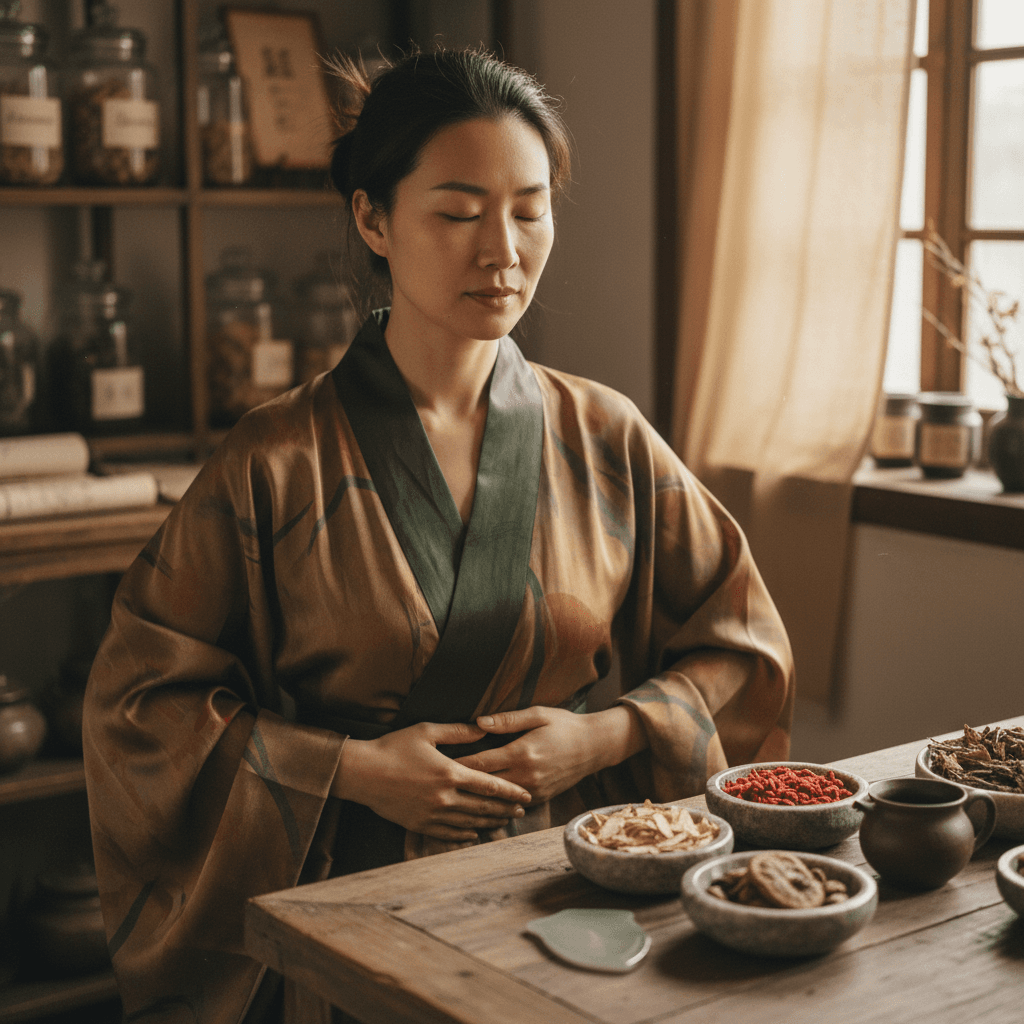
مرحباً بالجميع، أنا الدكتورة مايا تشن، وبعد 15 عامًا من الجمع بين الحكمة القديمة للطب الصيني التقليدي والطب الوظيفي الحديث، رأيت بنفسي كيف أن فهمنا التقليدي للمناعة غالبًا ما يكون قاصرًا. نتعلم أن نفكر في جهاز المناعة لدينا كحصن يحتاج إلى تعزيز مستمر، درع ضد الغزاة. ولكن ماذا لو كان هذا المنظور غير مكتمل؟ ماذا لو كانت القوة الحقيقية لا تكمن في الهجوم المتواصل، بل في الانسجام الرائع؟
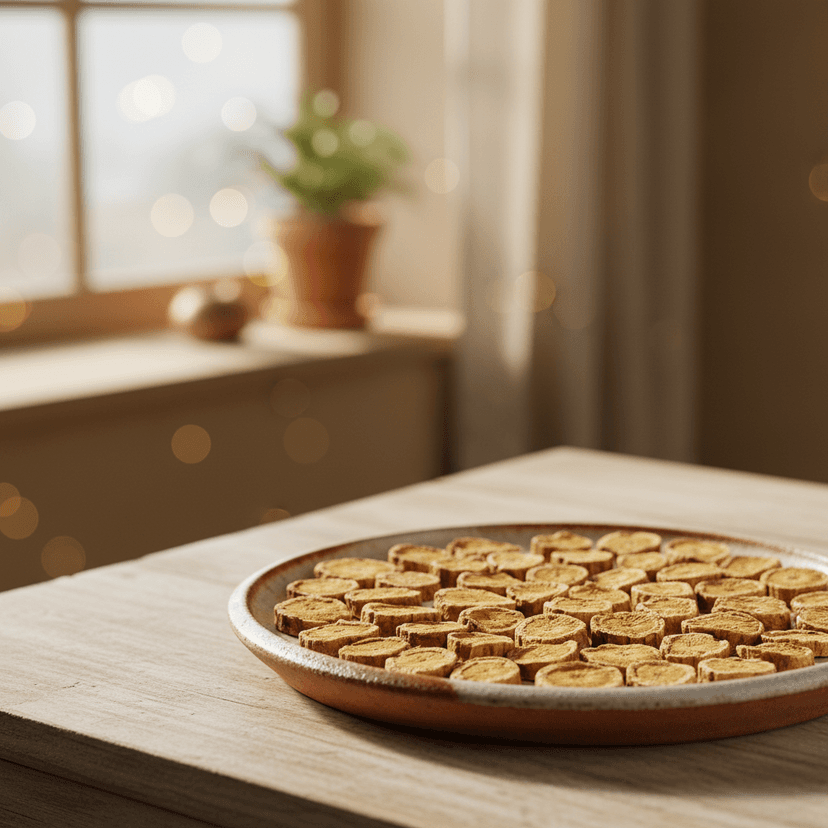
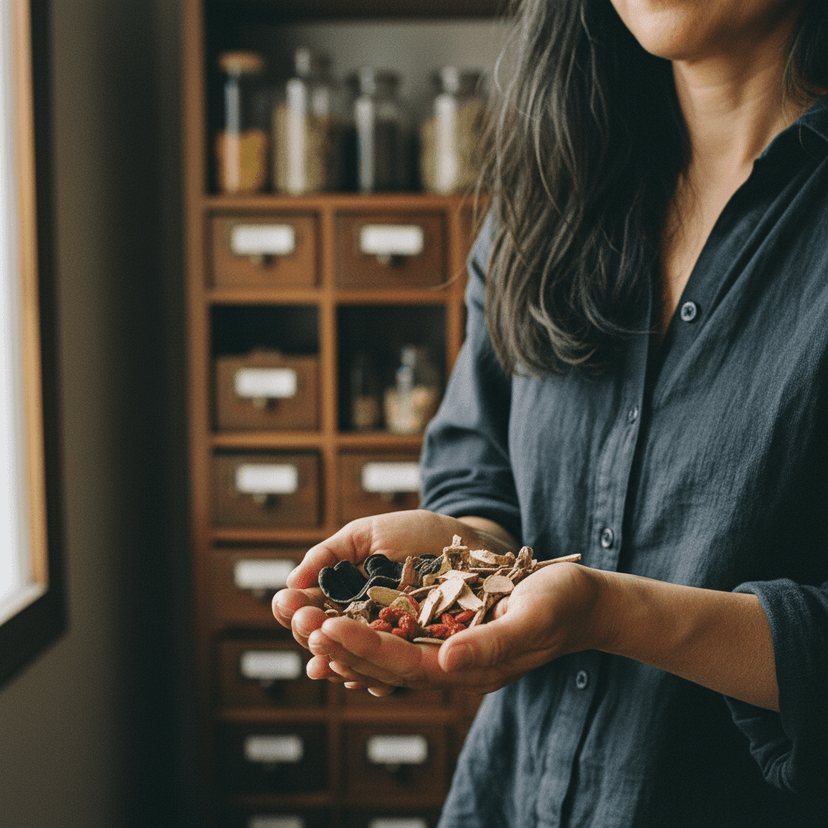
إليكم مفهوم أساسي لكيفية تعاملنا مع صحة المناعة في الطب الصيني التقليدي: هوانغ تشي (Astragalus membranaceus)، المعروف أيضًا باسم جذر الحليب، هو عشب مقوٍ أساسي في الطب الصيني التقليدي يستخدم بشكل أساسي لتقوية تشي الدفاعي (Wei Qi) وتشي الطحال (Spleen Qi). تشمل مركباته النشطة الرئيسية السكريات المتعددة، والصابونين، والفلافونويدات، والتي تُدرس لآثارها المعدلة للمناعة والمضادة للالتهابات.
انظر، هوانغ تشي يقوي المناعة بشكل أساسي عن طريق تقوية تشي الدفاعي (Wei Qi)، الذي يحمي الجسم من مسببات الأمراض الخارجية، وتقوية تشي الطحال (Spleen Qi)، الحيوي لامتصاص المغذيات وإنتاج الطاقة. الجرعة اليومية الموصى بها من هوانغ تشي في المغلي تتراوح عادة بين 9-30 جرامًا، على الرغم من أن هذا يختلف بناءً على الاحتياجات الفردية وتوجيهات الممارس.
الخرافة رقم 1: الجهاز المناعي القوي يدور حول محاربة الجراثيم.
الاعتقاد الشائع، المتأصل بعمق في الفكر الغربي، هو أن الوظيفة الأساسية لجهاز المناعة لدينا هي أن يكون محاربًا لا يكل، يبحث باستمرار عن مسببات الأمراض ويدمرها. نتناول فيتامين سي، ونكثر من الزنك، ونتحدث عن تقوية دفاعاتنا.
لكن هذا التركيز الفردي، على الرغم من أهميته، غالبًا ما يعمينا عن رقصة الجسم الأكثر تعقيدًا ورشاقة.
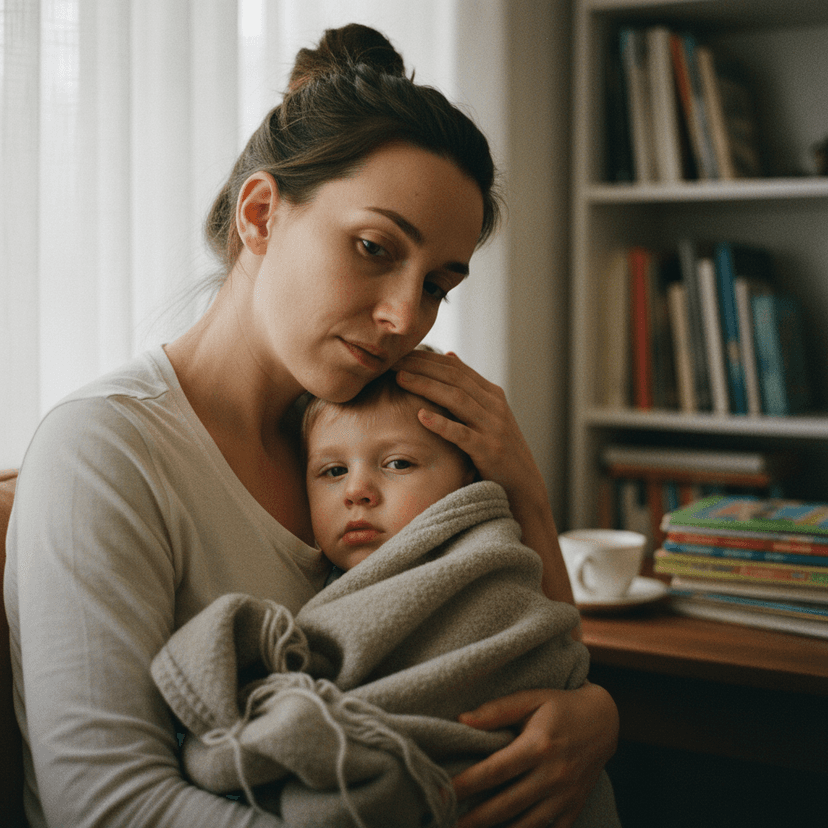
أتذكر مريضة، لنسميها سارة، جاءت إلي بعد معاناتها من التهابات المسالك البولية المتكررة والتعب ما بعد كوفيد لأكثر من عام. قيل لها أن تعزز مناعتها فقط، لكنها شعرت بضعف تدريجي، تلتقط كل نزلة برد تنتشر. أظهرت فحوصاتها الغربية عدم وجود نقص كبير، ومع ذلك لم يكن جسمها يتعامل بوضوح. كان أطباؤها التقليديون في حيرة، يقترحون المزيد من المضادات الحيوية أو مجرد الانتظار.
ما هو الصحيح فعلاً: الأمر يتعلق بتشي الدفاعي (Wei Qi) والانسجام الداخلي.
في الطب الصيني التقليدي، المناعة لا تتعلق بالقتال فقط؛ بل تتعلق بـ تشنغ تشي (Zheng Qi)، أو تشي المستقيم. كما ينص هوانغ دي ني جينغ (كلاسيكية الإمبراطور الأصفر للطب الباطني): “正气存内,邪不可干;邪之所凑,其气必虚” — عندما يكون تشي المستقيم وفيرًا داخليًا، لا يمكن للشرور الخارجية أن تتدخل؛ حيث تتجمع الشرور، يجب أن يكون التشي ناقصًا.
هذا أكثر من مجرد بيان شعري؛ إنه مبدأ أساسي. تشي الدفاعي (Wei Qi) لدينا، أو تشي الواقي، يدور في الخارج، يحمينا كحقل طاقة واقٍ، لكن قوته تنبع من أعماق الداخل.
بالنسبة لسارة، كان تشي الدفاعي (Wei Qi) لديها ضعيفًا، لكن جذر المشكلة كان يكمن في تشي الطحال والكلى لديها. في الطب الصيني التقليدي، الطحال مسؤول عن تحويل الطعام إلى تشي ودم، مما يغذي الجسم بأكمله ويدعم جهاز المناعة. الكلى هي احتياطياتنا الأساسية من الطاقة، وتضم جوهرنا وتوفر الحيوية العميقة لجميع وظائف الجسم، بما في ذلك قوة المناعة.
يقول كتاب «金匮要略» (ملخص الوصفات من الغرفة الذهبية) بحكمة: “四季脾旺不受邪” — إذا كان تشي الطحال قويًا طوال الفصول الأربعة، فلن تغزوه الشرور. وهذا يسلط الضوء على الدور الأساسي للطحال في الدفاع المناعي.
عندما تكون هذه الأنظمة الداخلية ضعيفة، يصبح تشي الدفاعي (Wei Qi) هشًا، مما يجعلنا عرضة للخطر. لم يكن نهجي مع سارة هو قصف نظامها بمقويات المناعة، بل تغذية تشي الطحال والكلى لديها بلطف. استخدمنا تركيبة Bu Zhong Yi Qi Tang معدلة (مغلي لتقوية الوسط وزيادة التشي)، وهي تركيبة كلاسيكية لرفع تشي الطحال والرئة.
أظهر وانغ سي يوان وزملاؤه في جامعة هيلونغجيانغ للطب الصيني، في دراستهم لعام 2024، أن الجرعات المعتدلة من Bu Zhong Yi Qi Tang زادت بشكل كبير مؤشرات الطحال والغدة الصعترية في الفئران المثبطة مناعيًا، مع تحسن مؤشر الطحال بنسبة 42% (P<0.01) مقارنة بالمجموعة الضابطة. عادت طاقة سارة ببطء، وأصبحت العدوى أقل تكرارًا، وشعرت بإحساس بالمرونة الثابتة لم تعرفه منذ سنوات.
الخرافة رقم 2: أنت دائمًا تريد جهازًا مناعيًا "قويًا".
ربما يكون هذا هو أخطر سوء فهم. فكرة أن الجهاز المناعي القوي هو دائمًا أمر جيد تتعارض مباشرة مع العدد المتزايد من الأشخاص الذين يعانون من أمراض المناعة الذاتية، والحساسية الشديدة، وحالات مثل متلازمة تنشيط الخلايا البدينة (MCAS). هنا، الجهاز المناعي ليس ضعيفًا؛ بل هو مفرط النشاط، أو موجه بشكل خاطئ، أو مفرط التفاعل، فيوجه قوته الهائلة ضد الجسم نفسه. إذا كان جهاز المناعة لديك محركًا قويًا، فأنت لا تريده دائمًا أن يعمل بأقصى سرعة.
أحيانًا، تحتاج إليه ليعمل بسلاسة ودقة.
فكر في الأمر بهذه الطريقة: الجيش المدرب جيدًا يعرف متى يقاتل ومتى يتوقف. الجهاز المناعي الذي يكون في حالة تأهب قصوى باستمرار، يهاجم حبوب اللقاح غير الضارة أو حتى أنسجته الخاصة، ليس قويًا؛ بل هو مضطرب. غالبًا ما يستجيب الطب الغربي بمثبطات المناعة، والتي يمكن أن تنقذ الحياة ولكنها تحمل أيضًا آثارًا جانبية كبيرة. ولكن ماذا لو تمكنا من تعليم الجيش التمييز بين الصديق والعدو بشكل أكثر فعالية؟
كان لدي مريض، ديفيد، يعاني من إكزيما حادة وحساسية بيئية مزمنة، مما أدى إلى التهاب مستمر وإرهاق منهك. كانت بشرته ملتهبة، حمراء، ومثيرة للحكة، وكان يتناول مضادات الهيستامين والستيرويدات الموضعية باستمرار. كان جهازه يفرط في الاستجابة بوضوح، في حالة تأهب داخلي.
الحقيقة: تعديل المناعة والبنية الجسدية الشخصية هما المفتاح.
يتفوق الطب الصيني التقليدي هنا. لا يتعلق الأمر بـ تقوية أو قمع الجهاز المناعي، بل بـ تعديله – إعادته إلى حالة من التوازن الذكي. نبحث عن أنماط عدم الانسجام: الحرارة الرطبة، نار الكبد، حرارة الدم، والتي غالبًا ما تظهر على شكل التهاب أو حساسية أو مشاكل جلدية مثل إكزيما ديفيد. في هذه الحالات، تعتبر الأعشاب المبردة والمنقية ضرورية.
فكر في جوان تشونغ (Radix Blechni)، المعروف أيضًا باسم Blechnum أو Shield Fern.
جوان تشونغ عشبة باردة ذات نكهات مرة وحامضة، تستهدف خطوط طاقة الكبد والطحال. تشمل إجراءاتها الأساسية إزالة الحرارة وتخفيف سمية النار، بالإضافة إلى تبريد الدم ووقف النزيف. الجرعة النموذجية هي 5-9 جرام. هذه العشبة، بخصائصها المبردة، لا تتعلق بتقوية المناعة بالمعنى الغربي، بل بتهدئة وتطهير النشاط المناعي المفرط المرتبط بالحرارة الالتهابية.
إنه مثال أنيق على نهج الطب الصيني التقليدي الدقيق لتحقيق التوازن المناعي.
بالنسبة لديفيد، استخدمنا تركيبة تضمنت أعشابًا لتطهير الحرارة والرطوبة، وتهدئة كبده، وتغذية دمه. بدأت إكزيماه في التراجع ببطء، وأصبحت حساسيته أقل تفاعلاً، ووجد شعورًا بالهدوء لم يختبره منذ سنوات. لا يتعلق الأمر بقمع الأعراض؛ بل بمعالجة خلل التنظيم المناعي الأساسي.
استكشف لي شيفاي وزملاؤه في جامعة شانشي (2023) آليات حقن شينكي فوزينغ، وهي تركيبة شائعة في الطب الصيني التقليدي، ووجدوا أنها تنظم المناعة من خلال أهداف أساسية مثل AKT1/TNF/IL6، وحددوا 143 هدفًا محتملاً و160 مسارًا متعلقًا بالمناعة. هذا يسلط الضوء على قدرة الطب الصيني التقليدي على تعديل المناعة المعقد والمتعدد الأهداف، وليس مجرد التنشيط أو القمع البسيط.
أيضًا، تؤثر بنيتنا الجسدية الفردية في الطب الصيني التقليدي بشكل كبير على كيفية تصرف نظامنا المناعي. أظهرت الأبحاث من عام 2024، المتاحة عبر ResearchGate، والتي شملت 78 بالغًا، ارتباطات بين أنواع البنية الجسدية في الطب الصيني التقليدي والاستجابات المناعية الخلوية (تحديدًا زيادة نسب الخلايا التائية في مجموعات نقص الين، والرطوبة-الحرارة، والاستعداد الخاص) والتفاعلات الضارة بعد لقاح كوفيد-19، حتى لو لم يكن إنتاج الأجسام المضادة مرتبطًا بشكل مباشر.
هذه رؤية حاسمة وغير واضحة: يؤثر نوع جسمك المتأصل، من منظور الطب الصيني التقليدي، على كيفية استجابة جهاز المناعة لديك على المستوى الخلوي، وهو فارق دقيق غالبًا ما يتم إغفاله في نهج "مقاس واحد يناسب الجميع" لصحة المناعة.
الخرافة رقم 3: دعم المناعة بالطب الصيني التقليدي يقتصر على تناول الأعشاب.
غالبًا ما أسمع هذا من المرضى الجدد. يعتقدون أنني سأقدم لهم كيسًا من الجذور الغريبة وأرسلهم في طريقهم. بينما الأعشاب قوية ومركزية في الطب الصيني التقليدي، إلا أنها جزء واحد فقط من لغز أكبر وأكثر شمولية. اختزال الطب الصيني التقليدي في مجرد علاجات عشبية يشبه القول بأن الطب الغربي يقتصر على الأدوية الصيدلانية. إنه يغفل الإطار الكامل لنمط الحياة والنظام الغذائي والرفاهية العاطفية التي تحدد الصحة التكاملية الحقيقية.
الحقيقة: إنه نمط حياة متناغم.
الحقيقة هي أن الطب الصيني التقليدي يوفر إطارًا كاملاً لدعم المناعة اليومي، منسوجًا في حياتك. يبدأ بالطعام كدواء، مع التركيز على تغذية الطحال والمعدة – جذر تشي ما بعد السماء. هذا يعني الأطعمة الدافئة والمطبوخة، سهلة الهضم، والمصممة خصيصًا لبنيتك الجسدية. فكر في اليخنات اللطيفة، والعصائد، والمرقات الغنية بالمغذيات، بدلاً من الأطعمة النيئة أو الباردة أو المعالجة بشكل مفرط التي يمكن أن تثقل الطحال. استخدم باحثون من جامعة نانجينغ للطب الصيني (شين ليوان وآخرون
، 2024) استخراج البيانات لتحديد الأعشاب الأساسية المقوية للمناعة مثل هوانغ تشي، رين شين (الجينسنغ)، وغو تشي زي (توت الغوجي)، وحددوا 55 هدفًا مشتركًا لتقوية المناعة. هذه ليست فقط للتركيبات؛ يمكن دمجها في نظامك الغذائي اليومي.
الإجهاد والعواطف؟ إنها حاسمة. من منظور الطب الصيني التقليدي، يمكن للعواطف الشديدة مثل القلق المطول (الذي يؤثر على الطحال)، والغضب (الكبد)، أو الحزن (الرئة) أن تؤثر بشكل مباشر على تدفق تشي ووظيفة الأعضاء، مما يضعف المناعة. ممارسات مثل الكيغونغ و التاي تشي هي أشكال قديمة من التأمل الحركي مصممة لزراعة وتنظيم تشي، وتعزيز التوازن العاطفي والمرونة الجسدية. الوخز بالإبر، أيضًا، حيوي لإزالة الركود وتنسيق مسارات الطاقة، مما يؤثر بشكل مباشر على الاستجابات المناعية.
أشار تحليل تلوي لـ 22 تجربة سريرية عشوائية، نُشر في MDPI عام 2024، إلى أن الطب الصيني التقليدي أثر إيجابًا على مدة الإقامة في المستشفى، ودخول وحدة العناية المركزة، والوفيات، ومعدلات تحويل الفحص الفيروسي لدى مرضى كوفيد-19، مما يشير إلى دوره الداعم الكبير جنبًا إلى جنب مع العلاج القياسي. هذا لا يتعلق بالأعشاب نفسها فقط. إنه النهج التكاملي الكامل، حيث يعمل كل جانب من جوانب الحياة بتناغم.
الخرافة رقم 4: جميع ممارسي الطب الصيني التقليدي متماثلون.
هذا مصدر قلق شائع، وهو صحيح. يمكن أن يبدو مجال الطب التكميلي والتكاملي وكأنه "الغرب المتوحش" في بعض الأحيان، خاصة مع المنتجات المضللة مثل كريمات الطب الصيني التقليدي التي تحتوي أحيانًا بشكل غير قانوني على الستيرويدات. هذا يجعل الناس يشككون في المصداقية.
الحقيقة: المؤهلات والعقلية التكاملية مهمة.
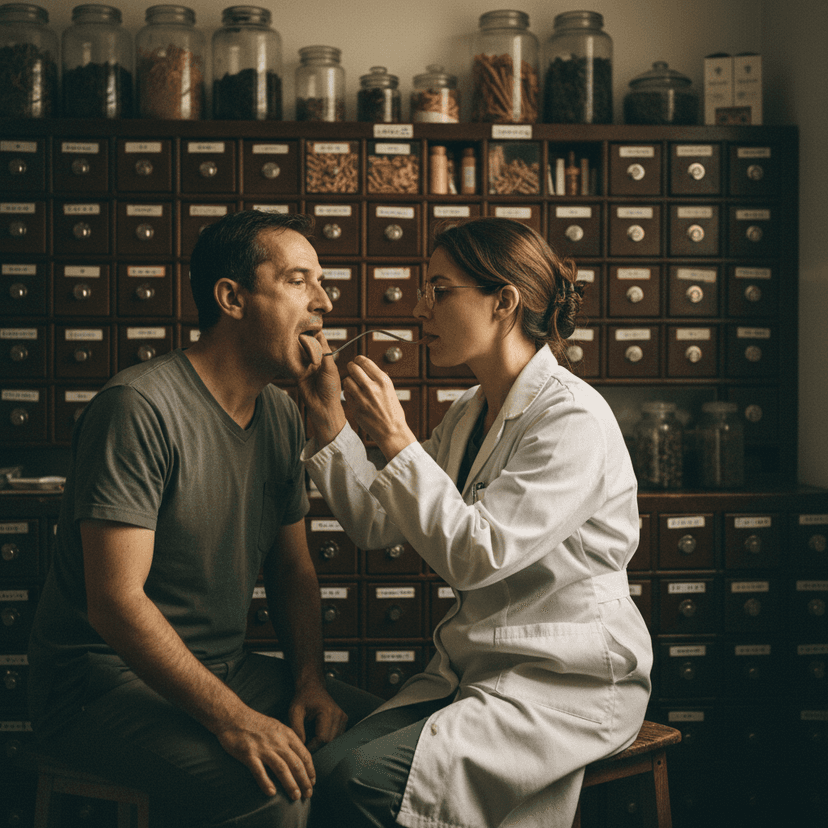
عند البحث عن ممارس للطب الصيني التقليدي، ابحث عن مؤهلات قوية. رحلتي الخاصة، التي تضمنت التدريب في جامعة بكين للطب الصيني قبل إكمال إقامتي في الطب التكاملي في الولايات المتحدة، تؤكد أهمية التعليم العميق والدقيق في كلا التقليدين. في الولايات المتحدة، يعني هذا ترخيصًا حكوميًا (غالبًا ما يكون L.Ac. أو دكتور في الوخز بالإبر والطب الصيني) من برنامج معتمد (اعتماد ACAOM هو المفتاح).
ابحث عن الممارسين الذين يناقشون تدريبهم ونطاق ممارستهم واستعدادهم للتعاون مع فريقك الطبي الغربي بصراحة.
يقود باحثون مثل الدكتور برنت باور في مايو كلينك والدكتورة هيلين لانجفين في NIH NCCIH الجهود لدمج هذه التخصصات، موضحين لنا أن الرعاية الأكثر فعالية غالبًا ما تأتي من الربط بين هذه العوالم، وليس عزلها. لا تتردد في السؤال عن خبرتهم، خاصة مع حالات المناعة المعقدة. الممارس الموثوق به سيرحب بأسئلتك.
الصورة الأكبر: أبعد من التعزيز، نحو الانسجام.
لقد كنا نطرح السؤال الخاطئ لفترة طويلة. ليس السؤال كيف أقوي جهازي المناعي؟ بل هو كيف أزرع الانسجام المناعي داخل جسدي الفريد؟ الحقيقة هي أن درع جسمك الداخلي هو نظام ديناميكي وذكي يزدهر بالتوازن، وليس فقط بالقوة الغاشمة. إنه يطلب اهتمامك وفهمك واستعدادك للاستماع إلى إشاراته الدقيقة.
أحدث الأبحاث، بما في ذلك مراجعة منهجية وتحليل شبكي نُشرا في PubMed عام 2022، وجدت أن الطب الصيني التقليدي (TCM) بالاشتراك مع العلاج الجهازي (ST) حسّن بشكل كبير الوظيفة المناعية والفعالية والسلامة لدى مرضى سرطان الكبد مقارنة بالعلاج الجهازي وحده. شمل هذا 25 دراسة مع 2,152 مشاركًا. هذا النوع من الأدلة يشير إلى تآزر قوي، وليس بديلاً. الطب الصيني التقليدي لا يحد من الالتهاب فحسب؛ بل يؤثر على البيئة الدقيقة المناعية بأكملها في عملية توازن متبادلة.
ماذا يعني هذا بالنسبة لك؟ يعني تغيير منظورك. بدلاً من رؤية المناعة كمعركة، انظر إليها كحديقة تعتني بها. أنت تغذي التربة (تشي الطحال/الكلى)، وتزيل الاختلالات (إزالة الحرارة، حل الرطوبة)، وتحميها من الطقس القاسي (تقوية تشي وي). تصبح مشاركًا نشطًا في مرونتك المناعية، وليس مجرد متلقٍ سلبي للعلاجات.
ابدأ بمراقبة أنماط جسمك. هل تميل إلى الشعور بالبرد أو الحرارة؟ هل تصاب بكل نزلة برد، أم تميل إلى المبالغة في رد الفعل تجاه مسببات الحساسية؟ هذه دلائل على بنيتك الفريدة واختلالاتك. ابحث عن ممارس مؤهل يفهم الحكمة القديمة والعلوم الحديثة. ابدأ في دمج الأطعمة الدافئة والمغذية في نظامك الغذائي. مارس حركات تشيغونغ بسيطة أو التنفس الواعي لإدارة التوتر.
ربما السؤال الحقيقي ليس أي الأعشاب يجب تناولها — بل ما إذا كنا نفكر في العافية من منظور خاطئ تمامًا.
المراجع
- تأثير تعديل المناعة للطب الصيني التقليدي بالاشتراك مع العلاج الجهازي على مرضى سرطان الكبد: مراجعة منهجية وتحليل شبكي
- لي شي فاي وآخرون، جامعة شانشي - حقن شينشي فوتشنغ ينظم المناعة من خلال تنظيم الأهداف الأساسية مثل AKT1/TNF/IL6
- شين لي يوان وآخرون، جامعة نانجينغ للطب الصيني التقليدي - استكشاف البيانات يكشف عن آلية عمل المكونات الأساسية للمقويات المناعية العشبية الصينية
- كلاسيكية الإمبراطور الأصفر للطب الباطني (هوانغ دي ني جينغ)
- ملخص وصفات الغرفة الذهبية (جينغ غوي ياو لو)