الأستراغالوس: مُعدِّل للمناعة، وليس مجرد معزز | Demisunshine
الأستراغالوس: لماذا قد يفعل 'معزز المناعة' الخاص بك أكثر مما تتوقع
تشرح الدكتورة مايا تشن كيف ينظم هوانغ تشي (الأستراغالوس) جهاز المناعة لديك، متجاوزًا مجرد 'التعزيز' إلى التوازن الذكي. اكتشف كيف تتصل حكمة الطب الصيني التقليدي القديمة بالعلم الحديث لتحقيق العافية الشخصية.
Maya Chen٢٧ مارس ٢٠٢٦6 دقيقة قراءة
إجابة سريعة
هوانغ تشي (الأستراغالوس) هو مُعدِّل مناعي قوي متجذر في الطب الصيني التقليدي. يوازن جهاز المناعة لديك بذكاء عن طريق تقليل الالتهاب وتعزيز الدفاعات الخلوية، لكن استخدامه الفعال والآمن يتطلب فهمًا شخصيًا لخصائصه وجرعاته وموانع استخدامه المحتملة بناءً على بنيتك الجسدية الفريدة.
النقاط الرئيسية
يعمل هوانغ تشي (الأستراغالوس) كـ مُعدِّل للمناعة، موازنًا الاستجابات المناعية بذكاء عن طريق تقليل الالتهاب وتعزيز الدفاع الخلوي، كما أظهرت دراسات مثل دراسة تشانغ وآخرين (2023).
يتطلب الاستخدام الأمثل للأستراغالوس جرعة شخصية ومراعاة البنية الجسدية الفردية، خاصة أنماط الطب الصيني التقليدي مثل ركود تشي أو نقص الين مع الحرارة، لتجنب التفاعلات الضارة المحتملة مثل التعب أو القلق.
تنبع فعالية العشبة من تفاعل معقد للمركبات التي تعمل على أنواع متعددة من الخلايا المناعية ومسارات الإشارات (مثل TLR4/NF-κB، MAPK)، مما يعكس نهجًا شموليًا يتجاوز آليات الأدوية أحادية الهدف.
يوفر دمج حكمة الطب الصيني التقليدي القديمة، مثل مفهوم وي تشي، مع النتائج العلمية الحديثة فهمًا أعمق لكيفية دعم الأستراغالوس لقدرة الجسم الفطرية على الحفاظ على الصحة والمرونة.
قبل دمج الأستراغالوس، استشر طبيبًا في الطب التكاملي أو ممارسًا للطب الصيني التقليدي للتأكد من توافقه مع ملفك الصحي الفريد ولفهم التفاعلات الدوائية المحتملة، خاصة مع المضادات الحيوية الأمينوغليكوزيدية.
عندما حللت عقدين من الاستشارات الطبية للمرضى الذين يعانون من تحديات مناعية مزمنة، برز نمط واحد، دقيق وعميق في آن واحد: الطريقة التي نتحدث بها عن 'تعزيز' المناعة بأعشاب مثل هوانغ تشي غالبًا ما تغفل العبقرية الحقيقية لهذه العلاجات القديمة. نحن لا نضغط على زر فحسب؛ بل نقود أوركسترا مضبوطة بدقة.
إن المفهوم الشائع لـ 'تعزيز المناعة' بسيط للغاية في الواقع، وغالبًا ما يقود الناس إلى مسارات لا تخدم صحتهم على المدى الطويل حقًا. وراء سمعته القديمة كمعزز للمناعة، يكشف العلم الحديث عن الطرق المتطورة التي يوازن بها هوانغ تشي (الأستراغالوس) دفاعاتنا المناعية بفعالية. ولكن ماذا يحدث عندما لا يتناسب هذا الجذر القديم تمامًا مع الجميع، وكيف يمكننا التعامل مع آثاره القوية لتحقيق العافية الشخصية؟ دعونا نتحدث عن ذلك.
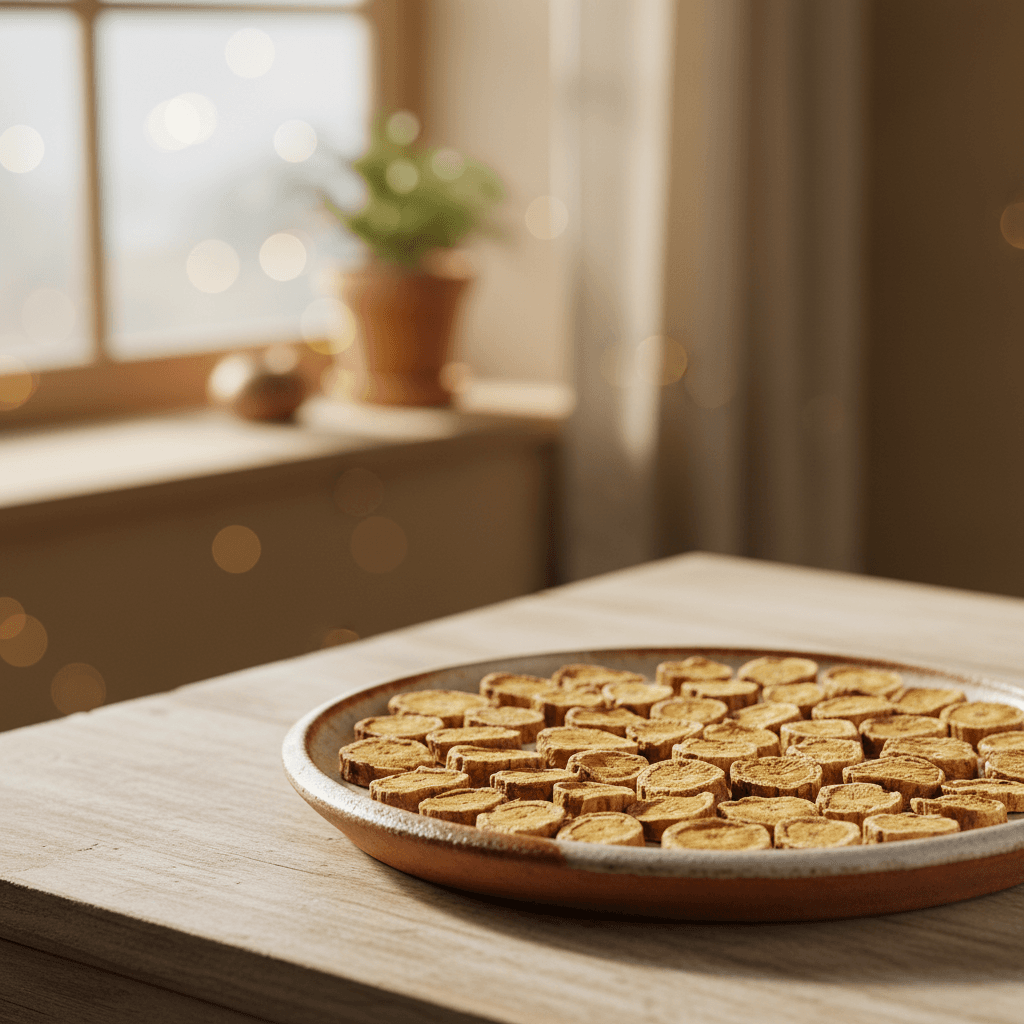
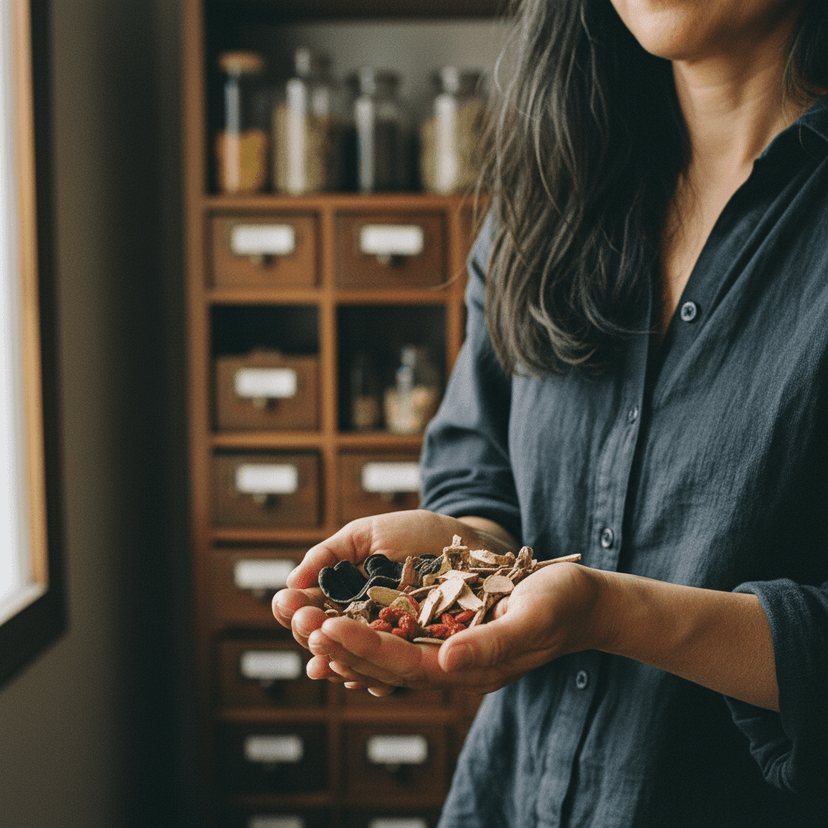
هوانغ تشي (الأستراغالوس الغشائي)، المعروف أيضًا باسم جذر الأستراغالوس أو جذر الحليب، هو عشب مقوٍّ يُستخدم في الطب الصيني التقليدي لتقوية تشي والدم، ودعم الطحال، وتحصين الطاقة الواقية للجسم، المعروفة باسم وي تشي. تشمل مركباته النشطة الرئيسية السكريات المتعددة (مثل عديد السكاريد الأستراغالوسي أو APS)، والصابونين، والفلافونويدات.
الأستراغالوس: أكثر من مجرد 'معزز للمناعة'
يسمع معظم الناس كلمة 'الأستراغالوس' ويفكرون فورًا في 'معزز المناعة'. وهذا صحيح، فلهوانغ تشي تأثير عميق على دفاعات الجسم. النصوص التقليدية مثل 《本草纲目》 (بين كاو كانغ مو) تذكر بوضوح قدرته على 'تقوية تشي الرئة وتثبيت الخارج'، وهو ما نفهمه على أنه تقوية وي تشي – درعنا الطاقي ضد مسببات الأمراض الخارجية.
مفهوم وي تشي هذا يتجاوز كونه مجرد استعارة شعرية؛ فهو يرتبط مباشرة بالسلامة الوظيفية لبشرتنا، وأغشيتنا المخاطية، وبالفعل، نظام المراقبة المناعية بأكمله لدينا.
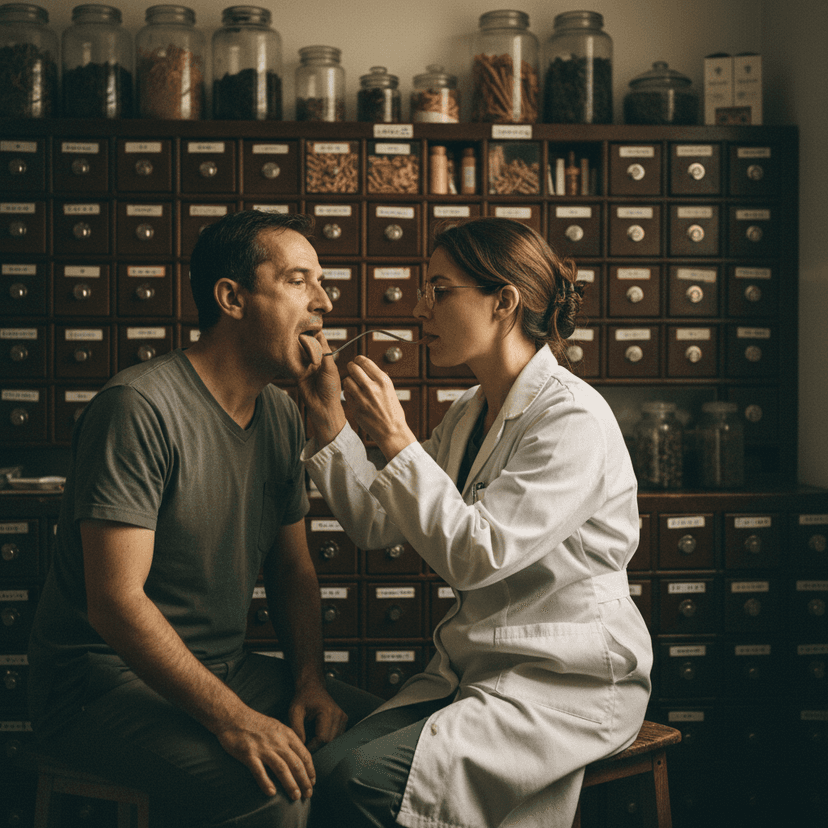
غالبًا ما أرى مرضى، مثل السيد ديفيد إم، محامٍ يبلغ من العمر 52 عامًا، جاء إليّ بعد دورة لا تتوقف من نزلات البرد والإنفلونزا والإرهاق المزمن.
كان إحباطه واضحًا. لقد جرب كل 'معزز مناعة' في السوق.
قرأ ديفيد عن الأستراغالوس، لكنه كان مترددًا، خائفًا من أن يفرط في تحفيز جهازه المنهك بالفعل.
إنه مُعدِّل ذكي، نقطة على السطر.
في الواقع، الأمر أكثر تعقيدًا. هوانغ تشي يعدّل جهاز المناعة. فكر فيه كقائد ماهر يجمع الأوركسترا في تناغم، بدلاً من مجرد رفع صوت الأبواق. الأبحاث الحديثة تؤكد هذا العمل المتطور.
وجدت مراجعة منهجية وتحليل تلوي لـ 19 دراسة بشرية، شملت 1094 مشاركًا، قام بها تشانغ، كو، وزو (2023) ونشرت في أبحاث الطب التكميلي، أن الأستراغالوس قلل بشكل كبير من السيتوكينات المسببة للالتهاب (مثل IL-2، IL-4، IL-6، IL-10، TNF-α، IFN-γ) وعزز علامات المناعة الخلوية (مستويات CD3، نسبة CD4/CD8). إنه يوازن الالتهاب بينما يقوي خلايا مناعية محددة.
بالنسبة للسيد ديفيد إم، هذا يعني أن التهابه المزمن، الذي غالبًا ما يكون مخربًا صامتًا للمناعة، قد تم التحكم فيه بلطف، بينما تم دعم قدرة جسمه على بناء دفاع فعال في نفس الوقت. لاحظنا انخفاضًا تدريجيًا ولكن ثابتًا في قابليته للإصابة بالعدوى وتحسنًا كبيرًا في مستويات طاقته. لم يكن مجرد 'معززًا'؛ بل كان معادًا معايرته.
تحليل تلوي آخر مقنع، هذا الذي أجراه وانغ، إل، وآخرون (2025) في المجلة الأوروبية لعلم الأدوية، راجع 31 تجربة عشوائية محكومة شملت 2648 مشاركًا. أظهروا أن مكملات عديد السكاريد الأستراغالوسي (APS) حسنت فعالية العلاج وعززت وظيفة المناعة، وتحديداً زادت من أعداد الخلايا التائية CD3+ والخلايا التائية CD4+، ونسبة CD4+/CD8+ في مرضى الأورام الخبيثة. يشير هذا إلى تأثير مستهدف ومفيد على المكونات الحيوية لمناعتنا الخلوية، وليس مجرد تحفيز عام.
ماذا يعني هذا لنا سريريًا؟ هوانغ تشي يقوي المناعة عن طريق تعديل كل من الاستجابات الالتهابية وعلامات المناعة الخلوية. إنه يوجه الجسم نحو دفاع متوازن وفعال، وليس مجرد دفاع مفرط النشاط.
وهم 'المزيد' من الأستراغالوس
في العقلية الغربية، إذا كان شيء ما جيدًا، فالمزيد منه يجب أن يكون أفضل. لكن هذا المنطق غالبًا ما ينهار في النظام البيئي الدقيق لطب الأعشاب. لقد رأيت مرضى يفترضون أنه إذا ساعدت جرعة صغيرة، فإن جرعة كبيرة ستعزز جهاز المناعة لديهم بشكل فائق. قد يزيدون تناولهم بشكل كبير، فقط ليجدوا أنفسهم يشعرون بسوء، وليس بتحسن.
الجرعة وبنيتك الجسدية الفريدة أمران بالغا الأهمية
الجرعة اليومية الموصى بها لهوانغ تشي في النقيع هي عادة 9-30 جرام. في الحالات الاستثنائية، مثل النقص الشديد أو التطبيقات السريرية المحددة، قد تصل إلى 30-60 جرام. بالنسبة للمستخلصات السائلة (الصبغات)، 2-4 مل هو الشائع. لكن هذه إرشادات، وليست قواعد صارمة.
لنتأمل حالة السيدة إميلي آر، امرأة حيوية تبلغ من العمر 38 عامًا، بدأت بتناول الأستراغالوس بعد أن سمعت أنه قد يساعدها في التعب المزمن، وهو عرض شائع غالبًا ما يرتبط بنقص تشي. شعرت بتحسن طفيف، فضاعفت جرعتها. في غضون أسبوع، أصيبت بالشرى، وشعرت بقلق غير مبرر، وزادت لديها الغازات. كان جسدها يخبرها بشيء مهم.
تتألق حكمة الطب الصيني التقليدي هنا. هوانغ تشي، بطبيعته الدافئة قليلاً ونكهته الحلوة، يؤثر بشكل أساسي على خطوط طاقة الرئة والطحال (المريديان). لكنه ليس مناسبًا للجميع، طوال الوقت.
إنه ممنوع الاستخدام للأفراد الذين يعانون من تقرحات في مراحلها المبكرة، أو آفات جلدية مصحوبة بـ 'سموم الحرارة'، أو فائض خارجي (مثل نزلة برد حادة وقوية)، أو ركود تشي، أو نقص الين مع علامات الحرارة. كانت السيدة إميلي آر تعاني من نقص الين مع الحرارة، والذي تفاقم بسبب الطبيعة الدافئة والمقوية للأستراغالوس بجرعة أعلى. كان جسدها بالفعل 'ساخنًا' قليلاً داخليًا، والمزيد من 'الدفء' لم يكن ما يحتاجه.
كذلك، بينما يعتبر الأستراغالوس آمنًا بشكل عام، فإنه قد يتفاعل مع بعض الأدوية. قد يمنع السمية الأذنية والسمية الكلوية الناتجة عن الأمينوغليكوزيدات (مثل الجنتاميسين، التوبراميسين، والأميكاسين)، وله تأثير مثبط على الإجهاد التأكسدي الناجم عن النحاس. يجب دائمًا إبلاغ طبيبك المعالج بجميع المكملات الغذائية. بالنسبة للحمل والرضاعة الطبيعية، يُنصح بالحذر حيث تشير الدراسات على الحيوانات إلى سمية محتملة للجنين.
نقطتي هنا واضحة: يجب أن تكون الجرعة فردية. اعتمد على بنيتك الجسدية الفريدة وحالتك الصحية الحالية. المزيد ليس دائمًا أفضل؛ في الواقع، قد يكون ضارًا إذا كانت لديك موانع استخدام موجودة.
الأستراغالوس: سيمفونية من التفاعلات الخلوية، لا دواء أحادي الهدف
في علم الأدوية الغربي، غالبًا ما نسعى لتحديد مركب نشط واحد يستهدف مستقبلًا أو مسارًا معينًا. هذا النهج الاختزالي له مزاياه، لكنه قد يقودنا إلى سوء فهم تأثيرات الأعشاب المعقدة. يفترض الكثيرون أن الأستراغالوس يحتوي على رصاصة سحرية واحدة، عادةً عديد السكاريد الأستراغالوسي (APS)، هو الذي يقوم بكل تعزيز المناعة.
تنسيق معقد للمركبات والمسارات
الواقع أكثر تعقيدًا وجمالًا بكثير. لطالما نظر الطب الصيني التقليدي إلى الأعشاب بشكل شمولي، مدركًا التآزر بين المركبات المتعددة التي تعمل عبر أنظمة مختلفة. 《神农本草经》 (شين نونغ بن تساو جينغ)، التي يمكن القول إنها أقدم مخطوطة صينية للمواد الطبية، تشير إلى تأثيرات هوانغ تشي الواسعة، بما في ذلك تقوية النقص وتعزيز تصريف القيح وتكوين الأنسجة – وهي مؤشرات على تأثيره الجهازي على الشفاء والحيوية.
هذه الملاحظة القديمة يتم الآن فك شفرتها بواسطة العلم الحديث. مراجعة شاملة قام بها وانغ، واي، وآخرون (2022) في أرشيف أبحاث الأدوية تسلط الضوء على أن عديد السكاريد الأستراغالوسي (APS) يعزز أنشطة مختلف الخلايا المناعية – ليس فقط الخلايا التائية، بل أيضًا البلاعم، والخلايا القاتلة الطبيعية (NK)، والخلايا المتغصنة، والخلايا الليمفاوية البائية. بل إنه يؤثر على الخلايا الدبقية الصغيرة في الدماغ! إنه ليس هدفًا واحدًا؛ بل هو تنسيق واسع.
كما يستكشف الباحثون المسارات الكيميائية الحيوية المحددة. أظهر يوغوانغ دو وآخرون (2019) في دراسة نشرت في الجزيئات كيف ينشط عديد السكاريد الهيميسيلولوزي للأستراغالوس البلاعم عبر مسار TLR4/NF-κB. وحددت دراسة أجراها وانغ غو-هونغ وآخرون عام 2025 في المجلة العالمية للطب الصيني التقليدي المكونات النشطة الرئيسية لهوانغ تشي التي تعمل على مسار إشارات MAPK. تؤثر هذه الآليات المعقدة والمترابطة على التعبير الجيني، وتكاثر الخلايا، وإنتاج السيتوكينات.
الرؤية غير الواضحة هنا هي أن قوة الأستراغالوس لا تأتي من 'مكون نشط' واحد يستهدف هدفًا واحدًا، بل من مجموعة معقدة من المركبات تتفاعل بذكاء مع أنواع متعددة من الخلايا المناعية ومسارات إشارات معقدة في جميع أنحاء الجسم. إنه حوار نظامي، وليس مونولوجًا.
من وجهة نظري السريرية: تأثيرات هوانغ تشي المعدلة للمناعة متعددة الأوجه. إنها تتضمن سلسلة من التفاعلات مع خلايا مناعية ومسارات إشارات مختلفة، مما يبرز التعقيد التآزري لطب الأعشاب الذي يتجاوز بكثير التدخلات أحادية المركب.
الصورة الأكبر: العافية الذكية، لا مجرد حلول سريعة
مهمتي، التي تربط بين الطب الصيني التقليدي والطب الوظيفي الغربي، هي مساعدتك على رؤية جسمك ليس كمجموعة من الأجزاء المنفصلة، بل كنظام متكامل. ما نسميه نقص تشي قد يكون في الواقع استجابة التهابية مزمنة منخفضة الدرجة، أو ربما خللاً في إنتاج الطاقة الخلوية – السؤال هو، أيهما جاء أولاً، وكيف نعالج الجذر؟
هوانغ تشي مثال رئيسي لعشبة تتحدى تفكيرنا التقليدي. إنها أداة متطورة لذكاء المناعة، وليست أداة غير دقيقة. أكبر خطأ أراه يرتكبه الناس مع المكملات العشبية؟ يعاملونها كالفيتامينات — يتناولون حبة وينسونها. هذا يتجاهل التباين الفردي العميق في الاستجابة وحكمة الرعاية الشخصية.
ماذا يعني هذا لك؟ إذا كنت تفكر في الأستراغالوس، ابدأ بالفضول، لا بالافتراضات. استشر طبيبًا تكامليًا أو ممارسًا للطب الصيني التقليدي يفهم الفروق الدقيقة في بنيتك الجسدية الفريدة وأهدافك الصحية. يمكنهم مساعدتك في تحديد ما إذا كان هوانغ تشي مناسبًا، وما هي الجرعة الصحيحة، وكيف يتناسب مع استراتيجيتك الشاملة للعافية.
ربما السؤال الحقيقي ليس أي الأعشاب يجب تناولها – بل ما إذا كنا نفكر في العافية من منظور خاطئ تمامًا.
Contributing Writer at Demisunshine. Maya has spent much of her adult life around the practice of integrative medicine and herbal traditions. Her writing reflects a long familiarity with how women's health, body constitution, and emotional wellbeing intersect — and her pieces tend to acknowledge that the messy parts of healing rarely fit a neat formula.
احصل على نصائح العافية
مقالات أسبوعية عن العلاجات العشبية والتغذية والصحة الشاملة — مباشرة في بريدك.
بدون رسائل مزعجة، إلغاء الاشتراك في أي وقت. سياسة الخصوصية