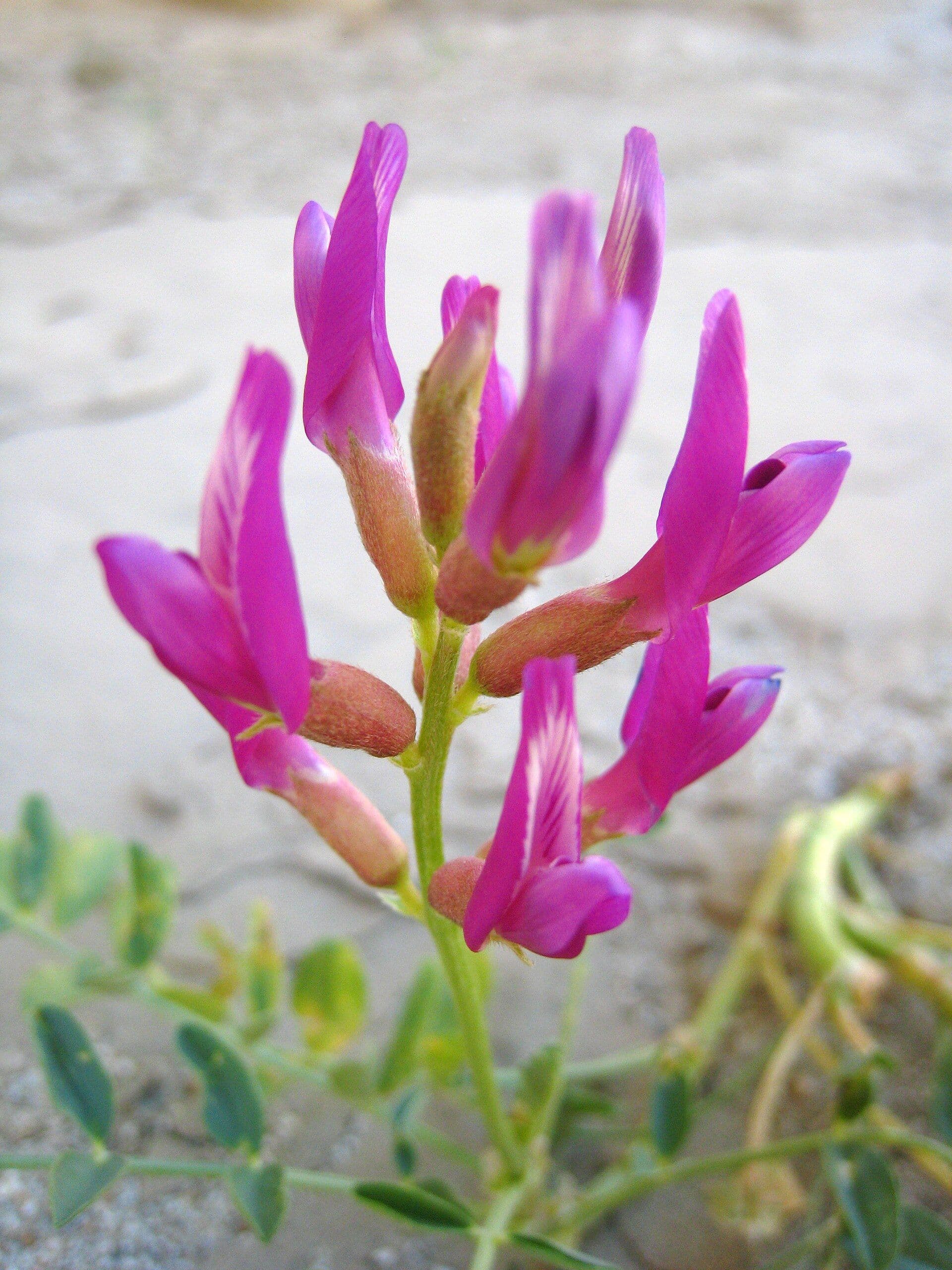
黄芪 · Huang Qi
Radix Astragali
Discover Huang Qi, or Astragalus Root, a cornerstone of TCM for boosting energy, supporting immunity, and enhancing vitality, grounded in both ancient wisdom and modern science.
Postpartum fever from Qi/Blood Deficiency; Recovery from severe blood loss
Spleen Qi Deficiency with anorexia, fatigue, diarrhea; Central Qi Sinking (prolapse); Lung/Spleen Qi Deficiency; Qi Failing to contain Blood; Qi/Blood Deficiency; Fever from Qi Deficiency
Wei Qi Deficiency with spontaneous sweating; Lung Qi Deficiency with frequent colds/shortness of breath; Excessive sweating from Qi, Yang, or Yin Deficiency; Dampness in the head
Spleen Deficiency edema or superficial edema with reduced urination
Chronic ulcerations/sores with pus formation/drainage issues
Wasting and thirsting disorder; Bi Syndrome with limb numbness/paralysis
Numbness/pain from Qi/Blood Deficiency
Postpartum fever from Qi/Blood Deficiency; Recovery from severe blood loss
Spleen Qi Deficiency with anorexia, fatigue, diarrhea; Central Qi Sinking (prolapse); Lung/Spleen Qi Deficiency; Qi Failing to contain Blood; Qi/Blood Deficiency; Fever from Qi Deficiency
Wei Qi Deficiency with spontaneous sweating; Lung Qi Deficiency with frequent colds/shortness of breath; Excessive sweating from Qi, Yang, or Yin Deficiency; Dampness in the head
Spleen Deficiency edema or superficial edema with reduced urination
Chronic ulcerations/sores with pus formation/drainage issues
Wasting and thirsting disorder; Bi Syndrome with limb numbness/paralysis
Numbness/pain from Qi/Blood Deficiency
9-30g; Exceptional cases: 30-60g; Tincture: 2-4ml
For a traditional decoction, simmer 9-30 grams of dried Huang Qi root slices in 3-4 cups of water for 20-30 minutes. You can increase the dosage to 30-60 grams for more intense support, under professional guidance. Strain and drink 1-2 cups daily. For a simpler tea, steep 5-10 grams in hot water for 15 minutes.
If using powdered Huang Qi, a common dose is 1-3 grams, mixed into warm water, smoothies, or oatmeal, once or twice daily. Ensure the powder is from a reputable source, as quality can vary significantly.
Follow the specific instructions on the product label, as concentrations vary. A typical dosage range for a tincture might be 2-4 milliliters, taken 1-3 times per day, diluted in water. Always start with the lower end of the recommended dose to assess your body's response.
Huang Qi is wonderfully versatile in the kitchen. It’s a common ingredient in nourishing Chinese soups and congees (rice porridges), especially those aimed at boosting vitality or recovery. Simply add a few slices of the dried root to your chicken soup or vegetable broth as it simmers. The slices can be removed before serving, or eaten if tender. Its subtly sweet flavor enhances the dish without overpowering it.
For a traditional decoction, simmer 9-30 grams of dried Huang Qi root slices in 3-4 cups of water for 20-30 minutes. You can increase the dosage to 30-60 grams for more intense support, under professional guidance. Strain and drink 1-2 cups daily. For a simpler tea, steep 5-10 grams in hot water for 15 minutes.
If using powdered Huang Qi, a common dose is 1-3 grams, mixed into warm water, smoothies, or oatmeal, once or twice daily. Ensure the powder is from a reputable source, as quality can vary significantly.
Follow the specific instructions on the product label, as concentrations vary. A typical dosage range for a tincture might be 2-4 milliliters, taken 1-3 times per day, diluted in water. Always start with the lower end of the recommended dose to assess your body's response.
Huang Qi is wonderfully versatile in the kitchen. It’s a common ingredient in nourishing Chinese soups and congees (rice porridges), especially those aimed at boosting vitality or recovery. Simply add a few slices of the dried root to your chicken soup or vegetable broth as it simmers. The slices can be removed before serving, or eaten if tender. Its subtly sweet flavor enhances the dish without overpowering it.
Clinical studies on Astragalus membranaceus suggest potential benefits in areas such as reducing albuminuria and serum creatinine in diabetic kidney disease, improving overall response rates in lupus nephritis when combined with Western medicine, and enhancing athletic performance and post-exercise immune recovery. While promising, the quality of evidence for some applications is still considered low, necessitating further robust research.
Preliminary — In vitro / animal studies
Clinical studies on Astragalus membranaceus suggest potential benefits in areas such as reducing albuminuria and serum creatinine in diabetic kidney disease, improving overall response rates in lupus nephritis when combined with Western medicine, and enhancing athletic performance and post-exercise immune recovery. While promising, the quality of evidence for some applications is still considered low, necessitating further robust research.
Preliminary — In vitro / animal studies
Astragalus can antagonize the effects of immunosuppressants. In a patient with refractory nephrotic syndrome, concomitant use of herbal medicine granules containing astragalus was associated with nearly 50% reduction in tacrolimus concentration (74).
Astragalus and its constituents have estrogenic (23) (50) properties and may interfere with their actions. Clinical relevance is not known.
Astragalus and its constituents have anticoagulant properties (52), which may increase the risk of bleeding. Clinical significance is not known.
In a small study involving healthy men, astragalus demonstrated natriuretic effects (8) and may therefore have additive effects with these medications.
Astragalus extract can lower both systolic and diastolic blood pressure and may have additive effects with other antihypertensive drugs (38). Clinical relevance is not known.
Contraindicated
Little is known about whether it’s safe to use astragalus during pregnancy or while breastfeeding. Some research in animals suggests that during pregnancy, astragalus can be toxic to the fetus.
Astragalus can antagonize the effects of immunosuppressants. In a patient with refractory nephrotic syndrome, concomitant use of herbal medicine granules containing astragalus was associated with nearly 50% reduction in tacrolimus concentration (74).
Astragalus and its constituents have estrogenic (23) (50) properties and may interfere with their actions. Clinical relevance is not known.
Astragalus and its constituents have anticoagulant properties (52), which may increase the risk of bleeding. Clinical significance is not known.
In a small study involving healthy men, astragalus demonstrated natriuretic effects (8) and may therefore have additive effects with these medications.
Astragalus extract can lower both systolic and diastolic blood pressure and may have additive effects with other antihypertensive drugs (38). Clinical relevance is not known.
Contraindicated
Little is known about whether it’s safe to use astragalus during pregnancy or while breastfeeding. Some research in animals suggests that during pregnancy, astragalus can be toxic to the fetus.
When purchasing Huang Qi, look for dried root slices that are relatively thick, firm, and have a yellowish-white cross-section. The root should have a slight, sweet aroma and a mildly sweet taste when chewed. Avoid pieces that appear overly brittle, discolored, or have an off-smell, as these may indicate poor quality or improper storage. Sourcing from reputable herbalists or suppliers is always best.
The memory of Mrs. Lee still brings a smile to my face. When she first came to me, her energy was so depleted she could barely manage her daily errands. She'd battled chronic colds for years, each one leaving her more rundown than the last. Western doctors had offered little beyond symptom management.
I saw her condition through a different lens, one rooted in ancient wisdom: a profound deficiency in what Traditional Chinese Medicine (TCM) calls Qi, or vital life force, and a weakened Wei Qi, her body's protective energy. My recommendation? A simple, yet profound herb: Huang Qi.
Within weeks, Mrs. Lee reported a noticeable shift. Her colds became less frequent, her fatigue eased, and a spark returned to her eyes. This wasn't a quick fix, but a gradual rebuilding, a testament to the quiet power of a root that has graced Chinese apothecaries for millennia.
Huang Qi, known scientifically as Radix Astragali, and commonly called Astragalus Root or Milk-Vetch Root in English, is a remarkable adaptogenic herb used in TCM for centuries to tonify Qi, strengthen the body's protective energy, and foster resilience.
As an integrative medicine physician, I find Huang Qi to be a beautiful bridge between the holistic philosophy of TCM and the mechanistic understanding of Western functional medicine. It’s an herb that works to create a stronger, more balanced foundation within the body, rather than simply suppressing symptoms.
In the lexicon of TCM, every herb possesses a distinct nature and flavor, influencing specific energetic pathways, or meridians. Huang Qi is considered slightly warm (lukewarm) and sweet. Think of its warmth not as a fiery heat, but as a gentle, nourishing furnace that subtly invigorates your body's energy system. Its sweetness isn't just a taste; in TCM, sweet herbs often have a tonifying, harmonizing, and moistening effect.
Huang Qi primarily targets the Lung and Spleen meridians. In TCM, the Spleen is not just an organ but a central player in digestion and the transformation of food into Qi and Blood. When your Spleen Qi is strong, your body efficiently converts nutrients into energy, preventing fatigue and poor digestion.
The Lungs, on the other hand, govern respiration, but also play a critical role in immunity, spreading the Wei Qi (defensive energy) throughout the body, acting as a shield against external pathogens. By nourishing both, Huang Qi builds a robust internal environment.
This dual action is why Huang Qi is considered a foundational herb for bolstering overall vitality and resilience. As the ancient text Shén Nóng Běn Cǎo Jīng (The Divine Farmer's Materia Medica) notes, it “主痈疽久败疮,排脓止痛,补虚” – emphasizing its traditional use for promoting healing and tonifying deficiency. It's not about providing a burst of artificial energy, but about gently coaxing your body to produce and circulate its own vital force more effectively.
Many of my patients come in feeling chronically tired, despite adequate sleep. In TCM, this often points to a Qi deficiency. Huang Qi is a primary herb for tonifying Qi and raising Yang Qi of the Spleen and Stomach. This translates to improved digestive function and a more efficient conversion of food into usable energy, leading to sustained vitality throughout the day. I often see patients with that mid-afternoon slump find significant relief with consistent use.
If you're someone who seems to catch every bug going around, your Wei Qi (defensive energy) might need bolstering. Huang Qi is renowned for tonifying Wei Qi and stabilizing the Exterior, effectively helping your body build a stronger protective shield. This concept aligns beautifully with modern immunology, where researchers like Dr. Brent Bauer at Mayo Clinic and Dr. Helene Langevin at NCCIH at NIH are exploring how natural compounds can modulate immune responses.
Huang Qi doesn't just boost your immune system; it helps it function more intelligently and robustly, particularly against recurrent infections.
In TCM, Huang Qi's actions include promoting urination and reducing edema, indicating its role in healthy fluid metabolism. Modern research has taken particular interest in this aspect. A 2019 meta-analysis published in the Journal of Ethnopharmacology by Zhang L. et al., involving 32 randomized controlled trials, found that adjunctive use of Astragalus membranaceus preparations may be effective for short-term reduction of albuminuria, proteinuria, and serum creatinine in diabetic kidney disease patients.
While the authors noted the quality of evidence was low, these findings are certainly compelling for continued investigation. Furthermore, a 2025 study in Frontiers in Pharmacology by Li J., Wu M-C., and Liu W. suggested Astragalus-containing Chinese herbal medicine combined with Western medicine significantly improved overall response rates and reduced blood urea nitrogen levels in patients with lupus nephritis, with fewer adverse events.
Athletes and active individuals often seek natural ways to enhance performance and speed recovery. Here, Huang Qi's Qi tonifying and immune-supporting actions become particularly relevant. A recent 2024 systematic review by Antonelli M. and Donelli D. in Nutrients highlighted that Astragalus supplementation has the potential to decrease fatigue, enhance aerobic performance, and mitigate post-exercise immune suppression in athletes. This aligns with its traditional use for building stamina and overall resilience.
Beyond its holistic TCM actions, modern research has begun to unravel the complex pharmacology of Huang Qi. Scientists have identified several key active compounds responsible for its myriad effects. The primary chemical constituents include polysaccharides, saponins (like astragaloside IV), and flavonoids. As detailed in a 2024 review in Chinese Medicine by Chen et al., these compounds contribute to its observed immune-regulating, anti-tumor, and cardiovascular protective properties.
The saponins, particularly astragaloside IV, are of significant interest. A 2025 paper by Gu Li Ma Si Ya · A Han in Clinical Medicine Progress highlights astragaloside IV as a crucial active component for Huang Qi's antimicrobial and immune-modulating effects. Researchers are even predicting specific compounds, including Huang Qi polysaccharides and formononetin (a flavonoid), as quality markers (Q-Markers) for the herb, as discussed by Zhang Tuoxuan et al.
in Chinese New Drugs Journal in 2023, marrying traditional medicinal properties with modern pharmacological analysis for quality control.
While many of Huang Qi's traditional uses are supported by centuries of empirical observation, the modern scientific lens allows us to understand how it works. For instance, its ability to reduce inflammation (traditionally viewed as clearing Heat toxin) and its cardioprotective actions are areas where ongoing research continues to build a strong evidence base. It truly stands as an herb where the ancient wisdom is continually being validated and elucidated by contemporary science.
Huang Qi is remarkably versatile and can be used in several forms, making it easy to integrate into your daily life. The most common and traditional way is as a decoction or tea. I often recommend adding 9-30 grams of the dried root slices to a pot with 3-4 cups of water, simmering gently for 20-30 minutes. You can then strain and drink the liquid.
For more significant needs, a practitioner might suggest increasing the dosage to 30-60 grams, but this should always be under professional guidance.
Beyond teas, Huang Qi is a fantastic addition to your kitchen. I’ve seen countless patients, like Mr. Chen, who loved incorporating it into their weekly chicken soup. Its subtly sweet flavor makes it a natural fit for soups and congees, where it can simmer along with other ingredients, imparting its nourishing properties. Simply add a few slices to your pot, and remove them before serving, or enjoy them if they’ve softened sufficiently.
You can also find Huang Qi in powdered form, which can be mixed into smoothies or hot water (typically 1-3 grams, 1-2 times daily). Tinctures offer another convenient option, with a general dosage of 2-4 ml, 1-3 times per day, diluted in water. Always adhere to the specific instructions on any commercial product you purchase, as concentrations can vary.
When sourcing Huang Qi, look for reputable suppliers. High-quality root slices should be thick, firm, and have a distinct yellowish-white cross-section. A sweet taste and mild aroma are good indicators of potency. Just like with any herbal remedy, consistency is key to experiencing its full benefits.
While Huang Qi is generally considered safe for long-term use in appropriate individuals, it is not for everyone. It's crucial to understand its contraindications to ensure safe and effective use. Always consult with a qualified healthcare provider before starting any new herbal regimen, especially if you have existing health conditions or are taking medications.
Contraindications:
Based on TCM principles and modern observations, Huang Qi is contraindicated in specific situations:
For early-stage sores or skin lesions with Heat toxin: If you have acute, hot, red, swollen infections or skin conditions, Huang Qi’s tonifying nature can sometimes trap pathogens or exacerbate heat, rather than resolving it. Its action of 'generating flesh' is for chronic, non-healing wounds, not acute infections.
During an Exterior Excess: This refers to the acute phase of a cold or flu, especially with a fever, chills, and body aches. Huang Qi's stabilizing action can prevent your body from expelling the pathogen, prolonging the illness. It’s a protective herb, not one to use when the fight against an invader is in full swing.
In cases of Qi Stagnation: If you experience symptoms like bloating, distension, emotional frustration, or a feeling of being 'stuck,' Huang Qi might worsen these symptoms by further solidifying the stagnation. Moving Qi is required here, not tonifying it.
For Yin Deficiency with Heat signs: Symptoms like night sweats, dry mouth, hot flashes, or a flushed face indicate a lack of cooling Yin. Huang Qi’s slightly warm nature could potentially aggravate these 'empty heat' symptoms.
Drug Interactions:
Huang Qi may have an inhibitory influence on copper-induced oxidative stress. Research also indicates that this herb may be effective in preventing ototoxicity and nephrotoxicity (damage to ears and kidneys) associated with the use of aminoglycoside antibiotics such as gentamicin, tobramycin, and amikacin. While this sounds like a benefit, it underscores the herb's potent pharmacological activity and the need for medical supervision if you are taking these medications. Disclose all supplements to your prescribing physician.
Pregnancy and Breastfeeding:
Little is known about whether it’s safe to use astragalus during pregnancy or while breastfeeding. Some research in animals suggests that during pregnancy, astragalus can be toxic to the fetus. Given this uncertainty and the potential risks, I strongly advise against using Huang Qi if you are pregnant or breastfeeding. Always prioritize the safety of both mother and child and consult your obstetrician or pediatrician before considering any herbal remedies.
Some individuals may also experience mild side effects such as shakiness, nerve pain, a racing heart, or digestive issues. If you notice any unusual symptoms, discontinue use and speak with your healthcare provider.
Huang Qi truly embodies the wisdom of integrative medicine – an herb cherished for centuries, whose profound effects are now being illuminated by the rigorous methods of modern science. It's not a magic bullet, but a foundational builder, working subtly to enhance your body's intrinsic capacity for health and resilience. From empowering your immune system to revitalizing your energy, Huang Qi offers a pathway to a more balanced and vibrant you.
My hope is that by understanding herbs like Huang Qi through both traditional and scientific lenses, you feel more empowered to engage with your own health journey. It’s about listening to your body, honoring ancient practices, and embracing the validated insights that modern research provides. In this synergy, we find the deepest healing.
The memory of Mrs. Lee still brings a smile to my face. When she first came to me, her energy was so depleted she could barely manage her daily errands. She'd battled chronic colds for years, each one leaving her more rundown than the last. Western doctors had offered little beyond symptom management.
I saw her condition through a different lens, one rooted in ancient wisdom: a profound deficiency in what Traditional Chinese Medicine (TCM) calls Qi, or vital life force, and a weakened Wei Qi, her body's protective energy. My recommendation? A simple, yet profound herb: Huang Qi.
Within weeks, Mrs. Lee reported a noticeable shift. Her colds became less frequent, her fatigue eased, and a spark returned to her eyes. This wasn't a quick fix, but a gradual rebuilding, a testament to the quiet power of a root that has graced Chinese apothecaries for millennia.
Huang Qi, known scientifically as Radix Astragali, and commonly called Astragalus Root or Milk-Vetch Root in English, is a remarkable adaptogenic herb used in TCM for centuries to tonify Qi, strengthen the body's protective energy, and foster resilience.
As an integrative medicine physician, I find Huang Qi to be a beautiful bridge between the holistic philosophy of TCM and the mechanistic understanding of Western functional medicine. It’s an herb that works to create a stronger, more balanced foundation within the body, rather than simply suppressing symptoms.
In the lexicon of TCM, every herb possesses a distinct nature and flavor, influencing specific energetic pathways, or meridians. Huang Qi is considered slightly warm (lukewarm) and sweet. Think of its warmth not as a fiery heat, but as a gentle, nourishing furnace that subtly invigorates your body's energy system. Its sweetness isn't just a taste; in TCM, sweet herbs often have a tonifying, harmonizing, and moistening effect.
Huang Qi primarily targets the Lung and Spleen meridians. In TCM, the Spleen is not just an organ but a central player in digestion and the transformation of food into Qi and Blood. When your Spleen Qi is strong, your body efficiently converts nutrients into energy, preventing fatigue and poor digestion.
The Lungs, on the other hand, govern respiration, but also play a critical role in immunity, spreading the Wei Qi (defensive energy) throughout the body, acting as a shield against external pathogens. By nourishing both, Huang Qi builds a robust internal environment.
This dual action is why Huang Qi is considered a foundational herb for bolstering overall vitality and resilience. As the ancient text Shén Nóng Běn Cǎo Jīng (The Divine Farmer's Materia Medica) notes, it “主痈疽久败疮,排脓止痛,补虚” – emphasizing its traditional use for promoting healing and tonifying deficiency. It's not about providing a burst of artificial energy, but about gently coaxing your body to produce and circulate its own vital force more effectively.
Many of my patients come in feeling chronically tired, despite adequate sleep. In TCM, this often points to a Qi deficiency. Huang Qi is a primary herb for tonifying Qi and raising Yang Qi of the Spleen and Stomach. This translates to improved digestive function and a more efficient conversion of food into usable energy, leading to sustained vitality throughout the day. I often see patients with that mid-afternoon slump find significant relief with consistent use.
If you're someone who seems to catch every bug going around, your Wei Qi (defensive energy) might need bolstering. Huang Qi is renowned for tonifying Wei Qi and stabilizing the Exterior, effectively helping your body build a stronger protective shield. This concept aligns beautifully with modern immunology, where researchers like Dr. Brent Bauer at Mayo Clinic and Dr. Helene Langevin at NCCIH at NIH are exploring how natural compounds can modulate immune responses.
Huang Qi doesn't just boost your immune system; it helps it function more intelligently and robustly, particularly against recurrent infections.
In TCM, Huang Qi's actions include promoting urination and reducing edema, indicating its role in healthy fluid metabolism. Modern research has taken particular interest in this aspect. A 2019 meta-analysis published in the Journal of Ethnopharmacology by Zhang L. et al., involving 32 randomized controlled trials, found that adjunctive use of Astragalus membranaceus preparations may be effective for short-term reduction of albuminuria, proteinuria, and serum creatinine in diabetic kidney disease patients.
While the authors noted the quality of evidence was low, these findings are certainly compelling for continued investigation. Furthermore, a 2025 study in Frontiers in Pharmacology by Li J., Wu M-C., and Liu W. suggested Astragalus-containing Chinese herbal medicine combined with Western medicine significantly improved overall response rates and reduced blood urea nitrogen levels in patients with lupus nephritis, with fewer adverse events.
Athletes and active individuals often seek natural ways to enhance performance and speed recovery. Here, Huang Qi's Qi tonifying and immune-supporting actions become particularly relevant. A recent 2024 systematic review by Antonelli M. and Donelli D. in Nutrients highlighted that Astragalus supplementation has the potential to decrease fatigue, enhance aerobic performance, and mitigate post-exercise immune suppression in athletes. This aligns with its traditional use for building stamina and overall resilience.
Beyond its holistic TCM actions, modern research has begun to unravel the complex pharmacology of Huang Qi. Scientists have identified several key active compounds responsible for its myriad effects. The primary chemical constituents include polysaccharides, saponins (like astragaloside IV), and flavonoids. As detailed in a 2024 review in Chinese Medicine by Chen et al., these compounds contribute to its observed immune-regulating, anti-tumor, and cardiovascular protective properties.
The saponins, particularly astragaloside IV, are of significant interest. A 2025 paper by Gu Li Ma Si Ya · A Han in Clinical Medicine Progress highlights astragaloside IV as a crucial active component for Huang Qi's antimicrobial and immune-modulating effects. Researchers are even predicting specific compounds, including Huang Qi polysaccharides and formononetin (a flavonoid), as quality markers (Q-Markers) for the herb, as discussed by Zhang Tuoxuan et al.
in Chinese New Drugs Journal in 2023, marrying traditional medicinal properties with modern pharmacological analysis for quality control.
While many of Huang Qi's traditional uses are supported by centuries of empirical observation, the modern scientific lens allows us to understand how it works. For instance, its ability to reduce inflammation (traditionally viewed as clearing Heat toxin) and its cardioprotective actions are areas where ongoing research continues to build a strong evidence base. It truly stands as an herb where the ancient wisdom is continually being validated and elucidated by contemporary science.
Huang Qi is remarkably versatile and can be used in several forms, making it easy to integrate into your daily life. The most common and traditional way is as a decoction or tea. I often recommend adding 9-30 grams of the dried root slices to a pot with 3-4 cups of water, simmering gently for 20-30 minutes. You can then strain and drink the liquid.
For more significant needs, a practitioner might suggest increasing the dosage to 30-60 grams, but this should always be under professional guidance.
Beyond teas, Huang Qi is a fantastic addition to your kitchen. I’ve seen countless patients, like Mr. Chen, who loved incorporating it into their weekly chicken soup. Its subtly sweet flavor makes it a natural fit for soups and congees, where it can simmer along with other ingredients, imparting its nourishing properties. Simply add a few slices to your pot, and remove them before serving, or enjoy them if they’ve softened sufficiently.
You can also find Huang Qi in powdered form, which can be mixed into smoothies or hot water (typically 1-3 grams, 1-2 times daily). Tinctures offer another convenient option, with a general dosage of 2-4 ml, 1-3 times per day, diluted in water. Always adhere to the specific instructions on any commercial product you purchase, as concentrations can vary.
When sourcing Huang Qi, look for reputable suppliers. High-quality root slices should be thick, firm, and have a distinct yellowish-white cross-section. A sweet taste and mild aroma are good indicators of potency. Just like with any herbal remedy, consistency is key to experiencing its full benefits.
While Huang Qi is generally considered safe for long-term use in appropriate individuals, it is not for everyone. It's crucial to understand its contraindications to ensure safe and effective use. Always consult with a qualified healthcare provider before starting any new herbal regimen, especially if you have existing health conditions or are taking medications.
Contraindications:
Based on TCM principles and modern observations, Huang Qi is contraindicated in specific situations:
For early-stage sores or skin lesions with Heat toxin: If you have acute, hot, red, swollen infections or skin conditions, Huang Qi’s tonifying nature can sometimes trap pathogens or exacerbate heat, rather than resolving it. Its action of 'generating flesh' is for chronic, non-healing wounds, not acute infections.
During an Exterior Excess: This refers to the acute phase of a cold or flu, especially with a fever, chills, and body aches. Huang Qi's stabilizing action can prevent your body from expelling the pathogen, prolonging the illness. It’s a protective herb, not one to use when the fight against an invader is in full swing.
In cases of Qi Stagnation: If you experience symptoms like bloating, distension, emotional frustration, or a feeling of being 'stuck,' Huang Qi might worsen these symptoms by further solidifying the stagnation. Moving Qi is required here, not tonifying it.
For Yin Deficiency with Heat signs: Symptoms like night sweats, dry mouth, hot flashes, or a flushed face indicate a lack of cooling Yin. Huang Qi’s slightly warm nature could potentially aggravate these 'empty heat' symptoms.
Drug Interactions:
Huang Qi may have an inhibitory influence on copper-induced oxidative stress. Research also indicates that this herb may be effective in preventing ototoxicity and nephrotoxicity (damage to ears and kidneys) associated with the use of aminoglycoside antibiotics such as gentamicin, tobramycin, and amikacin. While this sounds like a benefit, it underscores the herb's potent pharmacological activity and the need for medical supervision if you are taking these medications. Disclose all supplements to your prescribing physician.
Pregnancy and Breastfeeding:
Little is known about whether it’s safe to use astragalus during pregnancy or while breastfeeding. Some research in animals suggests that during pregnancy, astragalus can be toxic to the fetus. Given this uncertainty and the potential risks, I strongly advise against using Huang Qi if you are pregnant or breastfeeding. Always prioritize the safety of both mother and child and consult your obstetrician or pediatrician before considering any herbal remedies.
Some individuals may also experience mild side effects such as shakiness, nerve pain, a racing heart, or digestive issues. If you notice any unusual symptoms, discontinue use and speak with your healthcare provider.
Huang Qi truly embodies the wisdom of integrative medicine – an herb cherished for centuries, whose profound effects are now being illuminated by the rigorous methods of modern science. It's not a magic bullet, but a foundational builder, working subtly to enhance your body's intrinsic capacity for health and resilience. From empowering your immune system to revitalizing your energy, Huang Qi offers a pathway to a more balanced and vibrant you.
My hope is that by understanding herbs like Huang Qi through both traditional and scientific lenses, you feel more empowered to engage with your own health journey. It’s about listening to your body, honoring ancient practices, and embracing the validated insights that modern research provides. In this synergy, we find the deepest healing.
This information is for educational purposes only and is not intended as medical advice. Always consult a qualified healthcare practitioner before using any herbal remedy.